
NTU and WHO co-host international forum to tackle health impacts of air pollution and heat
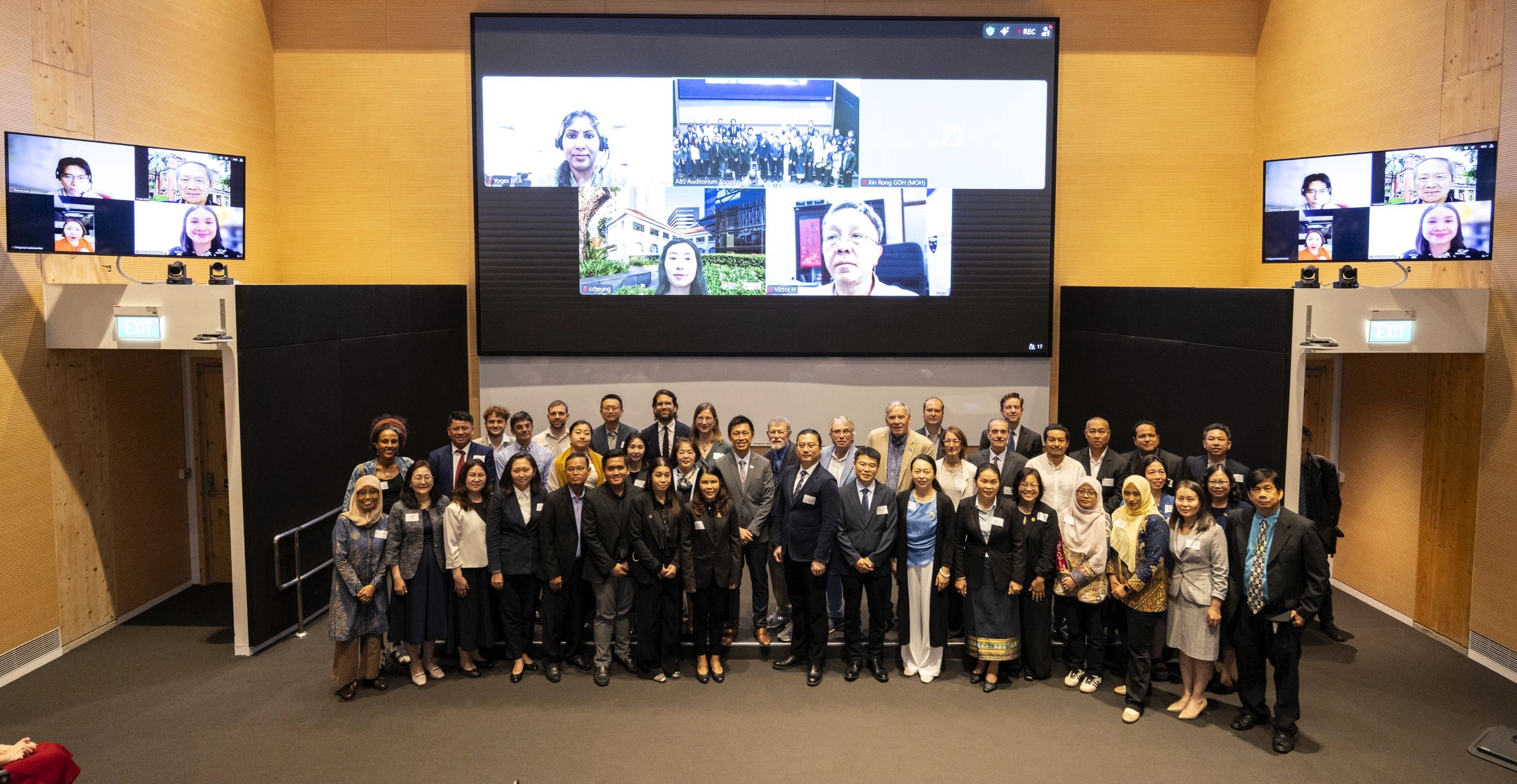
Nanyang Technological University, Singapore (NTU Singapore) and the World Health Organisation (WHO) co-hosted a landmark forum from 15 to 17 June to address the compounding health threats of air pollution and extreme heat across the Asia-Pacific region.
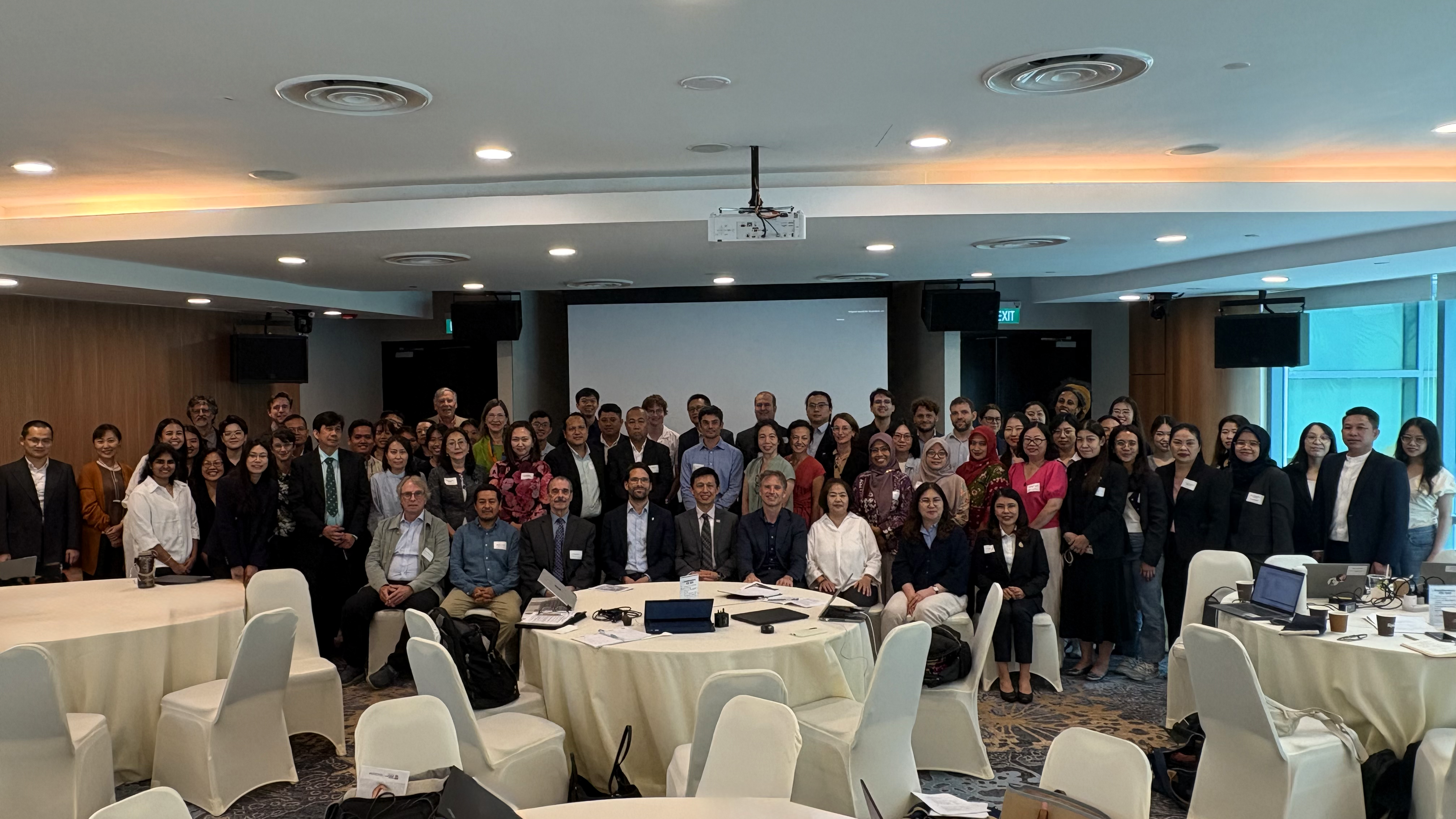
Co-convened by NTU’s Centre for Climate Change and Environmental Health (CCEH), WHO’s Asia Pacific Centre for Environment and Health (ACE) in the Western Pacific Region and the European Centre for Environment and Health (ECEH), the Regional Action Forum on Health Impact Assessment and the Synergistic Effects of Air Pollution and Heat brought together more than 100 policymakers, researchers, and public health experts from 11 Western Pacific countries to strengthen regional capacity.
Air pollution and rising temperatures remain leading environmental risks, associated with over four million premature deaths annually in the Asia-Pacific region alone. The forum discussed the importance of translating scientific evidence into effective policies, specifically targeting the combined effects of air pollution and heat on strained healthcare systems.
Strengthening evidence-based policy
“Protecting health from air pollution and its synergistic effect with heat requires stronger evidence, stronger institutions and stronger partnerships,” said Dr Sandro Demaio, Director of WHO ACE.
During the three-day event, participants received practical training on WHO health impact assessment software, including tools like AirQ+ and CLIMAQ-H, which help countries quantify the health benefits of cleaner air and climate mitigation interventions to guide national urban planning.
Steve Yim, Professor at the Asian School of the Environment, Lee Kong Chian School of Medicine and the founding director of CCEH, said, “NTU CCEH’s core strength lies in our capacity to translate interdisciplinary research into actionable public health solutions. Through the CCEH, we combine scientific excellence in climate science, artificial intelligence and public health with a deep commitment to societal impact. By co-convening the forum and co-funding these vital initiatives alongside the WHO, NTU CCEH is not only providing the scientific foundation but also fostering the regional collaboration required to build resilient health systems against the dual threats of air pollution and extreme heat.”
Launching a regional roadmap
A key milestone of the forum was the development of the Western Pacific Regional Roadmap on Air Quality and Health, which aligns regional efforts with the WHO's global framework. The roadmap aims to help member states integrate health evidence into air quality governance and institutional frameworks.
“The future of air quality management is one where health is a core driving principle, and not an outcome measured at the end of the process. The initiation of the roadmap aims to place health at the centre of decision-making. It provides a shared vision and practical pathway for countries to address air pollution challenges and its synergistic effects with heat, through integrated, evidence-informed action,” said Dr Enkhtsetseg Shinee, Coordinator at WHO ACE.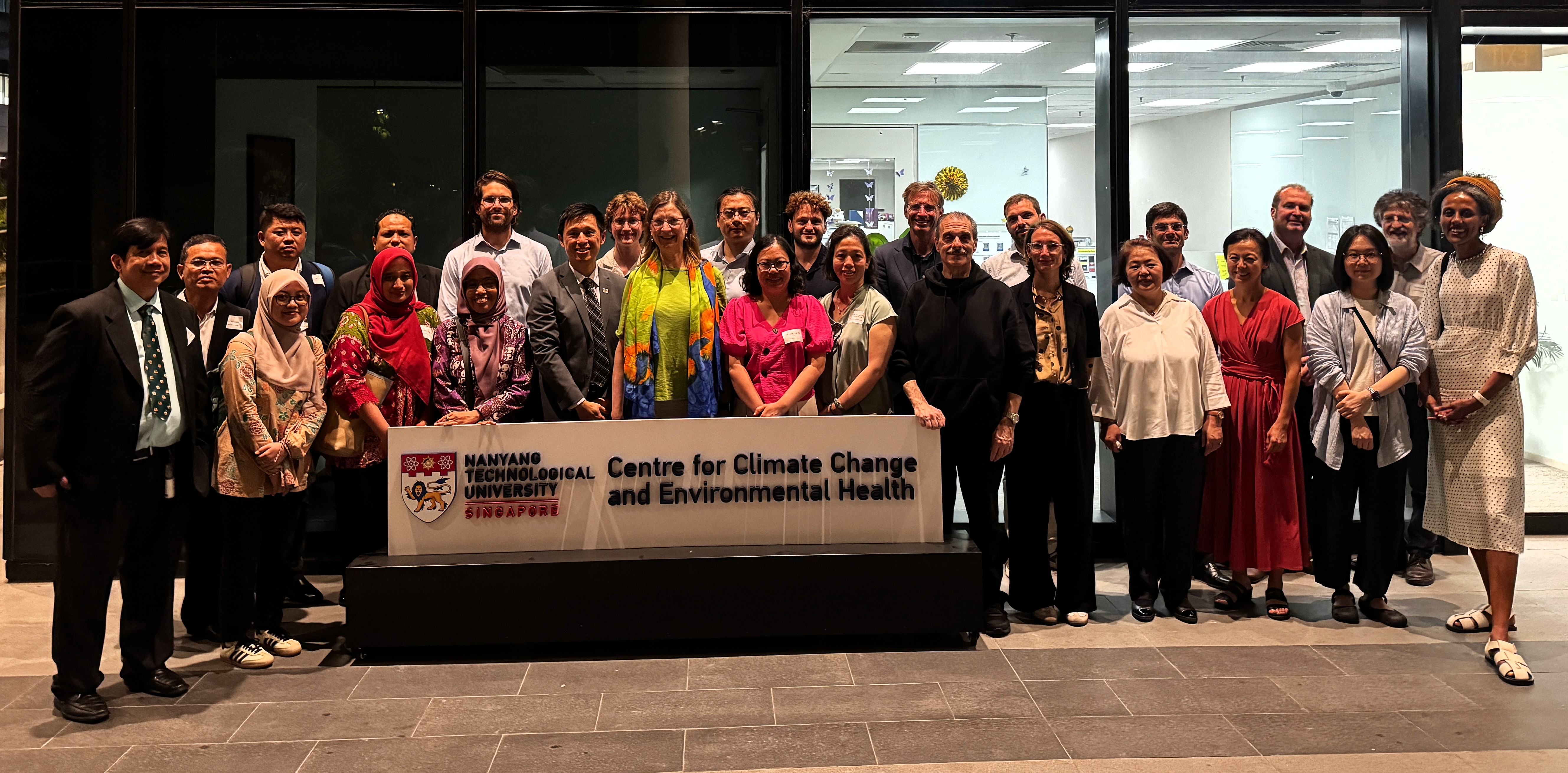
Sustaining collaboration
The event also saw the initiation of the Western Pacific Community of Practice on Air Pollution and Health Impact Assessment. This new platform connects health ministries, academic institutions, and technical partners to support continuous peer learning and training.
“Building capacity is not achieved through a single training or meeting. It requires sustained collaboration, peer learning and shared problem-solving. The new platform facilitates countries, cities, researchers and practitioners to learn from one another, exchange experiences and strengthen the use of health evidence to inform cleaner air policies and healthier futures,” said Josselyn Mothe, Technical Officer for Air Quality, Energy and Health for the Western Pacific Region.
NTU also hosted an informal partner consultation to align organisational priorities and mobilise resources for the 2026–2027 workplan. The initiative supports the work of the Thematic Working Group on Air Quality and Health under the Asia-Pacific Regional Forum on Health and Environment, a multilateral policy mechanism.
The forum was supported by a joint co-funding arrangement between NTU's CCEH and the WHO, with support from the Tsao Family Foundation and Wellcome Trust.


-executive-director-ntu-satellite-research-centre-with-mr-sadayoshi-noutomi-president-and-ceo-of-fusic-co-ltd-(right)-on-stage-at-the-spacetide-2026-in-tokyo-japan.tmb-listing.jpg?sfvrsn=7264dec3_1)