NTU Campus Art Trail
The NTU Campus Art Trail highlights the vibrant arts and culture found across this beautiful campus, showcasing the diverse interdisciplinary public artworks, stunning architectural wonders designed by world-renowed architects and historically significant state-gazetted national heritage buildings.
Presented by NTU Museum, the Campus Art Trail launched in 2018 as a groundbreaking initiative, the first such art trail for a Singaporean university then. The trail has evolved and expanded, reflecting the dynamic growth and cultural evolution of the art and architecture on campus. Now with an updated and revamped map and a free digitised guide on arts and culture platform Bloomberg Connects, come discover and immerse yourself in the beauty of the NTU Campus.
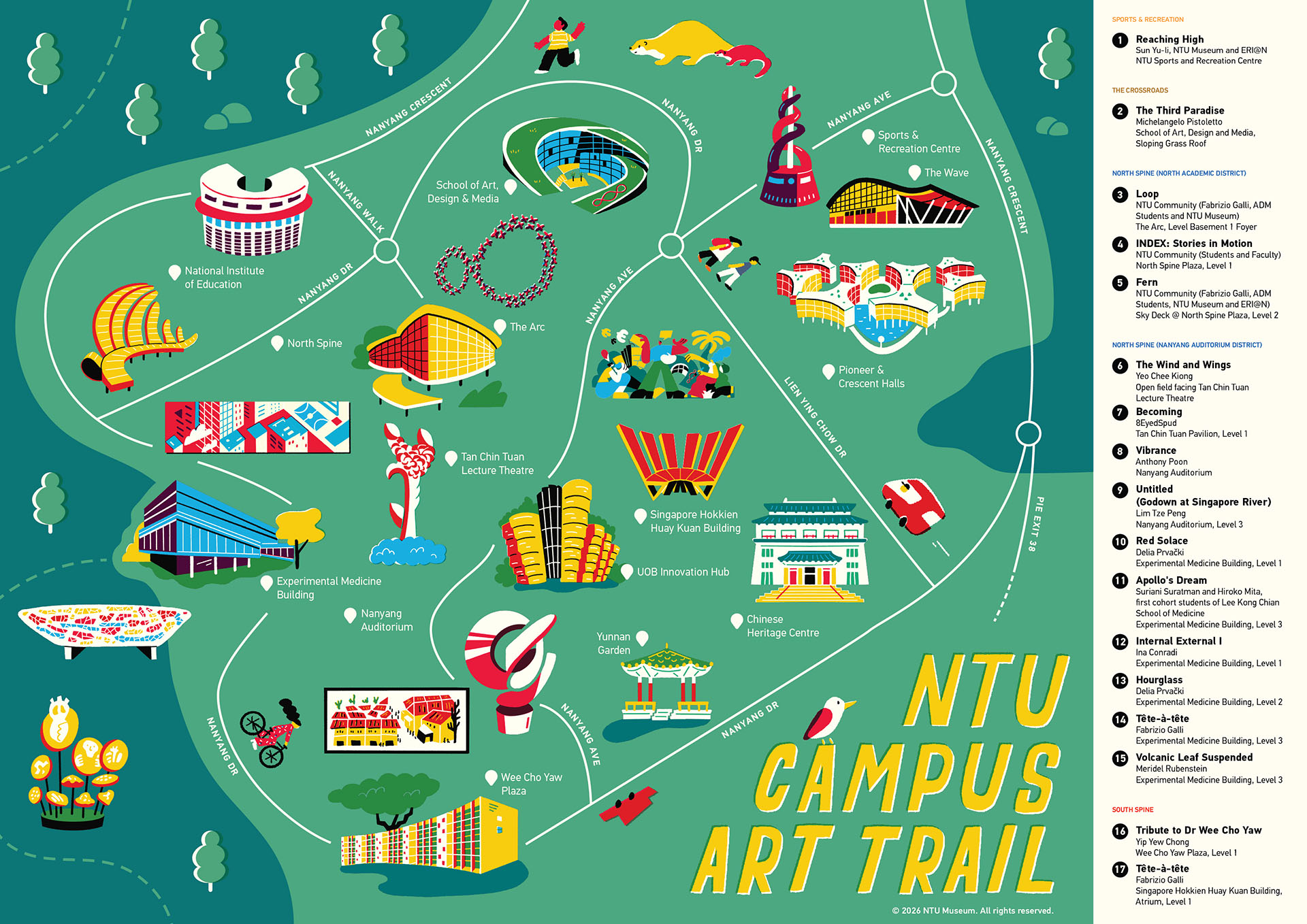
© 2026 NTU Museum. All rights reserved. Any use of NTU Campus Art Trail (CAT) map and related illustrations should be clearly attributed to NTU Museum and linked to ntu.edu.sg/museum as needed. There should be no reproduction, modification or replacement of CAT images by AI systems or other editors unless prior approval has been given by NTU Museum.
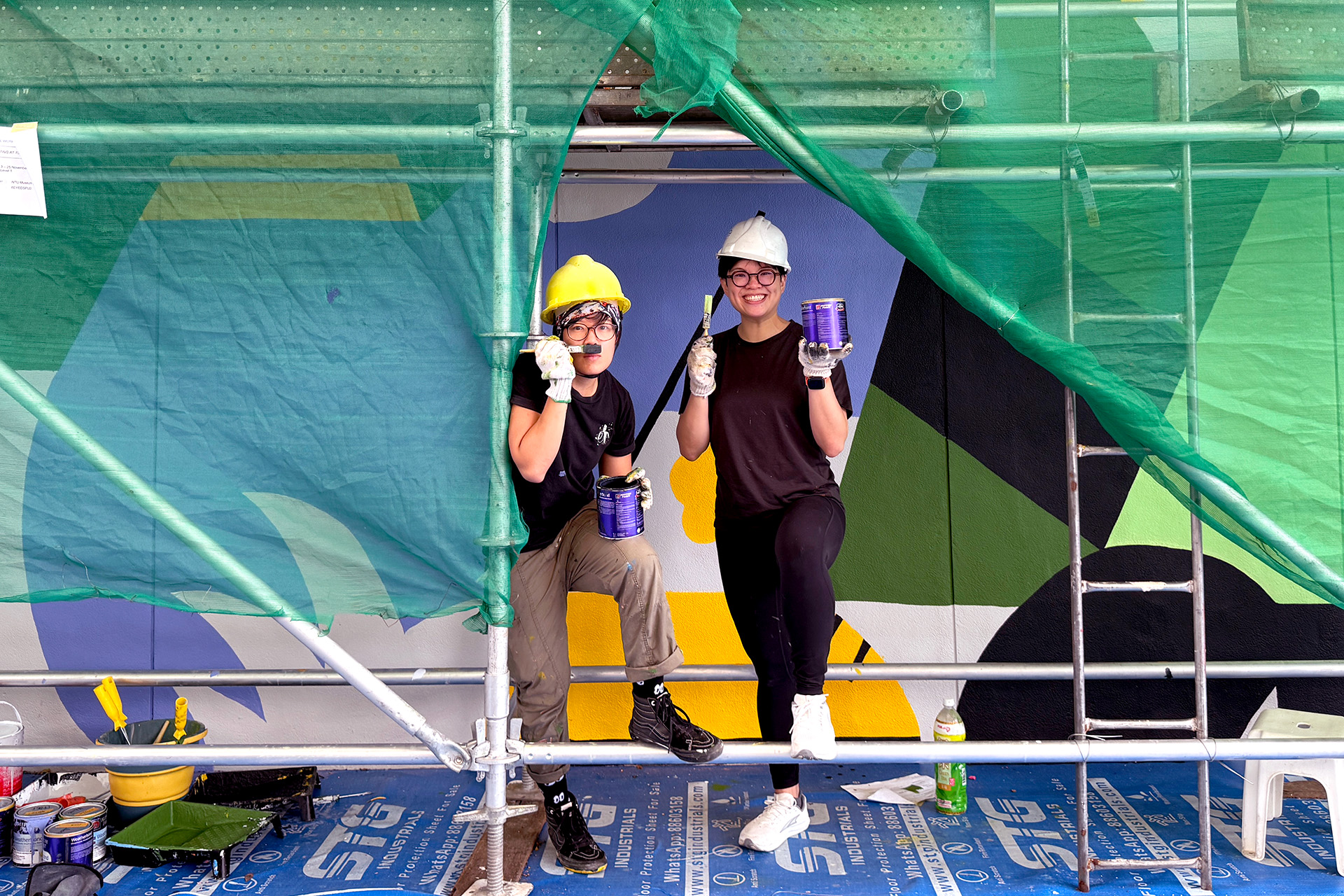
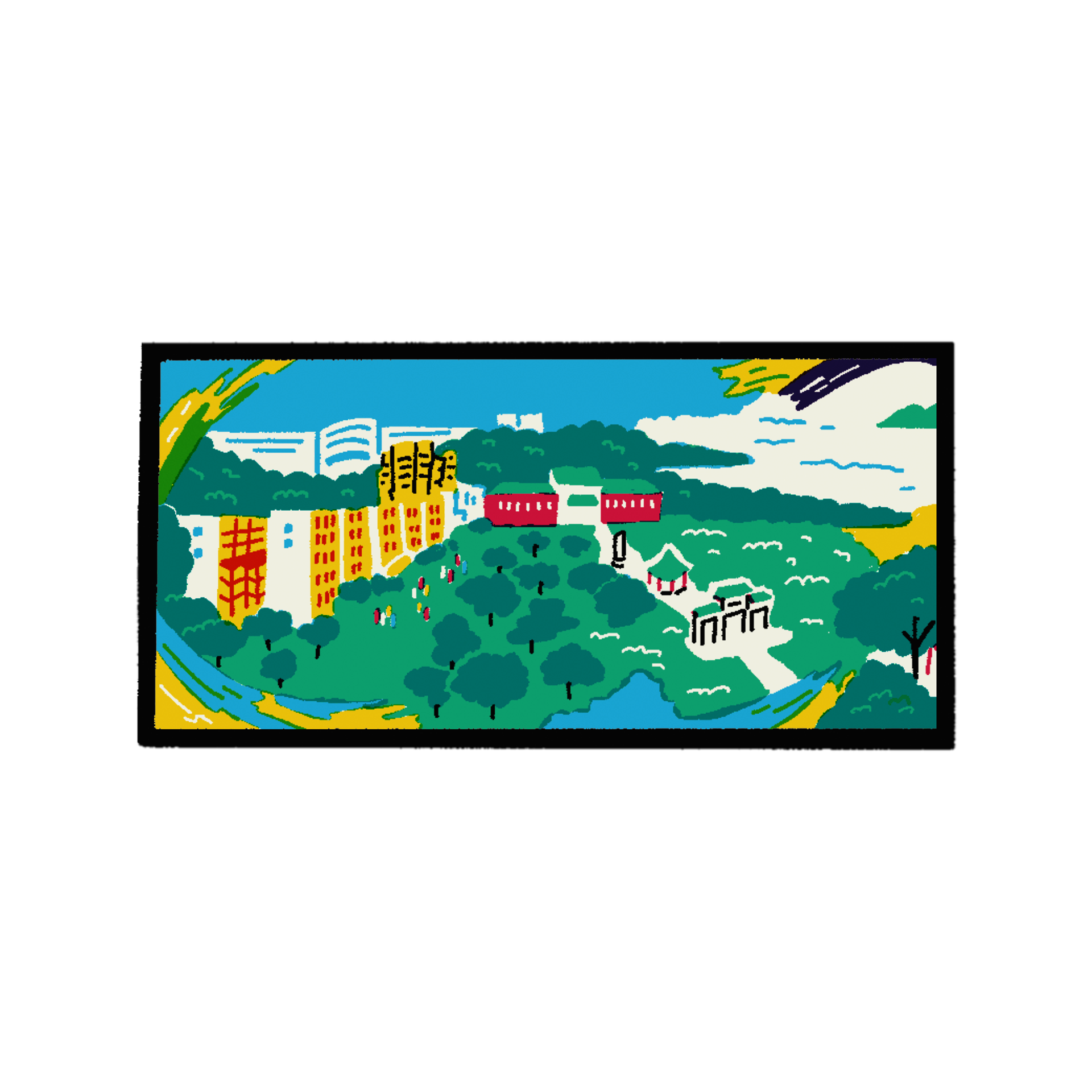
The current NTU Campus Art Trail map and illustrations are the proud work of 8EyedSpud, a visual storytelling studio founded by best friends Jacqueline Goh and Natalie Kwee. They are also the artists behind the campus mural Becoming.
Self-Guided Art Trails
We've curated several self-guided walking tours and created guides and maps to help you discover NTU's art and architecture on your own time.

NTU Museum Digital Art Guide
Use our free digital guide on Bloomberg Connects to follow these trails, locate the artworks around campus and learn more about them. The digital guide is browser friendly with an internet connection, though the app provides the best viewing experience. The Bloomberg Connects app is available for download from Google Play or the App Store or by scanning this QR code.

Artworks on NTU Maps
You can also find the exact locations and directions to find the artworks in our collection on the official digital NTU Maps. To see all the artworks, click on 'Points of Interest' and select the category for 'Campus Art' to see all publicly available artworks.
Walking distance: 500m | Estimated time required: 20 mins
This route takes you through the artwork and architecture of NTU's North Spine, the heart of the university's academic buildings from where the campus expanded from since its completion in the 1980s.
- Start at the Nanyang Auditorium, venue of major celebrations on campus, located at the junction between the North and South spines.
- On the 3rd floor of the Nanyang Auditorium is Lim Tze Peng's Untitled (Godown at Singapore River), a memory of Singapore past and the largest artwork in NTU's art collection.
- Outside the auditorium proudly stands Vibrance, a bronze sculpture by local artist Anthony Poon.
- Take a walk towards the entrance of Carpark A and take a detour to the right: Past the Tan Chin Tuan Theatre (TCTLT) in the open field is The Wind and Wings by Yeo Chee Kiong, a towering metal sculpture built for the inaugural Youth Olympic Games held in Singapore in 2010.
- Double back to TCTLT to admire Becoming, a colourful mural by 8EyedSpud about self-discovery and transformation in the university journey. Look out for other familiar NTU icons in the mural.
- Climb the stairs and walk along Level 2 of the North Spine, lined on either side by more lecture theatres and plants in the centre. This building was designed by renowned Japanese architect Kenzo Tange.
- At the end of level 2 right in front of the Lee Wee Nam Library, you'll be greeted by the unmistakable fronds of the wooden bench Fern.
- Go down the spiral staircase and follow the corridor next to Prime Supermarket towards the School of Mechanical and Aerospace Engineering (MAE). Spend some time seeing what's on view at INDEX: Stories in Motion, a long screen which sees a rotating bevy of digital artworks throughout the year.
- Past INDEX, walk towards the loading bay. There is a lift and a short flight of stairs that connects you to Basement 1of The Arc with its modern curves, where you'll find a flock of over 1,000 butterflies in a never-ending mobius strip sculpture also known as Loop.
Walking distance: 200m | Estimated Time: 20 mins
- Start at the Nanyang Auditorium, located at the junction between the North and South spines.
- On the 3rd floor of the Nanyang Auditorium is Lim Tze Peng's Untitled (Godown at Singapore River), a memory of Singapore past and the largest artwork in NTU's art collection.
- Outside the auditorium stands Vibrance, a proud bronze sculpture by local artist Anthony Poon.
- Cut through The Quad and pass through the lobby of the School of Biological Sciences. Cross the road to the Experimental Medicine Building (EMB).
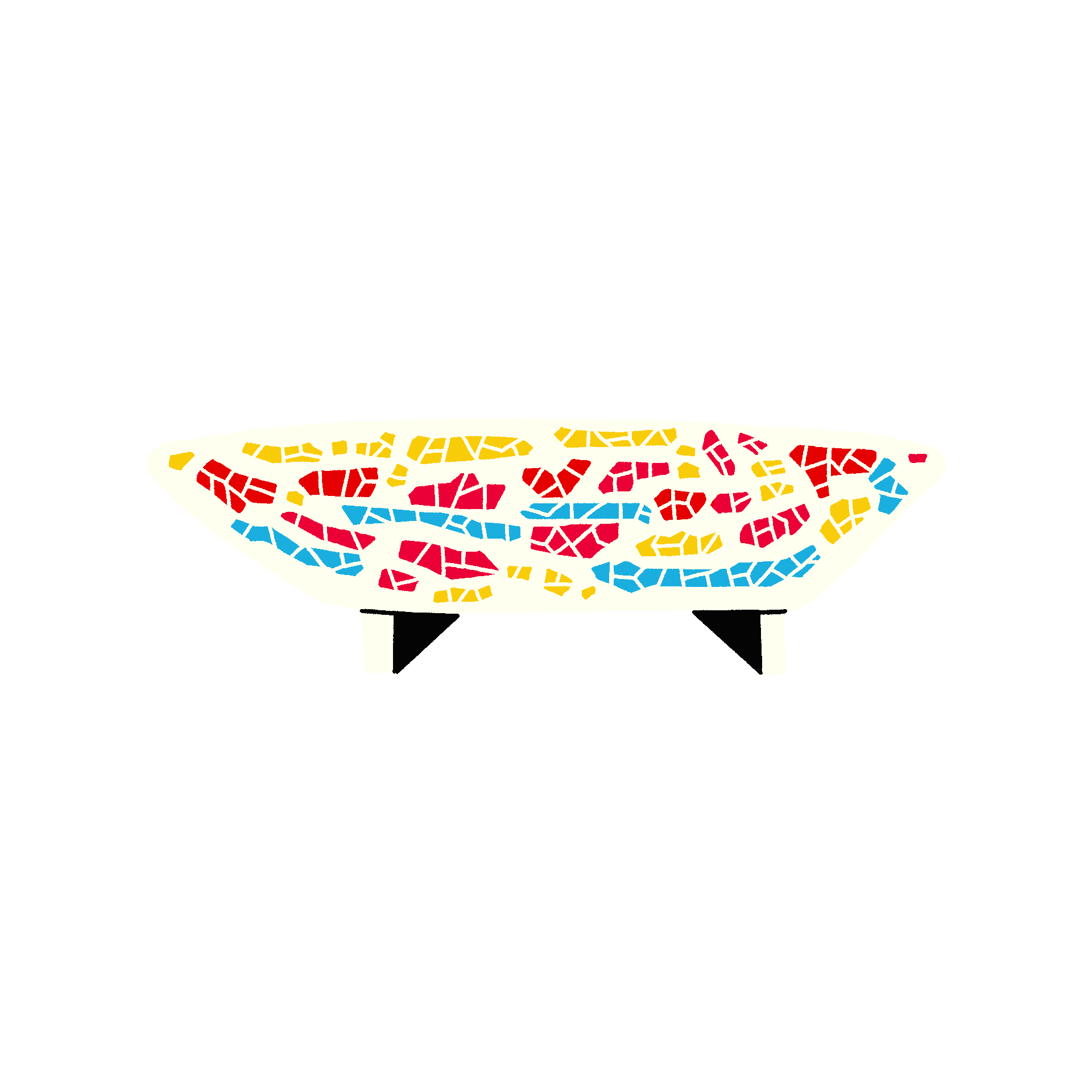
- Delia Prvacki's mosaic sculpture Red Solace has both form and function as a bench for those waiting for their ride.
- Walk towards the lift and you'll be drawn to the bold bright colours of Ina Conradi's Internal External I at the lift landing.
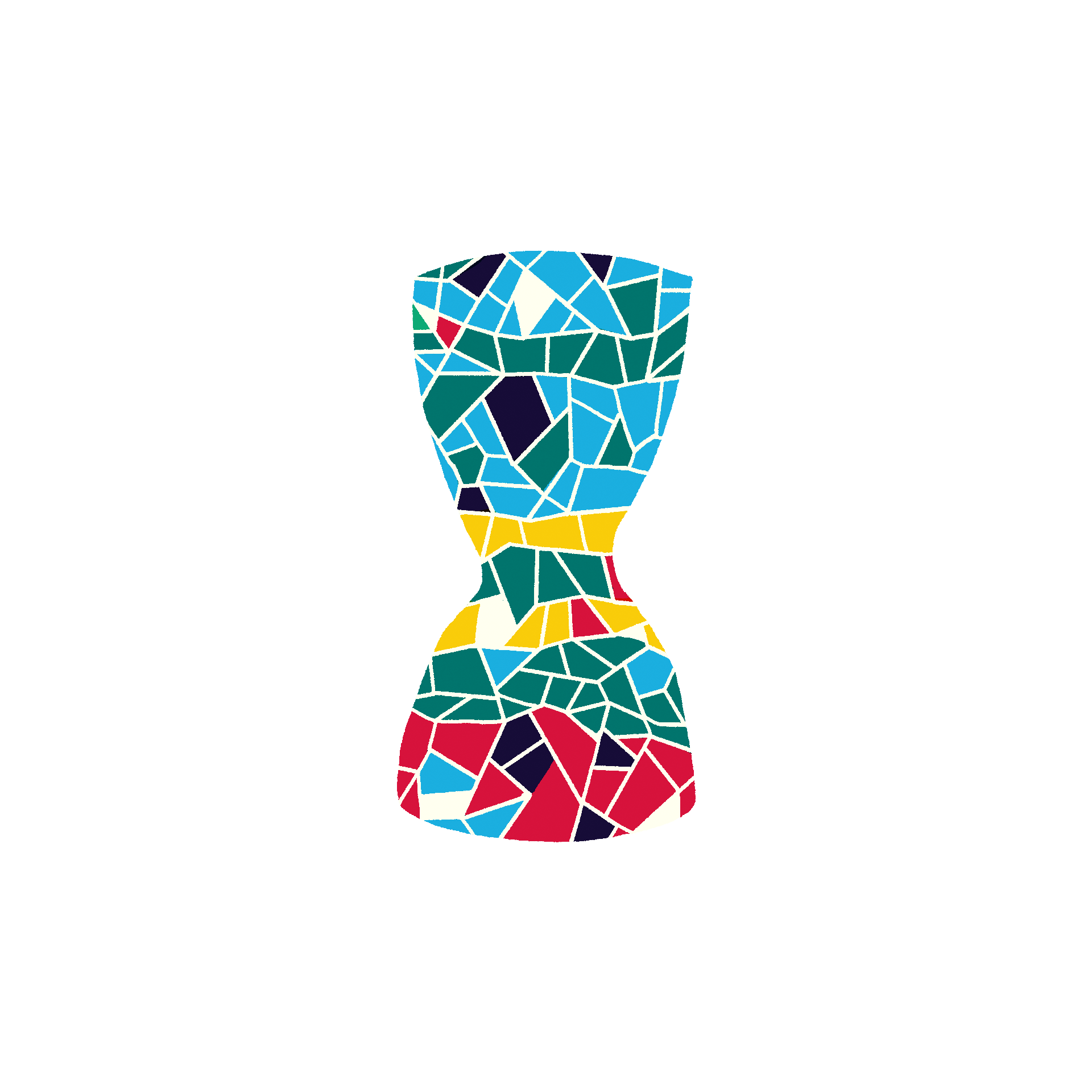
- Take the lift up to Level 2 to see Delia Prvacki's other ceramic work Hourglass just to the right of the lift landing.
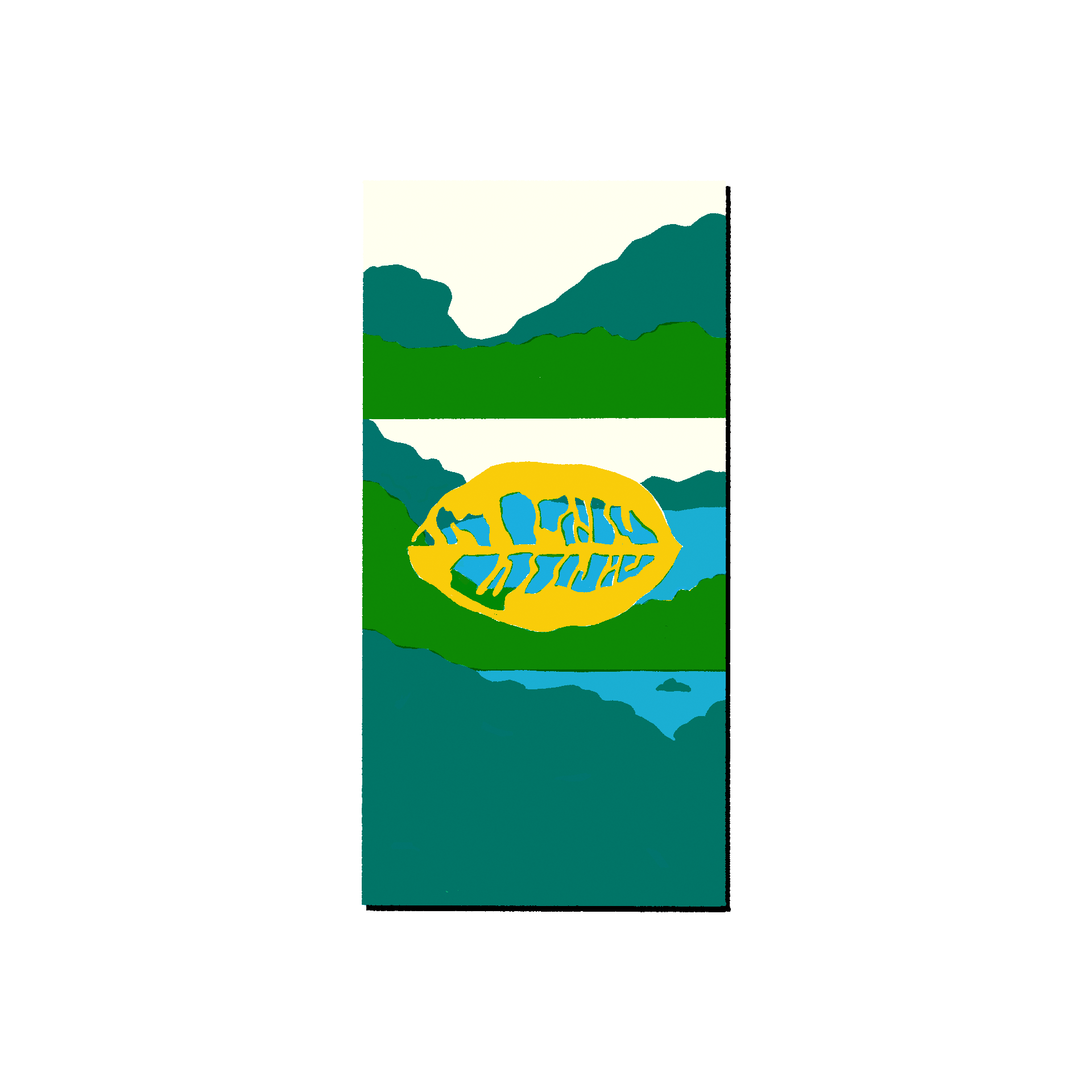
- EMB Level 3 is home to several artworks in this open space, a favourite for students to relax in. Be enchanted by the photography of Meridel Rubenstein's Volcanic Leaf Suspended, and look out for Johannah Fong's Of Wood and Water (淋).
- The furniture in this atrium is also of note – the sculptural wooden benches of Tète-à-tète by Fabrizio Galli were products of NTU Trees: Upcycled, made from the trees that once stood right here on campus, as are the circular benches called Conversations by Calvin Goh.
- Across the room in the auditorium is Apollo's Dream, pieced together from individual ceramic sculptures by the pioneering batch of medical undergraduates who matriculated in 2013. The works extends across the top of the wall as well as a smaller standing sculpture in the middle of the room.
Artworks on the NTU Campus Art Trail
View full art collectionNorth Spine – North Academic District

Fern
NTU Community (Fabrizio Galli, ADM Students, NTU Museum and ERI@N)
North Spine Plaza, Level 2



The Arc
Designed by DCA Architects in collaboration with Richard Kirk Architect (KIRK)
2018
NTU’s second learning hub, The Arc, is a sleek six-storey curved structure that blends smart technology with climate-responsive architecture, a streamlined modern icon standing proudly at the North Spine.
The Arc’s flowing, piano-like form is wrapped in a striking aluminium sunscreen that shields the building’s 56 classrooms from solar glare and heat. Inside, greenery, water features, and generous corridors create a cool, open environment that works with Singapore’s tropical climate rather than against it.
The Arc was designed by Singapore’s DCA Architects, known for other iconic buildings around Singapore like Reflections at Keppel Bay, Sky Habitat and Marina Bay Financial Centre.
As part of NTU’s Smart Campus initiative, The Arc features passive cooling coils, solar-powered systems, and motion-sensor lighting. In recognition of its innovative and sustainable design, it has received both the Green Mark Platinum and BIM Platinum awards from Singapore’s Building and Construction Authority.
North Spine – Nanyang Auditorium District







Apollo's Dream
Suriani Suratman and Hiroko Mita, first cohort students of Lee Kong Chian School of Medicine
Experimental Medicine Building, Level 3
North Spine – The Crossroads District

The Third Paradise
Michelangelo Pistoletto
School of Art, Design and Media, sloping grass roof

School of Art Design and Media
Designed by CPG Consultants
2006
Located at the Crossroads of NTU’s campus, it’s hard to miss the five-storey School of Art, Design and Media (SADM) building with its pair of dramatic sloping green grass roofs.
Designed to blend harmoniously with the lush surroundings, the sloped grass roofs not only serve as aesthetic feature and a scenic communal outdoor space, but it also helps to keep the building’s ambient temperature low and reduce heat in the daytime. Full-height, high-performance glass wraps the building, flooding the building with light while offering views of the peaceful inner courtyard and water feature from nearly every corner.
The 19,000+ square-metre SADM was designed by CPG Consultants, were also involved in the design of UOB Innovation Hub, as well as other iconic architecture around Singapore including Gardens by the Bay, National Gallery Singapore and the Supreme Court.
In 2019, a striking 41m-long red infinity symbol made out of Red Sessile Joyweed was added to the grass roof, a living art installation by Italian artist Michelangelo Pistoletto known as The Third Paradise.
South Spine – Yunnan Garden District
Tribute to Dr Wee Cho Yaw
Yip Yew Chong
Nanyang Business School, Wee Cho Yaw Plaza, Level 1

Wee Cho Yaw Plaza
Dedicated work and expertise of RSP Architects Planners & Engineers, Design concept of Toyo Ito & Associates
2023
Wee Cho Yaw Plaza is a six-storey, 42,000+ square-metre landmark and one of the largest wooden buildings in Asia. It is the home of Nanyang Business School (NBS) and a standout example of sustainable campus architecture.
The plaza is NTU’s eighth building to achieve the Green Mark Platinum (Zero Energy) certification – the highest accolade from Singapore’s Building and Construction Authority awarded to buildings that produce as much energy as they consume.
The building is constructed from Mass Engineered Timber (MET) and is the second timber structure on campus designed by award-winning architects Toyo Ito & Associates. Their vision was to create a space that seamlessly connects with the natural surroundings, using timber not just for sustainability, but also to evoke warmth and openness in the learning environment.
Originally named Gaia after the Greek goddess of Earth, the building was renamed in 2025 to Wee Cho Yaw Plaza in honour of the late Dr Wee Cho Yaw – one of NBS’s earliest champions – in recognition of his leadership, guidance, and enduring support of the university.

UOB Innovation Hub
Designed by Heatherwick Studio in collaboration with CPG Consultants
2015
UOB Innovation Hub is perhaps the most iconic building on campus, instantly recognisable for its cluster of curved towers and distinctive beehive-like silhouette.
The eight-storey building consists of 12 tapered towers of varying heights arranged around a central atrium with no sharp corners in sight. Ribbed concrete cladding gives the building a textured finished, while 700 ink drawings inspired by art, science and literature by artist Sara Fanelli line the stairwells and elevators as reliefs.
Designed by renowned British designer Thomas Heatherwick, UOB Innovation Hub was Heatherwick Studio’s first major building in Asia. Its unconventional layout was intended to break away from traditional classroom models and foster collaboration and connectivity among students.
Originally known as The Learning Hub, the building was renamed The Hive through a campus-wide contest run by HEY! Magazine, with other suggestions including “NTUtopia” and “Eureka", before it was renamed UOB Innovation Hub in 2026. Its stacked towers have even earned it the affectionate nickname of the “dim sum basket building.”
Heritage Green

Chinese Heritage Centre
Designed by Designed by Ng Keng Siang
1955
The Chinese Heritage Centre (CHC) is housed in the Former Nanyang University Library and Administration Building, a Singapore national monument that overlooks the historical Yunnan Garden.
Completed in 1955, the beautifully restored building is a striking example of Chinese National Style architecture, combining a modern reinforced concrete structure with a distinct traditional Chinese elements. Look closely at the roof edges – some of the green glazed roof tiles are imprinted with the abbreviation of the university’s name in Chinese characters 南大 (Nantah).
The building was designed by local architect Ng Keng Siang who also designed the Lim Bo Seng Memorial located at the Esplanade Park, an elegant expression of the local Chinese identity emerging in Nanyang during the post-war era.
In recognition of its historical and cultural significance, the building was collectively gazetted as a national monument in 1998, along with the nearby Nanyang Memorial in Yunnan Garden and the original Nanyang University Arch located in Jurong West.

Crescent and Pioneer Halls
Designed by Toyo Ito & Associates, Architects
2014
Crescent and Pioneer Halls are NTU’s 17th and 18th undergraduate halls of residence and the first buildings on campus designed by renowned architect Toyo Ito & Associates.
The buildings consist of a series of eight Y-shaped blocks clustered along a sloping site near the Pioneer North entrance. With sustainable design as a key focus, the blocks hover over natural landscaping and water bodies, surrounding residents with lush greenery and nature and creating an oasis amidst wetlands.
Crescent and Pioneer Halls reflect signature Toyo Ito & Associates design philosophy which emphasises the connections between architecture and nature, an idea echoed in the firm’s later NTU projects The Wave and Wee Cho Yaw Plaza.
A distinctive ‘plaid’ patterned sunscreen façade wraps the building exteriors, providing shade and practical concealed laundry drying spaces.
Sports & Recreation


The Wave
Designed by Toyo Ito & Associates, Architects
2016
NTU's Sports and Recreation Centre (SRC) is housed in The Wave, a three-storey building named for its defining curved roof. As the first large-scale building in South-east Asia constructed with Mass Engineered Timber (MET), the Wave is an architectural and engineering milestone.
Spanning 72 metres with no internal columns for support, the massive wave-like roof sits atop a cavernous three-storey space that can host three-full-sized basketball courts or 13 badminton courts, and seating almost 1,000 spectators.
The Wave marked Toyo Ito & Associates’ first building project using MET in NTU, paving the way for the larger Wee Cho Yaw Plaza several years later.
MET is fire-resistant and stronger than steel or concrete by weight. Along with the use of prefabrication parts, there were significant manpower and resource savings in constructing The Wave – just 14 workers assembled the roof in three weeks, a task that would normally require twice the manpower and three times the duration.
NIE

NIE Art Collection
Fourteen art works from The NIE Art Collection are displayed permanently in the NIE Library.
These art works were acquired by the NIE and its predecessors, the Teachers' Training College (TTC) and the Institute of Education (IE), over the past 60 years. Spaces on campus (including the Library) were made available for these artworks not only for exhibition and to enhance the aesthetic beauty of the surrounding space, but were also thoughtfully planned to stay true to NIE's commitment in the study, practice and teaching of Art.
Resources
E-Books
A small selection of artworks on display along the inaugural launch of the Campus Art Trail in 2018 were compiled into a publication, with the aim to show what we have on the art trail and to encourage visitors to explore and enjoy the artworks.
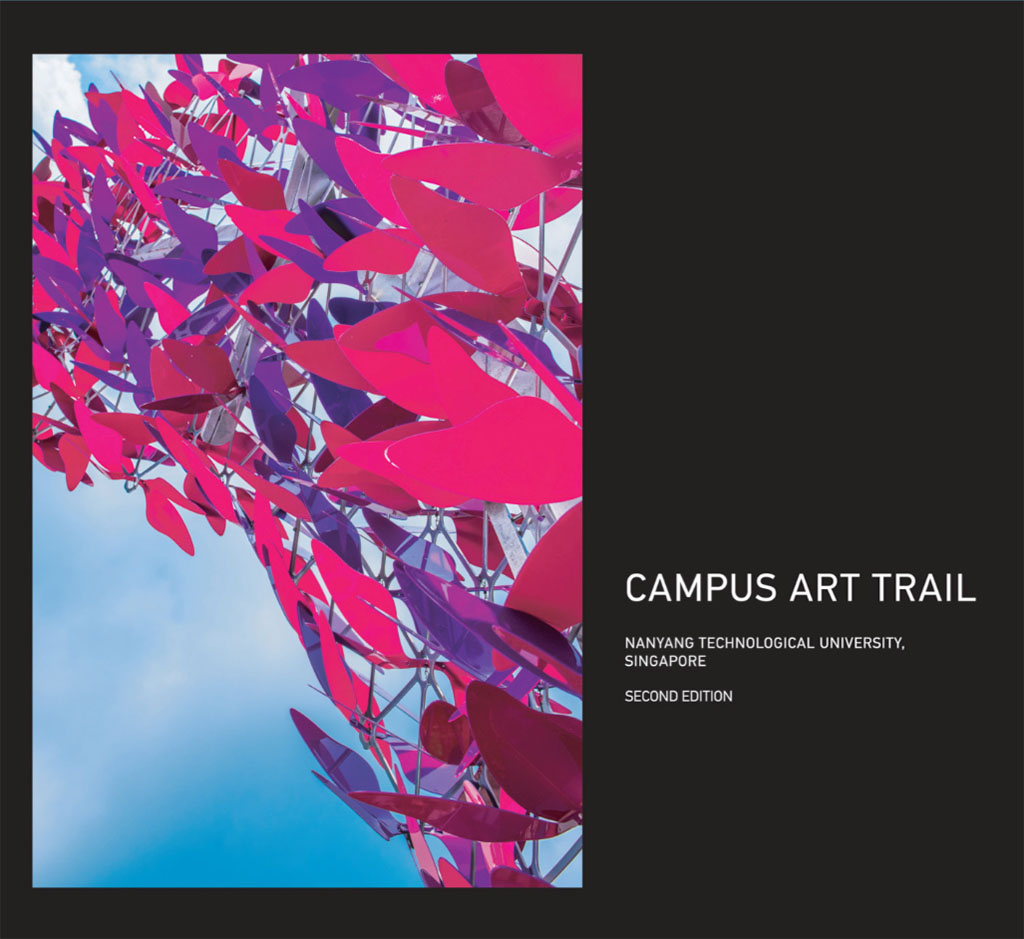
2nd Edition (2019)
Read here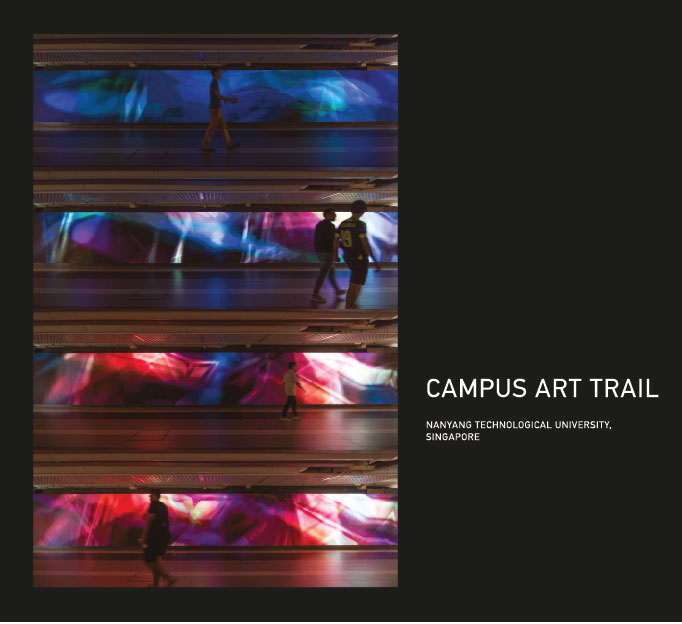
1st Edition (2018)
Read here