
The juice machine showdown: Which campus squeeze wins?
Juice machines are popping up all over campus – just in time to beat the heat as warmer days roll in. With apple, orange and sugarcane all vying for your dollar, which one actually delivers? HEY! student writer Adhip Koshy finds out
by Adhip Koshy
Orange juice – the cult favourite
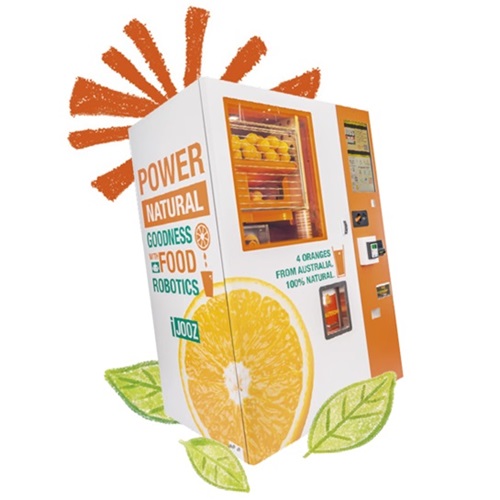
iJooz
🏷️ $2.00
📍 South Spine, SS2, B3 / North Spine (outside Civil & Environmental Engineering lobby) / Art, Design & Media Building, B1 / Singapore Hokkien Huay Kuan Building, L1 / Wee Cho Yaw Plaza, L1 / The Arc, B2, L1 & L2 / UOB Innovation Hub, B5 / CresPion Halls (Blk 17B)
With over 10 machines scattered around NTU, iJooz is a campus fixture for good reason. It’s consistent, affordable and genuinely refreshing. You even get a choice of ice or no ice. Ice makes your juice last longer on a hot day, but going without lets the flavour fully shine.
The cup I had was slightly sweet with a bright acidic kick that cuts through afternoon fatigue. With four oranges squeezed per cup, you can practically taste the effort. At $2, it’s the best value of the three and the easiest yes.
Apple juice that feels like a treat
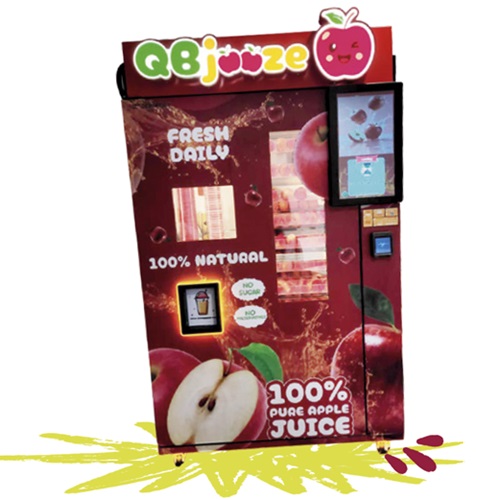
QBjooze
🏷️ $2.50
📍 The Arc, B2 & L1
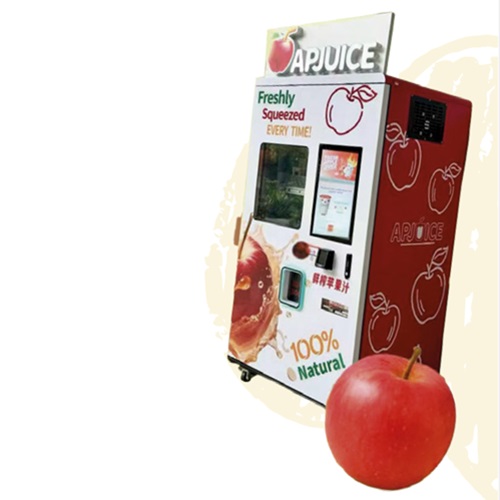
AP Juice
🏷️ $2.80
📍 Wee Cho Yaw Plaza, L1
Not as established as freshly squeezed orange juice, and not as novel as sugarcane. But the apple juices – from two different brands – still impress. I was drawn by QBjooze’s fun, eye-catching packaging, and the juice itself turned out to be a sensory experience. The heady aroma hits even before the first sip, followed by an intense apple flavour that’s rich and sweet. QBjooze is thicker, while AP Juice has a slightly sweeter finish. Juices from both machines are pricier than the rest, but if you’re after something bold and fragrant that feels like a proper treat, apple is a strong pick.
Liquid sugarcane that hits on the first sip

Supercane
🏷️ $2.40
📍 North Spine (outside Civil & Environmental Engineering lobby) / South Spine, B3
The newest addition to NTU’s juice machine scene arrived last December, and it’s arguably the most theatrical of the lot. Watching the machine crush whole sugarcane stalks in real time is genuinely satisfying, and half the fun is just standing there. The juice itself is extremely sweet, so it’s best sipped slowly. Drink it too quickly and your stomach will let you know. It’s also the most Southeast Asian of the three, stirring up childhood memories. Somehow, gulps of it hit differently between lectures. At $2.40, it’s a fun occasional indulgence, as long as you don’t chug it.
The truth about your daily juice habitSwapping bubble tea for fresh juice sounds like a “good” choice, but how healthy is it really? I asked Asst Prof Kazuyuki Kasahara, who specialises in metabolic health and gut microbiome research at NTU’s medical school. So... is fresh juice actually healthy? Juice vs whole fruit: What's better? Do these machines keep the nutrients? Heathiest pick? The bottom line |

HEY! STUDENT WRITER
Engineering management masters student Adhip has a habit of turning everyday campus finds into full-blown evaluations. Blame it on curiosity, or just overthinking.
This story was published in the Mar-Apr 2026 issue of HEY!. To read it and other stories from this issue in print, click here.