AI analysis identifies over 20,000 protein interactions in malaria parasites
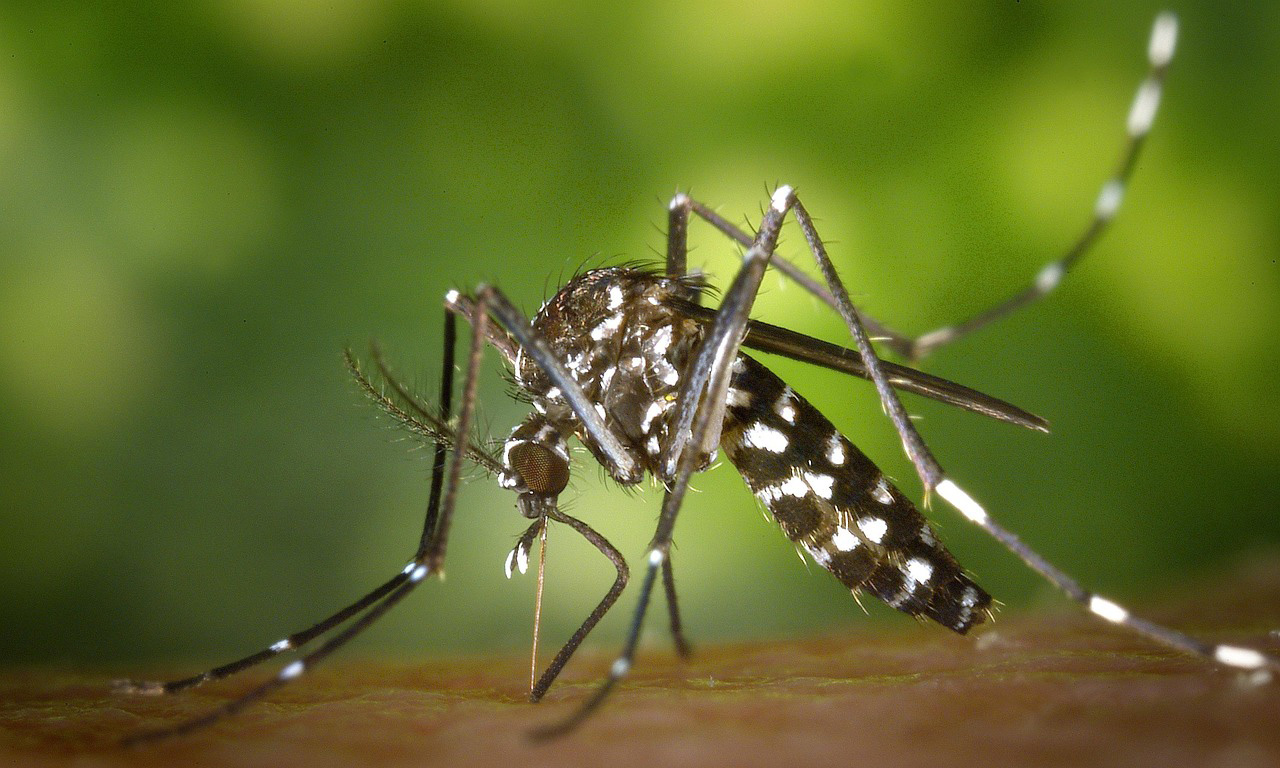 An international research team led by scientists from Nanyang Technological University, Singapore and the Centre for Structural Systems Biology and Bernhard-Nocht Institute for Tropical Medicine in Germany has revealed fresh insights into protein interactions that govern the biology of the malaria parasite.
Published in Nature Microbiology, the findings could pave the way for more effective treatments of drug-resistant malaria.
First, the researchers examined the stability of the proteins when heated. When exposed to heat, proteins that interact with one another are destroyed in a similar manner.
They then used AI to predict which proteins interacted with one another based on the data.
Using the method, the team uncovered more than 20,000 interactions across the malaria parasite lifecycle in human blood.
Read more on the NTU Research Hub.