Training future doctors and researchers to put patients at the heart of medical research
The medical school is at the forefront of integrating the involvement of patients and the wider public into education and research.
To make health research more relevant to the communities it serves, Nanyang Technological University, Singapore’s Lee Kong Chian School of Medicine (NTU LKCMedicine) will train its medical undergraduates and PhD candidates to involve patients, caregivers and members of the public as active partners in their research.
This ensures that research design and implementation incorporate the perspectives and lived experience of patients, caregivers and the wider community.
To drive this shift, LKCMedicine is introducing dedicated workshops on this approach, called Patient and Public Involvement (PPI), to enhance its Bachelor of Medicine and Bachelor of Surgery (MBBS) and PhD by Research curricula.
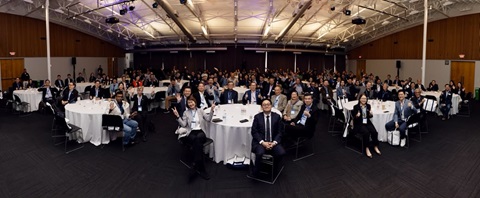
This new curriculum enhancement was announced today at the 3rd Patient Voices Symposium organised by NTU LKCMedicine.
Students will learn how to work with patient partners across the research cycle, ensuring that research questions, study designs and outcomes reflect what matters to patients.
As global and local healthcare shifts towards patient-centred, value-based care, it is increasingly important to involve patients and the public in health research.
LKCMedicine’s curriculum enhancement directly addresses this national and global shift, ensuring scientific inquiry remains responsive to real-world community needs.
Professor Joseph Sung, NTU Senior Vice President (Health & Life Sciences) and Dean of LKCMedicine, said: “At LKCMedicine, we believe that the future of healthcare and research must be built with patients, not just for patients. Introducing Patient and Public Involvement into our curricula is an important step towards equipping future healthcare professionals and researchers with the mindset and skills to engage meaningfully with patients and the public. By bringing together scientific expertise and lived experience, we can develop more relevant research, better healthcare solutions and ultimately stronger outcomes for society.”
Equipping future clinicians and researchers with inclusive skills
The enhanced curricula will be introduced to medical undergraduates in August 2027. It was first rolled out to PhD students in September 2026.
For undergraduates, the training is embedded as a compulsory workshop in Year 2 under the Research and Scientific Enquiry Vertical Theme.
For PhD candidates, a dedicated workshop is offered as an elective module under the Professional Skills for Researchers course.
A multidisciplinary team of academics, experienced PPI practitioners and patient partners will teach students.
Through structured case studies and interactive discussions, learners will explore how to involve patients and the public inclusively, which means reaching out to people from diverse backgrounds, respecting their cultural beliefs, values and preferences and creating a safe, welcoming environment where everyone feels comfortable sharing their views.
They will also learn how to navigate ethical considerations and work effectively with patient partners throughout study design and implementation.
Associate Professor Faith Chia Li-Ann, Vice-Dean (Education) at LKCMedicine, said: “Medicine and research are most effective when they are shaped not only by scientific expertise, but also by the lived experiences of patients and the communities we serve. This is why we are equipping future doctors, researchers and scientists with the skills to partner meaningfully with patients from the outset. This helps ensure that research is more relevant, inclusive and grounded in real-world needs, ultimately leading to better outcomes for those who matter most: our patients.”
Extending learning beyond the classroom with OPEN Growth
To help students turn what they learn in class into real-world practice, LKCMedicine’s Office of Patient Engagement (OPEN) has introduced OPEN Growth, a four-step pathway for medical and PhD students and early career researchers who want to include PPI in their research projects:
Step 1: PPI in Action Workshop. A half-day advance workshop that helps students who plan to involve patients and the public in their research do so with confidence.
Step 2: PPI Immersion. Participants attend two PPI meetings over six months, engaging first-hand with patient partners.
Step 3: Mentorship. Students who complete Steps 1 and 2 can apply for mentorship from OPEN on involving patients and the public in their research projects.
Step 4: Funding Support. Students who complete Steps 1 and 2 can also apply for funding towards PPI expenses, such as transport reimbursement and tokens of appreciation for patient partners.
Since 2024, LKCMedicine has been actively driving PPI capability development across Singapore and the region through platforms such as OPEN Voices (a patient partner network), the OPEN Conversation seminar series and its annual Patient Voices Symposium.
LKCMedicine also co-leads the development of the National Guidance Document for PPI in Health Research in collaboration with the Singapore Clinical Research Institute (SCRI) and multi-sector healthcare stakeholders, providing guidance to incorporate patient partnership in health research and innovation.