
MAP-Xing malaria protein complexes
Uncovering previously unknown interactions between proteins in the malaria parasite may pave the way for novel treatments of the disease.
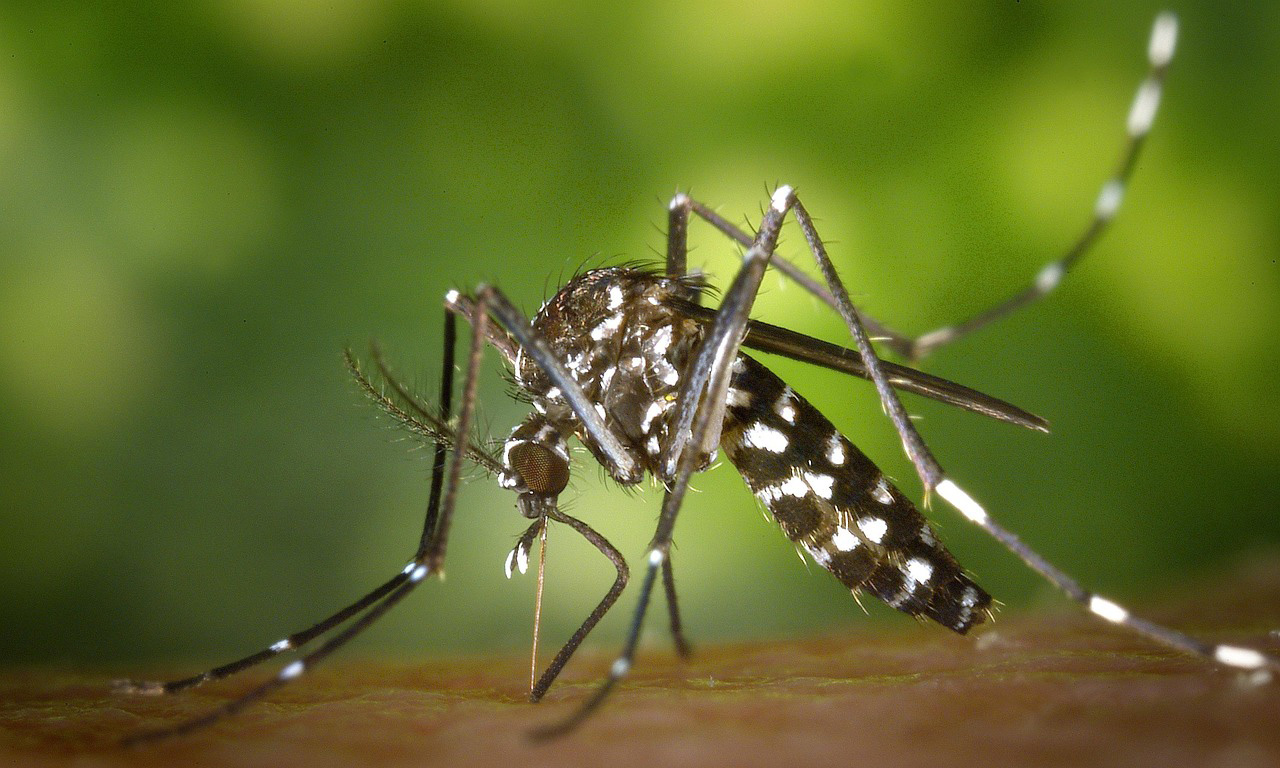
An international research team headed by scientists from Nanyang Technological University, Singapore and the Centre for Structural Systems Biology and Bernhard-Nocht Institute for Tropical Medicine in Germany has revealed fresh insights into the dynamic network of protein interactions that govern the biology of the malaria parasite.
Published in Nature Microbiology in November, the findings could pave the way for novel treatments of malaria.
Uncovering unknown protein interactions
Malaria remains a major global health burden, with over half a million people dying from the disease every year. The rise of malaria parasites that are resistant to anti-malarial drugs also threatens the control of the disease.
The deadliest form of malaria is caused by the Plasmodium falciparum parasite. P. falciparum produces over 5,200 distinct proteins, and interactions between these proteins at various stages of its life cycle contribute to the parasite’s ability to cause disease.
However, the functions and molecular interactions of almost half of P. falciparum’s proteins are currently not known.
To study which proteins in the malaria parasite interact with one another, the team developed a novel approach that integrates artificial intelligence (AI), called meltome-assisted profiling of protein complexes (MAP-X).
First, the researchers applied a method known as thermal proteome profiling (TPP) to examine the stability of the proteins when heated. When exposed to heat, proteins that interact with one another are destroyed in a similar manner.
The research team then used AI to predict which proteins interacted with one another based on the TPP data. This new approach, called meltome-assisted profiling of protein complexes (MAP-X), allows thousands of proteins to be compared and monitored.
Using MAP-X, the team discovered more than 20,000 interactions across seven timepoints in the P. falciparum life cycle in human blood.
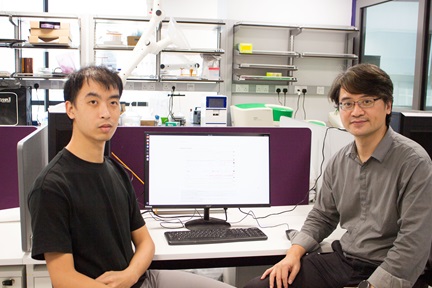
“With MAP-X, the team not only confirmed the existence of known protein complexes but also discovered blueprints for novel parasite specific protein complexes and biochemical pathways,” notes lead researcher Prof Zbynek Bozdech of NTU’s School of Biological Sciences (SBS), the paper’s corresponding author.
“By characterising protein complexes in malaria parasites, we can identify new targets for treating drug-resistant malaria,” explains Dr Samuel Pazicky, research fellow at NTU’s SBS and first author of the study.
“With its ability to identify previously undescribed interactions as well as reveal stage-specific dynamics, MAP-X is powerful resource for deciphering the dynamic interactions and fundamental biological processes of the malaria parasite,” explains Prof Tim Gilberger, Group Leader at the Centre for Structural Biology, who co-led the study.
In the future, the team intends to use MAP-X to investigate how the protein complexes are affected by anti-malarial drugs.
Read more in "MAP-X reveals distinct protein complex dynamics across Plasmodium falciparum blood stages", Nature Microbiology (2025), DOI: 10.1038/s41564-025-02173-7.
.tmb-listing.jpg?sfvrsn=95c9fb05_2)
.tmb-listing.jpg?sfvrsn=a9c05adf_2)