Scientists reveal how cells repair toxic DNA damage linked to cancer and premature ageing
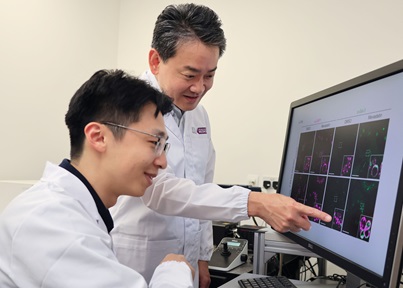
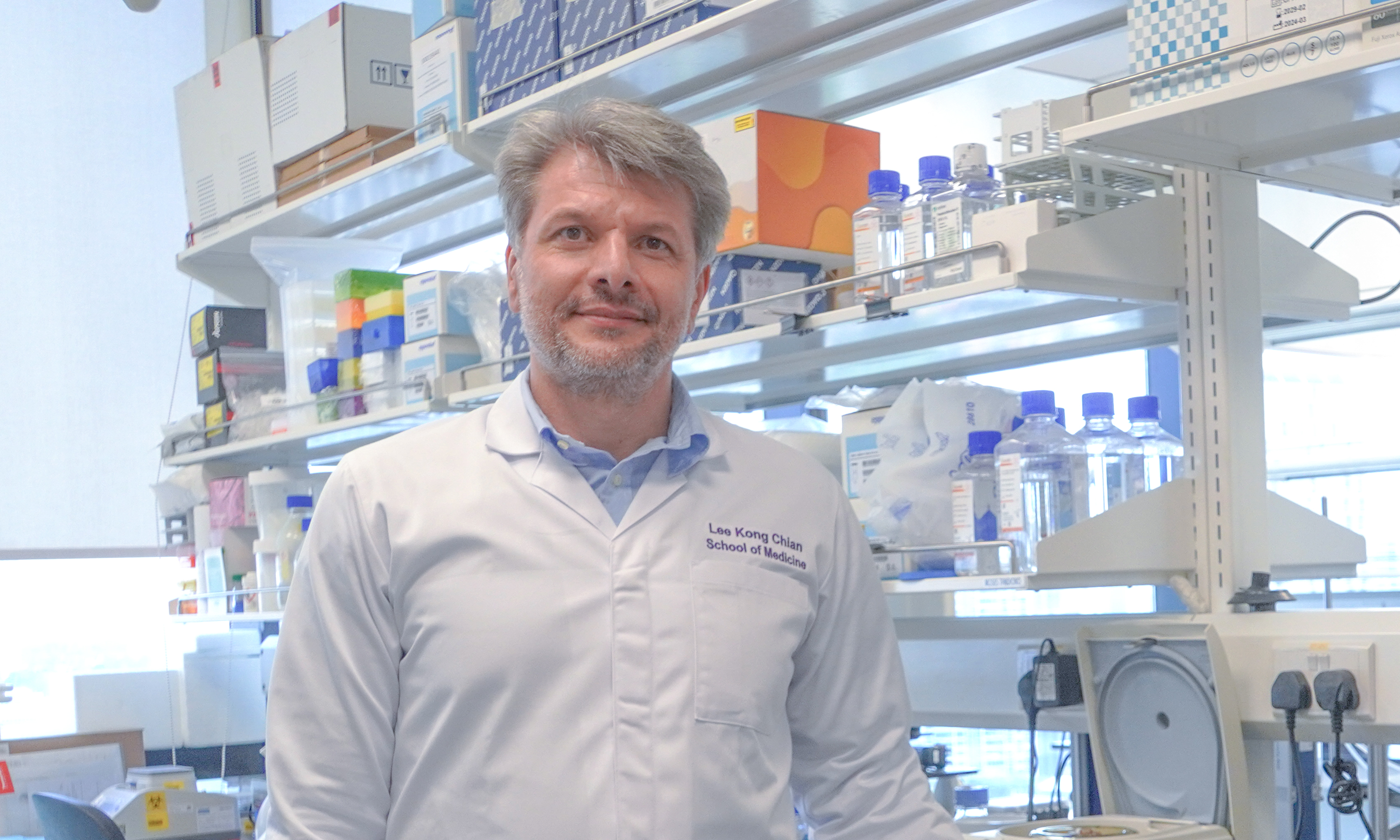 Image: Professor Kristijan Ramadan from NTU Singapore's Lee Kong Chian School of Medicine.
Chemotherapy, UV exposure and formaldehyde – a carcinogen commonly found in home furniture – can cause a toxic type of DNA damage responsible for cancer, neurodegeneration and premature ageing.
Now, researchers from the University of Oxford and NTU Singapore have uncovered how our cells identify and repair such lesions, which has important implications for improving cancer therapy and healthy ageing.
The team, led by Professor Kristijan Ramadan from NTU Singapore’s Lee Kong Chian School of Medicine, found that a repair enzyme in the body can identify and target special tags found in the DNA lesions, and quickly clear the damage. The enzyme also does this without accidentally harming other proteins necessary for cells to function properly.