Waterbending, lab-grown lungs and bags made from beer
How NTU’s homegrown technologies are reshaping our future
by Lester Kok / Illustrations and animation by Vivian Lim
Real-life waterbending
The big idea: Where there’s water, there are waves. But what if we could bend those waves to our will and use them to move things? That’s exactly what a team of scientists has done. With a mix of physics and wave wizardry, they figured out how to control floating objects just by shaping water waves.
What's unique: The team used sound to generate waves in a water tank and combined them to form complex patterns – from twisting loops to swirling vortices, like mini whirlpools. These patterns can precisely control and steer objects such as ping pong balls, hold them in place like invisible tweezers, or make them move in circular or spiral paths.
Benefits: Just like the Waterbenders in Avatar: The Last Airbender, scientists can now manipulate water. This tech could be used to move tiny particles or sort cells in a lab, and even scaled up to steer boats without engines, helping to prevent collisions with sea walls. There’s even potential to harness the same wave patterns to contain and clean up oil spills and other pollutants, quite literally opening up a whole new wave of possibilities.
Brewing up second chances
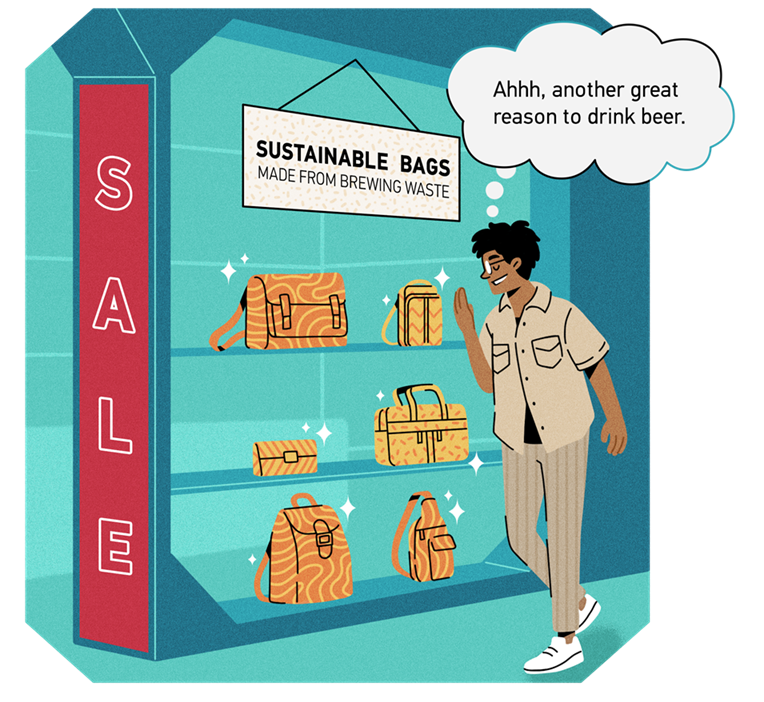
The big idea: When we think of beer, we probably picture a cold mug in hand, not piles of soggy grain. But behind every brew is a massive amount of food waste called brewers’ spent grain. Now, NTU scientists are giving it a second life by upcycling the waste grain into useful materials to make things like vegan milk and even vegan leather.
What's unique: Brewers’ spent grain is packed with proteins, antioxidants and nutrients. A team of food scientists from NTU Singapore, funded by Heineken Asia, found a new way to use precision fermentation and microwave heating to extract over 80 per cent of the grain’s available protein – the highest yield ever recorded. This extracted protein is rich in nutrients and fatty acids, making it perfect for use in plant-based food products, such as alternative meats.
Benefits: Beer brewing waste could be a goldmine of sustainable solutions. Beyond being a food source, it can also be used to make cosmetics, bioplastics and even vegan leather grown from fungi. These efforts could help reduce the amount of waste sent to our landfills, lower carbon emissions and support the circular economy.
The lung and short of it
The big idea: What if we could study lung diseases without real human lungs? A team of NTU researchers is making that possible by growing mini, human-like lungs in the lab – opening the door to testing treatments for some of the toughest respiratory conditions.
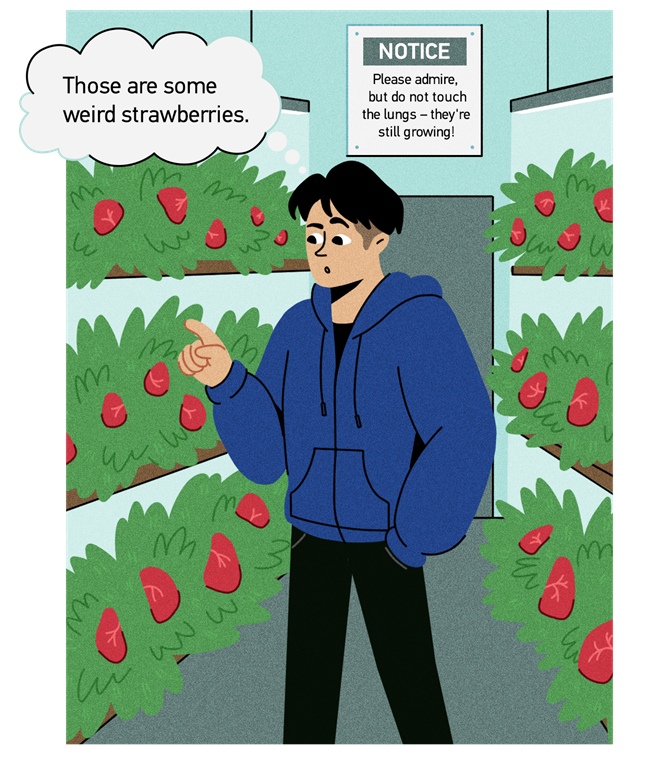
What's unique: Led by NTU and the Agency for Science, Technology & Research, the team is using cutting-edge stem cell techniques to develop “lung organoids” grown from real lung tissue samples. These organoids are tiny 3D structures that mimic how real human lungs grow and function, from the airways to the air sacs. Unlike cell cultures grown in petri dishes, these organoids develop in layers and respond to disease much like actual lungs.
Benefits: These mini lungs could become a powerful tool in the fight against asthma, chronic obstructive pulmonary disease, lung cancer and more. Doctors can use them to test how lungs respond to treatments, paving the way for personalised medicine. This approach also reduces the need for animal testing and could make drug development faster, safer and more accurate. In short, it’s a breakthrough that will transform how we study, treat and understand lung diseases.
This story was published in the Mar-Apr 2025 issue of HEY!. To read it and other stories from this issue in print, click here.