
Keynotes & Invited Talks
Our ELL faculty are often invited to share their work within Singapore, regionally and internationally. Some recent keynotes and invited talks are featured in this section.
 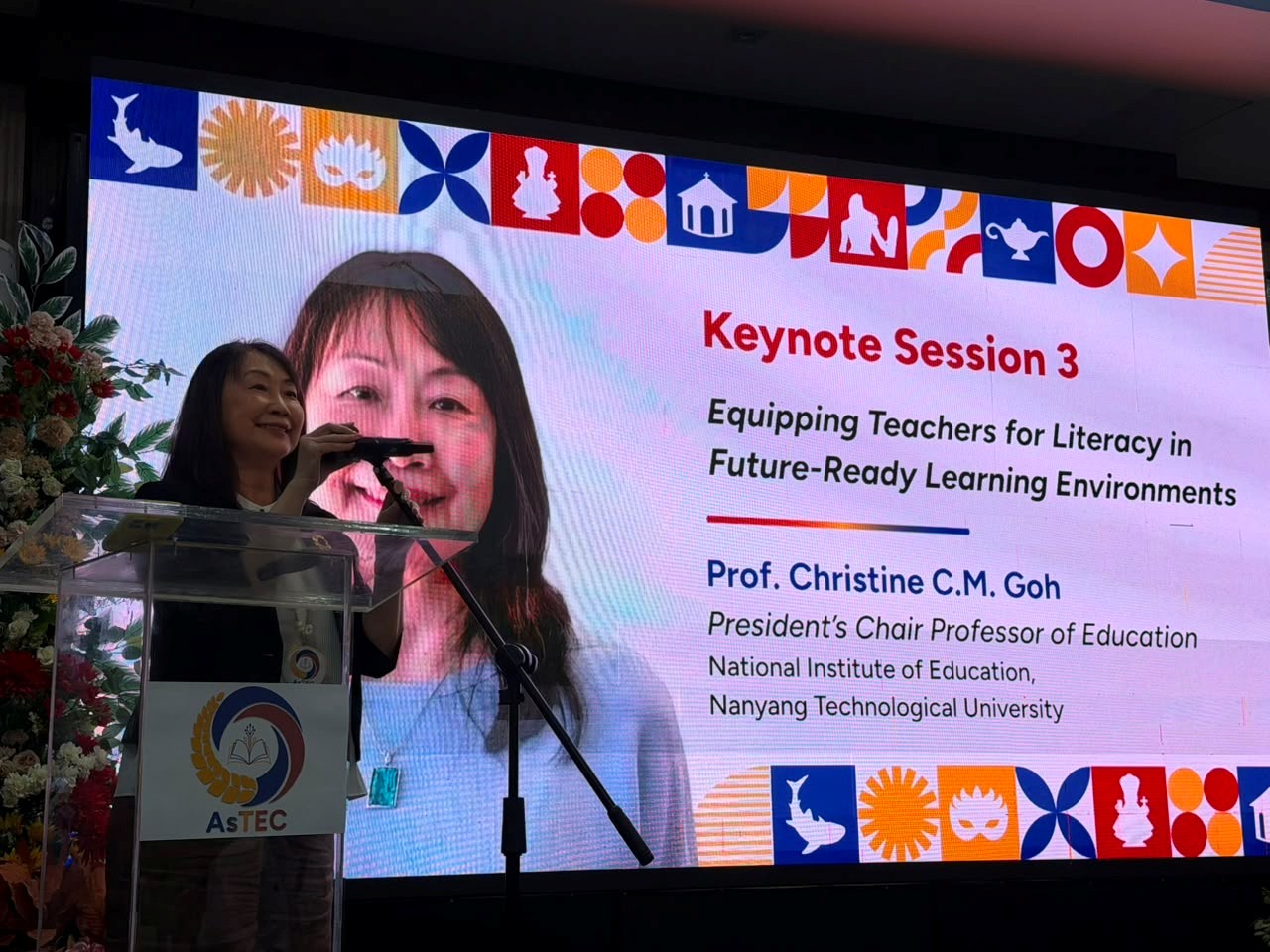 | At the ASEAN Teacher Education Conference (AsTEC) 2026, The Philippines, held on 2nd and 3rd July, Prof. Christine Goh delivered a keynote titled: Equipping Teachers for Literacy in Future-Ready Learning Environments In this keynote, she explained what learning environments constitute and call on systems in ASEAN to expand our notions of education for the future and more specifically, embrace an expanded notion of literacy for present and future learning environments. She offered suggestions for strengthening teachers’ and students’ literacies in ways that are culturally grounded and globally relevant. |
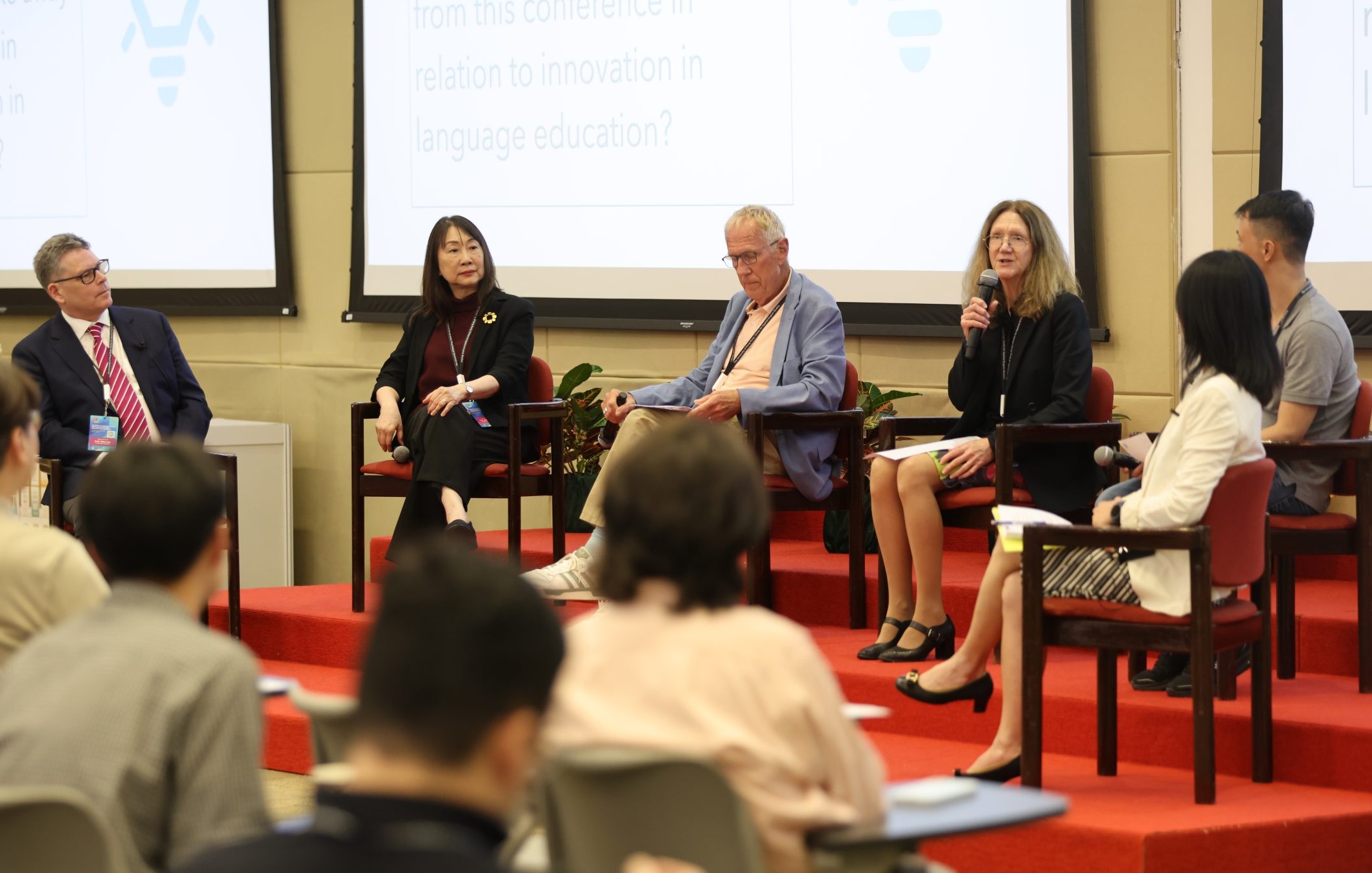 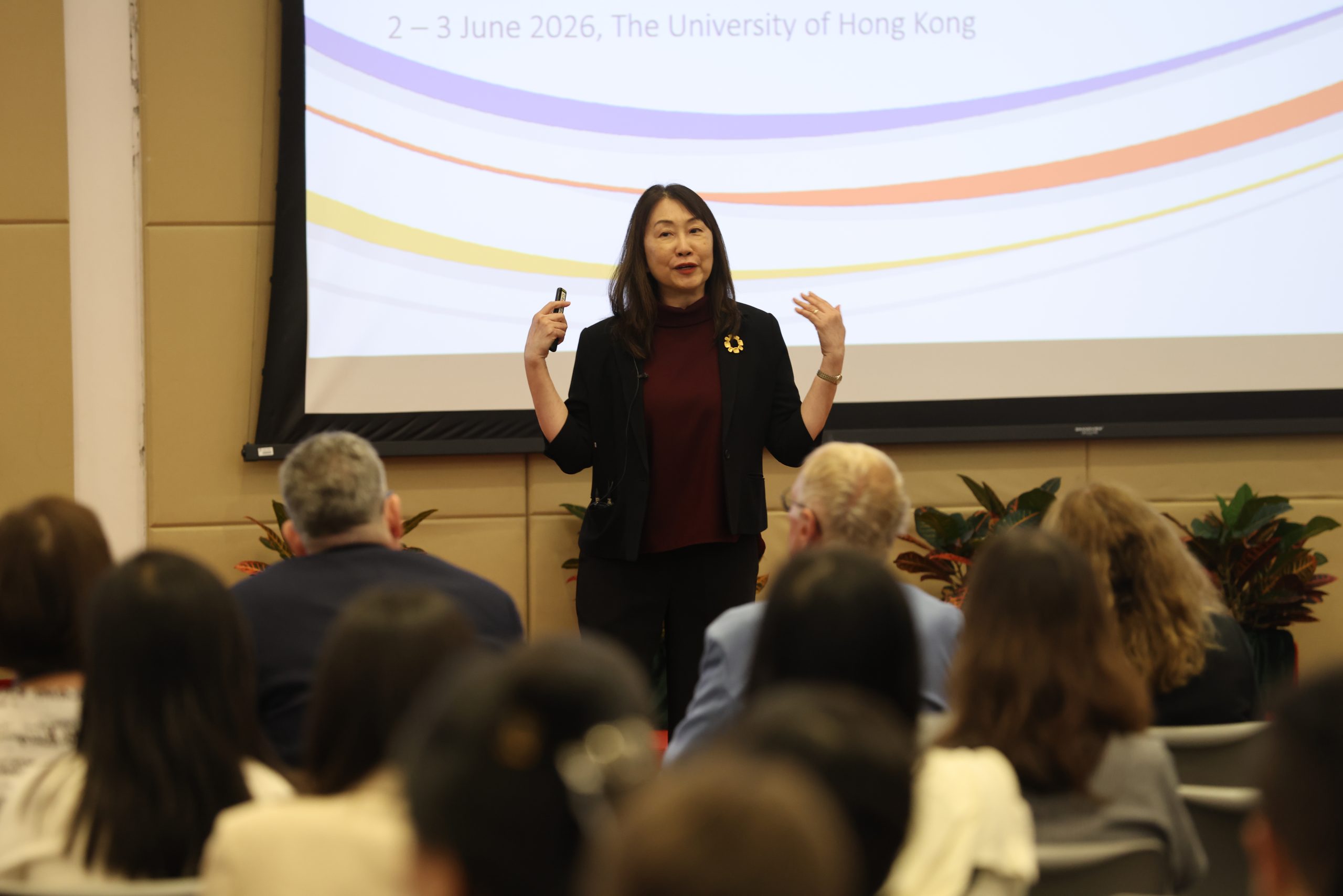 | Prof. Christine Goh was a keynote speaker at CAES Conference 2026, Hong Kong on 2nd and 3rd June https://caes.hku.hk/conference2026/ Her keynote, 'Beyond Effective Oral Communication: Oracy Development for Academic Participation and Flourishing in Higher Education' examined the teaching of academic listening and speaking in higher education through the conceptual lens of oracy (Wilkins 1965, Mercer 2025). She explained academic oracy as a means to act in the academic world, understand it and influence it by sharing ideas, examining thinking and enacting collaboration, and suggested classroom activities and research directions for dialogic interactions, metacognitive instruction and feedback.
|
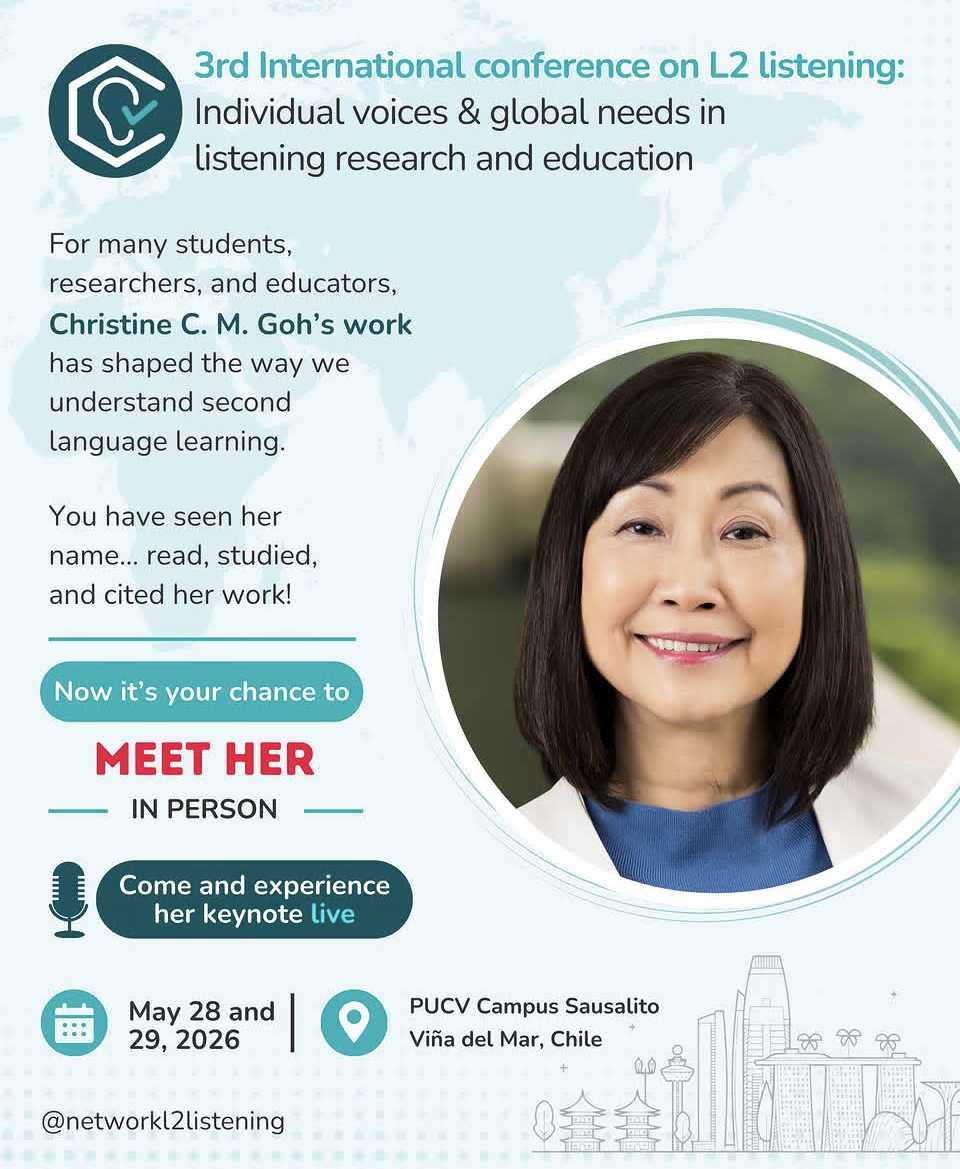 | Prof. Christine Goh was a keynote speaker at the 3rd International Conference on L2 Listening held at Viña del Mar, Chile on 28th and 29th May 2026. In this keynote, entitled, 'Adopting a Systems Model of L2 Listening to Address Learners’ Needs and Metacognitive Task Design' Prof. Christine Goh explained a systems model of L2 listening with interdependent components of factors, processes and outcomes that influence learner listening and listening development (Goh & Vandergrift, 2022). It foregrounds the role of learner metacognition and other cognitive and affective considerations for designing listening tasks for better performance, motivation and self-efficacy. |
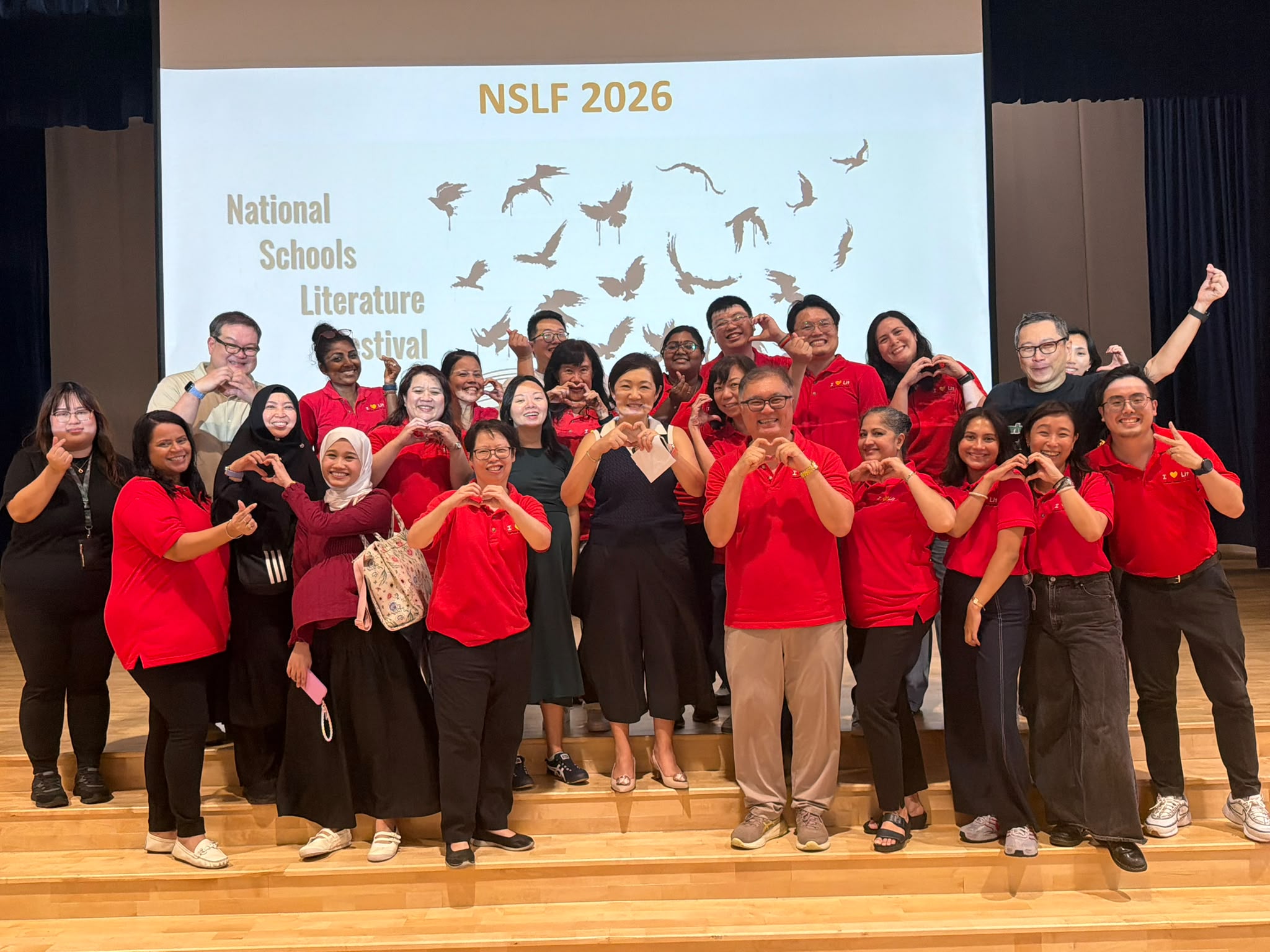 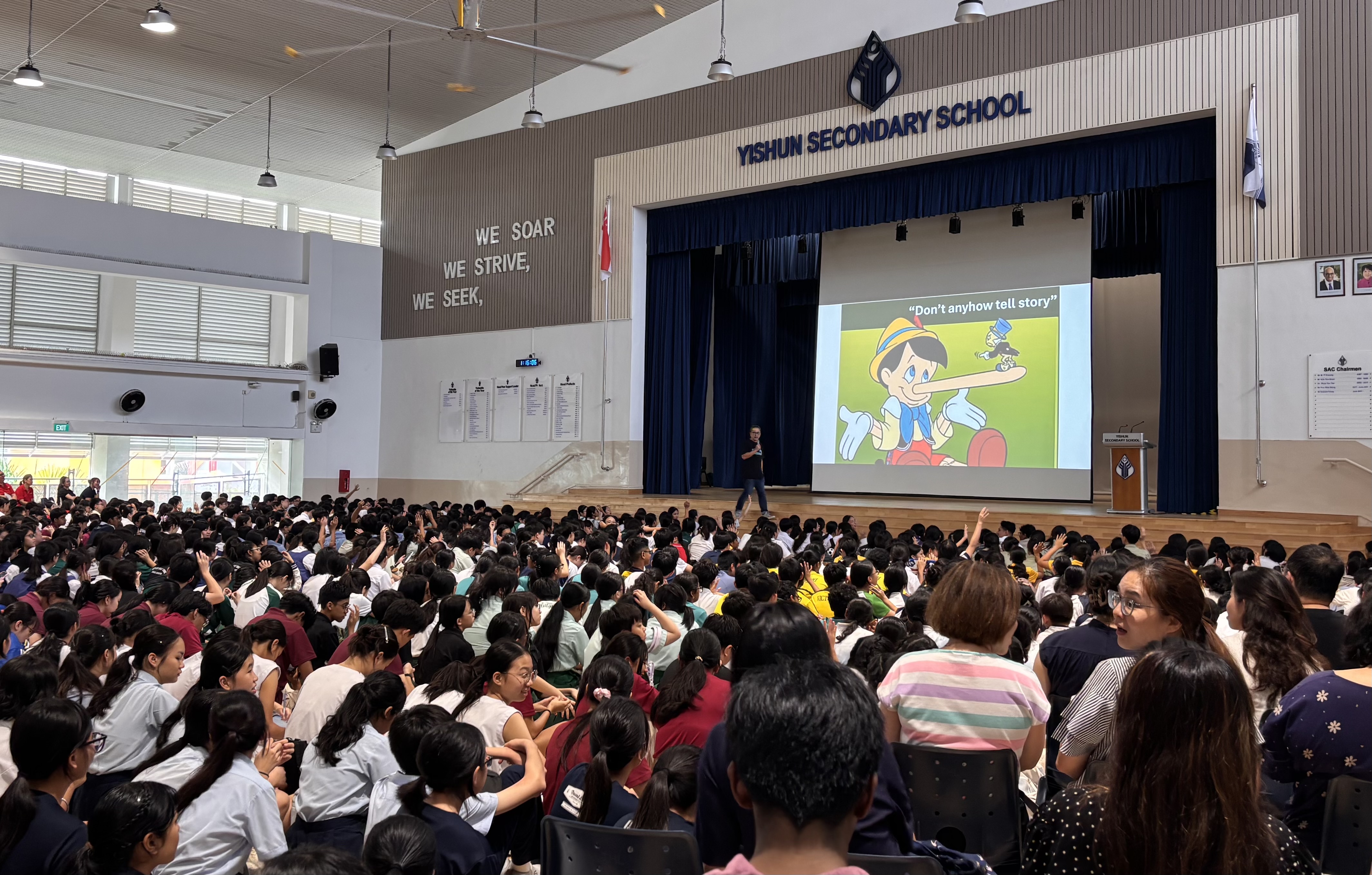 | The National Schools Literature Festival was held in person at Yishun Secondary School on 24th July 2026. This is the 21st year of the festival and it is the largest youth literary festival in Singapore. This year, students and teachers from over 100 secondary schools participated in the festival. A/P Suzanne Choo was a co-chairperson of the festival. Dr Dennis Yeo was one of the keynote speakers. Ast/P Ann Ang and Dr Ken Mizusawa were invited guest judges for the finals of the poetry and drama competitions. |
 | Lee, I. (2026, June). Improving writing or improving learning: Rethinking language teachers’ role in the AI era. 30th Global Chinese Conference on Computers in Education, The Chinese University of Hong Kong, Hong Kong. Prof. Icy Lee delivered a keynote presentation on “Improving writing or improving learning: Rethinking language teachers’ role in the AI era” at the 30th Global Chinese Conference on Computers in Education at the Chinese University of Hong Kong from 30 May to 3 June 2026. In her talk, she discussed the multifaceted roles teachers play in promoting student learning and called for L2 education and teacher education to be re-envisioned in ways that prioritize students’ active role in taking charge of their own learning in the age of AI. |
 | Dr Christine Xavier was an invited speaker at the 2026 CJC–NJC English Language & Literature Symposium, At Sixes and Sevens with Gen Z Slang: From Shakespearean Genius to the 21st Century Brainrot on 24 April 2026. She delivered the talk, "At Sixes and Sevens? Chaos, |
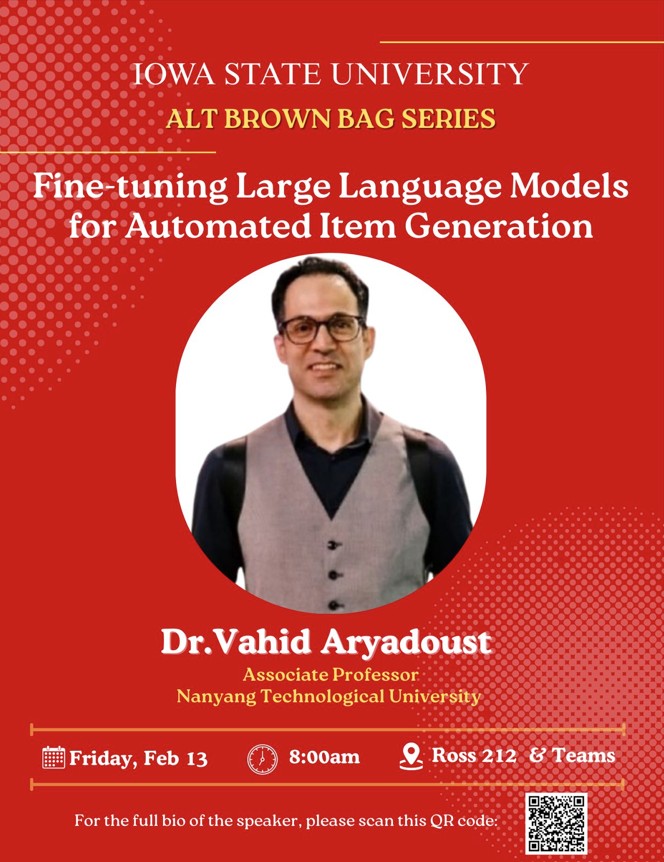 | Vahid Aryadoust, ELL, was invited to speak at the Iowa State University, Applied Linguistics Program Brown Bag Series (Spring 2026) on February 13. His talk, Fine-Tuning Large Language Models for Automated Item Generation, examined systematic uses of generative AI in language test development, with a focus on listening assessment. He situated the discussion within core principles of construct representation and task design, and compared prompting with fine-tuning approaches to automated item generation. The session fostered discussion on responsible, theory-driven uses of generative AI in language assessment. |
 | Associate Professor Loh Chin Ee was keynote speaker at the School Library Association of Victoria Annual Conference in Melbourne, Australia on 21 November 2025. Her talk, titled, School Library Transformation for Engaged Reading, focused on how school libraries can support engaged reading. |
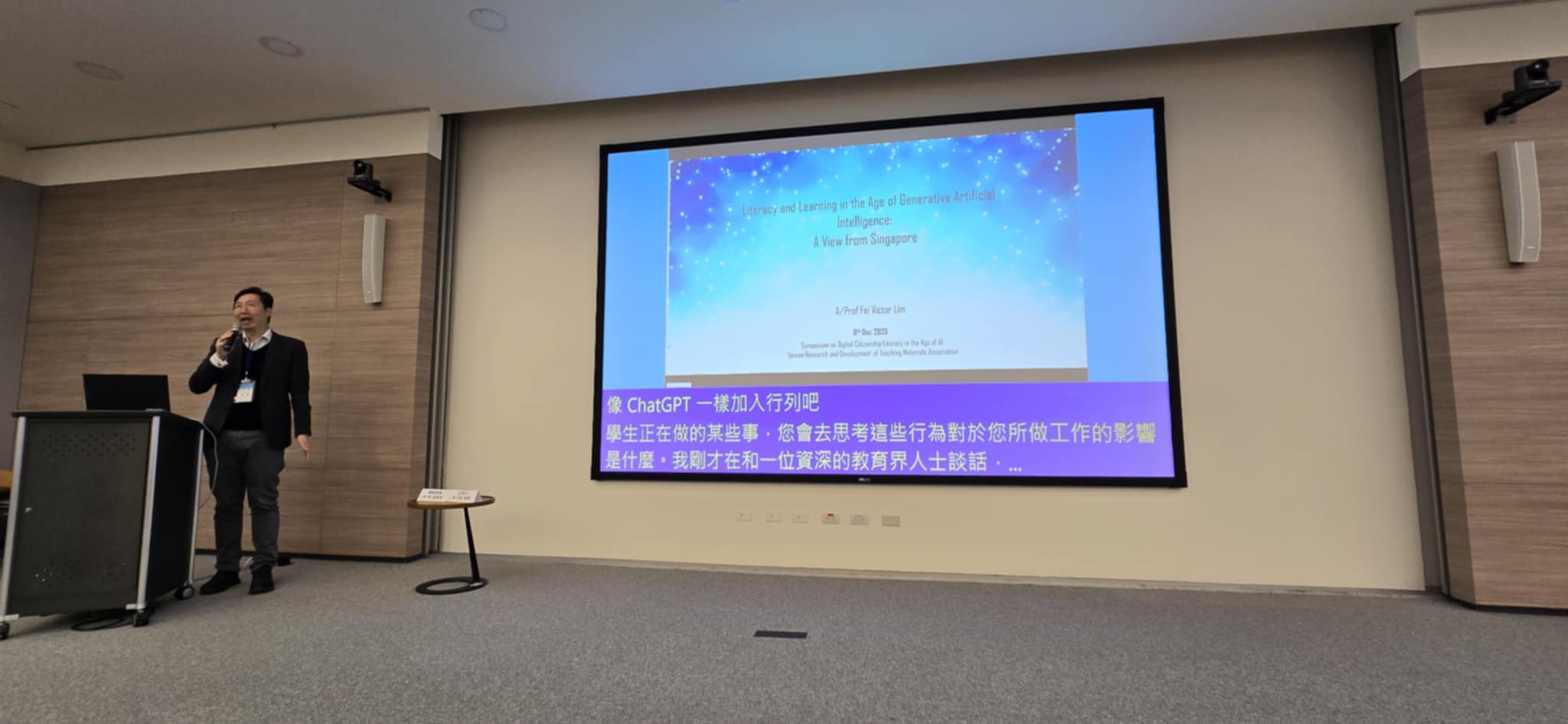 | Invited Keynote Speaker on Literacy and Learning in the Age of Generative Artificial Intelligence, Symposium on Digital Citizenship Literacy in the Age of AI. Taiwan Association for Textbook Research and Development, Taipei, Taiwan, on 6th Dec. In this talk, A/P Victor Lim Fei discusses what it means to be literate in an age where texts are increasingly made by machines as well as how pedagogy and assessment should adapt when students have ubiquitous access to such powerful text-generation tools. |
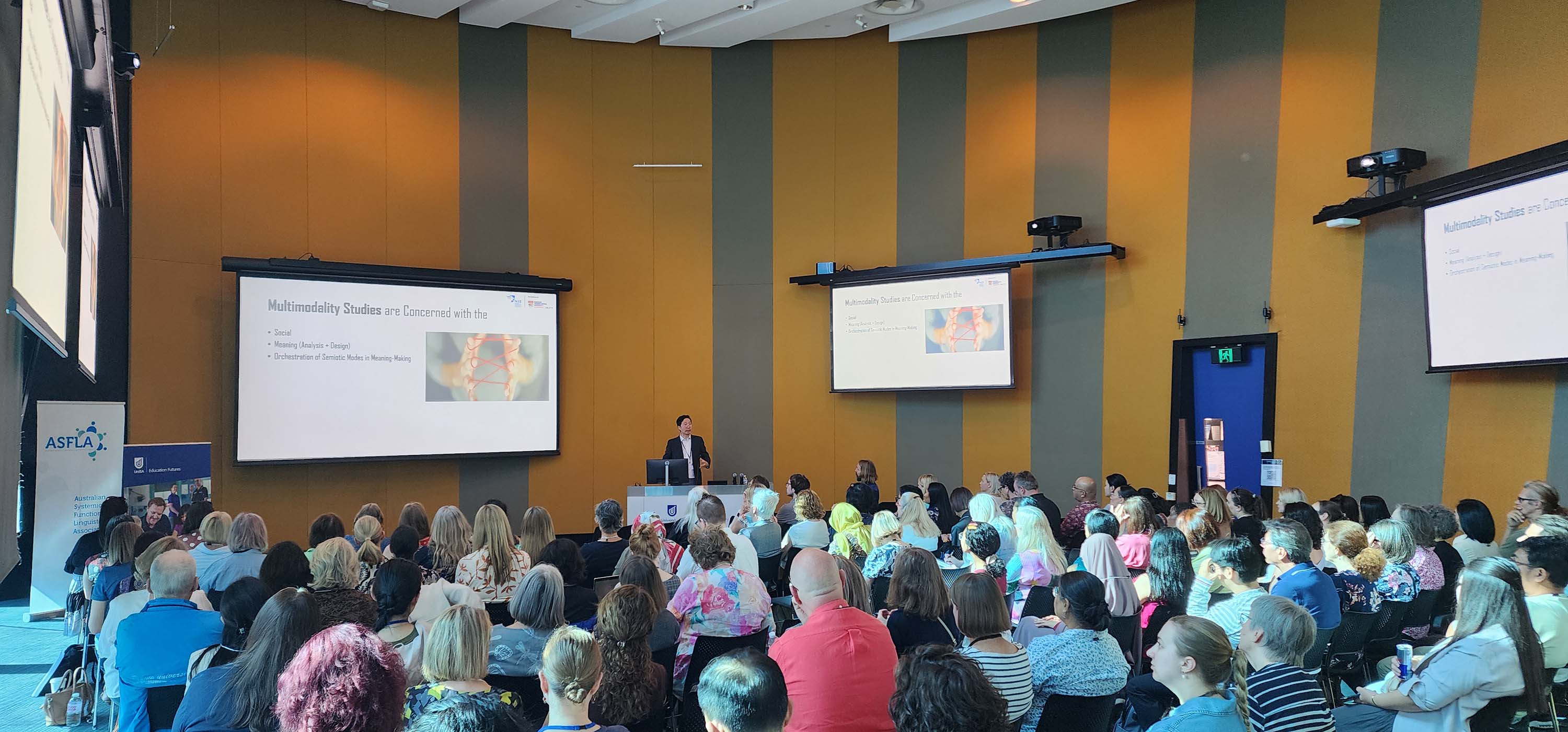 | Invited Keynote Speaker on Influences of Systemic Functional Theory on Multimodal Literacy and Embodied Teaching. Australian Systemic Functional Linguistics Association (ASFLA) 2025 Conference. Adelaide, Australia on 4th Dec. In this talk, A/P Victor Lim Fei highlights three areas of his work demonstrating how SFT has offered theoretical insight and informed practical approaches for reimagining literacy pedagogy through the lens of educational semiotics, that is multimodality in educational contexts. |
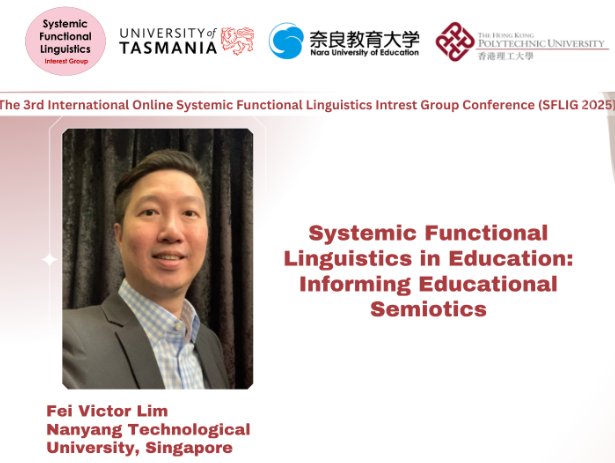 | Invited Keynote Speaker on Systemic Functional Linguistics in Education: Informing Educational Semiotics. Systemic Functional Linguistics Interest Group (SFLIG) Conference 2025, University of Tasmania, Australia on 13th Nov. Drawing on the foundational work of Halliday in viewing language as social semiotic (Halliday, 1978), A/P Victor Lim Fei demonstrates how SFL provides not only a descriptive framework but also a generative theory for supporting the development of multimodal literacy in learners (Lim & Tan-Chia, 2023). |
 | Invited Keynote Speaker on Multimodality and Literacy Learning: Charting Research Frontiers. 6th International Symposium on Language and Communication Research (LCR2025), Prince Sultan University, Saudi Arabia on 9th Nov. In this talk, A/P Victor Lim Fei explores the applications of multimodality in learning by mapping the field through three interconnected dimensions: multimodality for learning, multimodality as learning, and multimodality in learning. |
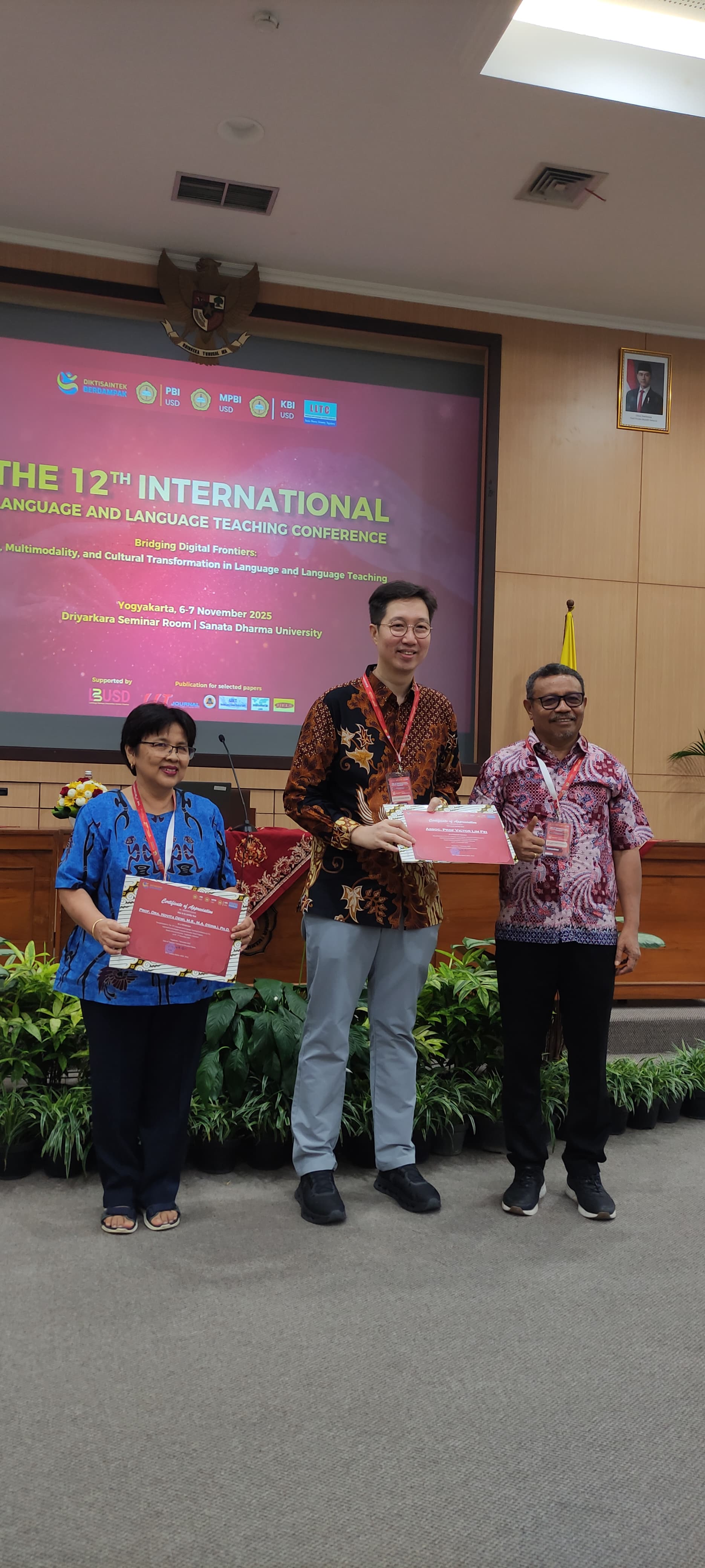
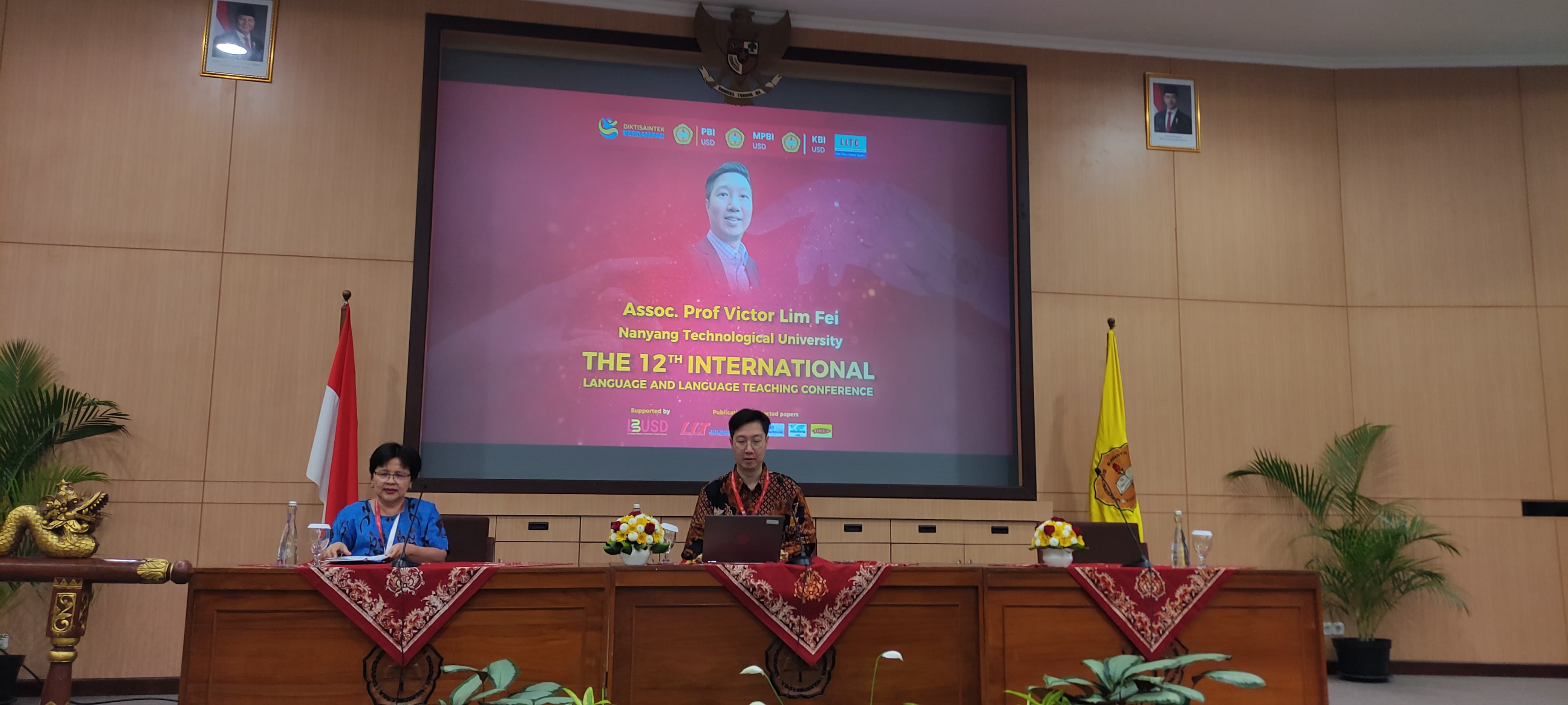 | Invited Keynote Speaker on Designing Literacy Learning with Generative AI and Multimodality [Keynote address] Language and Language Teaching Conference. Sanata Dharma University, Yogyakarta, Indonesia, on 7th Nov. In this keynote A/P Victor Lim Fei argues that literacies in the age of GenAI must be multimodal, reflexive and critical, equipping learners not only with the skills to navigate the affordances of AI but also with the dispositions to question its limitations and biases.
|
.jpg?sfvrsn=8c5e87da_1 "Anitha_MigrationLinguistics_Dec25 (1)") | Invited Plenary Speaker at the 2nd International Conference on Migration Linguistics Dr Anitha Devi Pillai delivered an invited plenary address at the 2nd International Conference on Migration Linguistics, held on 4–5 December 2025. Her talk, titled “Accidental Guardians: Malayalam Theatre & the Unintentional Work of Language Maintenance,” drew on two decades of ethnographic research with the Singapore Malayalee community. She explored how community-led Malayalam theatre has become an unexpected yet vital site for heritage language maintenance, showing how participation, embodiment, and emotion in performance create powerful avenues for sustaining language practices across generations.
|
.png?sfvrsn=db961cd_1 "icy_keynotedec25 (1)") | Prof. Icy Lee delivered a keynote presentation on “AI integration in L2 writing education: An expertise framework” at the Symposium on Second Language Writing in Taipei, Taiwan from 23 to 25 October, 2025. In her talk, she presented a quadruple expertise framework and illustrated its application to AI use in L2 writing education, supported by practical examples. |
 | The ELL Department Shines at MAALIC 2025 Nov 10-12 2025 The ELL Department was proudly and meaningfully represented at the MAAL International Conference (MAALIC 2025), themed “Applied Linguistics for Global Challenges: Sustainability, Inclusion, and Innovation.” Our faculty, colleagues and student contributed actively across keynote, panel, symposium, and paper sessions, reflecting the department’s continued leadership in applied linguistics research, teaching, and innovation. We are also delighted to congratulate Sun Wanning for winning the Best Student Presenter Award at MAALIC 2025. It is a well-deserved recognition of her scholarly promise and outstanding presentation. Key Highlights from the Conference: Keynote Address: “Reframing Second Language Oracy Education in Applied Linguistics” by Prof. Christine Goh, President’s Chair in Education, National Institute of Education, Nanyang Technological University, Singapore Special Featured Panel: “Reframing Writing Pedagogy: Agency, Creativity, and Teacher Preparation” by Dr. Anitha Devi Pillai, Ms. Shreenjit Kaur, and Ms. Bernice Xu (EL teacher, Yusof Ishak Secondary School, Singapore) AILA–ASEAN–ALAA Symposium for Early Career Researchers panelist: Asst. Prof. Dr. Jasper Hong Sim Paper Presentations: • “Inclusion and Exclusion in the Singapore Linguistic Landscape” by Dr Mark Fifer Seilhamer • “Co-Constructing a Positive Affective Language Testing Experience for Young Learners” by Dr Gordon Blaine West • “Metaphors We Innovate: Conceptualizing Creativity and Change in Applied Linguistics” by Sun Wanning (M.Ed., 2023-2025), (EdD, 2026) Our department members’ active participation across these diverse sessions exemplifies our shared commitment to sustainability, inclusion, and innovation in language education and research. |
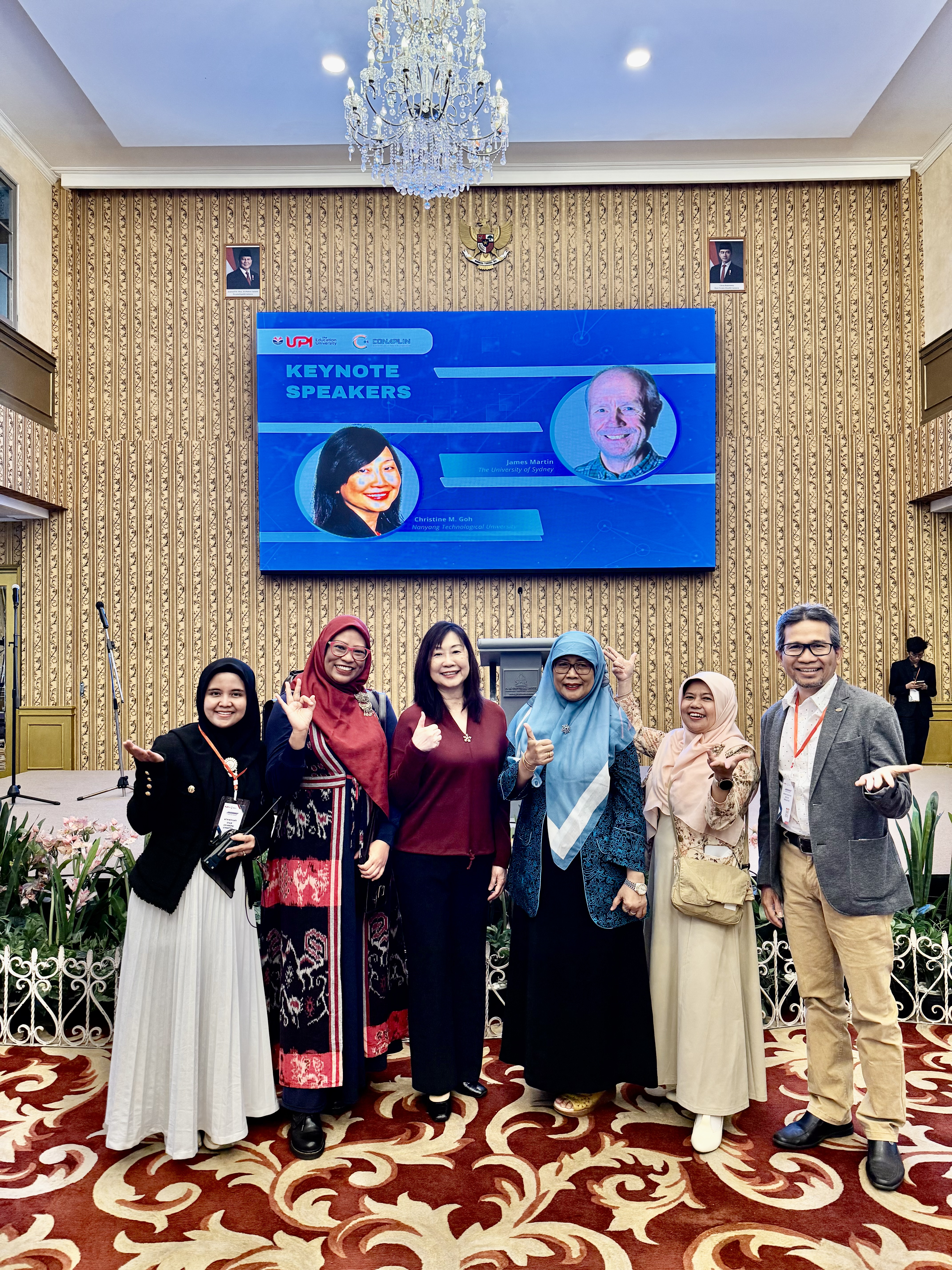 | Professor Christine Goh delivered a keynote address at the 18th CONAPLIN (International Conference on Applied Linguistics Indonesia) International Conference held on 29th and 30th September in Bandung, Indonesia. Entitled “Bilingual language learners’ oracy as competence for flourishing and influencing their world”, Prof Goh argued for the need to understand the construct of oracy as more than just listening and speaking and help language learners develop a new identity as bilingual language learners rather than learners of a foreign or second language. Close to 200 participants came from countries in the region as well as East Asia and Australia. |
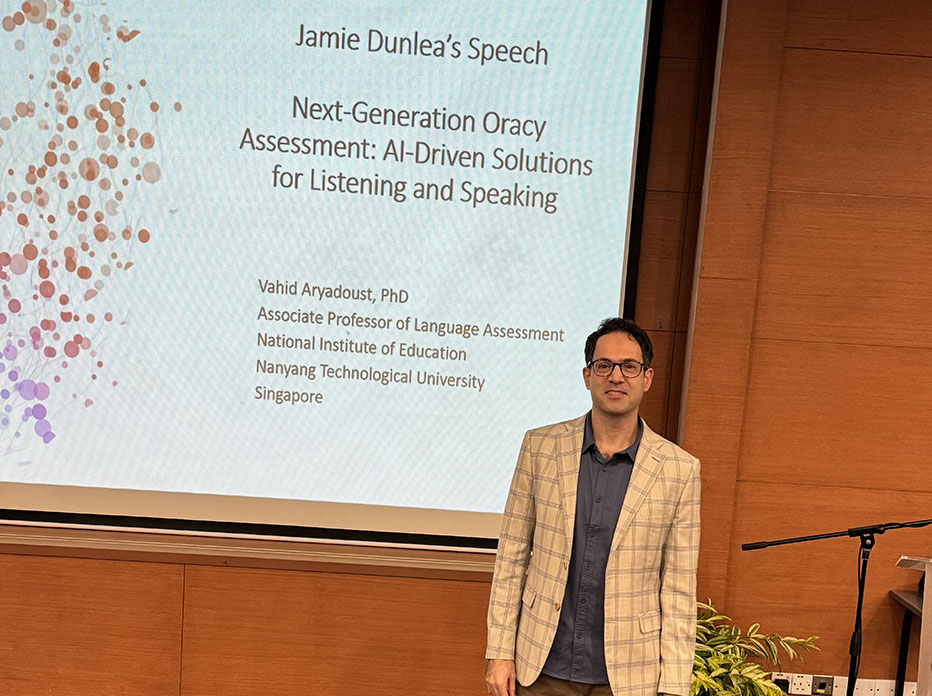 | A/P Vahid Aryadoust delivered the Jamie Dunlea Speech at the Asian Association for Language Assessment (AALA) Conference held in Penang, Malaysia. The lecture, titled “Next-Generation Oracy Assessment: AI-Driven Solutions for Listening,” explored cutting-edge strategies for assessing spoken language, with particular emphasis on how artificial intelligence can enhance listening evaluations. In honor of Dr. Jamie Dunlea’s lasting influence in language assessment, Dr Aryadoust called for continued innovation grounded in empirical rigor and ethical sensitivity. |
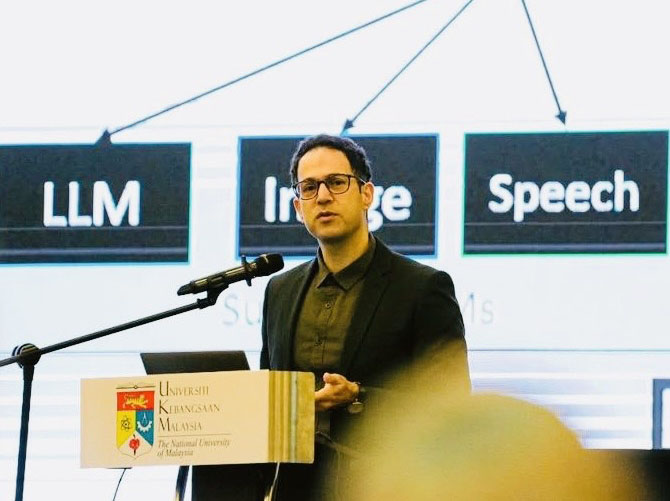 | A/P Vahid Aryadoust delivered a keynote speech at the 9th International Conference on Social Sciences and Humanities (ICOSH 2025), which was inaugurated by the Prime Minister of Malaysia, Anwar Ibrahim. His keynote, titled “The Human Connection: Social Sciences in the Age of AI and Technology,” examined the role of human-centered inquiry in an era increasingly shaped by artificial intelligence. In addition to the keynote, Dr Aryadoust participated as an invited panelist in the forum “The Ethical Dilemmas of AI in Human Interactions” alongside Datuk Prof. Dr. Azlinda Azman, Deputy Director General of the Ministry of Higher Education of Malaysia, and Nazri Ahmad Zamani, Head of the AI Security Unit at CyberSecurity Malaysia. |
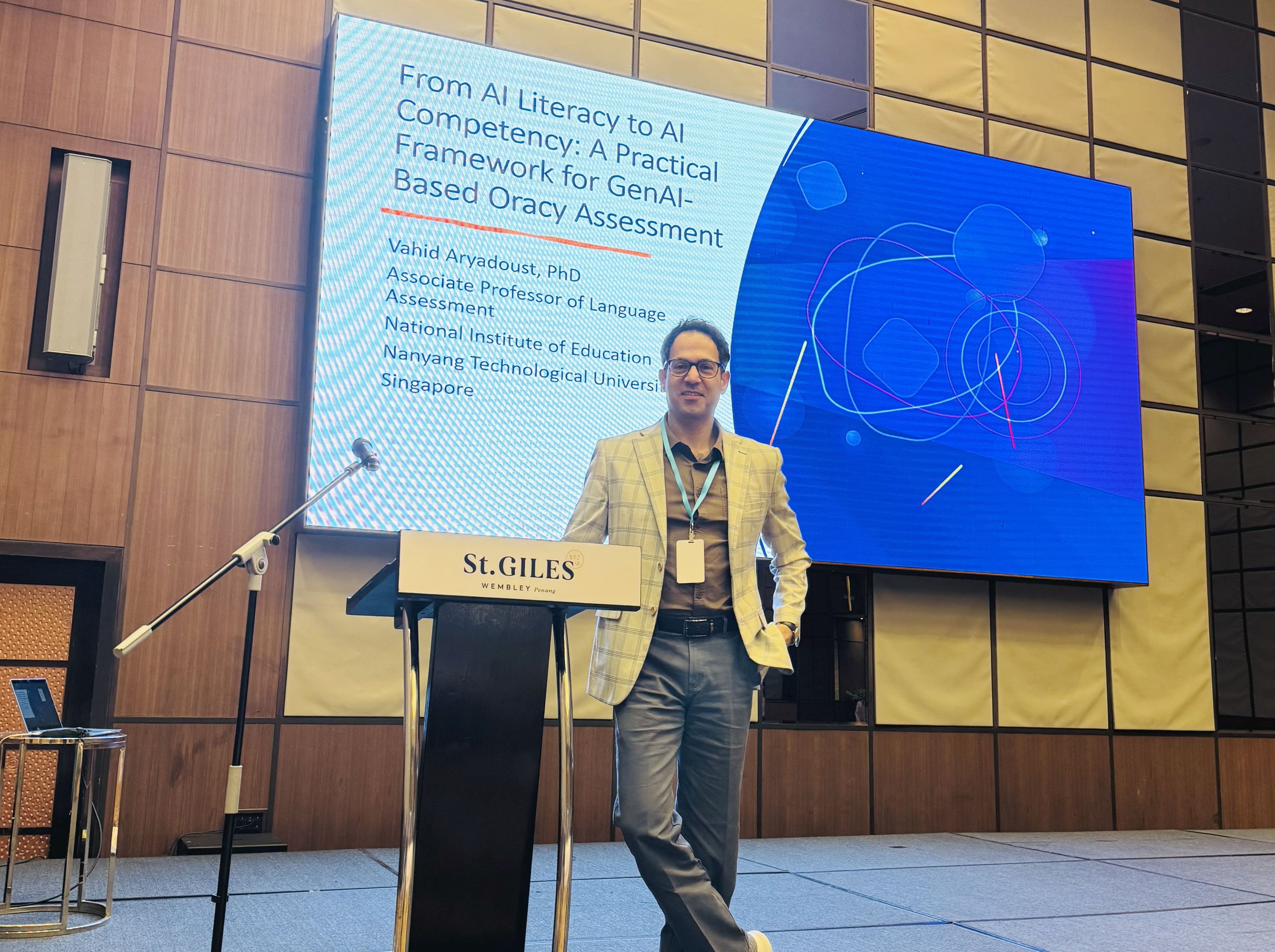 | A/P Vahid Aryadoust delivered the opening plenary at the 13th Malaysia International Conference on Languages, Literatures, and Cultures (MICOLLAC 2025) in Penang, Malaysia. Organized by the Department of English Language, Universiti Putra Malaysia, the conference was held under the theme “Bridging Words and Worlds: Dynamic Dialogues in Language, Literature & Culture,” and gathered an international community of academics and practitioners. In his plenary, “From AI Literacy to AI Competency: A Practical Framework for GenAI-Based Oracy Assessment,” Dr Aryadoust presented a framework that distinguishes between familiarity with AI (literacy) and applied ability (competency), while challenging simplistic evaluations of generative AI tools in educational contexts. |
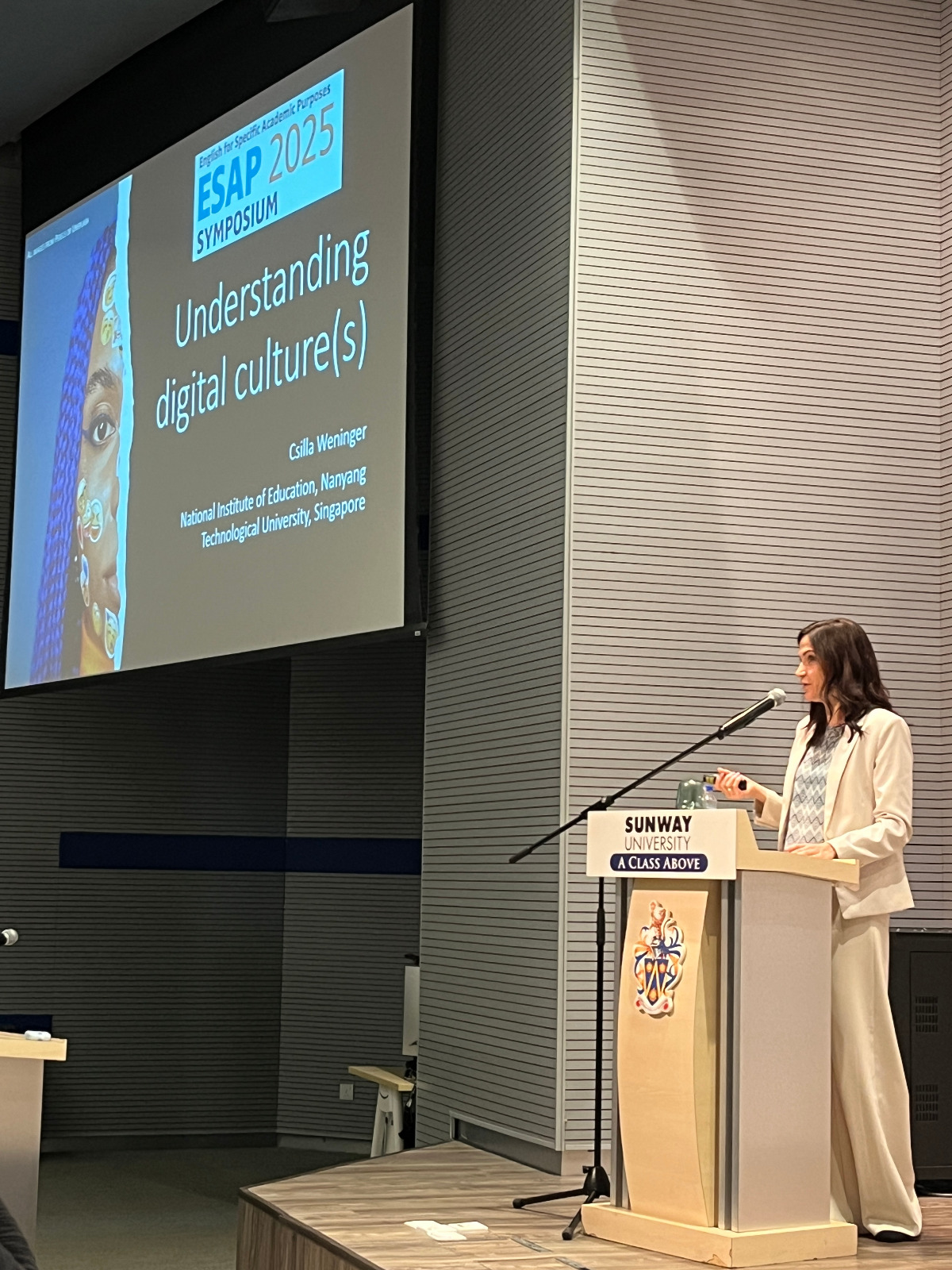 | In August 2025, A/P Csilla Weninger gave a keynote address at the 17th Annual Symposium of the Center for English Language Studies at Sunway University, Kuala Lumpur. The title of her lecture was “Understanding Digital Cultures”, which addressed the larger theme of the conference focused on integrating language, culture and society in the teaching of English. |
---cropped.jpg?sfvrsn=aef40565_4 "Csilla Apr25) - cropped") | A/P Csilla Weninger delivered a keynote address on "Researching Critical Digital Literacies” at the Education University of Hong Kong’s International Postgraduate Roundtable and Research Forum cum Summer School (IPRRFSS) 2025 on 1 August 2025. Drawing on two research studies she conducted recently, she discussed what it means to research digital literacies from a socio-cultural point of view, elucidating how key tenets of digital literacies as social practice may inform the questions we ask empirically. |
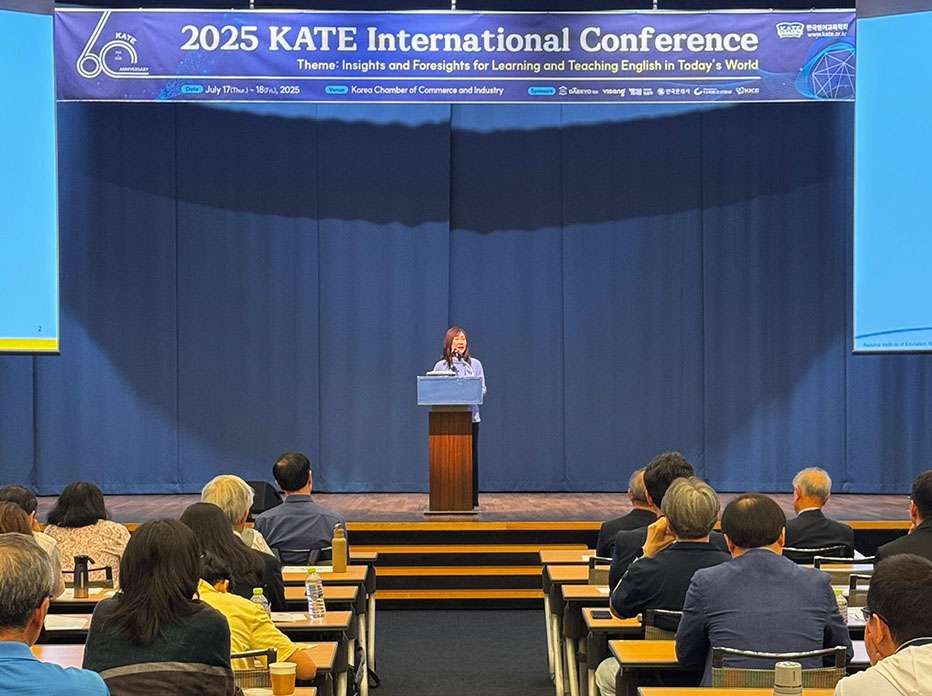 | Professor Christine Goh delivered a keynote presentation on "The Metacognitive Advantage in Language Learning and Use" at the 2025 Korean Association of Teachers of English (KATE) International Conference. In this keynote presentation, Professor Goh focused on the importance of language learners being metacognitively engaged to develop their personal agency, self-efficacy, and motivation. She also highlighted metacognition as an important human characteristic in this age of AI and presented language educators with pedagogical models for metacognitive instruction. |
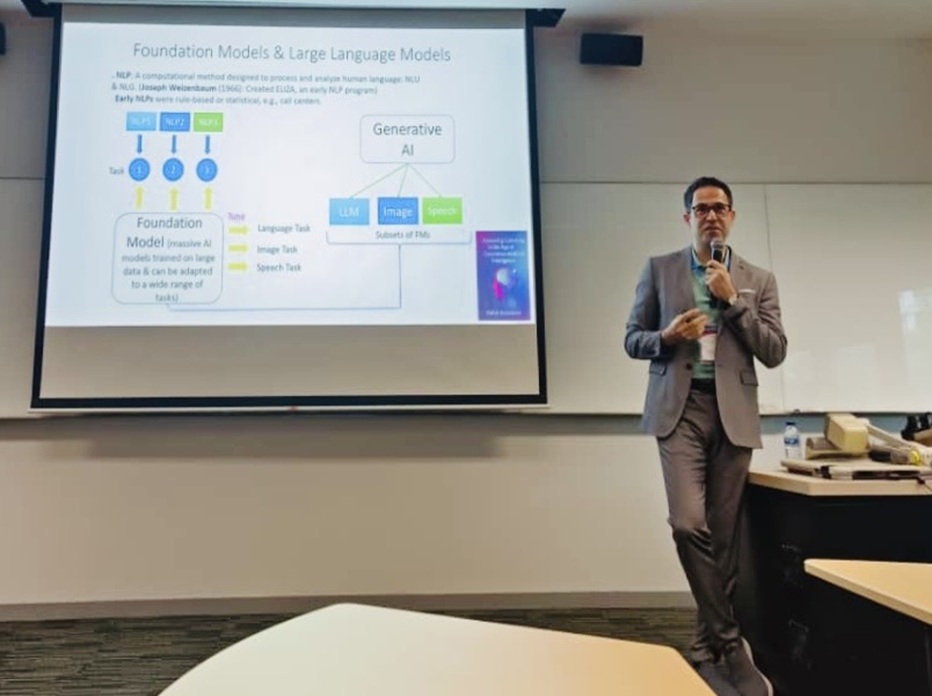 | A/P Vahid Aryadoust delivered the keynote address at the 2025 Pacific Rim Objective Measurement Symposium (PROMS), hosted by the Singapore University of Social Sciences (SUSS). In his talk, Dr. Aryadoust examined the evolving role of generative artificial intelligence in assessing listening and speaking skills. He outlined key applications of natural language processing and large language models in language testing, and situated these developments within a broader historical and theoretical framework. The keynote drew on material from his forthcoming book and contributed to ongoing conversations about the impact of AI on language assessment practices. |
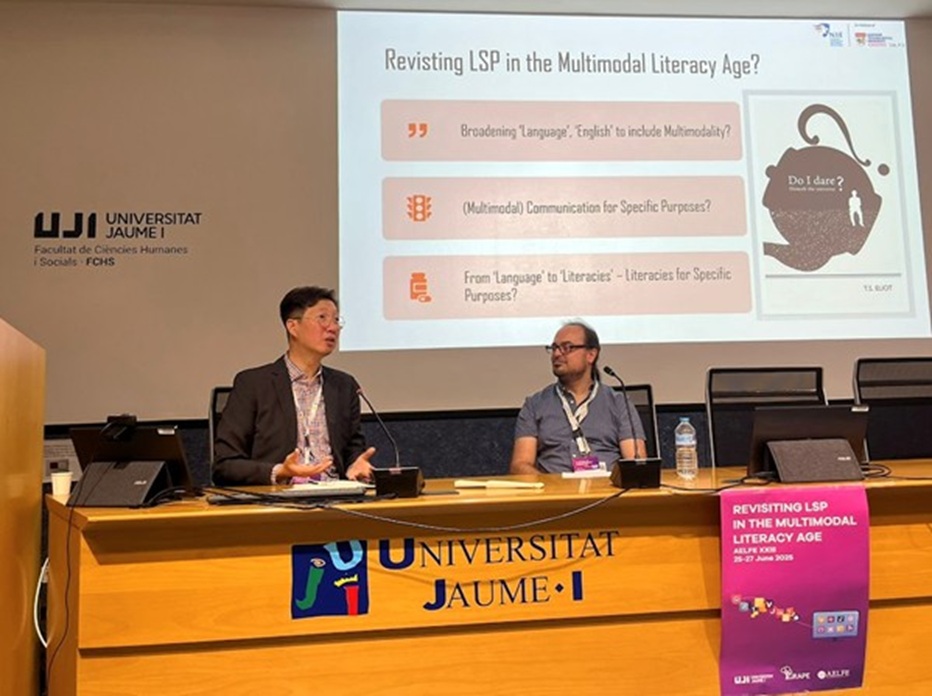 | A/P Victor Lim was invited as keynote speaker on Generative AI for Multimodal Literacy: Implications for LSP & Learning for the 23rd International Conference of the European Association of Languages for Specific Purposes (AELFE) , Universitat Jaume I, Castellón, Spain on 26 June 2025. In this keynote, he drew on findings from his recent studies to explore the implications of GenAI for literacy through the lens of multimodality. Synthesising findings across these studies, he reflected on the implications on LSP and learning in the digital age. |
.jpg?sfvrsn=d3be935e_1 "Keynote - Icy Lee (4Jun25)") | Professor Icy Lee delivered a keynote presentation on “Reimagining the Future of Written Corrective Feedback Research” at the 2nd Written Corrective Feedback (WCF) Conference, held at Autonomous University of Barcelona, 4 to 5 June 2025. In her talk, she charted future directions for WCF research, with a focus on bridging the research-practice divide. |
.jpeg?sfvrsn=706113c0_1 "Victor - TCEF (Jun25)") | A/P Victor Lim Fei was invited to give a masterclass with Dr Tay May Yin, Principal Master Teacher, English Language Institute of Singapore, Melody Heng, Teacher, Temasek Primary School and Chelsea Mun , Teacher, Bukit View Secondary School on “Enacting Multiliteracies in the Singapore English Language Classrooms” at the Teachers’ Conference and ExCEL Fest on 3 June 2025. |
 | A/P Victor Lim was invited as keynote speaker on the “Promises and Perils of GenAI for Learning” at the 3rd International Media and Communication Conference (IMCC-2025), School of Media and Communication Studies, University of Management and Technology (UMT), Lahore, Pakistan, Online, on 30 May 2025. In this keynote, he discussed the rise of increasingly powerful AI technologies and explore how teachers can design meaningful learning experiences that harness their potential while also addressing the challenges they pose. |
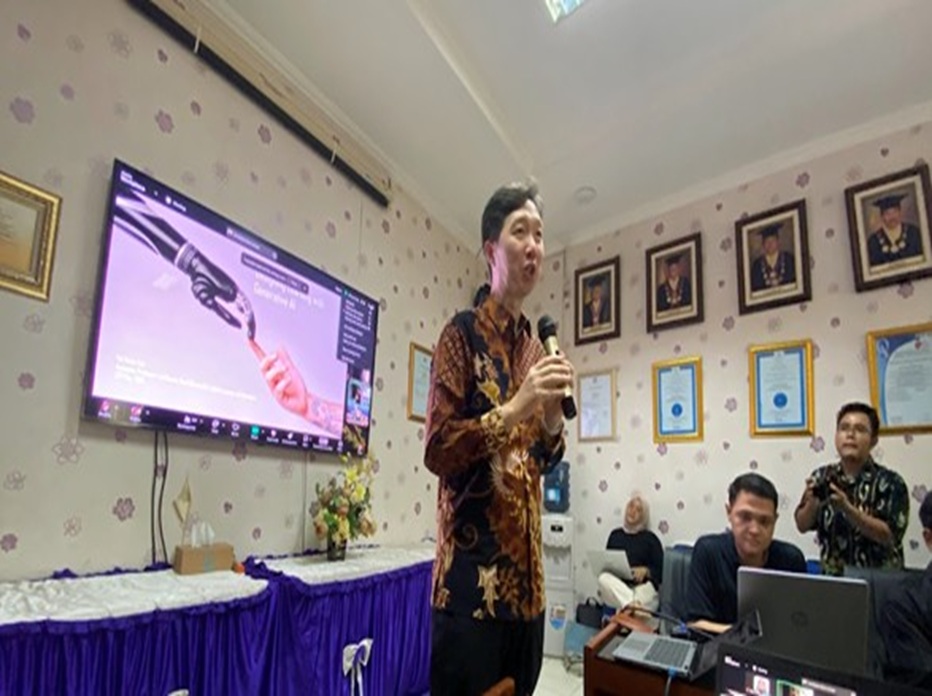 | A/P Victor Lim was invited as keynote speaker on “Designing Learning with Generative AI” at the Faculty of Teacher Training and Education, Universitas Sebelas Maret, Surakarta, Indonesia on 22 May 2025. In this keynote, he presented results from a study investigating pre-service teachers' perceptions of GenAI for literacy learning across three educational contexts. These insights were further complemented by another study that examined pre-service teachers’ experiences as they engage with GenAI in the context of digital multimodal composing, within a lesson specifically designed to guide and scaffold their use of GenAI. |
.jpg?sfvrsn=3d7f0a5a_2 "Keynote - Icy Lee (21May25)") | Professor Icy Lee delivered a featured presentation on “Feedback over Grades: Emhancing Student Feedback Literacy through Ungrading” and an invited workshop, with Teo Shi Ling, on “Educating for the Future: What Artificial Intelligence Cannot Do in Students’ Academic Literacy Development” at the 7th CELC Symposium, held at National University of Singapore, 21 to 23 May 2025. The featured presentation examined the what, why, and how of ungrading in the context of writing, as well as its synergy with student feedback literacy. The invited workshop explored the limitations of generative AI (GAI) in fostering students' academic literacy, with a focus on communicative competence and authorial voice in writing. |
.jpg?sfvrsn=b909dbba_1 "Vahid Keynote (May25)") | A/P Vahid Aryadoust was invited to deliver a keynote presentation titled "Oracy assessment for learning in the age of generative AI" at the "AI-Enhanced Language Diagnostic Testing and Assessment” conference at Xi’an Jiaotong University in Xi’an, China from 16 to 19 May 2025. |
.jpg?sfvrsn=9a5eaa02_1 "Suzanne - lit symposium (2025)") | A/P Suzanne Choo was invited as a guest of honour for the Literature Symposium hosted by Jurong West Secondary School on 16 May 2025. The event was open to and attended by Literature students in Singapore schools. During the symposium, the students were soaked in the mystery and magic of Literature through a captivating keynote by A/P Suzanne Choo. |
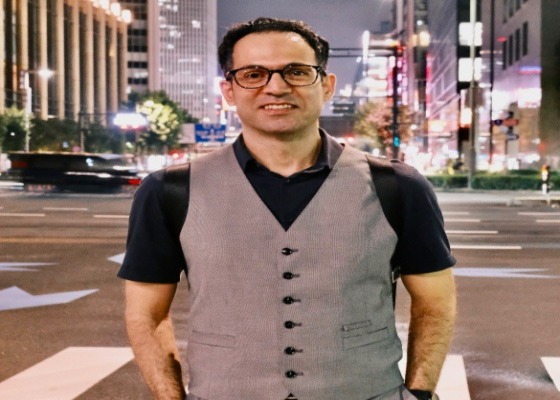 | A/P Vahid Aryadoust was invited to deliver a talk on the principles behind f E-assessment on 8 May'25 to EL Curriculum Specialists at the English Language and Literature Branch of MOE. The title of the talk is "Leveraging generative AI in listening and speaking assessment". |
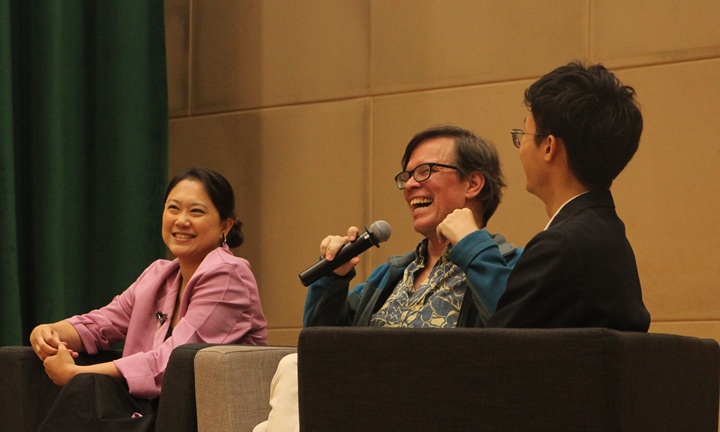 | On Wednesday, 7 May 2025, Raffles Institution hosted their annual English Language and Linguistics (ELL) Symposium, themed "Voicing the Nation: English in Singapore." The event welcomed a diverse audience comprising current ELL pre-university students, alumni, prospective students, teachers, and officers from the Ministry of Education's Curriculum Planning and Development Division (MOE CPDD). Asst/P Geraldine Kwek and Dr Mark Fifer Seilhamer were the two invited speakers who headlined the symposium. Asst/P Kwek presented “Features of Singapore English: On Variation and Change,” sharing insights from her research into the linguistic characteristics and ongoing shifts within Singapore English and Dr Seilhamer followed with “Singapore Language Policy and the Evolution of a Singapore National Identity,” discussing how language policy has shaped and reflected the nation's evolving identity. Both talks, as well as the panel Q&A afterwards, drew from the speakers’ individual expertise and highlighted findings from their ongoing academic collaborations, offering valuable perspectives on the relationship between language and nationhood in Singapore. |
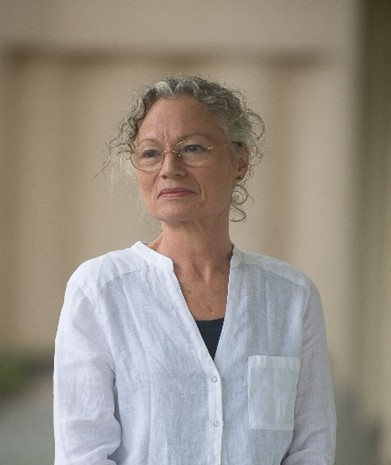 | Dr Sally Ann Jones was invited by the English Language and Literature Branch (ELLB) of MOE, Singapore to speak with about 70 subject specialists on The Role of Metacognition in Developing Thinking and Language as part of their professional development. In the talk, she presented recent research on metacognition, cognition, and language learning leading to a subject-specific definition of metacognition for the language-based disciplines. The definition includes metacognitive, metalinguistic, and multilingual awarenesses which Dr Jones connected to students’ stages of cognitive and linguistic development. She also connected the theory to current and forthcoming syllabi, teaching strategies, and some twenty-first century competencies. The talk took place on the 23rd April, 2025. |
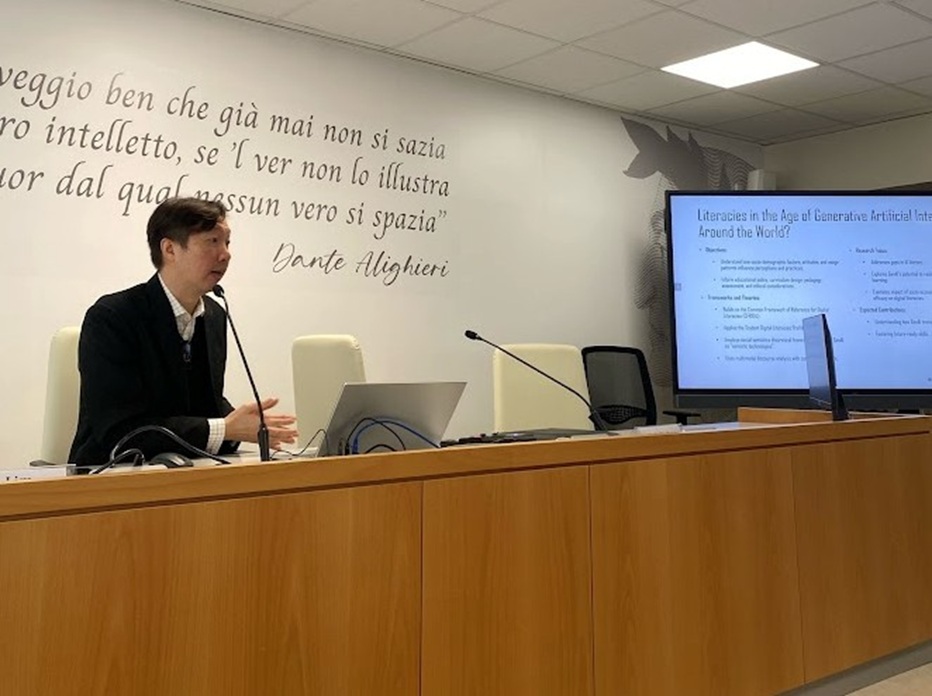 | A/P Victor Lim was invited as keynote speaker on “The Singapore Student Digital Literacies Project” at the English Studies to Contrast Hate Online and Enhance Solidarity (ECHOES) Conference held at the University of Messina, Italy on 19 March 2025. He presented findings from “The Singapore Student Digital Literacies Project” and discussed how the Singapore Digital Literacies Profiling Tool has been used in a cross-country comparison study between Singapore and China. |
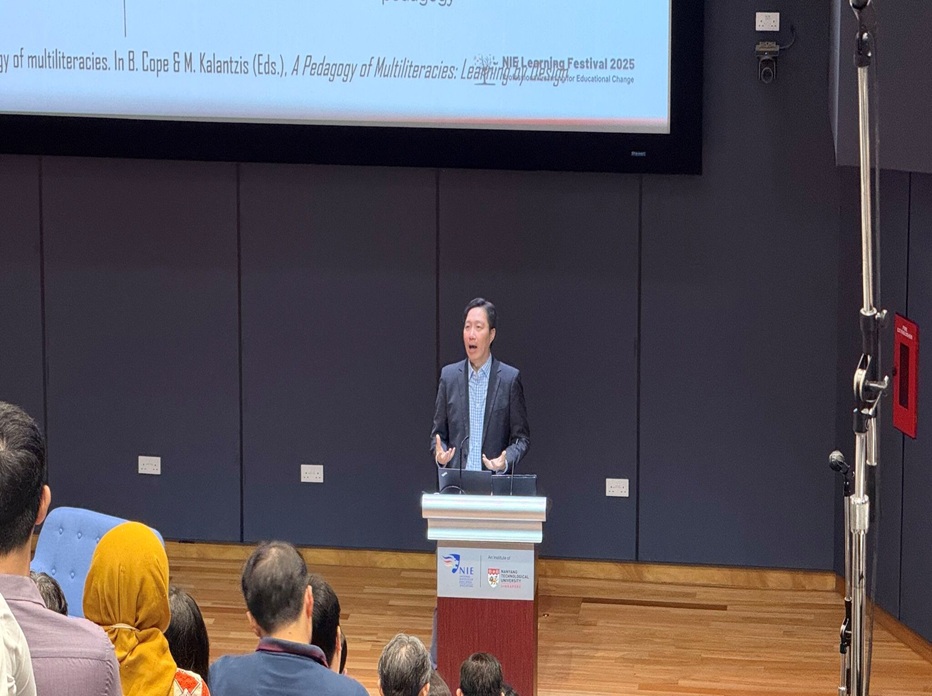 | A/P Victor Lim was invited as keynote speaker on “Designing Learning in the Digital Age” for the NIE Learning Festival on 17 March 2025. In the digital age, learning is increasingly redefined by emerging technologies, such as Generative AI, which presents both promises and perils for education. Drawing on findings from recent studies, A/P Lim discussed how educators can design meaningful and multimodal learning experiences that prepare students to navigate and thrive in our brave new world. |
.jpg?sfvrsn=8b97e045_1 "Keynote - Icy Lee (Feb25)") | Professor Icy Lee delivered a keynote presentation on “Preparing L2 Writing Teachers in the Globalised Era” at “Celebrating Multilingualism and Multiculturalism: An International Symposium on Preparing Language Teachers for Global Classrooms,” held at Hong Kong Metropolitan University on 21 February 2025. In her talk, she examined the impact of globalisation and discussed its implications for the teaching, learning, and assessment of writing in the L2 classroom. |
.jpg?sfvrsn=e8c466e1_1 "Keynote - Jason (Dec24)") | Dr Jason Loh delivered a keynote presentation at the Seminar on International Curriculum 2024: Development and Practice of the English Language Curriculum Program, organised by Taiwan’s National Academy for Educational Research, held in Taipei, Taiwan on 18 Dec 2024. His keynote was titled “Unpacking English Language Curricula and Teacher Education: A Perspective from Singapore”. In this presentation, Dr Loh shared with the Taiwanese audience the evolution of the Singapore EL syllabus over the years due to the changing needs of the nation and profile of the students. He also shared how we prepared our EL teachers to understand and tap on the ELS for their lesson preparation and enactment. |
.png?sfvrsn=9d454625_1 "Keynote - Icy Lee (23Nov 24)") | Professor Icy Lee delivered this keynote presentation on “Rethinking second language writing teacher development: An expertise perspective” at the ETRA-Wenshan International Joint Conference, held in Taipei, Taiwan, on 23 November 2024. She examined L2 writing teacher development using an expertise lens and discussed the implications for L2 writing teacher development. |
.png?sfvrsn=9ea16ed3_1 "Keynote - Icy Lee (10Nov 24)") | Professor Icy Lee delivered this invited workshop on “Feedback in writing enhanced by technology and AI” at the 33rd international Symposium on English Language Teaching and Learning, English Teachers’ Association-Republic of China (ETA-ROC), held in Taipei, Taiwan, on 10 November 2024. At the workshop, she shared strategies for leveraging technology and AI at different stages of the writing process. |
.png?sfvrsn=539e25e_1 "Keynote - Icy Lee (9Nov 24)") | Professor Icy Lee delivered this keynote presentation on “Preparing future-ready feedback literate teachers of writing” at the 33rd international Symposium on English Language Teaching and Learning, English Teachers’ Association-Republic of China (ETA-ROC), held in Taipei, Taiwan, on 9 November 2024. She revisited the writing teacher feedback literacy framework proposed in her earlier work (Lee, 2021), refining and augmenting it in light of the changing educational landscape. |
.png?sfvrsn=e861f657_1 "Keynote - Icy Lee (27Oct24)") | Professor Icy Lee delivered this keynote presentation on “Preparing future ready language teachers” at the 5th Global Teacher Education Summit, held in Beijing Normal University, China, on 27 October 2024. Drawing upon scholarship on teacher expertise, language teacher expertise, and growing research on writing teacher expertise, she provided a quadruple framework of language teacher expertise and discussed its implications for language teacher education. |
.png?sfvrsn=f388635f_1 "Keynote - Icy Lee (26Oct24)") | Professor Icy Lee delivered this keynote presentation on “Revisiting second language writing teacher expertise” at the International Conference on Teaching and Researching EFL Writing, held in Shanghai Foreign Studies University, China, on 26 October 2024. She presented an evolving framework on second language writing teacher expertise and discussed its implications for writing teacher education and professional development. |
.jpg?sfvrsn=36e0d400_3 "Invited Talk - Vahid(23Oct24)") | On October 23, 2024, A/P Vahid Aryadoust led an invited workshop at Institute of Education, UCL (London), guiding graduate students and faculty through the applications of general linear and linear mixed-effects models in second language research. Using Jamovi software, participants engaged in hands-on exercises to enhance their understanding of GLM and LMEM for analyzing L2 data. |
.jpg?sfvrsn=4b178adf_1 "Invited Talk - Vahid(21Oct24)") | On October 21, 2024, A/P Vahid Aryadoust delivered an invited talk at the University of Cambridge, examining the use of sensor technologies, including eye-tracking and fNIRS, to validate second language listening assessments. The presentation offered insights into how these tools capture neurophysiological responses in listening tests, contributing to emerging discussions on validity and innovative assessment practices. |
.jpg?sfvrsn=26fd9094_1 "Keynote - Csilla (Oct24)") | A/P Csilla Weninger delivered a keynote presentation titled ‘Bridging the home-school divide in digital literacy’ at the 15th AISOFOLL Conference in Lombok, Indonesia in October 2024. In her lecture, she discussed what we know about young people’s digital literacy ‘in the wild’; that is, how they use digital media and technology outside of school. She then elaborated on how we might take some of this knowledge and utilize it for digital literacy education in school settings. She emphasized that we must not simply replicate home or leisure uses but develop digital literacy instruction which both teachers and students will experience as authentic to the purpose and context of school literacy education. |
| On October 9 2024, A/P Vahid Aryadoust was invited by UCL’s Institute of Education to present his recent findings on how listeners’ gaze behaviors influence test scores and listening comprehension. Through eye-tracking data, the talk highlighted dynamic listening processes that traditional assessments may overlook, proposing advancements in test validity and neurophysiological evaluation in second language assessments. |
.png?sfvrsn=89826b3d_1 "Alexius Chia (Sept24)") | Dr Alexius Chia delivered a keynote presentation at the 7th InterNational English Language Teachers and Lecturers (iNELTAL) Conference 2024. In this presentation, he shared with over 140 online participants how multimodal texts can enhance English language teaching and learning. He introduced the Semiotic Modes framework, demonstrating how it can be used to generate more targeted questions to foster deeper analysis and multiliteracy development. |
.jpg?sfvrsn=605a60d7_1 "Rita Keynote (16May24)") | Emeritus Associate Professor Rita Silver was invited by the Shanghai Center for Research in English Language Education at Shanghai International Studies University to deliver the following talks in September 2024: Preparing a paper for publication: Journal editor expectations Ways forward in classroom research |
.png?sfvrsn=1a79ab9b_1 "Alexius Chia (Aug24)") | Dr Alexius Chia delivered a keynote presentation at the 3rd International Conference on Learning Innovation and Research in Basic Education “ICLIRBE” 2024. In this presentation, he shared insights on multiliteracies in 21st-century education, highlighting the need to move beyond traditional literacy skills to include audio, oral, visual, spatial and gestural fluency. This approach empowers students, fosters inclusive learning environments, and prepares them for success in a complex, interconnected global society through dynamic learning experiences. |
.jpg?sfvrsn=20d720fd_1 "Alexius Chia - Plenary (Jul24)") | Dr Alexius Chia was an invited plenary speaker at the 1st UICELE and 2nd PELTIN International Conference on English Language Education held on 13 July 2024. In his presentation, he explored the 'why,' 'what,' and 'how' of multimodal texts in English Language education. Focusing on unraveling the mysteries surrounding the incorporation of these diverse texts, he guided teacher educators, teachers and curriculum designers present through the rationale behind integrating multimodal literacy into the language instruction. The presentation was meant to empower educators to appreciate the significance of multimodal texts and leverage their potential in the broader landscape of English language education. |
.jpg?sfvrsn=7ddee237_3 "Keynote - Suzanne (June24)") | A/P Suzanne Choo delivered a keynote presentation at the Association for Research in L1 Education (ARLE) and International Federation for the Teaching of English (IFTE) conference. A/P Choo's keynote address discussed the importance of interpretive justice given that questions about fairness, equity, and other notions of justice arise first from interpretations of communities and sociopolitical contexts. The presentation was developed from a recent paper “Hermeneutical justice as the foundation of cosmopolitan literacy in a post-truth age” that she published earlier this year in the Journal of Adolescent & Adult Literacy. |
| Emeritus Associate Professor Rita Silver was invited to deliver an online lecture on 16 May 2024 to China Center for Language Planning and Policy Studies, Shanghai International Studies University on the topic of ‘More than methodology: Considering research data management’. In this talk, she discussed some of the issue around research data management with reference to different research paradigms, data types, and potential future re-use of data. Practical tips were offered for managing the data from initial data collection through project closure in order to support future research endeavours and open science initiatives. |
.jpg?sfvrsn=4549cf7b_3 "Victor Keynote(17May24)") | A/P Victor Lim Fei was an invited Keynote Speaker at the 2024 Practice and Pedagogy in Technology Enhanced Language Learning Conference (PPTELL 2024) which was held on 17 May 2024. This is an annual conference to be co-hosted by the National Taichung University of Education and PPTELL Association. In this keynote, he discussed the developments in designing learning in the digital age and offered a research and practice agenda for the next decade, with the goal of furthering the meaningful and effective design of learning with digital technologies. |
.jpg?sfvrsn=c4104f34_1 "Ori - Angelia Keynote (13May24)") | A/P Angelia Poon has been invited to deliver a talk titled "Divided by Language: Exploring Chinese-ness in Anglophone Singapore Literature" at the National Taiwan Normal University on 13 May 2024. Singapore is distinctive for being a country with a Chinese-majority population that does not have Mandarin or another Chinese language as its official first language. One important intra-Chinese difference in the nation with notable implications for cultural politics has thus been language use. Analyzing novels such as Suchen Christine Lim’s The River’s Song (2014), Jeremy Tiang’s State of Emergency (2017) and Claire Tham’s The Inlet (2013), A/P Poon shows in this presentation how the cleavage between English-speaking and Chinese-speaking Chinese Singaporeans discloses persistent tensions about national history, class privilege, social mobility, and multiracial identity. |
.jpg?sfvrsn=9b42f95e_3 "Victor Keynote(25Apr24)") | A/P Victor Lim Fei was an invited Keynote Speaker at the Research Office of International Curriculum Guidelines Seminar organized by the National Academy for Educational Research, Taipei, Taiwan, on 25 April 2024. In this keynote to the policy makers, curriculum planners from the Ministry of Education in Taiwan, he discussed the issues on the use of GenAI in teaching and learning. He also described and reflected on the initiatives taken in Singapore to equip teachers as designers of learning who harnesses the affordances of GenAI tools effectively and responsibly. |
.jpg?sfvrsn=1ea90b09_3 "Victor Keynote(20Apr24)") | A/P Victor Lim Fei was an invited Keynote Speaker at the 2024 ALLT (Applied Linguistics and Language Teaching) Conference held on 20 April 2024. In this keynote, he discussed the tenets of educational semiotics in relation to examples from his research. These include a semiotic awareness in the teacher's embodied teaching in the design of the learning experience, recognising learning as design, teaching multimodal literacy and valuing students’ lifeworld literacies. |
.jpeg?sfvrsn=d3a96eac_1 "Ori - Invited Speaker -Csilla (RELC_March2024)") | A/P Csilla Weninger was a featured speaker at the 58th RELC conference. Her talk discussed the impact of artificial intelligence tools on language teaching and learning. She discussed three enduring notions in ELT which have been further challenged by AI: authorship, the prioritization of language structure over social context, and the idea that language learning is a value-free endeavor. She then discussed four new priorities for language education that can help us to rebalance what matters in language education in the age of AI: affect, imagination, ethics and futures-thinking. A/P Weninger also took part in a panel discussion at the RELC conference on how teacher educators can address the evolving needs of their student teachers. |
.jpg?sfvrsn=e5494a34_1 "Ori - Invited Speaker - Willy & Csilla (RELC_March2024)") | In this presentation, Dr Willy Renandya explored the notion of engagement from a second language acquisition perspective, presented some of the key elements that are normally associated with it (e.g., curiosity, choice, challenge and creativity) and offered practical suggestions of how language teachers could use pedagogical approaches that fully engage L2 learners in and out of the classroom. Dr Renandya also took part in a panel discussion at the RELC conference on how teacher educators can address the evolving needs of their student teachers. |
.jpg?sfvrsn=776c1030_1 "Ori - Suzanne Choo's invited talk (Mar24)") | A/P Suzanne Choo was invited to deliver a talk titled "Infusing Ethical Literacy in CCE to Develop Global Citizenship Dispositions" at the Research-Practice Connection (RPC) 2024. The event, held on 7 March 2024, was organized by the OER School Partnership Unit and the East Zone Teacher Learning and Professional Development Committee. RPC fosters a collaborative environment where researchers and practitioners can exchange ideas and enrich their practices. |
.jpeg?sfvrsn=5d3dcbab_1 "Ori - Invited Talk - Ann Ang (March2024)") | Asst/P Ann Ang was invited to deliver a talk titled "Watery Depths: Articulating the Southeast Asian Pre-modern in Ponti" at Universiti Brunei Darussalam's Faculty of Arts and Social Sciences (FASS) seminar held on 5 March 2024. In this presentation, she discussed the sociocultural framing of water as biophysical capital and as part of the ecological landscape in one of South East Asia’s smallest nations, Singapore, and the re-imagining of these perspectives in a recent anglophone novel. |
.jpg?sfvrsn=6e104f88_1 "Anitha_MigrationLinguistics_Dec25 (2)") Dr Pillai has also been invited to serve as Co-Chair of the next International Conference on Migration Linguistics in 2026, and she hopes that the opportunity to host the conference here will enable greater participation from academics and students from Singapore.
Dr Pillai has also been invited to serve as Co-Chair of the next International Conference on Migration Linguistics in 2026, and she hopes that the opportunity to host the conference here will enable greater participation from academics and students from Singapore.