Relaxed Dialect Media Restrictions Could Strengthen Cultural Connections Among Younger Singaporeans
The easing of restrictions on dialect content in films and pay television from September has been welcomed by academics, cultural groups and members of the public, who see the move as an opportunity to support the preservation and appreciation of dialects and related cultural traditions.
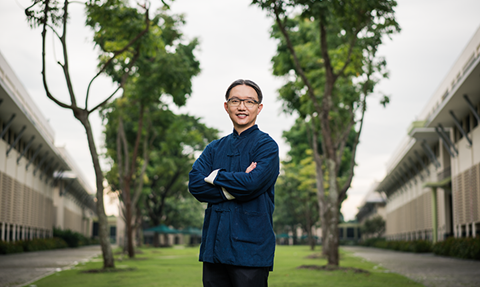
Speaking to Lianhe Zaobao, Associate Professor Tan Chee Lay from the National Institute of Education (NIE), Nanyang Technological University, Singapore, said dialects carry cultural nuances that Mandarin may not fully convey, including expressions, festive terms, kinship forms of address and language associated with everyday community life.
He noted that hearing these expressions in films and television can create a stronger sense of familiarity and emotional connection, particularly for older generations and dialect-speaking families. For younger Singaporeans, greater exposure to dialects can also provide a richer understanding of their cultural roots and help bridge intergenerational language gaps.
A/P Tan added that Mandarin and dialects need not be seen as competing with one another. With the broader direction of Mandarin education remaining unchanged, he said a calibrated easing of dialect restrictions could help preserve and revitalise dialects as a living cultural asset, while also creating new possibilities for Singapore’s film and television industries.
The article also highlighted growing interest among younger Singaporeans in learning dialects, with clan associations reporting increased enrolment in dialect classes and greater participation in cultural and heritage-related activities.
Read the original article here.