
NIE PhD candidate explores how unrecorded extreme floods can inform our understanding of flood risk
How can we understand flood risk in rivers where written records cover only a few decades? For Jiachun Huang, a PhD candidate at the National Institute of Education (NIE), NTU Singapore, part of the answer lies in the sediment left behind by floods. Her research combines hydrological modelling and the study of sediment chemistry to understand flooding in tropical monsoon rivers.
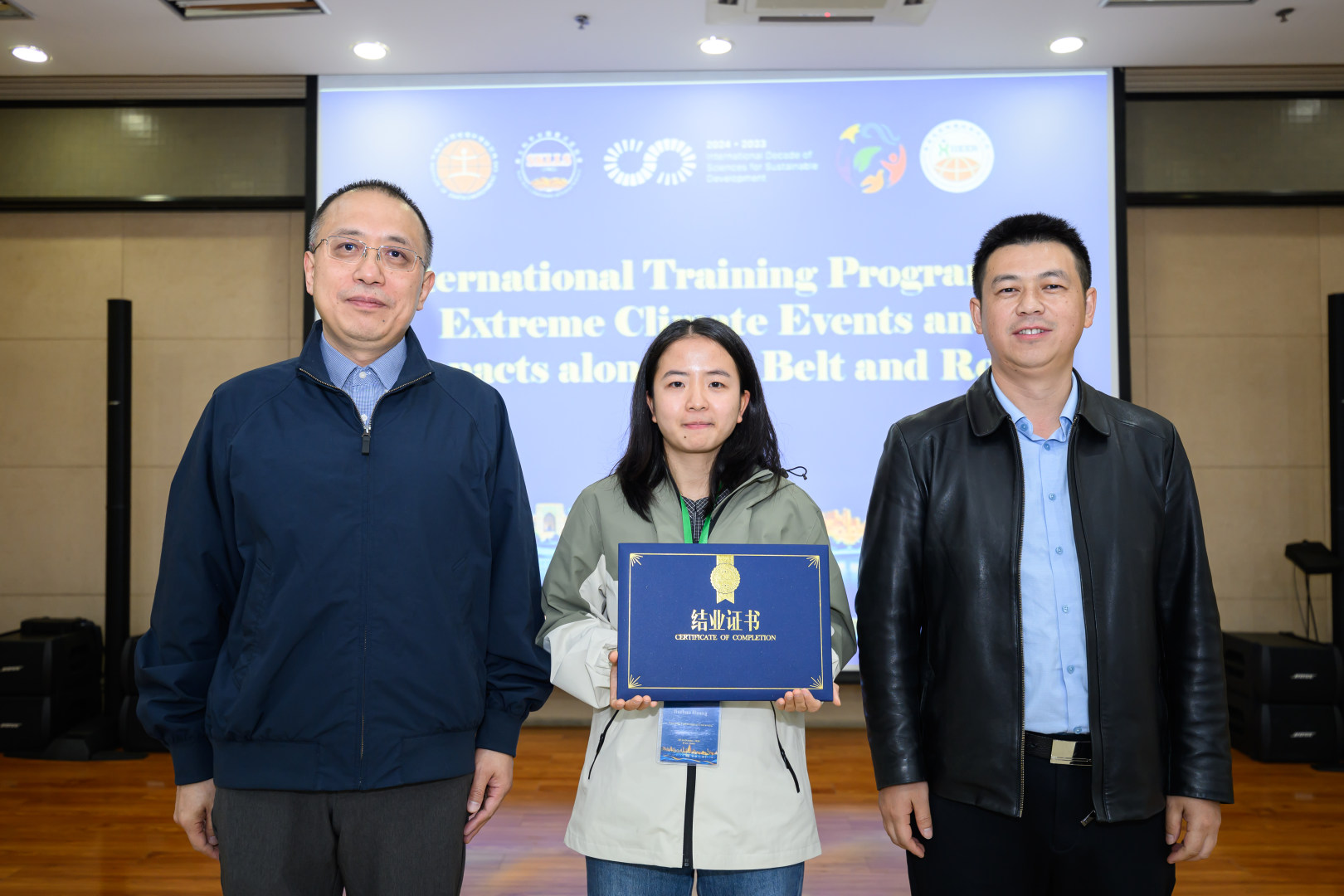
Jiachun’s PhD study is supported by the Climate Transformation Programme and the NTU-RSS scholarship. From 10 to 24 October 2026, she took part in the International Training Program on Extreme Climate Events and Impacts along the Belt and Road, hosted by the Institute of Earth Environment, Chinese Academy of Sciences, in Xi’an, China. The programme brought together early-career researchers to study extreme climate events and their impacts.
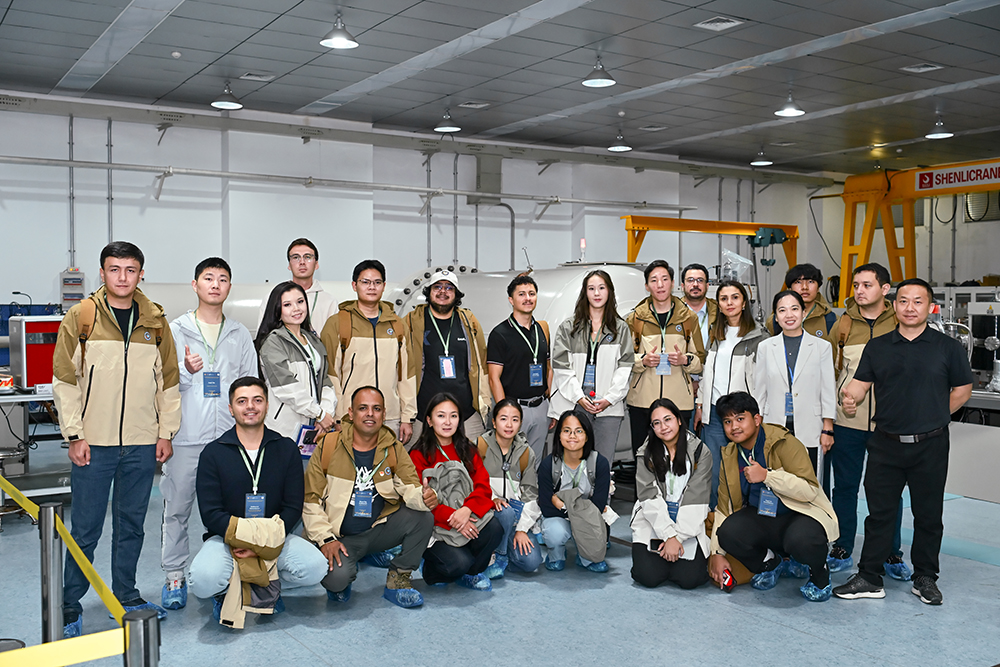
Through lectures, laboratory training and fieldwork, Jiachun explored how natural records such as tree rings, lake sediments and loess (layers of windblown dust) can reserve evidence of past climate extremes. She visited the Xi’an Accelerator Mass Spectrometry Center to learn about radiocarbon dating, examined loess sections on the Loess Plateau and took part in tree-ring sampling at a forest farm. At the Silk Road Early-Career Scientists Forum on 17 October, she was one of six early-career representatives who presented the forum’s consensus statement on extreme climate events and their impacts along the Silk Road.
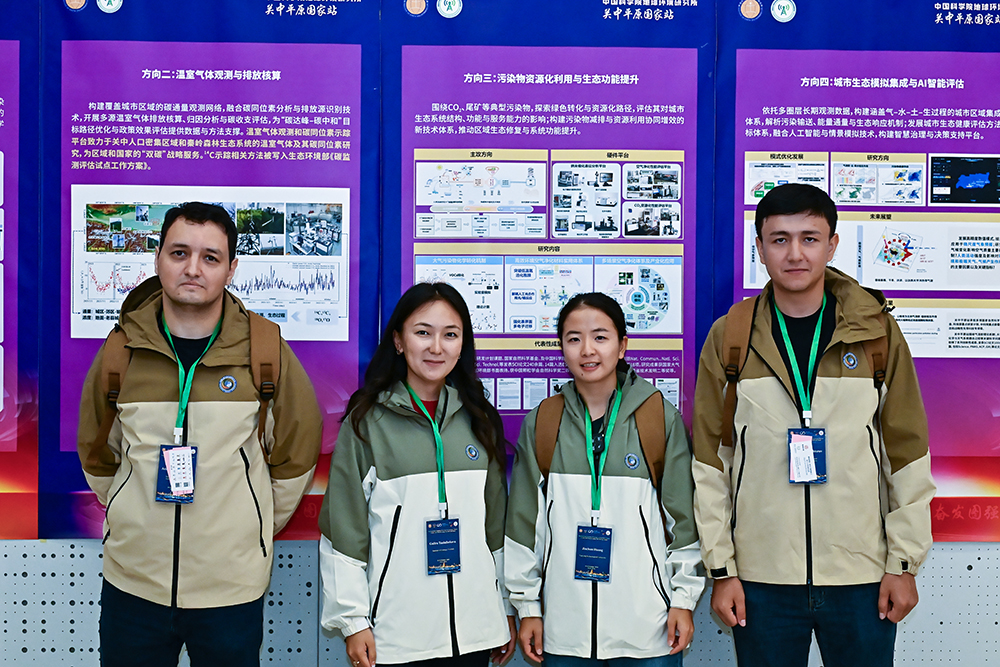
The training helped Jiachun identify methods she could use to date sediment left by past floods. She discussed with researchers how to prepare samples for radiocarbon and lead-210 dating and how luminescence dating could help estimate when flood-deposited sand was buried. Dating suitable flood deposits can extend flood records beyond the few decades covered by river gauges. A longer record can help researchers investigate how often major floods occurred, how large they were, and how they related to monsoon conditions and the El Niño–Southern Oscillation (ENSO), a Pacific Ocean–atmosphere pattern with warm (El Niño) and cool (La Niña) phases that influences rainfall across the tropics.
Jiachun plans to collect sediment cores in Peninsular Malaysia in mid-2027 to reconstruct extreme floods beyond modern records. She also plans to review existing studies of past floods in tropical monsoon rivers, bringing together evidence that can help put recent flood events in a longer-term context.


.tmb-listing.jpg?sfvrsn=24ae80b3_2)