Don’t say ‘just do your best’: What your child actually needs to hear before the PSLE
As Primary 6 pupils prepare for the PSLE written examinations, two experts from the National Institute of Education (NIE) have shared practical advice on how parents can encourage their children without unintentionally adding to the pressure they face.
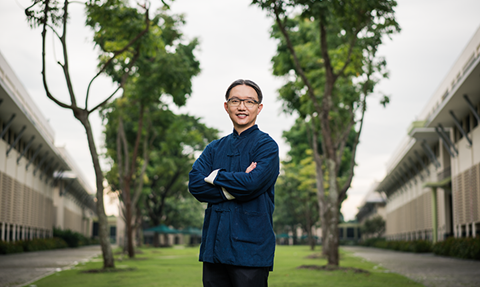
Speaking to The Straits Times, Professor John Wang, Co-Founder of NIE’s Motivation in Educational Research Laboratory, and Associate Professor Gregory Arief D. Liem, Assistant Centre Director at NIE’s Science of Learning in Education Centre, emphasised the importance of calm, specific and reassuring communication before and after an examination.
When a child panics or says that their mind has gone blank, Prof Wang advised parents to avoid arguing with the fear or immediately trying to correct it. Instead, they should speak slowly, use short sentences and help the child regain a sense of physical and emotional calm. Simple grounding exercises, such as taking a slow breath or identifying something they can see, hear or feel, can help the child settle.
A/P Liem added that parents do not need to eliminate their child’s anxiety before helping them feel capable. Feeling worried is a normal response to an important event. Parents can build confidence by pointing to specific evidence of progress, such as questions the child can now solve, rather than making promises about results that cannot be guaranteed.
Both experts stressed that children should know their parents’ love and support do not depend on their examination scores.
For pupils who feel under-prepared, Wang recommended focusing on what can still be achieved instead of assigning blame. Parents can help their child identify a small number of high-priority tasks, complete them carefully and get sufficient rest, rather than attempting excessive last-minute revision.
On the eve of an examination, parents should shift the emphasis from intensive studying to rest, self-care and emotional readiness. Praise should recognise effort and effective learning habits without turning into another expectation to perform well.
The experts also advised parents to be thoughtful about their first questions after an examination. Asking “How did you do?” or “Was it difficult?” may feel like an immediate evaluation. A gentler check-in, such as asking how the child feels, gives them space to decompress.
If a child remains anxious or disappointed, parents should acknowledge those feelings instead of dismissing them with phrases such as “Don’t worry, it’s over”. They can listen, offer simple options such as taking a walk or having a snack, and reassure the child that they do not have to manage their worries alone.
Ultimately, the experts encouraged parents to focus on their child’s individual progress, emotional well-being and learning journey. Calm support and unconditional reassurance can help children approach major examinations with greater confidence and resilience.
Read the original article here.
Source: The Straits Times © SPH Media Limited. Permission required for reproduction.