COMMENTARY: Bridging Legacy and the Future: The Malay Language and Literature in a Transitional Phase
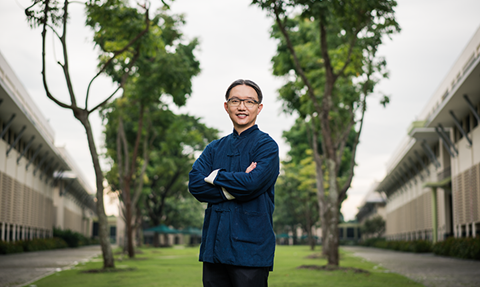
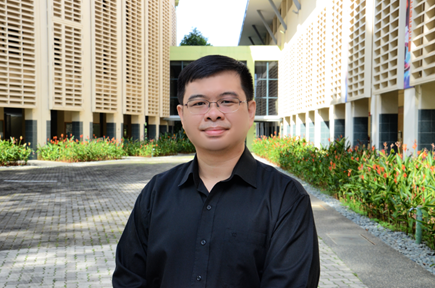
Associate Professor Mohd Mukhlis Abu Bakar reflects on the retirement of Dr Sa’eda Buang, a prominent scholar and educator whose nearly three decades of service at Singapore’s National Institute of Education (NIE) have significantly shaped the development of Malay language, literature, and teacher education.
Dr Sa’eda’s contributions extend beyond her academic publications and administrative roles. She championed a humanistic approach to literature, viewing texts as tools for understanding society, values, and humanity rather than merely objects of study. Her creative work, particularly the novel Razi, further broadened the reach of Malay literature through national recognition and translation into other languages. As a teacher educator, she influenced generations of Malay language teachers by promoting reflective, student-centred, and experiential learning approaches, including educational trips that connected language and literature to real-world contexts.
Her retirement highlights a broader challenge: ensuring continuity in the field of Malay language and literary studies. Mukhlis argues that the issue is not simply replacing an individual but preserving and transferring intellectual and institutional legacies. This requires collective leadership, collaboration, and continued engagement with retired scholars.
The article also identifies several structural challenges facing the field. English remains dominant as the language of knowledge and economic advancement, while Malay is often associated primarily with culture and identity. Learning experiences are increasingly examination-driven, limiting deeper engagement with the language as a lived practice. There is also concern about the “museumisation” of Malay language and culture, where they are celebrated as heritage but not actively used or developed. These trends contribute to a shrinking pool of future scholars and specialists.
At the same time, student interest is evolving rather than disappearing. While traditional literary studies may attract fewer students, new forms of engagement are emerging through digital and popular media. Mukhlis remains optimistic that a new generation of writers, educators, and scholars will emerge, provided they receive adequate support and opportunities to innovate while building on existing traditions. Ultimately, sustaining Malay language and literature requires deliberate planning, investment, and adaptation to changing social realities.
Read the original commentary written by A/P Mohd Mukhlis Abu Bakar here.