
Student’s Take: OCIP Project Chhang
By Park Yongmin, M2, Team Lead for Project Chhang
From 10 to 14 June 2025, a team of six LKCMedicine students, consisting of three M1s and three M2s, travelled to Kampong Chhnang province in Cambodia as part of the Overseas Community Involvement Project (OCIP) Project Chhnang. The students continued their partnership with the Water and Healthcare Foundation (WAH), which serves the community in Kampong Chhnang.
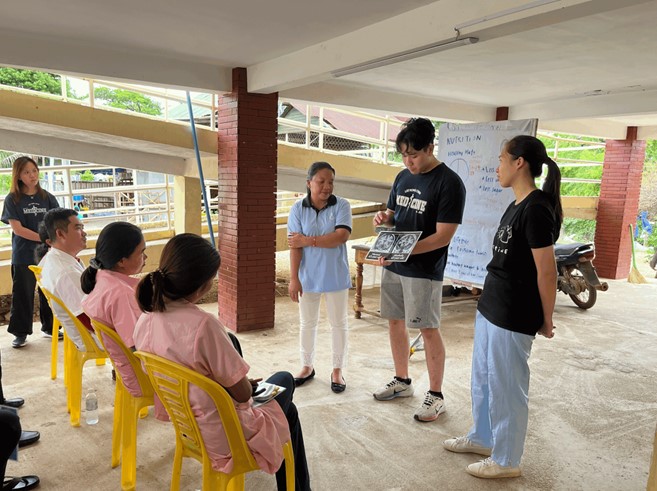
This year, they served three health centres and six schools through sharing sessions on health-related topics based on guidelines from the Health Promotion Board. Due to the language barrier, the staff from WAH and the Provincial Health Department helped the students with translation and responses between the staff and students.
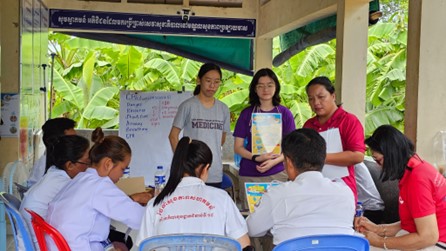
The students set off for the health centres in the early morning, rising especially early to travel to the more inaccessible health centres. They travelled for more than an hour by van, and even by boat, to reach the health centres, which rarely had visitors other than WAH staff to help them upskill. The health centres were staffed mainly by nurses, pharmacists, and midwives, but lacked doctors.
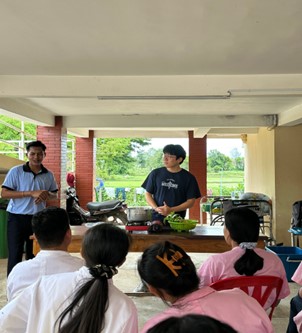
At the health centres, the students first revised with the staff on the seven steps of hand hygiene, emphasising the importance of it for infection control. Then they shared with them on how to have a balanced diet through the “My Healthy Plate” model, as well as good dietary practices such as consuming less oil, salt, and sugar.
The students were touched when the Cambodian healthcare workers showed eagerness to learn more and asked many questions about adult nutrition. Then, the students shared more in-depth about infant nutrition practices in Singapore. This included exclusive breastfeeding under six months, weaning, common nutrition deficiency amongst children in Cambodia, and examples of food that were high in these nutrients that they could consider feeding their children.
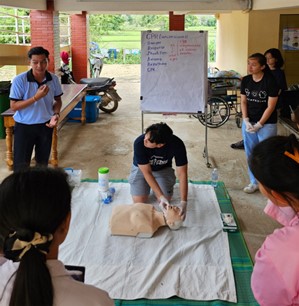
The students were grateful to be able to share such knowledge with the workers, as malnutrition is a pressing issue in rural areas of Cambodia. This is due to the lack of knowledge, and hence nutritious food not widely consumed over in these areas. The students also provided an example of a monthly calendar to illustrate how solid foods can gradually be introduced into the baby’s diet. The students were reassured when the healthcare workers shared that the infant nutrition guidelines in Cambodia aligned with their shared guidelines based on the Singapore guidelines.
As alcoholism is also a concern for the community in Cambodia due to the culture of drinking beer during social gatherings, the students shared with the healthcare workers on the short-term and long-term effects of alcoholism, particularly on the possible irreversible effects on the brain and liver. Showing images of the damage to the body aimed to help the staff visualise the toxic effects of alcohol.
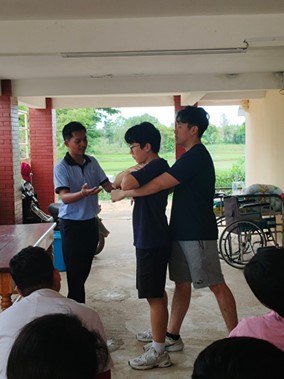
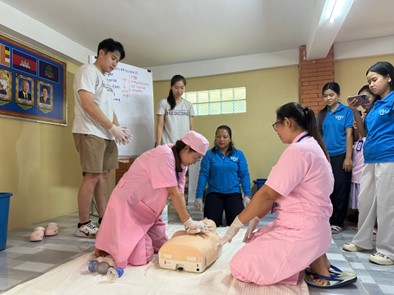
Finally, the students demonstrated Cardiopulmonary Resuscitation (CPR) and the Heimlich manoeuvre in the context of drowning and choking, which are common health emergencies in the region. The students were heartened to see the healthcare workers enjoying themselves while learning important life-saving skills through hands-on practice.
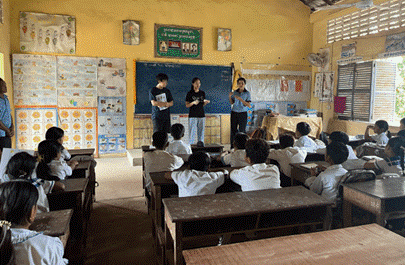
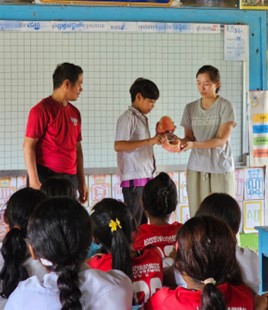
After the fruitful sharing at the health centre, the students headed to the primary schools where they shared the importance of having good hygiene, including the seven steps of handwashing and dental hygiene. They made use of interactive methods, such as inviting the primary school students to put up a demonstration for their classmates with some aid from LKCMedicine students. They also made use of large teeth models to pique the interest of the students.
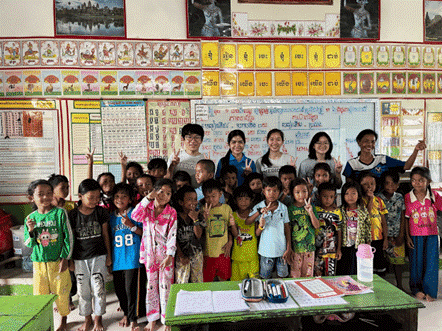
While the full days of work were tiring for the six students in Project Chhnang, they are immensely grateful for the opportunity to share their knowledge with the staff and students, especially when they expressed their gratitude to them. The students from Project Chhnang are also extremely thankful for the hospitality of WAH and for giving them valuable opportunities to expand their awareness of healthcare issues faced in rural areas.