
In Focus: LKCMedicine Hits All-Time High for Research Grant Awards in 2024
 | By Ai Ling Sim-Devadas, Deputy Director, Advocacy and Engagement |
Principal Investigators at LKCMedicine have made history, securing an all-time high for competitive research funding and awards in 2024, surpassing each of the prior three years by more than 100%. This represents the largest amount received by the School since it was founded in 2010.
This funding will generate high impact research to address real world challenges – from confronting the exponential rise in chronic and neurodegenerative diseases to generating new solutions for emerging infectious disease threats and the integration of AI in healthcare.
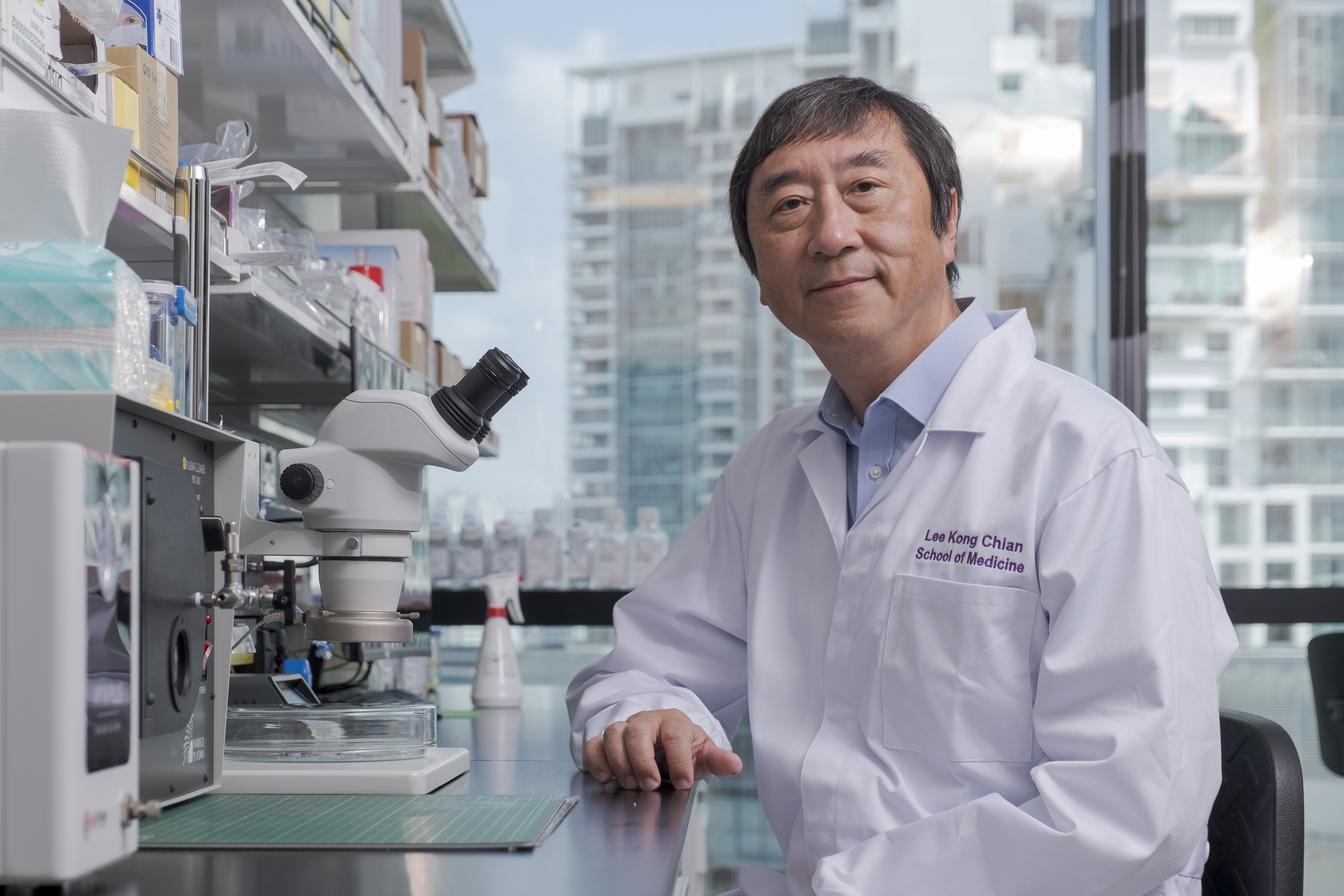
“This investment by funders will propel researchers at our School to fuel discovery and innovations that will advance the science of medicine for the good of humanity. It also demonstrates the School’s growing reputation as a hub for world class research,” said Professor Joseph Sung, Dean of LKCMedicine, who is also NTU’s Senior Vice-President for Health & Life Sciences.
The research grants and awards come from multiple agencies – the National Research Foundation (NRF), National Medical Research Council (NMRC), Ministry of Education (MOE), and Agency for Science, Technology and Research (A*Star) – investing in basic, translational and clinical research.
Prof Sung added, “This success has been years in the making – with good people, good science and a good environment. The School has nurtured our talents, invested in infrastructure and strategic research initiatives, and cultivated a collaborative culture, with the goal of improving human health through research and scientific discovery.”
Examples of how these initial investments by the School have borne fruits include the success of Professor John Chambers and the Population Heath team in securing research grants to advance research into precision medicine in Asian populations; as well as Vice-Dean (Research) Associate Professor Sanjay Chotirmall and the TARIPH Centre in leading a multi-institutional research programme awarded Singapore’s first national programmatic research grant for Asian respiratory health.
These are set to drive scientific discoveries, as seen from many research findings with international relevance that were published last year (2024) such as a study led by Assistant Professor Lim Jue Tao (first author), who worked with researchers from a multi-agency team to uncover how releasing Wolbachia-infected mosquitoes has cut people’s risk of getting dengue by up to 77%. Another example: the work of global scientists on targeted and personalised treatments for Parkinson’s Disease including Associate Professor Foo Jia Nee who is studying 12 new risk loci and how Parkinson’s disease affect Asians.
Strong research award trajectory for 2025 and beyond
The outlook is strong for 2025. As of June, the School has already exceeded awards totalling more than half of that seen in 2024, which tops levels in each of the prior three years from 2021-2023.
Significantly, in 2025, our PIs have secured research awards from multiple agencies to deepen our understanding of Asian disease and develop novel solutions. These include transformative work to develop predictive testing platforms for chronic conditions, testing interventions for vascular dementia, unravelling skin conditions, enhancing mental health diagnostics through AI, and understanding the long-term implications of dengue infection on the immune, brain and heart systems while enhancing vaccines and treatments for infectious disease and cancers.
Just as encouraging, our early career researchers have excelled, with 100% success rate in the 2024 NMRC research grant awards for the Open Fund Young Investigator Research Grants and the Clinician Scientist New Investigator Grant. These emerging talents will contribute to the science of brain health, kidney disease, microbiome and colorectal cancer.
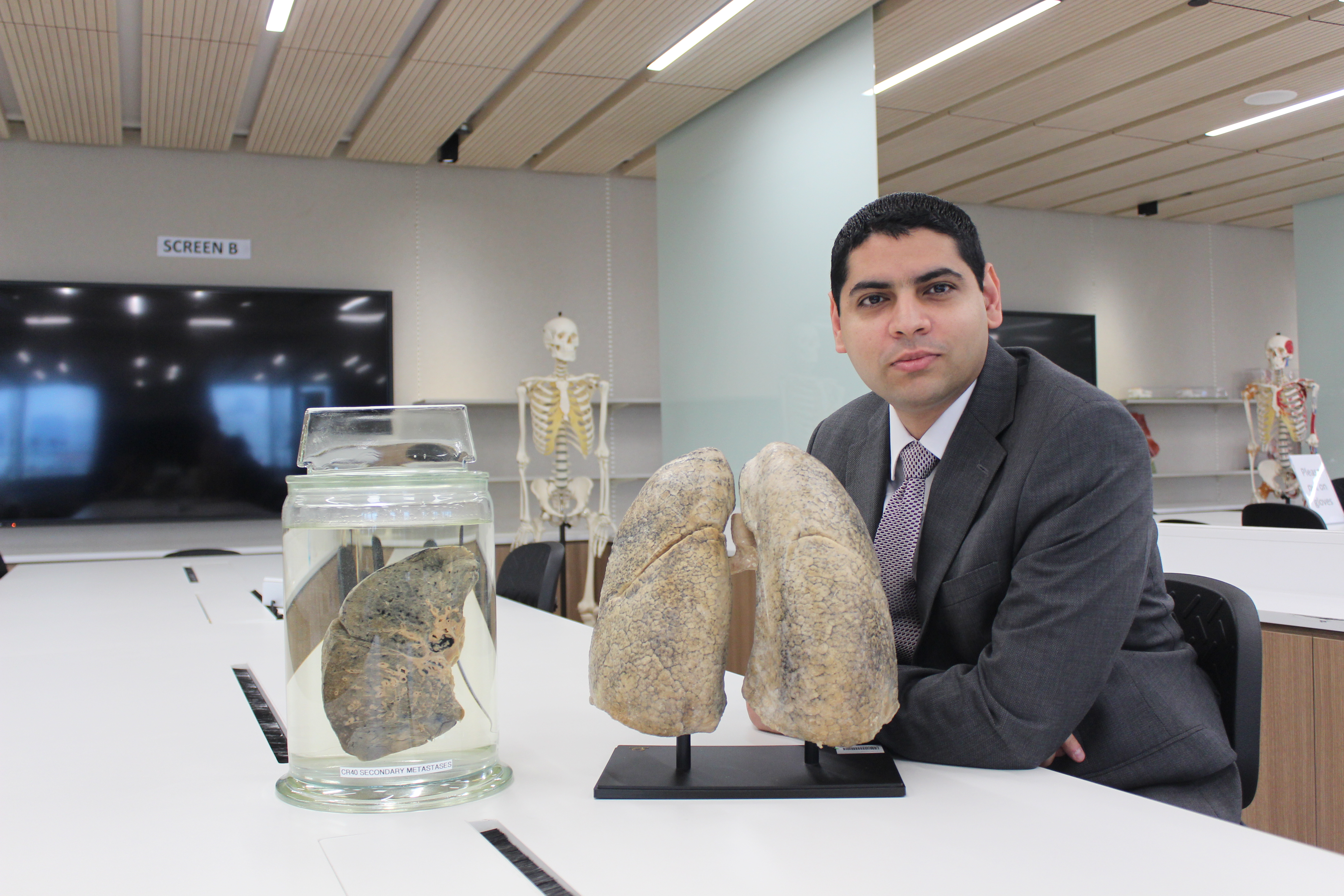
Associate Professor Sanjay Chotirmall, Vice-Dean of Research said, “LKCMedicine’s success in developing transformative research to address national and global needs is a testament of the School’s strong research strategy and focus and the research-friendly eco-system that provides effective support for our faculty and early career researchers.
“Looking ahead, we will further enhance our research focus to tailor medical solutions not only for global needs but importantly for Asian populations, invest in talents and state-of-the-art research laboratories, and involve patient partners to collaborate in patient-centred research”.
To further expand the School’s research focus, two new research programmes have been introduced this year, in Cancer Discovery and Artificial Intelligence, while remaining committed to developing Primary Care research. This is in addition to working closely with NTU to catalyse other transformative areas in healthcare through the Centre for AI in Medicine (C-AIM), the Asian Centre for Health Behavioural Insights and Interventions (HABITS) and development of the Academic Health System (AHS) and Academic Clinical Programs (ACPs) with NHG Health – the School’s primary clinical partner.