
News from NHG: Technology, Medicine and the Clinician
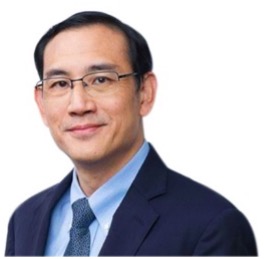 | By Professor Benjamin Seet |
Technology plays a complex and sometimes paradoxical role in modern health systems. While innovations such as Artificial Intelligence (AI), genomics, and digital health solutions offer the promise of alleviating pressures from ageing populations, chronic illnesses, and workforce shortages, they also bring new challenges – ranging from increased diagnostic tests to greater complexity in patient care.
This evolving landscape calls for a thoughtful reassessment of how we approach technological innovation in healthcare. Instead of simply embracing the latest advancements, clinicians must serve as careful stewards, weighing the benefits of new tools against considerations like accountability, cost-effectiveness, and, most importantly, patient-centred outcomes. As we navigate these changes, it is essential to keep real-world value at the forefront – an ethos that remains central to NHG’s mission.
NHG Group Chairman Medical Board (Research) Professor Benjamin Seet shares more on the shifting landscape of clinical care, and why real-world value must remain paramount as it does at NHG.
Technology and healthcare are intertwined in a 21st century Gordian knot. We look to technology to relieve some of the pressing challenges facing health systems today – a rapidly ageing population, rising prevalence of chronic diseases, rising healthcare costs, and growing demands on finite health resources.
We lean towards more and better technologies to find answers to these challenges – to provide more precise and effective treatments; to deliver more efficient health services; to become a multiplier for the health workforce; and to empower patients to better look after themselves.
But at the same time, the solutions themselves create new dilemmas, and the link between technology and health becomes a growing and intractable knot.
With more sensitive screening tools, we add more patients to already busy clinics and hospitals. I recall that when the Singapore military introduced electrocardiography as part of routine medical screening, it fuelled demand for additional cardiac testing, and created a surge in cardiology referrals. More effective medical screening will lead to more tests, scopes, scans, surgeries, and specialist care.
With precision medicine, we can tailor treatments based on an individual’s predicted risk, likelihood of response, and chances of disease progression. However, genetic and multi-factorial risks are not easily interpreted or communicated, and it remains uncertain whether population-level genomic screening saves or generates higher costs.
With advanced therapies, we can now treat previously untreatable diseases. Adoptive immune cell therapy can bring advanced cancer into regression, and refractory autoimmune disease into remission. Gene therapies can cure blindness, blood disorders, as well as degenerative brain and spinal cord diseases. However, these are very costly, and add substantial complexity to clinical care. Higher survival rates also means that we end up with more patients living longer with serious disease or disability.
Digital technologies enable remote, continuous, and real-time monitoring; and can engage patients through interactive nudges. Artificial intelligence (AI) allows us to interpret complex clinical information with greater reliability and speed. This allows clinicians to spend more time with their patients; provides targeted treatments; as well as cuts down on unnecessary admissions, treatments, and procedures.
However, we have observed few AI models scaling beyond a departmental or institutional project. These require clinical validation, compliance with regulations, and a sustainable reimbursement model. AI initiatives also fuel demand for data, bandwidth, and analytical capabilities. The proliferation of AI solutions also means that we need to navigate past the hype and claims. Ultimately, we have to assess whether these bring real-world value to the patient and health system.
Technology is a workforce multiplier, but it breeds new job families of engineers, scientists and technicians to support the backend operations. I can recall that when I first started working as a resident, computers could only be found in the administration department, and you could count the number of IT workers with one hand. IT has now become the fastest growing cost driver in today’s hospitals.
The practice of medicine no longer revolves around the biomedical and clinical sciences. Today, it embraces the data sciences; bioengineering; social and environmental sciences; and economics. Generative AI, for example, reshapes and transforms how we think, learn and communicate with each other, and with our patients. There is a need to retrain and upskill our clinicians to adopt new technologies, whilst at the same time, work through issues like how much we can trust and rely upon a machine or algorithm, and how we consider issues like accountability and liability.
With technology and healthcare, there is no conquering Alexander to splice the growing knot. Our approach to technology must be compelled by necessity, rather than be drawn in by the latest and most compelling technologies. Clinicians must serve as gatekeepers, rather than as pushers of novel technology. We need to take deliberate, but well-considered steps forward, with a constant eye on cost and value, and with the patient firmly on centre-stage.