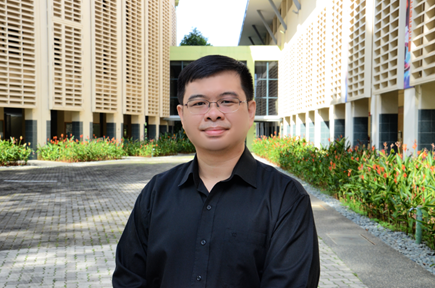
Slow Learning in the AI Era: Professor Chen Wenli on Why Thinking Still Matters
In an interview with CommonWealth Parenting, Professor Chen Wenli, Associate Dean (Research) at the National Institute of Education (NIE), Nanyang Technological University, Singapore, discussed how artificial intelligence is reshaping education and why learners should not become overly dependent on instant answers.
Professor Chen advocates “slow learning” in the AI era, intentionally allowing learners time to think, struggle and work through problems rather than turning immediately to AI for solutions. She cautioned that while AI can help students complete tasks quickly and produce polished work, this does not necessarily mean that meaningful learning has taken place. Genuine learning, she said, requires effort, appropriate cognitive challenge and active learner agency.
She also highlighted the importance of thoughtful instructional design. AI can support personalised and engaging learning, but its educational value ultimately depends on how teachers integrate it into pedagogy. Human teachers remain essential for fostering curiosity, providing emotional connection, guiding ethical development and supporting students’ broader growth.
Looking ahead, Professor Chen suggested that AI could also transform assessment. As digital learning environments increasingly capture students’ learning processes, learning analytics may enable more continuous and unobtrusive forms of assessment, reducing reliance on traditional high-stakes examinations.
At the same time, she stressed that the capabilities students need will also evolve. Beyond producing the “right answer”, learners will increasingly need to know how to collaborate with AI, evaluate information critically, distinguish reliable information from misinformation, and use AI responsibly.
Professor Chen concluded that AI should ultimately serve human flourishing. As technology becomes increasingly capable, the value of authentic human interaction, particularly the role of teachers, may become even more important.
Read the original article here..tmb-listing.jpg?sfvrsn=c964312a_2)