BrainConnects 2026: Shared Signals, Connected Learning
.jpeg?sfvrsn=2dc9ee39_0 "Image (7)")
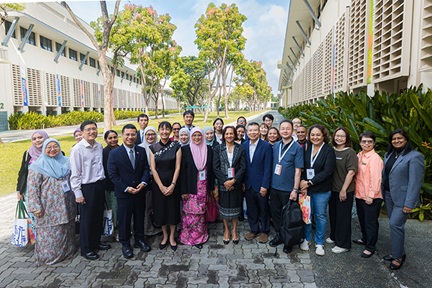
The BrainConnects 2026 conference brought together researchers, educators, clinicians, students, and industry partners from Singapore and around the world to explore the latest developments in neuroscience and their applications to learning, health, and society. Held over four days, the conference held at Lee Kong Chian School of Medicine Novena Campus, featured keynote presentations, scientific symposia, poster sessions, and hands-on workshops, creating valuable opportunities for knowledge exchange and interdisciplinary collaboration.
The event attracted more than 120 participants, demonstrating strong local and international interest in neuroscience research and innovation. Participants included 36 speakers and organisers, 37 NTU participants, 20 local non-NTU participants, and 23 overseas attendees.
A key highlight for the Science of Learning in Education Centre (SoLEC) was the prominent involvement of A/P Teo Wei Peng and Ast/P Alicia Goodwill who contributed to the fNIRS Spotlight Symposium and moderated the Aging Neuroscience Symposium. These sessions brought together leading experts to discuss advances in neuroimaging methodologies, healthy ageing, and brain health research.
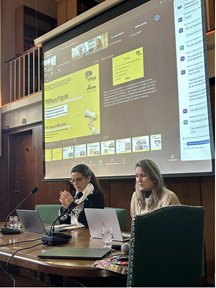
Dr. Jessica Tan, who was one of the featured speakers in the Science of Learning Symposium shared about Interbrain Synchrony. Together with fellow presenters Dr Tan Aik Lim and Mdm Samyuktha who shared about the project RISE-M, they shared research insights on how findings from neuroscience and learning sciences can inform educational practice and improve teaching and learning outcomes. The symposium highlighted the growing impact of interdisciplinary research in advancing evidence-informed education.
The conference also provided a valuable platform for strengthening partnerships between academia and industry. Through engagements with other collaborators, participants explored opportunities to apply emerging neurotechnologies and research innovations in practical settings. Such collaborations play an important role in accelerating translation from research to impact, while fostering innovation across the broader neuroscience ecosystem.
Beyond the formal programme, attendees connected through poster presentations, networking sessions over lunch, and the Early Career Investigator Blitz, which showcased emerging talent and innovative research ideas. The conference concluded with an intensive 2 days fNIRS workshop that provided participants with practical training in experimental design, data acquisition, analysis workflows, hyperscanning, and neurofeedback applications.
For SoLEC, BrainConnects 2026 was an important opportunity to contribute to international conversations at the intersection of neuroscience and education. The conference showcased the collective strengths of a vibrant research community enriched by the active involvement of faculty, researchers and students from CRADLE, CLIC, and CoGNic, including PhD students across NIE and NTU. Together with valued partners such as artinis, NIRx and Med Science, these collaborations exemplified the interdisciplinary and cross-institutional spirit that underpins SoLEC's work, while advancing research and innovation that inform educational practice, policy, and the science of learning.
The timing of the conference was especially meaningful as BrainConnects 2026 also marked SoLEC's 5th Anniversary. This milestone reflects SoLEC's growing research agenda, which explores how learners, educators, technologies, and environments become connected through shared neural, cognitive, physiological, and social signals. By bringing together researchers and practitioners across disciplines, the conference highlighted how these connections can deepen our understanding of learning and contribute to the advancement of the science of learning.
We thank the organisers, speakers, and participants for making BrainConnects 2026 a successful and enriching event and look forward to future collaborations that continue to connect brain science with educational innovation.
.tmb-listing.jpeg?sfvrsn=774cc2b7_1)