
News Story 5: LKCMedicine’s Holistic Palliative Care (HoPE) Programme Marks Milestone with Pioneering Graduates
 | By Sanjay Devaraja |
As Singapore’s population continues to age and the demand for compassionate, patient-centred care grows, palliative care has become an increasingly vital component of the nation’s healthcare landscape. Strengthening the palliative care workforce through advanced education and training is essential to ensure that healthcare professionals are equipped to deliver holistic, person-centred care across diverse settings – a mission that LKCMedicine’s Graduate Certificate in Holistic Palliative Care (HoPE) programme actively supports through its multidisciplinary and flexible learning approach.
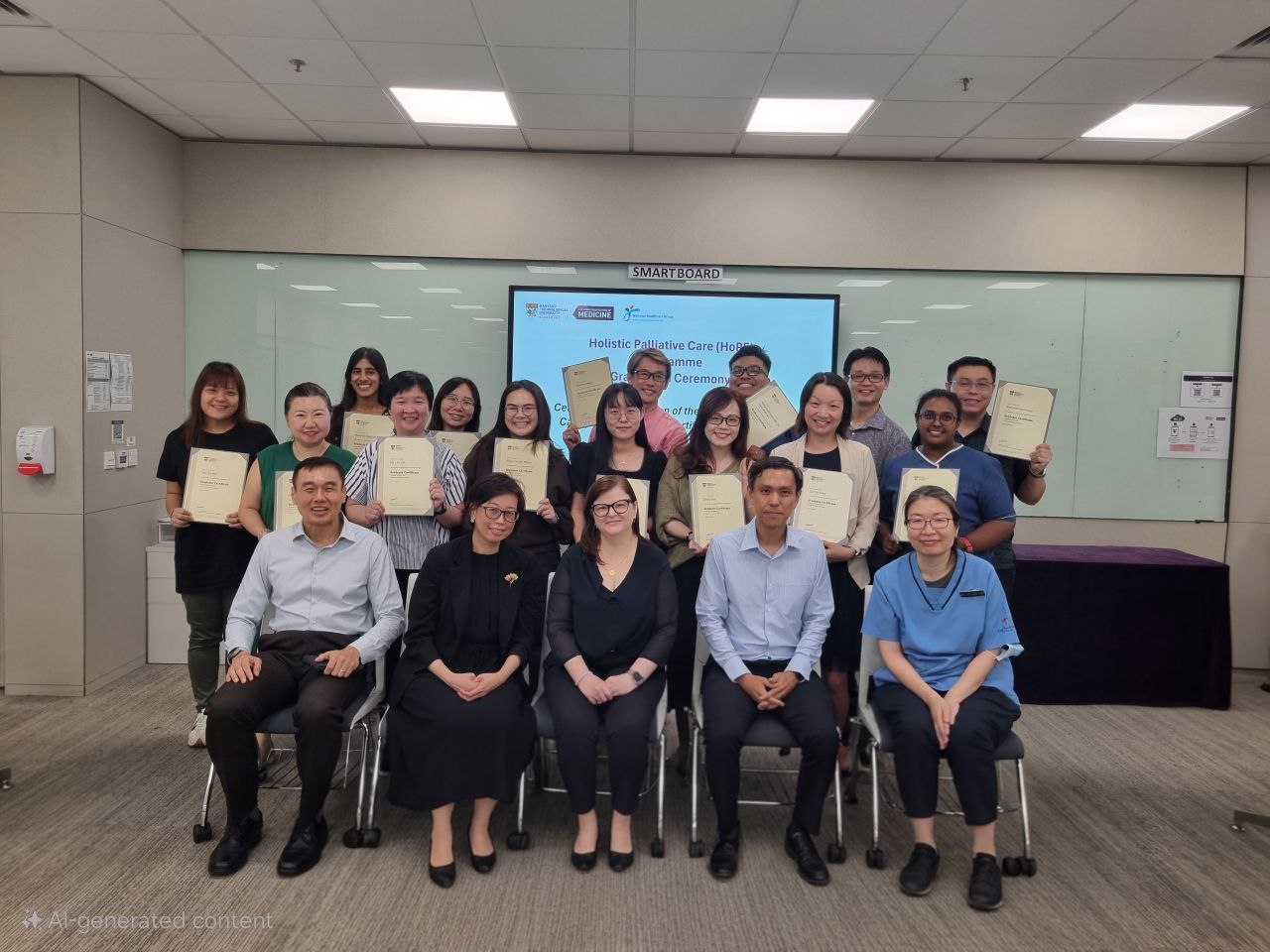
The first cohort of 27 students successfully completed the inaugural Graduate Certificate in Holistic Palliative Care (HoPE) programme on 10 September 2025, marking a key milestone for Singapore’s palliative care education landscape. Assistant Dean (Graduate Programmes, Postgraduate Coursework) Associate Professor Jo-Anne Elizabeth Manski-Nankervis, HoPE Programme Director Dr Emmanuel Tan, HoPE Course Director (Clinical) Dr Allyn Hum and the module leads marked this milestone with the students.
Launched in August 2024, HoPE was developed to strengthen the palliative care workforce by equipping healthcare professionals with practical expertise and formal certification.
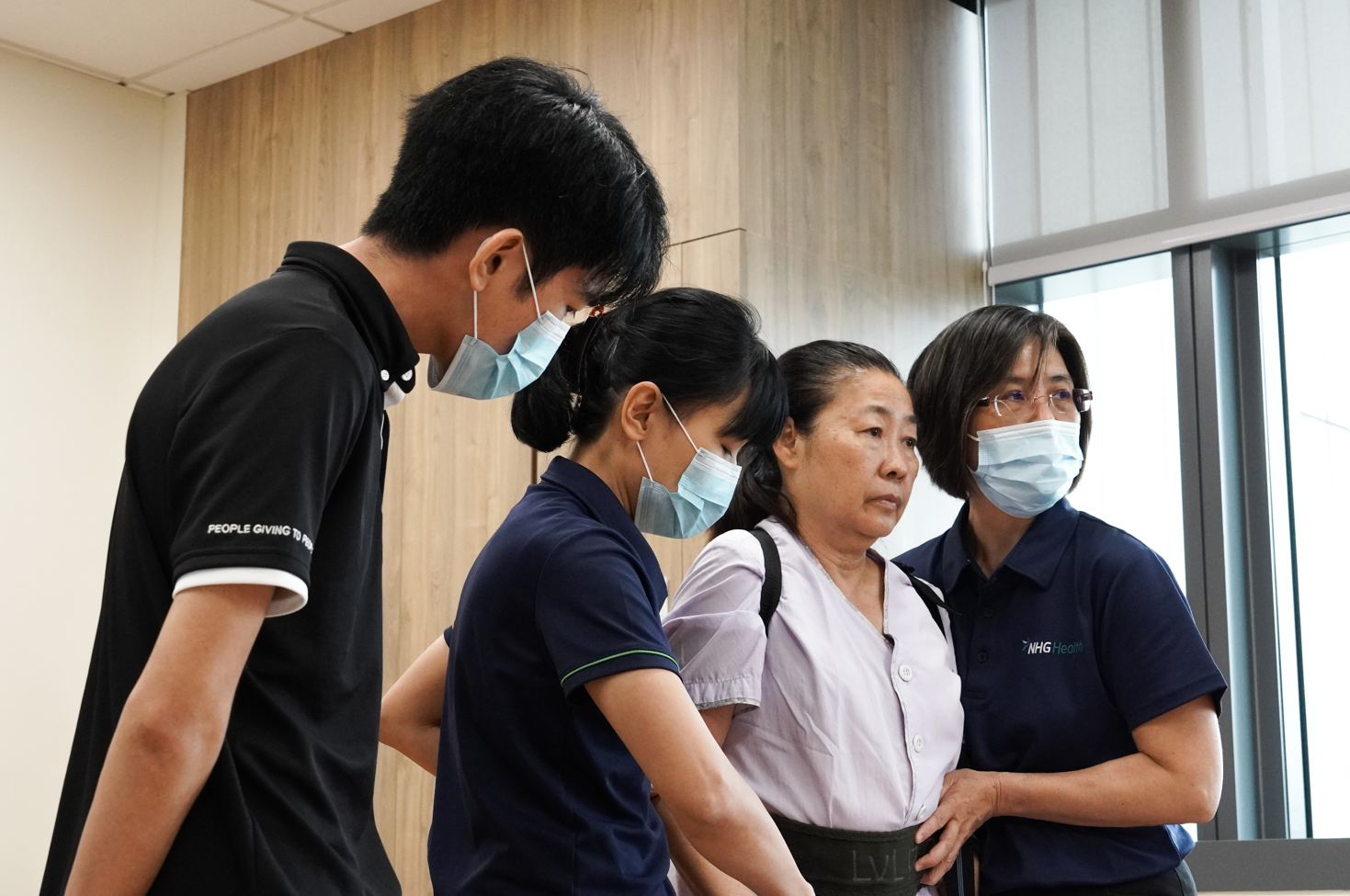
The interdisciplinary programme brings together faculty from diverse clinical and professional backgrounds, mirroring the collaborative nature of palliative care teams. Participants come from a broad range of fields – including medicine, nursing, and allied health – creating an enriching learning environment. Many students have shared that this diversity added immense value to their experience, helping them gain a deeper appreciation of the holistic and interdisciplinary nature of patient care.
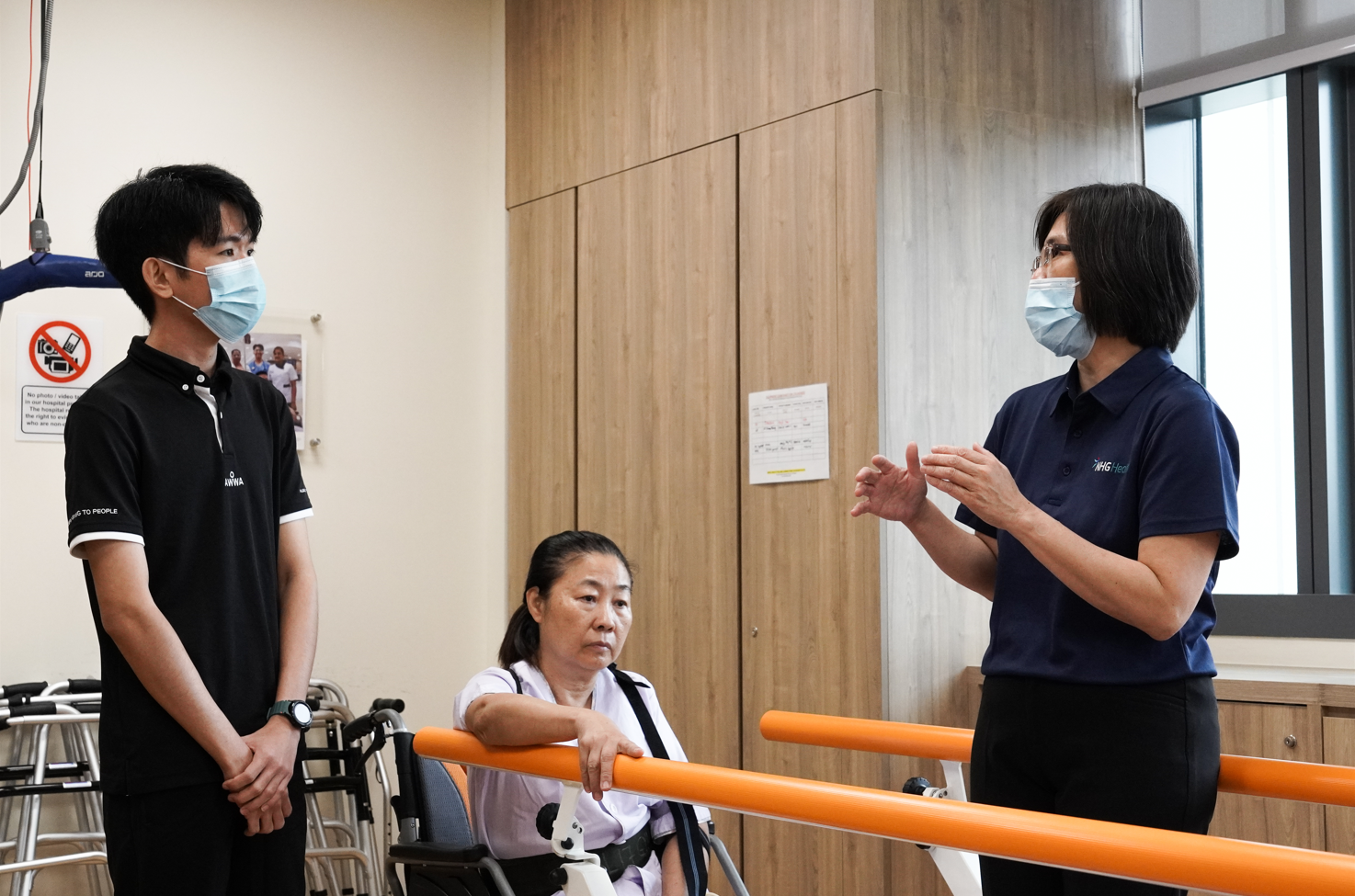
A distinctive strength of HoPE lies in its stackable and flexible learning structure. Learners can begin with the Graduate Certificate, progress to the FlexiMasters, and eventually pursue a Master of Science qualification. This approach allows participants to advance at their own pace while balancing professional and personal commitments. The success of this first graduating class reflects their perseverance and adaptability, as well as the programme’s commitment to fostering lifelong learning and professional growth.
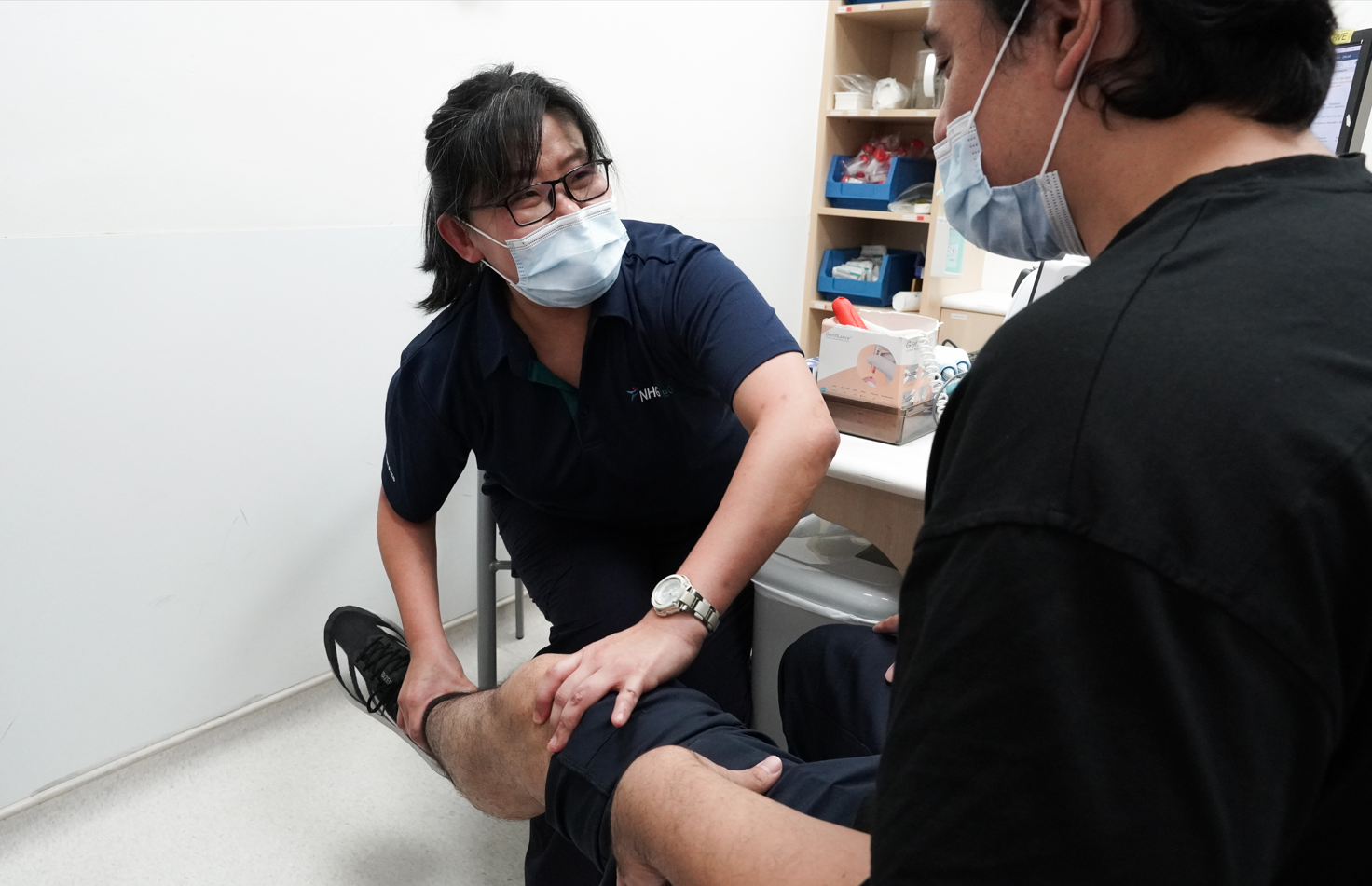
The milestone graduation also highlights the strong leadership and collaboration behind HoPE’s creation. Faculty and administrators worked closely to design a curriculum that is both academically rigorous and grounded in evidence-based practice. Many educators balanced teaching with demanding clinical commitments to deliver an engaging and transformative learning experience.
As the inaugural graduates celebrate their achievements and with some continuing on to the FlexiMasters and beyond, the success of this first cohort sets a solid foundation for future participants who aspire to advance the practice and education of palliative care in Singapore and the region.