
Alumni Profile: Dr Benjamin Lee Earns Top National Recognition in Family Medicine
 | By Chia Jin Wen Zachary |
On November 1 last year, Family Medicine was officially recognised as Singapore’s 36th medical specialty, reaffirming the vital role and contributions of family physicians in delivering holistic healthcare in Singapore. Family physicians serve as a cornerstone of integrated care, coordinating multi-disciplinary services within the community to ensure patients receive continuous, person-centred care. It is therefore with much pride that LKCMedicine celebrates the recent achievement of one of our alumni, Dr Benjamin Lee.
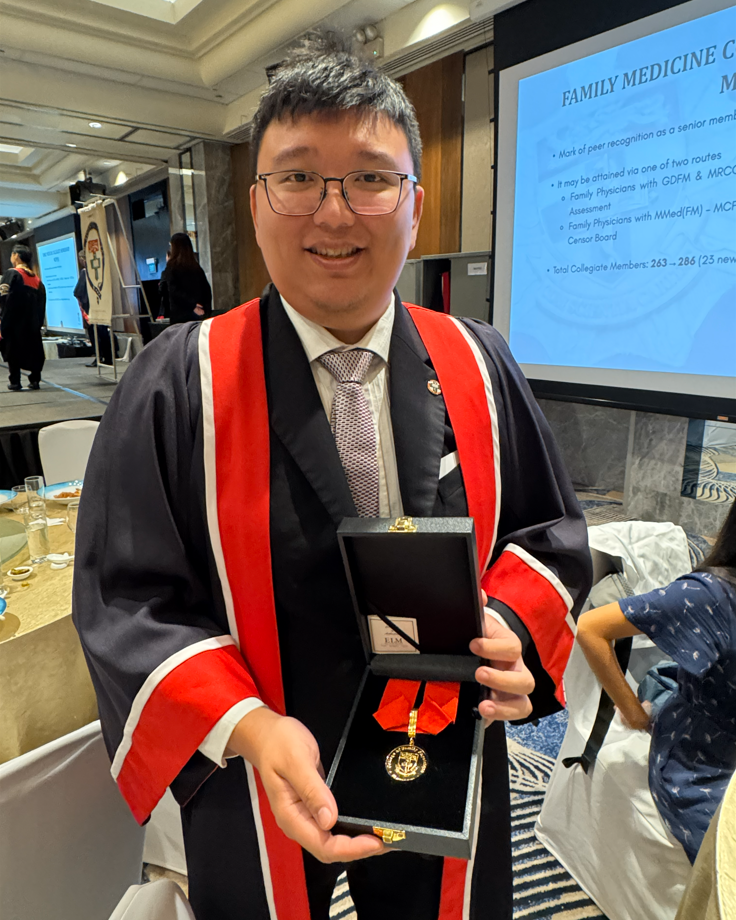
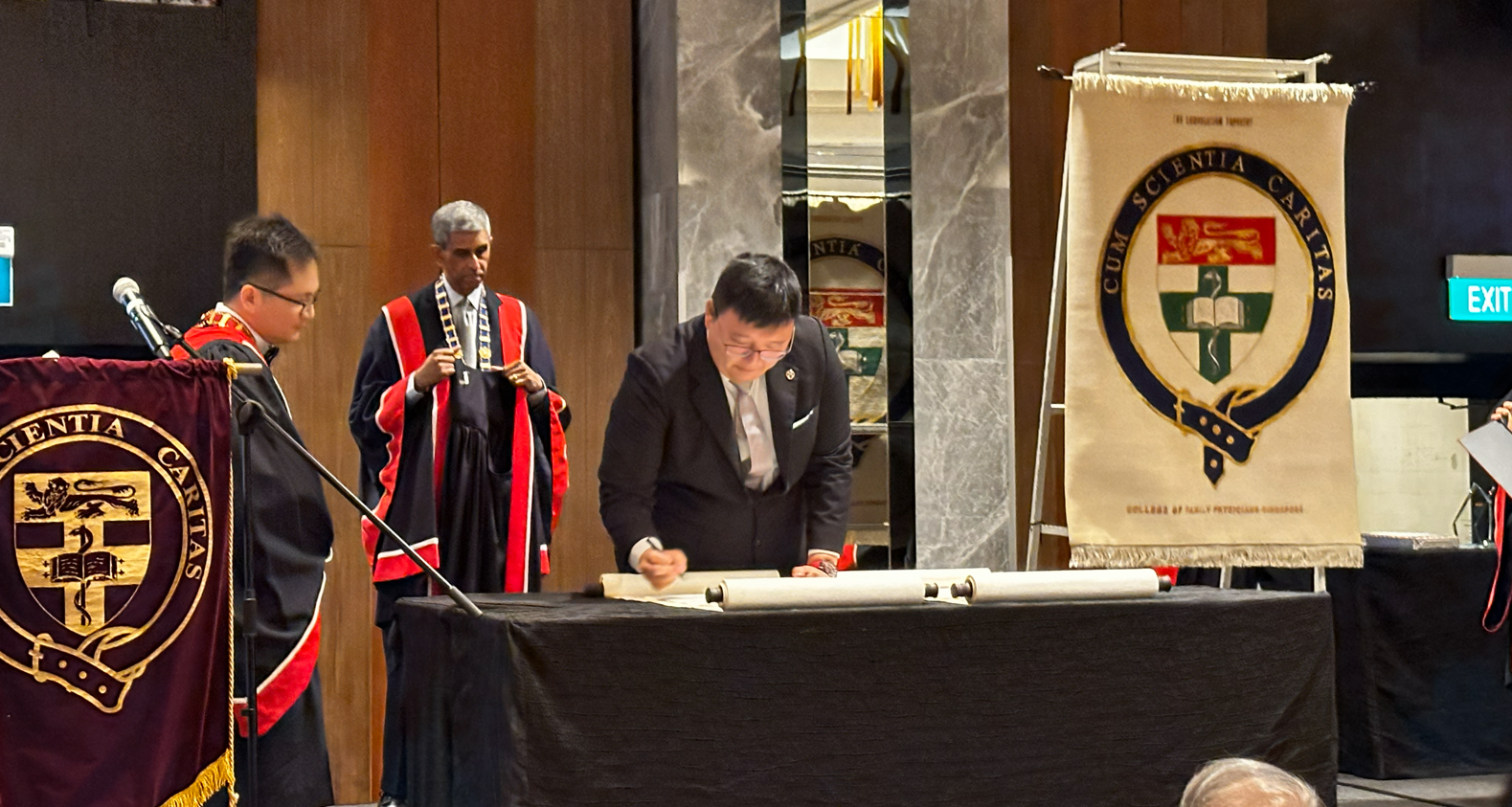
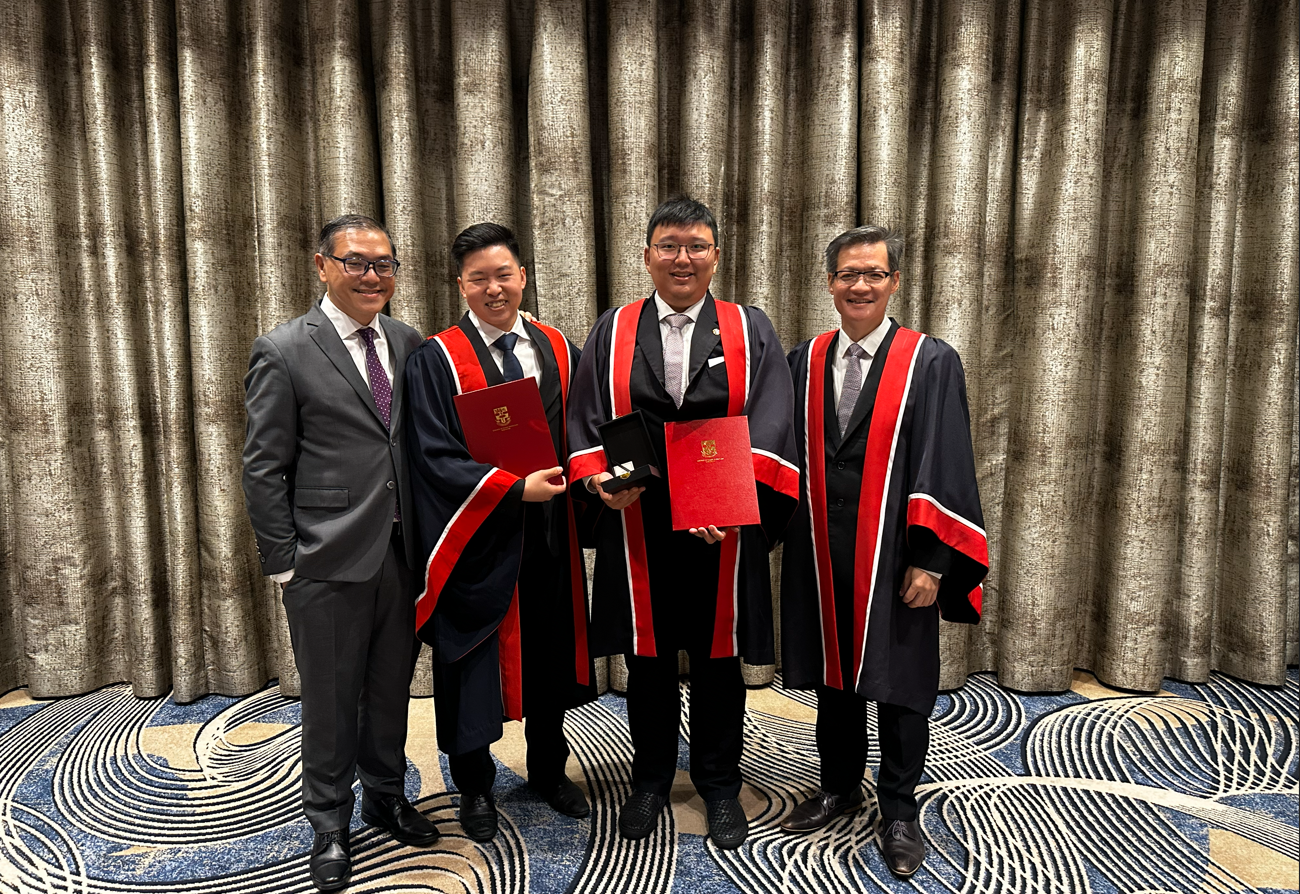
Dr Lee, who is from the pioneer cohort of 2018, was awarded the prestigious Goh Eng Kheng Gold Medal as Singapore’s top candidate in the Fellowship of the College of Family Physicians (FCFPS) examinations – the final qualifying assessment for Family Medicine specialists. A family physician at the National Healthcare Group Polyclinics, Dr Lee is committed to caring for patients across all life stages. He exemplifies the cradle-to-grave approach that defines the specialty. With a keen interest in mental health, he also leads the Health and Mind Clinic Service, which integrates psychological wellbeing into comprehensive primary care. What drives Dr Lee to do what he does best? We speak to him.
Congratulations on passing the FCFPS examination and receiving the Goh Eng Kheng Gold Medal! Can you share what this achievement means to you personally and professionally?
Personally, it shows me that choosing Family Medicine (FM) has been worth it and vindicates my choice to pursue this path. There were moments during my journey when I questioned whether I was on the right track choosing FM, especially given the demanding nature of fellowship training and maintaining full clinical responsibilities. This recognition affirms that the sacrifices, the long hours of study, and the commitment to continuous learning have been meaningful and worthwhile.
The gold medal also represents validation of the values that drew me to FM in the first place – the belief in comprehensive, patient-centred care and the importance of the doctor-patient relationship. It reinforces my conviction that this was the right decision for me, and that there is excellence to be found in being a generalist who can care for patients across the entire spectrum of health and disease.
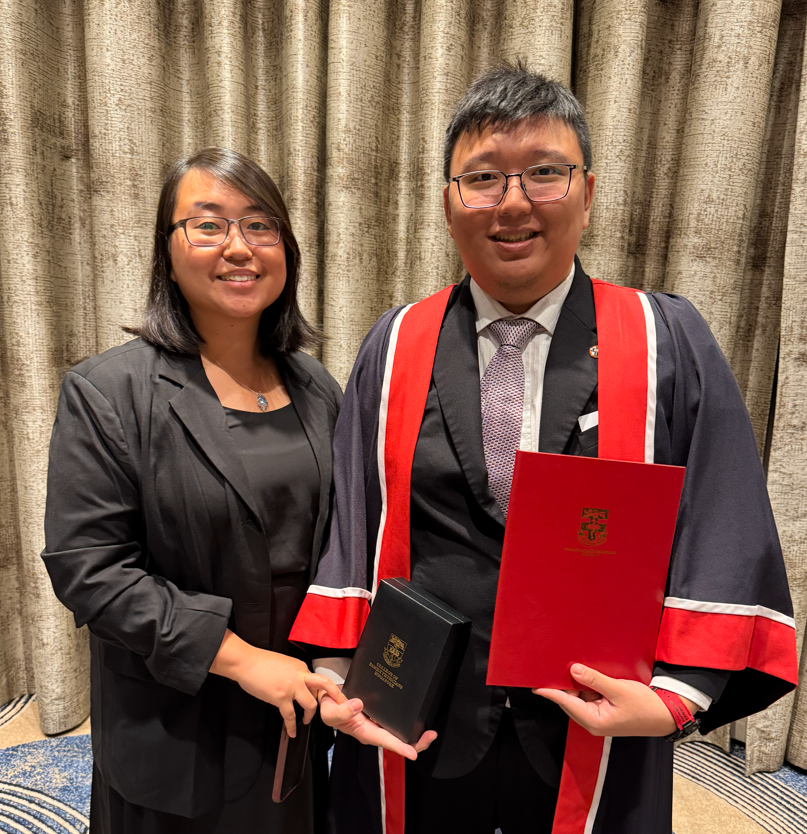
Professionally, this achievement creates opportunities that I'm excited to explore. I hope to contribute more meaningfully to the advancement of FM during this pivotal time when our specialty has gained formal recognition. I see it as a platform to influence policy, contribute to medical education, and mentor the next generation of Family Physicians. The recognition will also enhance my credibility when advocating for the role of FM in various healthcare settings.
The examination process itself also reinforced my interest in professionalism, ethics, and leadership, all examinable components. This has motivated me to further deepen my expertise in these areas, as these foundational elements are crucial for the continued development of our specialty and for maintaining the trust that patients place in us.
Most importantly, this achievement reminds me of my responsibility to my patients and to the profession. It's not just about personal recognition but about using this platform to improve healthcare delivery and patient outcomes in whatever capacity I can serve.
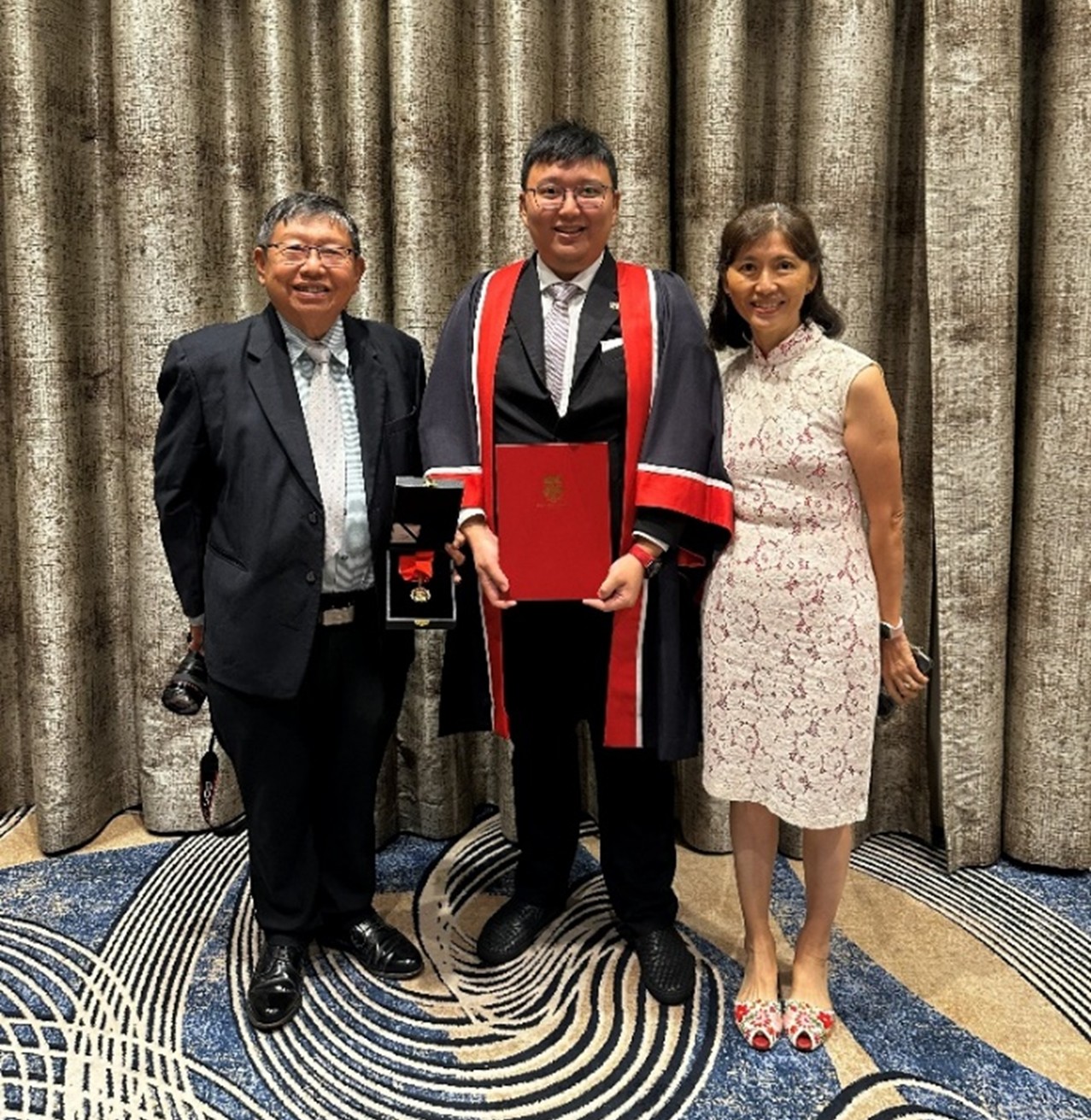
Winning the Gold Medal is not only a personal triumph but also a national recognition. How do you hope to use this platform to inspire your peers or juniors in medicine?
I see this recognition as an opportunity to showcase that there are diverse and rewarding paths available in FM, based not only on interpersonal characteristics and intrinsic talent, but also on rigorous clinical excellence and academic achievement.
FM is genuinely exciting, especially with the new developments we're witnessing, including formal recognition as a specialty and expanded opportunities in various healthcare settings. I would encourage anyone considering their career path to experience FM practice firsthand - to get that broad overview of healthcare systems and truly understand where patients begin their healthcare journey. There's something uniquely fulfilling about being the first point of contact and maintaining continuity of care throughout a patient's life.
What I found particularly compelling about our specialty is that its breadth means there are paths and roles suited for each individual. Whether someone is drawn to research, clinical excellence, medical education, healthcare administration, or community health initiatives, with the requisite talent, FM offers opportunities to pursue these interests whilst maintaining that core patient-centred approach. There's both unity in our shared values and diversity in how we can express and apply those values depending on the setting.
I hope to use this platform to demonstrate that pursuing excellence in FM can be both academically rigorous and professionally rewarding, and that choosing breadth over narrow specialisation doesn't necessarily mean compromising on depth of knowledge or clinical expertise. I also hope to mentor junior clinicians and medical students especially at LKCMedicine and am particularly heartened that LKCMedicine provides excellent training in FM.
What inspired you to specialise in Family Medicine in the first place?
My inspiration to specialise in FM arose from several interconnected factors that crystallised during my medical training, each reinforcing my conviction that this was the right path for me.
The intellectual appeal of broad-based care was fundamental to my decision. I was deeply drawn to the challenge and satisfaction of maintaining competency across an enormous breadth of medical knowledge whilst developing the clinical reasoning skills necessary for comprehensive patient management. There's something uniquely fulfilling about being able to address diverse conditions and health concerns within a single practice, requiring you to think holistically rather than focusing on isolated organ systems.
This breadth naturally led to my appreciation for the ownership and autonomy that comes with being a principal doctor. In FM, you truly become the backbone of a patient's healthcare team, coordinating care across multiple specialists whilst maintaining primary responsibility for their overall wellbeing. This level of clinical responsibility appealed to my desire to take comprehensive ownership of patient outcomes rather than managing just one aspect of their care.
The continuity of care that Family Medicine offers became equally compelling as I progressed through my training. The prospect of building long-term therapeutic relationships with patients and their families, understanding their social contexts, cultural backgrounds, and personal values throughout their life journey felt far more meaningful than episodic specialist encounters. Being someone's trusted healthcare partner through life's milestones and challenges aligned perfectly with my vision of what medicine should be.
My growing interest in mental health within the community setting helped to solidify this choice. Primary care is often the first and most accessible point of contact for patients experiencing mental health challenges, and I was inspired by the opportunity to integrate psychological care with comprehensive medical management in a less stigmatised environment. To further this. I completed my Graduate Diploma in Mental Health early in my medical career, preparing me to better serve this crucial aspect of patient care.
The mentors I encountered throughout this journey also played an instrumental role in shaping my decision. During my Student Assistantship Program posting, Dr Low Kang Yih at Ang Mo Kio Polyclinic demonstrated the profound impact that dedicated Family Physicians can have on their communities. Similarly, my LKCMedicine mentors Dr Richard Lee and Dr Wong Teck Yee showed me that Family Medicine could be both academically rigorous and deeply rewarding.
Finally, I was attracted to the preventive and public health dimensions inherent in Family Medicine - the ability to intervene early, educate patients about healthy lifestyle choices, and address social determinants of health at both individual and community levels. This proactive approach to healthcare, focusing not merely on treating disease but on promoting wellness and improving population health outcomes, resonated strongly with my values and long-term career aspirations.
How has your LKCMedicine training prepared you for the demands of being a family physician today?
My LKCMedicine training has been instrumental in preparing me for the multifaceted demands of FM practice, particularly through three key areas that are essential to effective primary care.
Firstly, the strong clinical foundation provided by LKCMedicine has equipped me with the knowledge base necessary for detailed discussions with patients across the broad spectrum of conditions we encounter in FM. This comprehensive grounding allows me to engage in meaningful shared decision-making processes, where I can present treatment options, explain potential risks and benefits, and truly enable patients to make informed decisions about their care. The curriculum's emphasis on evidence-based medicine ensures that these discussions are rooted in current best practices whilst remaining accessible to patients from diverse backgrounds and educational levels.
The clinical communications training at LKCMedicine has been particularly valuable in developing the empathy and communication skills essential for FM practice. Learning to listen actively, respond with compassion, and communicate complex medical information in understandable terms are fundamental to my daily practice. These skills are crucial when dealing with sensitive topics, delivering difficult news, or supporting patients through challenging health journeys. The emphasis on patient-centred communication has taught me to see beyond the presenting complaint and understand the person behind the patient, which is at the heart of effective FM.
Perhaps most significantly, the ethical and moral compass instilled through my training, particularly through the guidance of professors like Prof Pang Weng Sun and Prof Chin Jing Jih, has shaped how I approach every clinical decision. Their teaching emphasised the importance of viewing each patient interaction through a moral and ethical lens, considering not just the medical aspects but also the broader implications for the patient's wellbeing, autonomy, and dignity. This ethical framework is invaluable in FM, where we often encounter complex situations involving end-of-life care, resource allocation, confidentiality issues, and competing interests between family members.
Tell us what your experience was like graduating from the pioneer cohort.
If I had to describe my experience graduating from the pioneering cohort in one word, it would be "blessed". I retain incredibly fond memories of my time at LKCMedicine, and I truly believe we were blessed not only by the personalised clinical teaching we received, but more importantly by learning the ethics and ethos of what it truly means to be a good clinician. I also fondly remember being taught by luminaries such as Prof Tham Kum Ying, Dr Wong Teck Yee, and Dr Richard Lee, whose wisdom and guidance shaped my approach to medicine and guided me towards my decision for broad-based generalised care and a career in FM.
I particularly cherish LKCMedicine’s Team Based Learning (TBL) sessions which fostered both thought-provoking discussions and lighthearted moments, often followed by class bonding activities like online trading card game sessions. I fondly recall TBL sessions facilitated by Dr Preman Rajalingam, learning alongside the future stars of my batch who are now excelling across various specialties, as well as ethics sessions by Prof Pang Weng Sun and Prof Chin Jing Jih, who masterfully mixed serious ethical teachings with plenty of humorous anecdotes.
Post-graduation, I've been further blessed to work alongside not only my classmates but also my clinical teachers, who continue to share insights on becoming a better doctor and offer professional career guidance. This has enabled me to work within NHG throughout my residency, with bonds lasting through and beyond fellowship training, creating a continuous thread of learning and collaboration throughout my medical career.
Overall, I reminisce about my time at LKCMedicine with tremendous fondness, and I'm sure my fellow batchmates would agree.