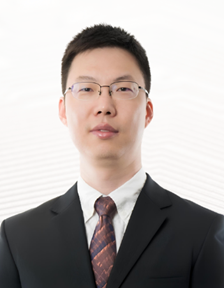
Meet Asst Prof Qiu Dawei, NTU EEE’s New Faculty Member

Singapore’s transition towards a smarter and more sustainable energy future is accelerating — and helping shape that future is newly appointed Assistant Professor Qiu Dawei.
Joining NTU EEE in May 2026, Asst Prof Qiu brings with him an international academic journey spanning the United Kingdom and Singapore, alongside research that sits at the intersection of energy systems, artificial intelligence, and sustainability.
But behind the technical language of “electricity market design” and “AI-enabled power systems” is a simple and deeply human motivation: ensuring that future energy systems remain reliable, affordable, and environmentally sustainable for everyone.
“Power systems are at the centre of the global climate challenge,” he shares. “They must decarbonise rapidly, but at the same time continue operating securely every second of every day.”
Originally trained in Electrical and Electronic Engineering at Northumbria University, Asst Prof Qiu later pursued a Master’s degree in Power System Engineering at University College London before completing his PhD in Electrical Engineering at Imperial College London. He subsequently worked at both Imperial College London and the University of Exeter, where he developed his independent research programme in smart energy systems.
His research today focuses on how future electricity systems can adapt to growing renewable energy use, increasing electricity demand, and the emergence of technologies such as electric vehicles, battery storage, and smart grids.
One area he is particularly passionate about is helping energy systems become more “flexible”. In practical terms, this means finding smarter ways for energy resources — from electric vehicles to home batteries — to work together and support the grid during periods of stress or disruption.
He also develops AI and reinforcement learning methods that help power systems make intelligent decisions under uncertainty, such as managing fluctuating renewable energy supply or changing electricity demand patterns.
“What excites me most is the opportunity to bridge rigorous research with real-world impact,” he says. “The energy transition is one of the defining challenges of our time, and it requires collaboration across engineering, AI, economics, and policy.”
For Asst Prof Qiu, joining NTU EEE was a natural next step. He was drawn by NTU’s strong global reputation, interdisciplinary research environment, and Singapore’s growing role as a regional hub for sustainable urban innovation.
He believes Southeast Asia presents some of the world’s most important opportunities — and challenges — in future energy systems.
“The region is experiencing rapid electricity demand growth and increasing renewable integration. That makes NTU an ideal place to conduct impactful research that can contribute not just to Singapore, but to the wider region.”
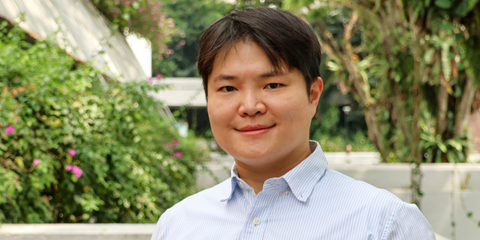
Beyond research, colleagues and students may discover another side to him outside the laboratory and classroom. An avid fan of hiking, football, and basketball, Asst Prof Qiu values balance, curiosity, and the importance of staying connected to people beyond academia.
Having lived and worked across multiple countries and institutions, he also brings a global perspective to his work — one grounded in the belief that technological solutions must ultimately remain practical, accessible, and human-centred.
As NTU EEE continues advancing research and education for the future, Asst Prof Qiu joins the community with both ambition and purpose: helping build energy systems that are not only smarter and greener, but also more resilient for generations to come.
3717678206124c3eaf22e7fd0e506df6.tmb-listing.png?sfvrsn=d6052b4a_2)