
.png?sfvrsn=990d40f9_0)
Celebrating 45 Years of Innovation: NTU EEE (1981–2026)
Engineering the Next Generation
As NTU EEE marks 45 years of excellence, we celebrate a remarkable journey defined by courage, innovation, and transformation—one that began with a bold vision to educate engineers for a rapidly changing world and has since evolved into a global legacy of impact in education, research, and technological advancement.
While this milestone honours the generations of students, faculty, staff, alumni, and partners who have shaped our story, it also reflects our unwavering commitment to boldly invest in the future, engineer the next generation of talent and ideas, and continue shaping breakthroughs that will create a better tomorrow for Singapore and the world.
.jpg?sfvrsn=da881d5e_1 "EEE45 Web Banner (grey)")
.jpg?sfvrsn=babeb9f9_1 "EEE45 Web Banner (color)")
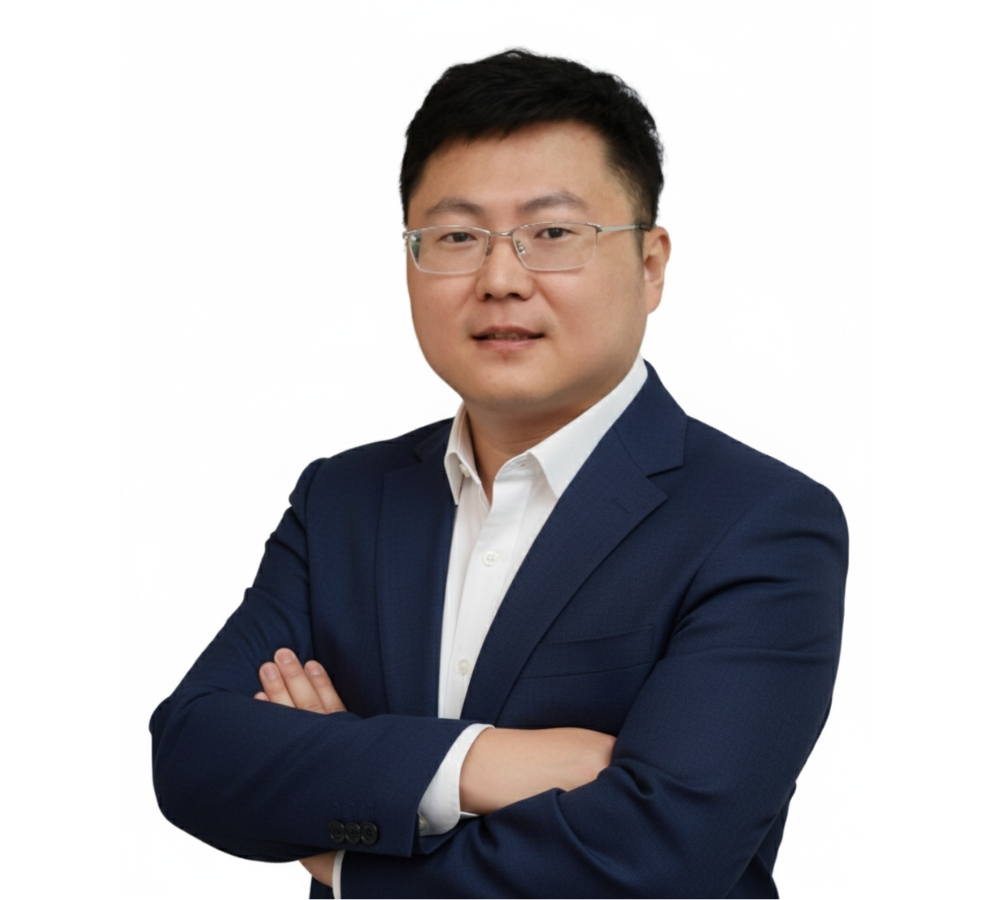
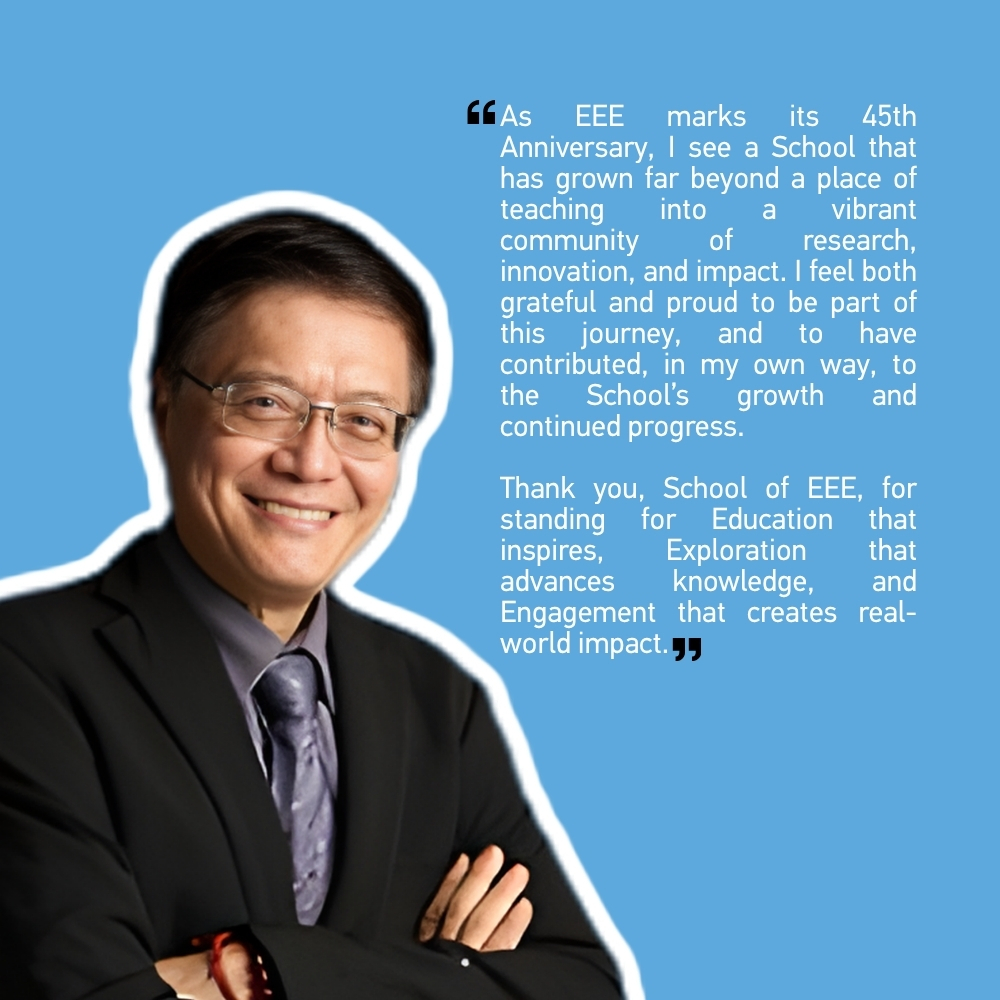
A message from Prof Gao Weibo, Chair of NTU EEE
As one of the founding schools of NTU, EEE has grown from its infancy into a thriving institution over the past 45 years. With the largest alumni community among all NTU engineering schools, we have nurtured tens of thousands of talented graduates who continue to serve and uplift our society. EEE has also evolved significantly—from a teaching-intensive school into a research-intensive powerhouse, becoming a comprehensive and well-rounded institution.
At this meaningful milestone of the EEE45 Anniversary, we look back with gratitude on the treasured milestones and fond memories that have shaped our journey. More importantly, we stand on the shoulders of past successes as we look ahead—towards new heights, greater discoveries, and an even broader impact.
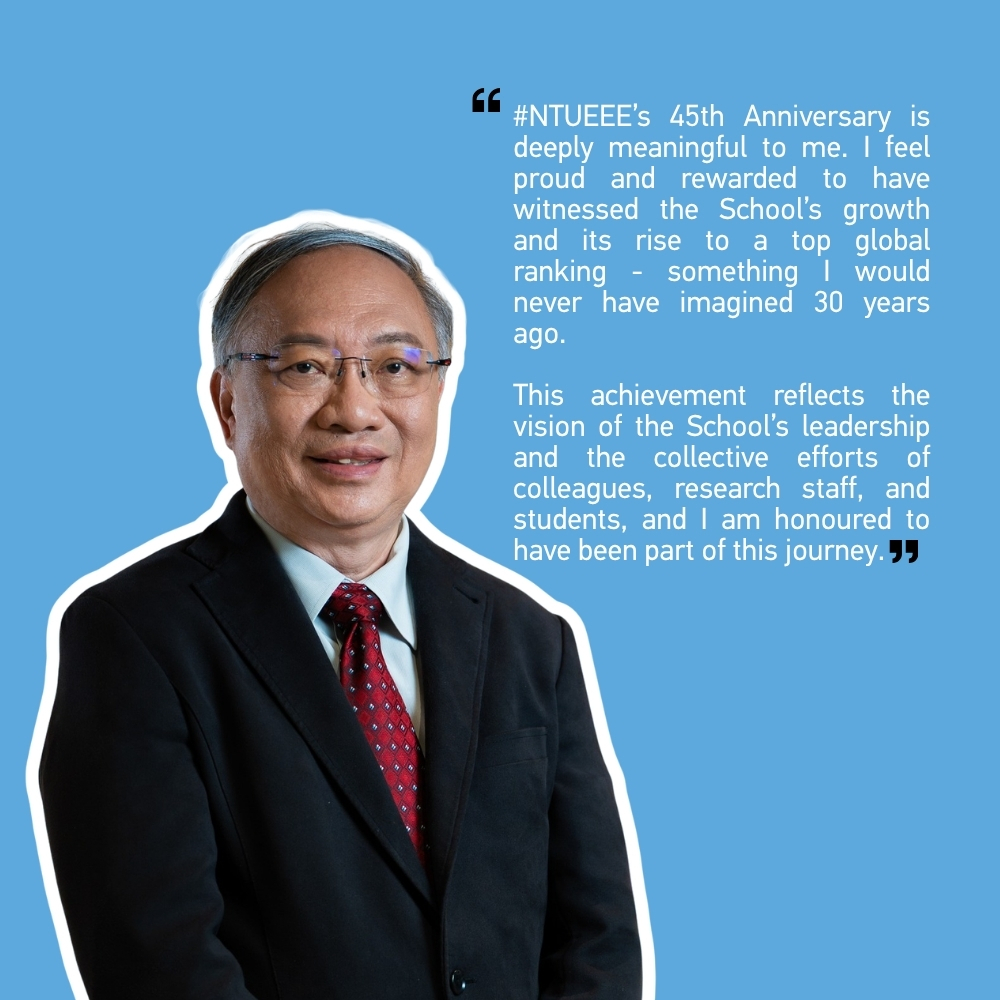
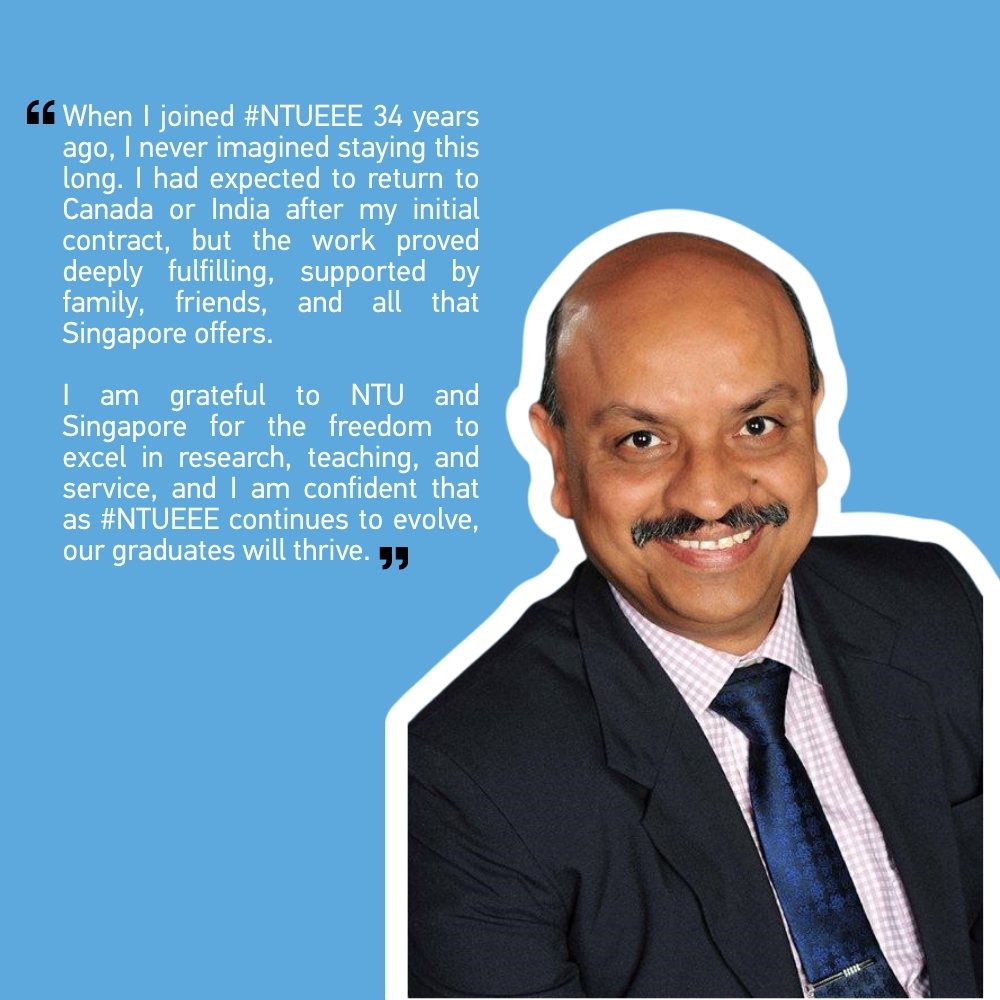
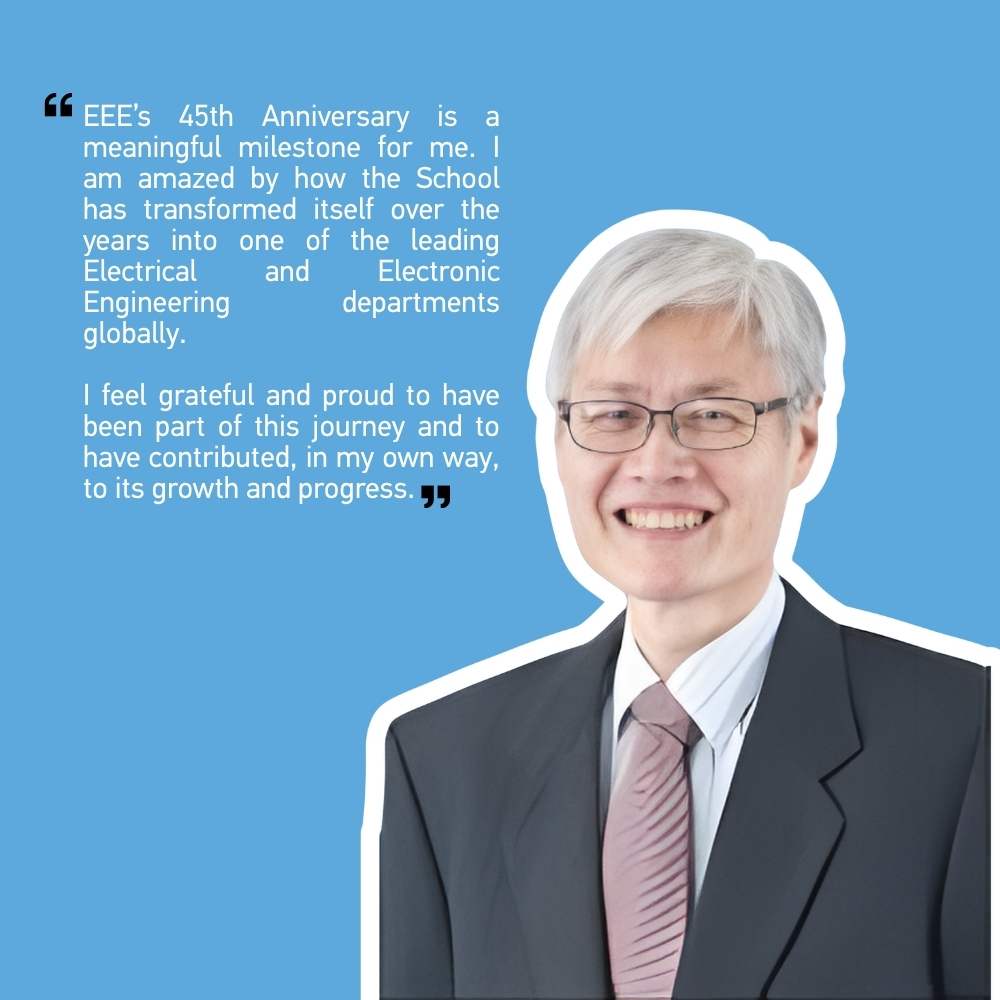
Stories of Our People
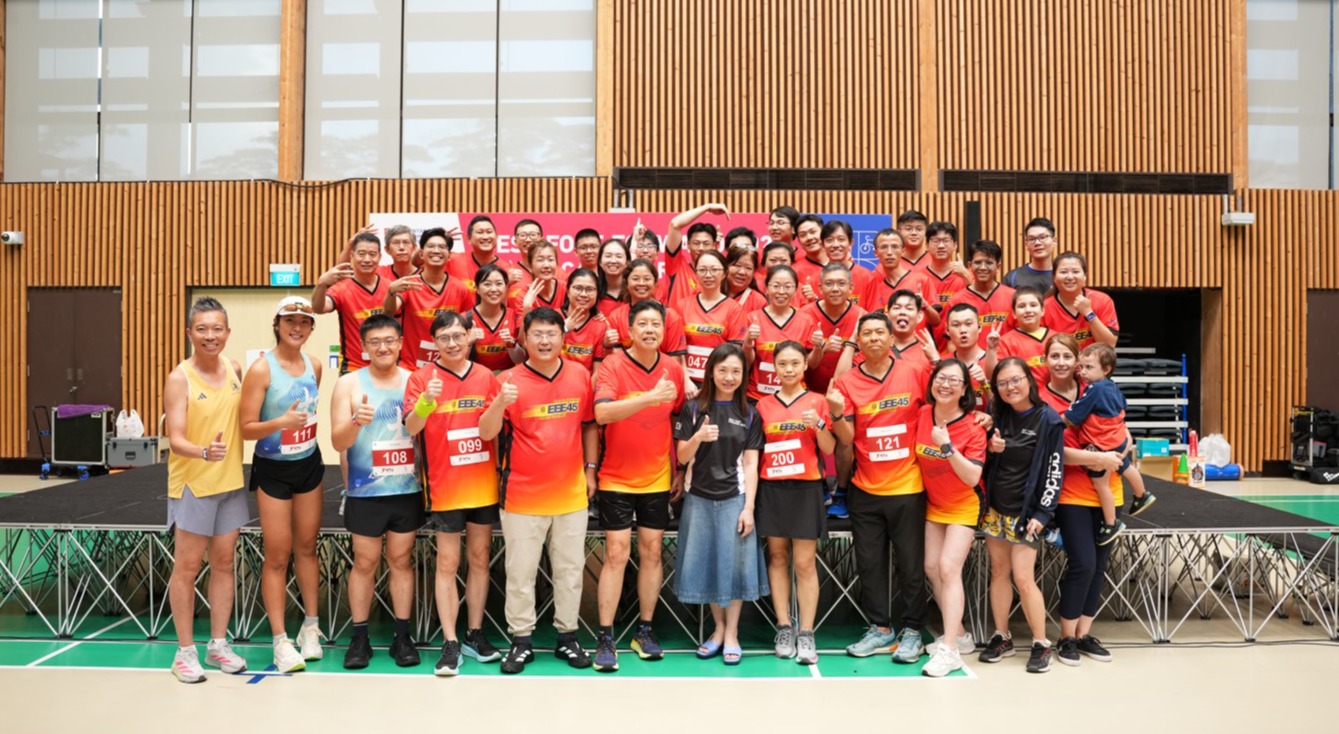
Bringing EEE45 to Life
Explore the highlights of our 45th anniversary celebrations through a series of events and activities that brought our community together. These moments capture the energy, pride, and shared joy of commemorating this milestone.
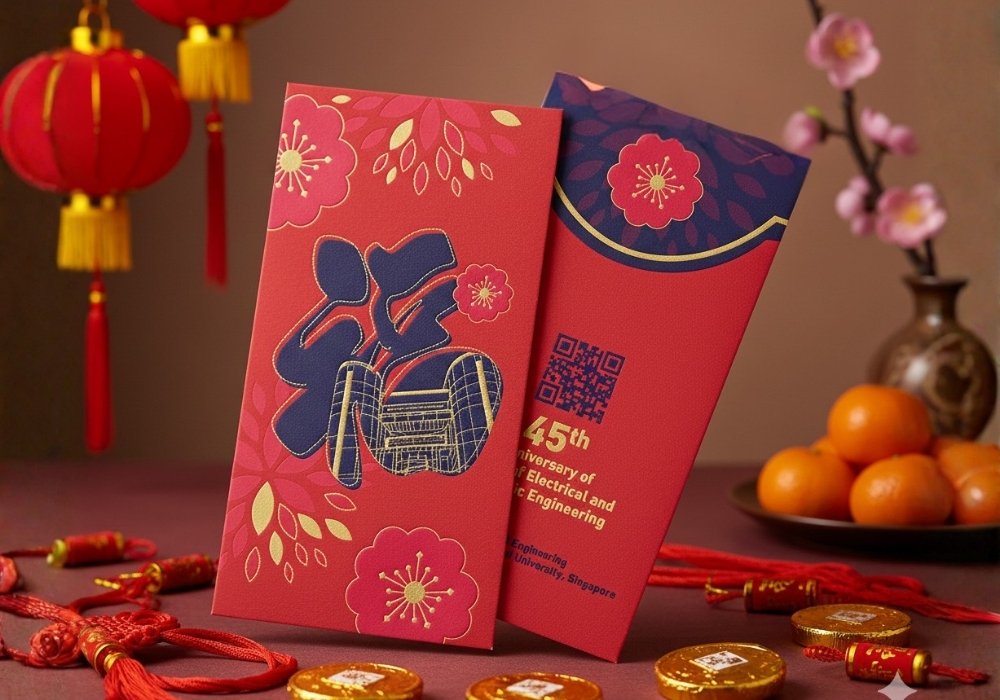
EEE45 Red Packet
Our Journey
The story of NTU EEE begins with the establishment of the Nanyang Technological Institute (NTI) in 1981. With Singapore’s rapid industrialisation in the early 1980s, there was a pressing need for skilled engineers who could fuel the nation’s transformation into a high-technology economy. In response, NTI was founded on 8 August 1981 with the charter to train a substantial portion of Singapore’s future engineers.
From its inception, NTI placed a strong emphasis on engineering excellence. Among its first efforts was the creation of three core engineering schools — including the School of Electrical and Electronic Engineering — designed to educate practice-oriented students ready to meet the challenges of modern industry.
1981
Establishment of Nanyang Technological Institute (NTI): NTI had three founding schools, including the School of Electrical and Electronic Engineering (EEE). EEE comprised only 5 staff: the founding Dean, his secretary, a corporate support officer and 2 lecturers.
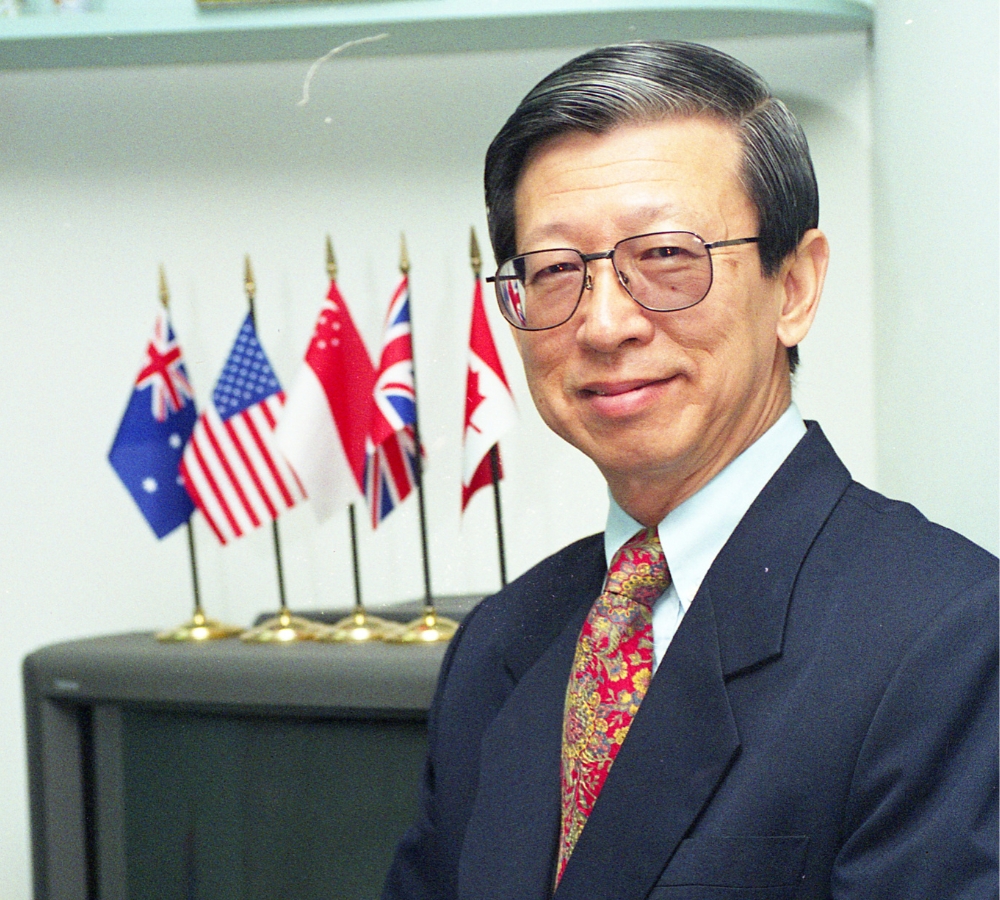
The first Dean of NTI EEE: Professor Brian Lee Chang Leng was the founding Dean of EEE.
1982
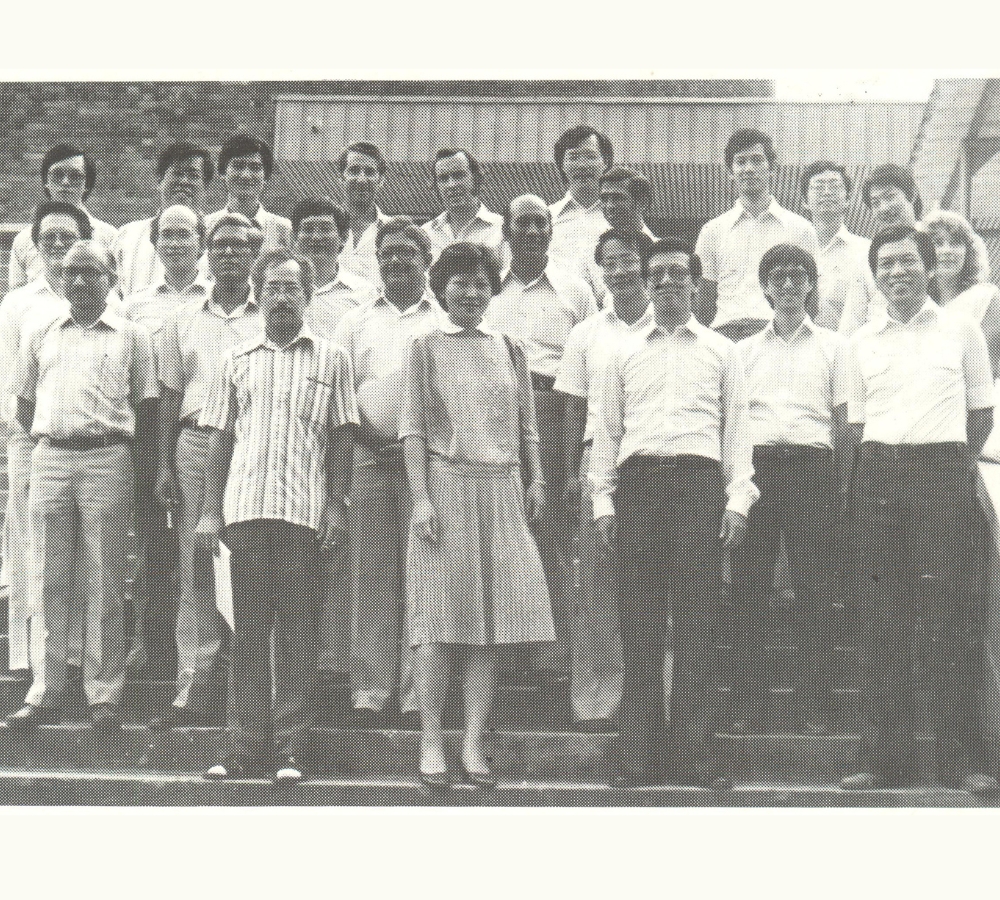
NTI EEE pioneer staff: By 1982, staff strength had grown to 15 lecturers, 3 administrative support staff and the first batch of 10 laboratory technicians.
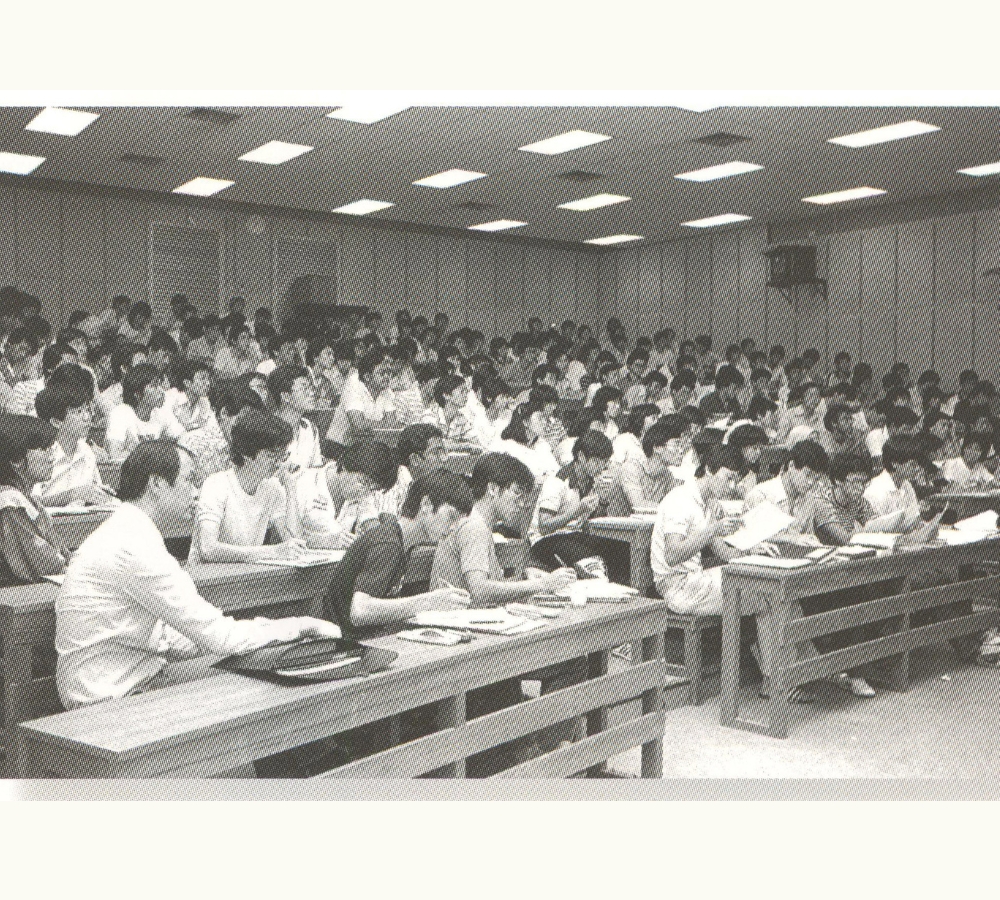
NTI EEE pioneer students: NTI EEE first intake of 202 students from the National University of Singapore (NUS), as second-year undergraduates.
1983
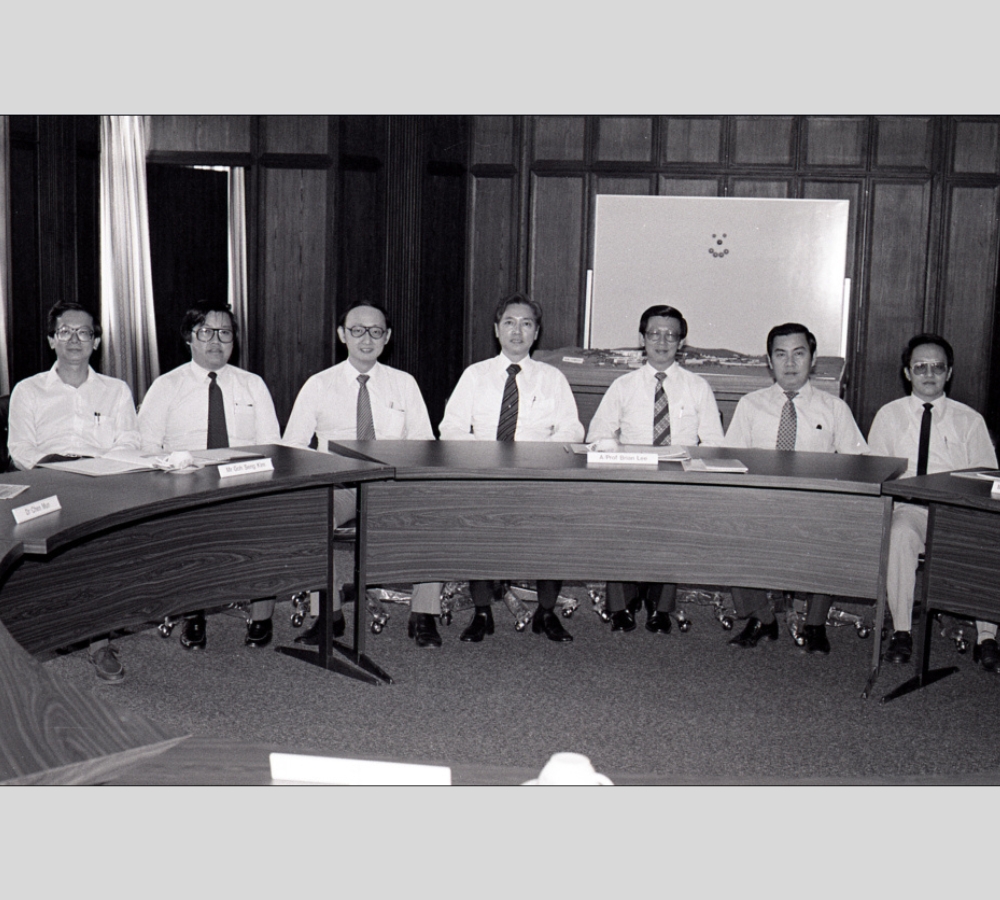
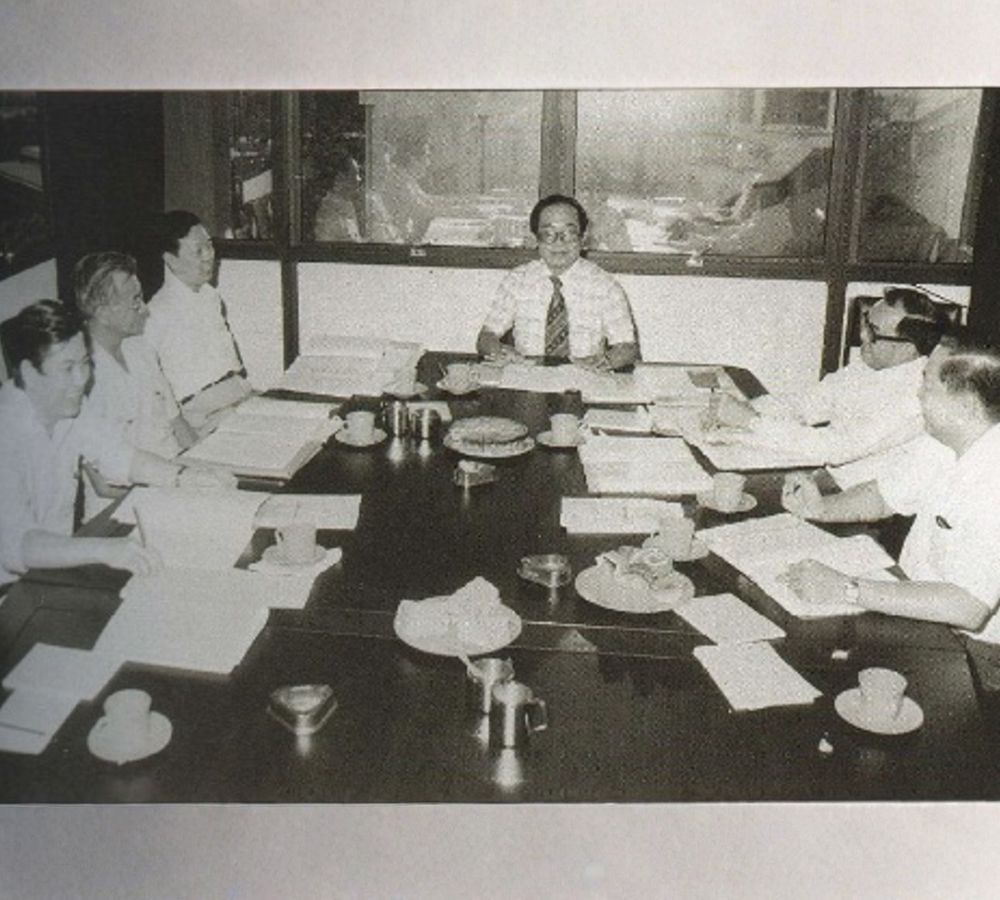
In April of 1983, then NTI EEE formed its first three Divisions. The division of Electrical Engineering, Electronic Engineering and Computer Engineering were set up. Consequently, 3 Heads of Division were appointed.
Witness the moment in history when this was taking place, as they took their appointments in the NTI EEE council meeting we see here. As they worked through and introduced the third year curriculum.
1984
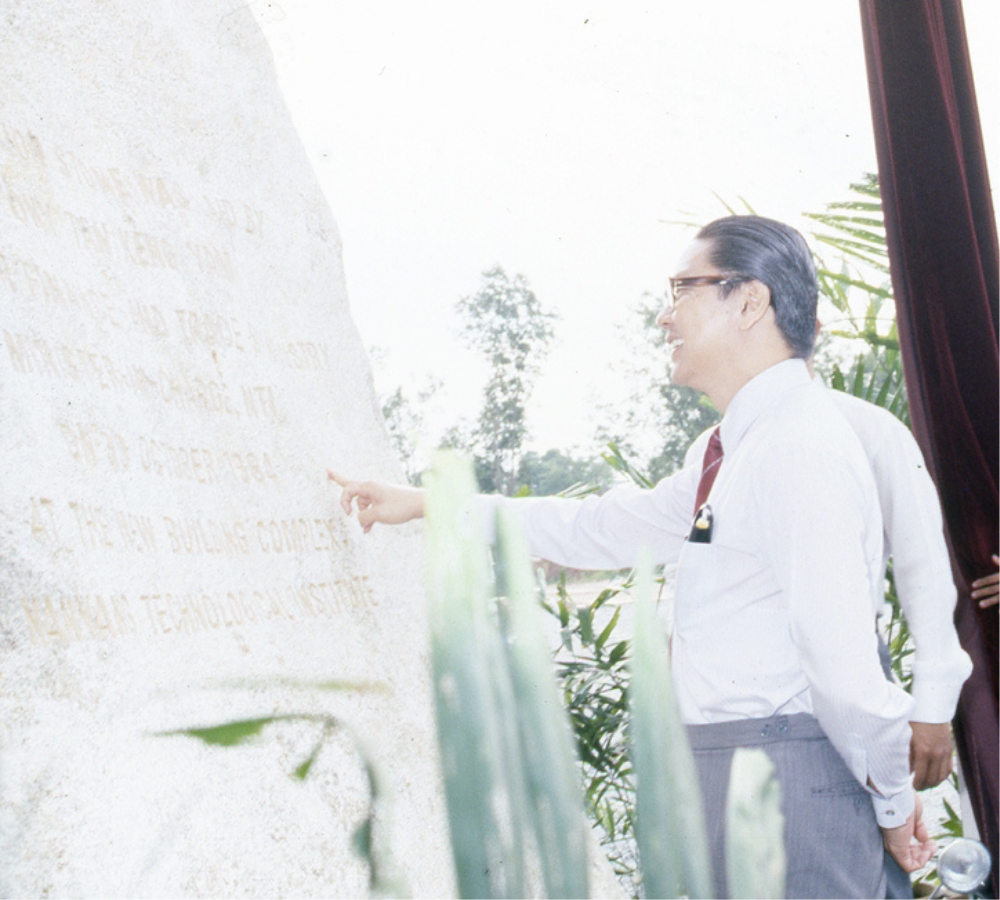
Laying of foundation stone: On 30 Oct 1984, Minister-in-charge of NTI, Dr Tony Tan, laid the foundation stone for the new academic complex. First academic year with full Year 1 to 4 cohorts.
1985
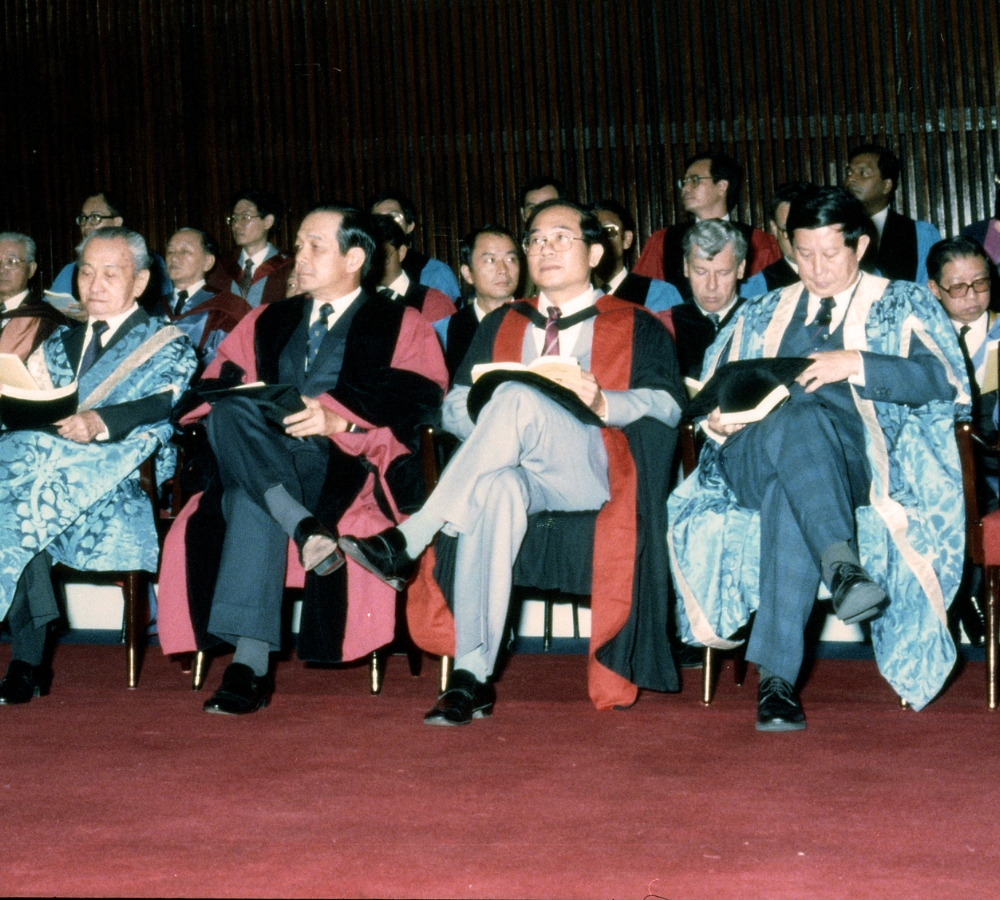
First NTI convocation: 194 students graduated from B.Eng.(Electrical and Electronic Engineering) programme.

WITS team clinch gold: Work Improvement Teams (WITS) were set up with the launch of the national WITS movement in 1984. They clinched the Gold Award at the 1985 National QC Circle Convention III (Public Sector).
NTI EEE was named “one of the best engineering institutions in the world” by the Commonwealth Engineering Council.
1986
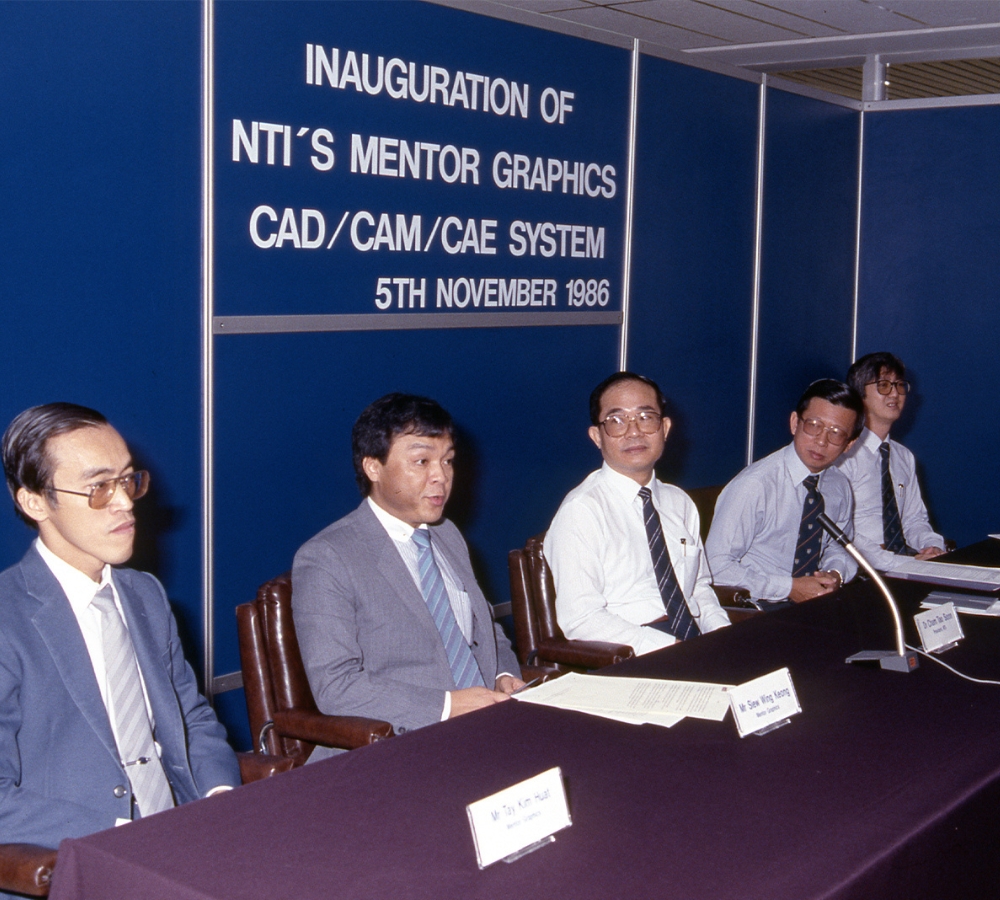
CAD / CAM Centre set up.
1987
.jpg?sfvrsn=155557d7_1)
First Memorandum of (MOU) signed. NTI forms industry partnership with Telecoms on project on computerised model to predict signal strength, signing an MOU on R&D Cooperation.
1989
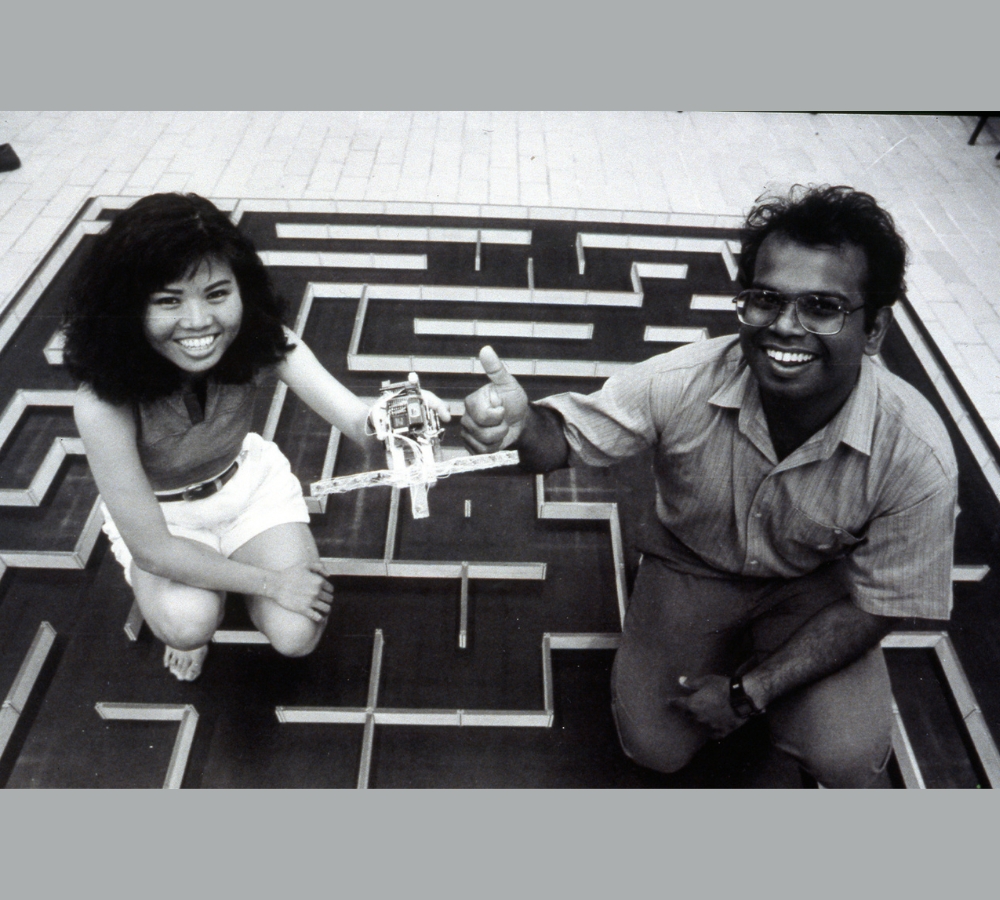
NTI EEE wins the International Micromouse Race: Mr Kevin Gomez and Miss Fiona Woon designed and took their computer-controlled robot to London, where it ran through a maze to defeat the race’s defending champion by 1.37 seconds.
1990
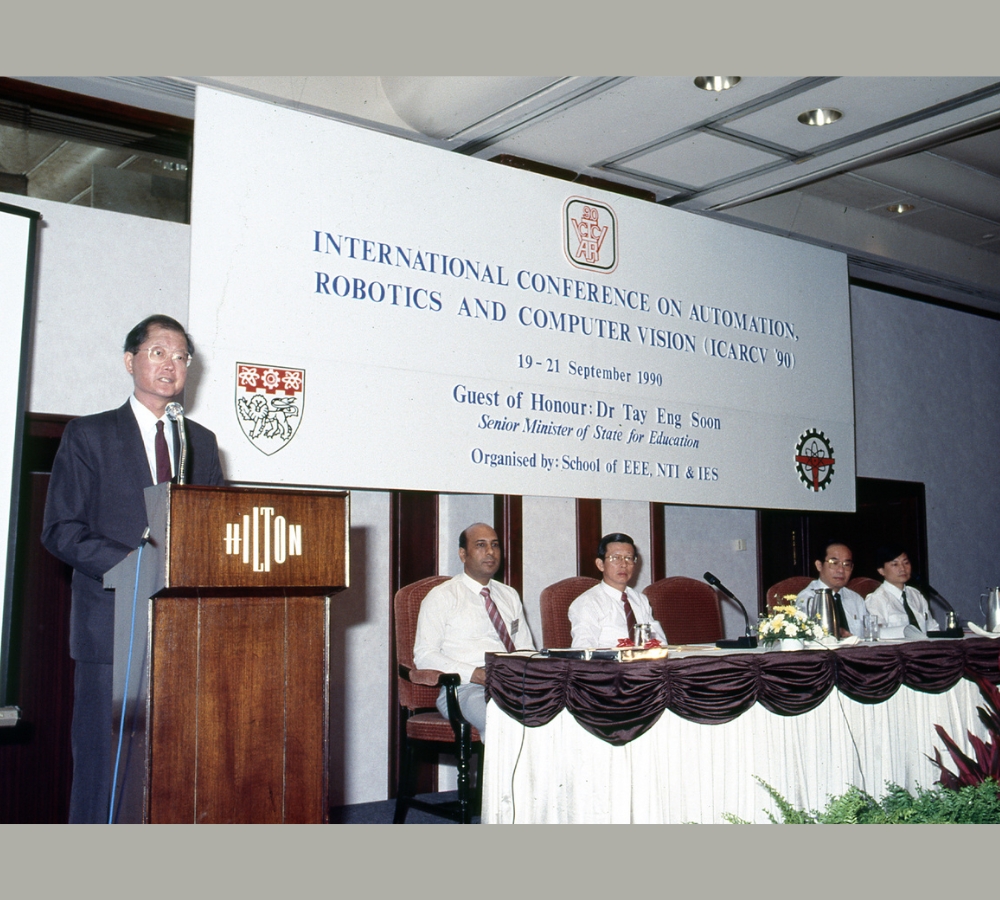
First International Conference on Control, Automation, Robotics & Vision (ICARCV): Researchers, professionals and engineers from all over the world met at the conference to interact and exchange the latest research results in their related fields.
First Research Fellow recruited.
1991
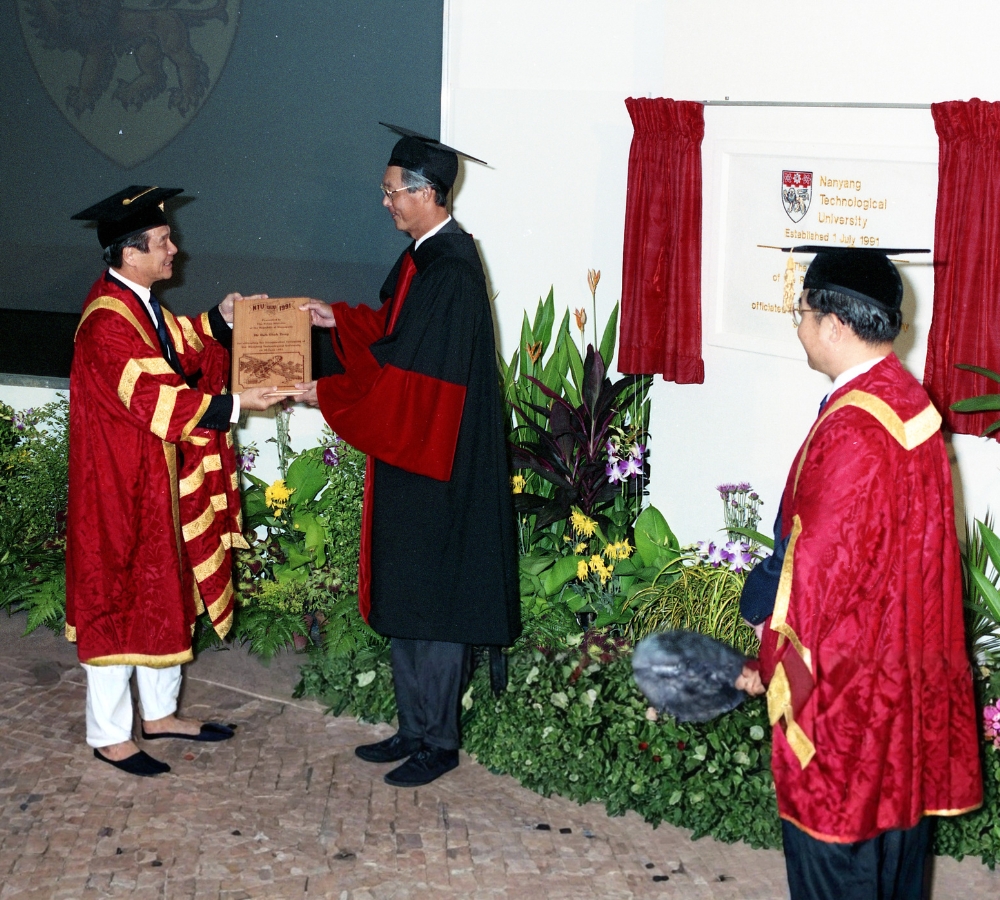
On 1 July, by an Act of Parliament, NTI became Nanyang Technological University (NTU).
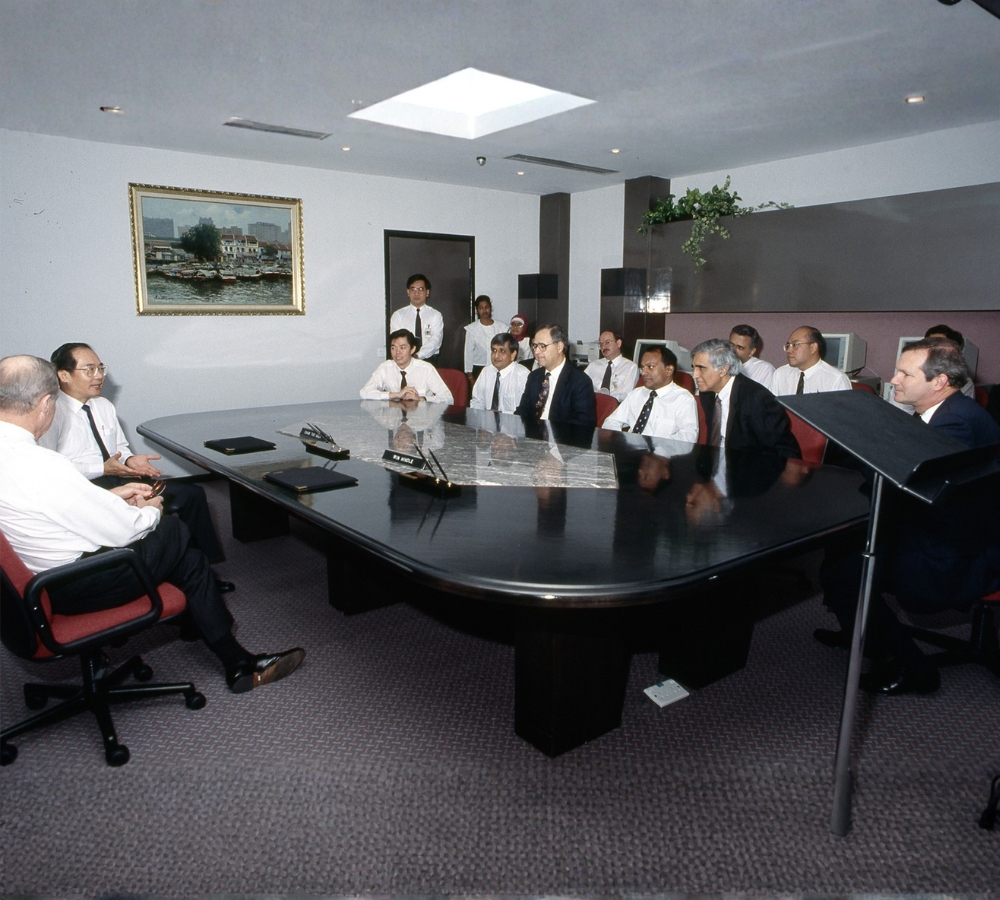
Network Technology Research Centre established. The centre was created to spearhead R&D activities in networking technology.
1992
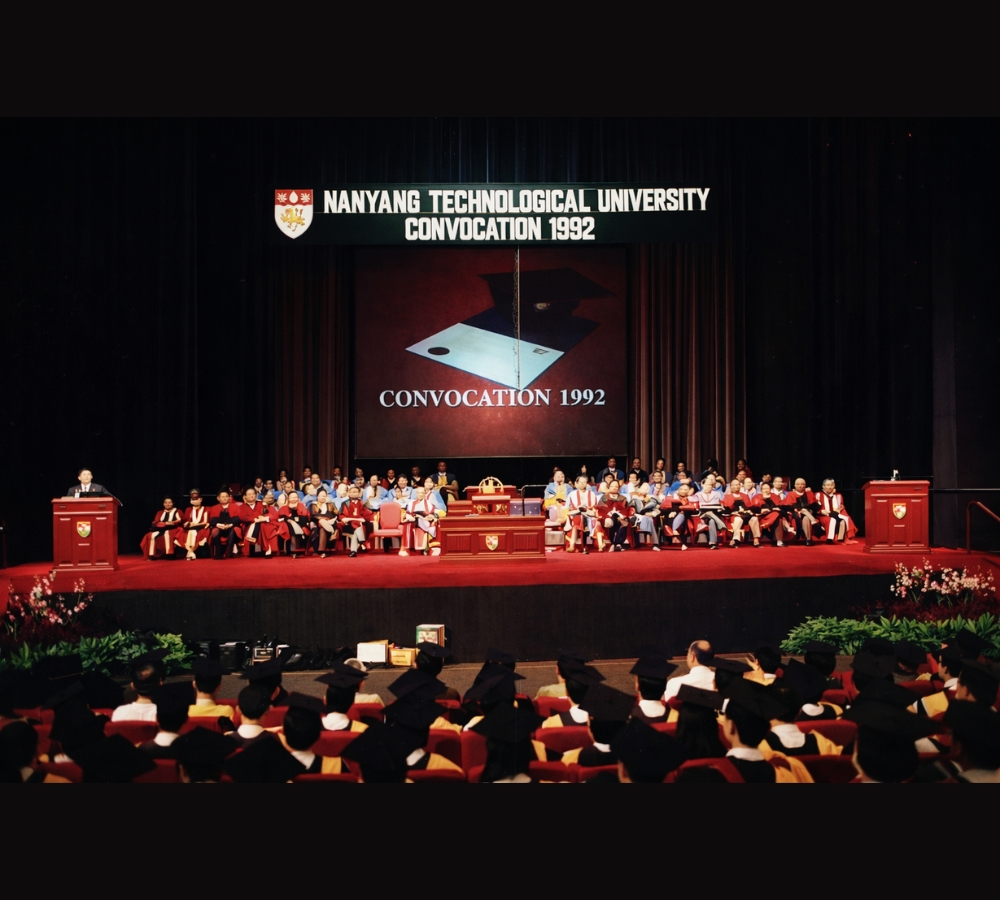
NTU begins awarding its own degrees.
1994
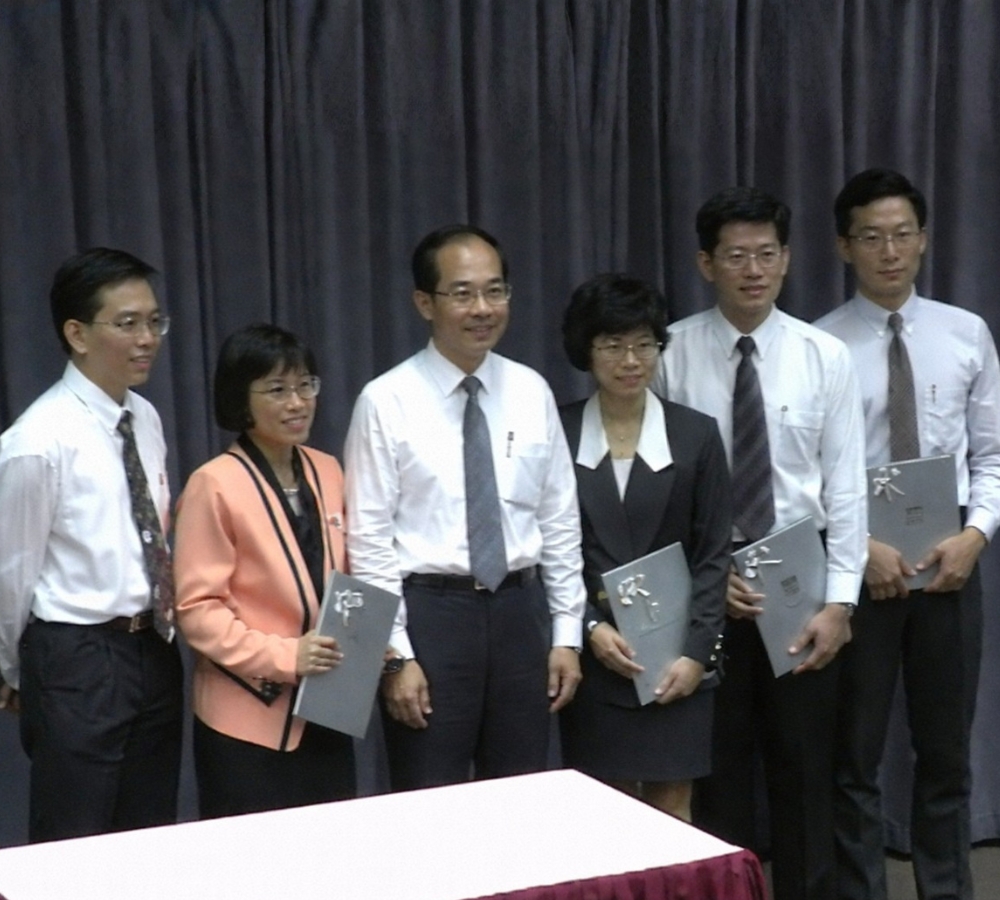
The first Teacher of the Year Award was presented to Assoc. Prof. Teoh Eam Khwang.
1995
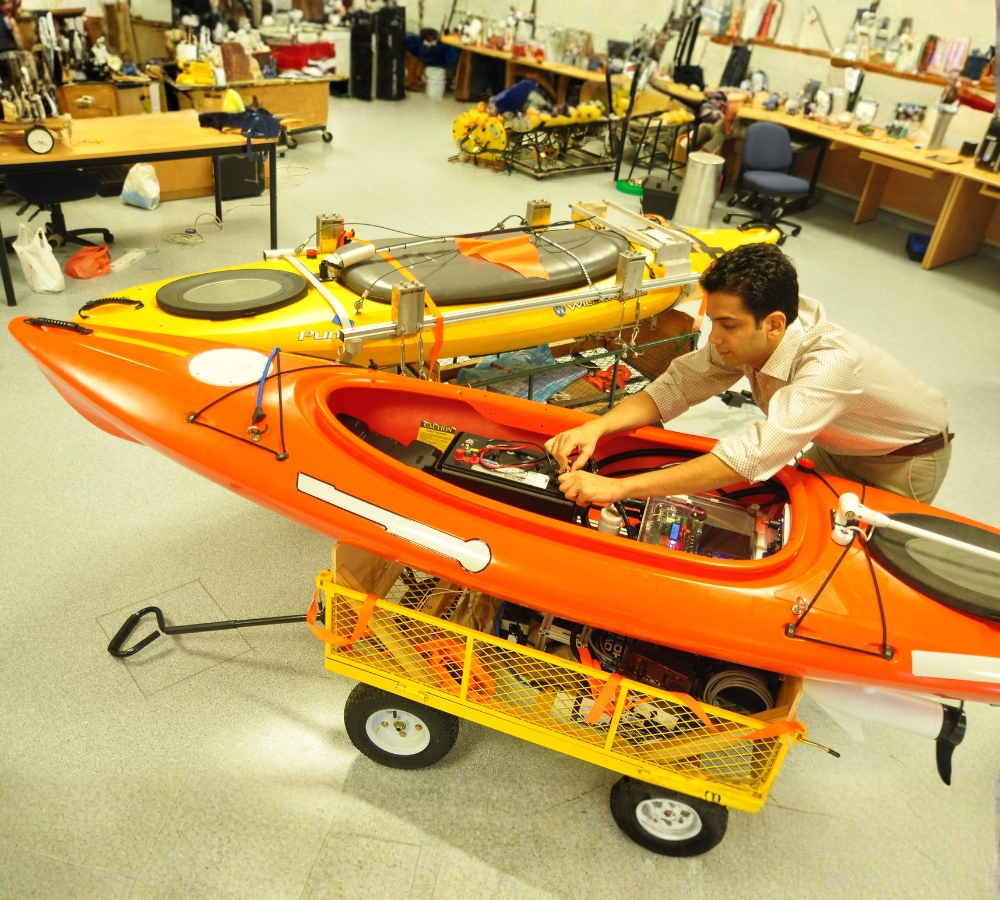
Reorganisation of School:
From four to six divisions: Power Engineering; Circuits & Systems; Information Engineering; Control & Instrumentation; Communication Engineering; and Microelectronics.
1996
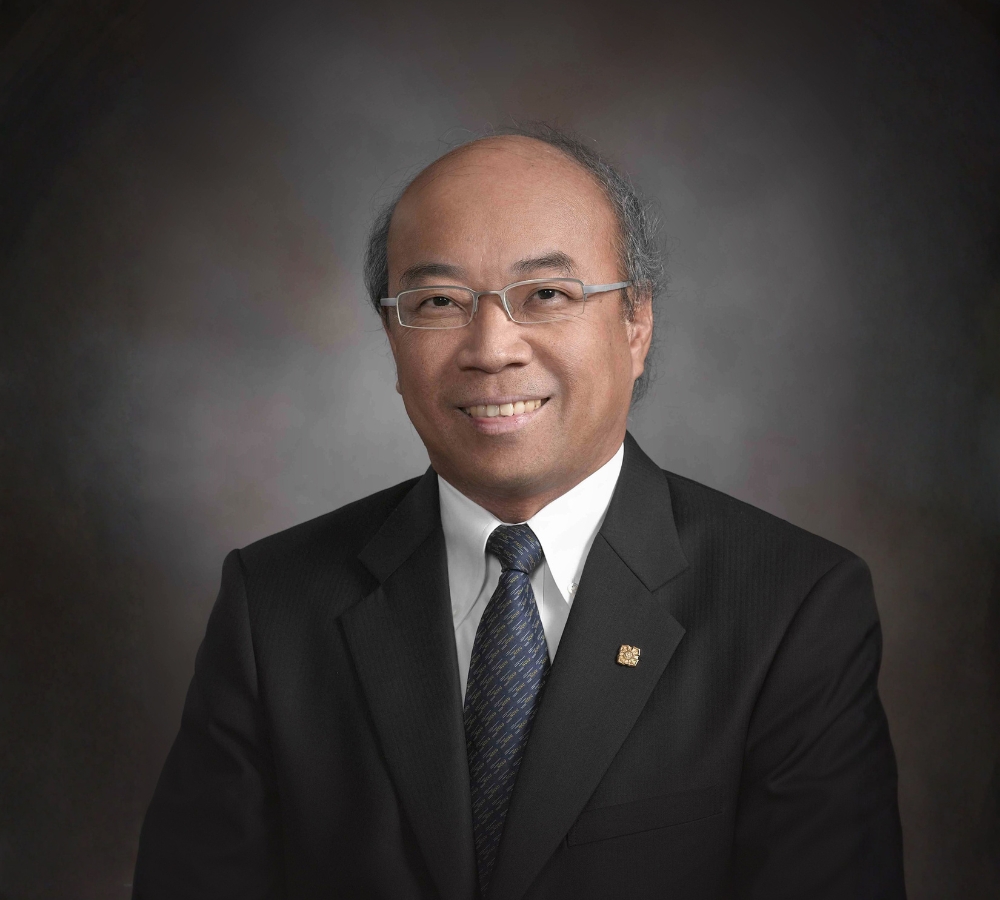
Professor Er Meng Hwa was appointed second NTU EEE Dean.

NTU EEE welcomed a new division: The division was formed by absorbing the Information Communication Institute of Singapore (ICIS).
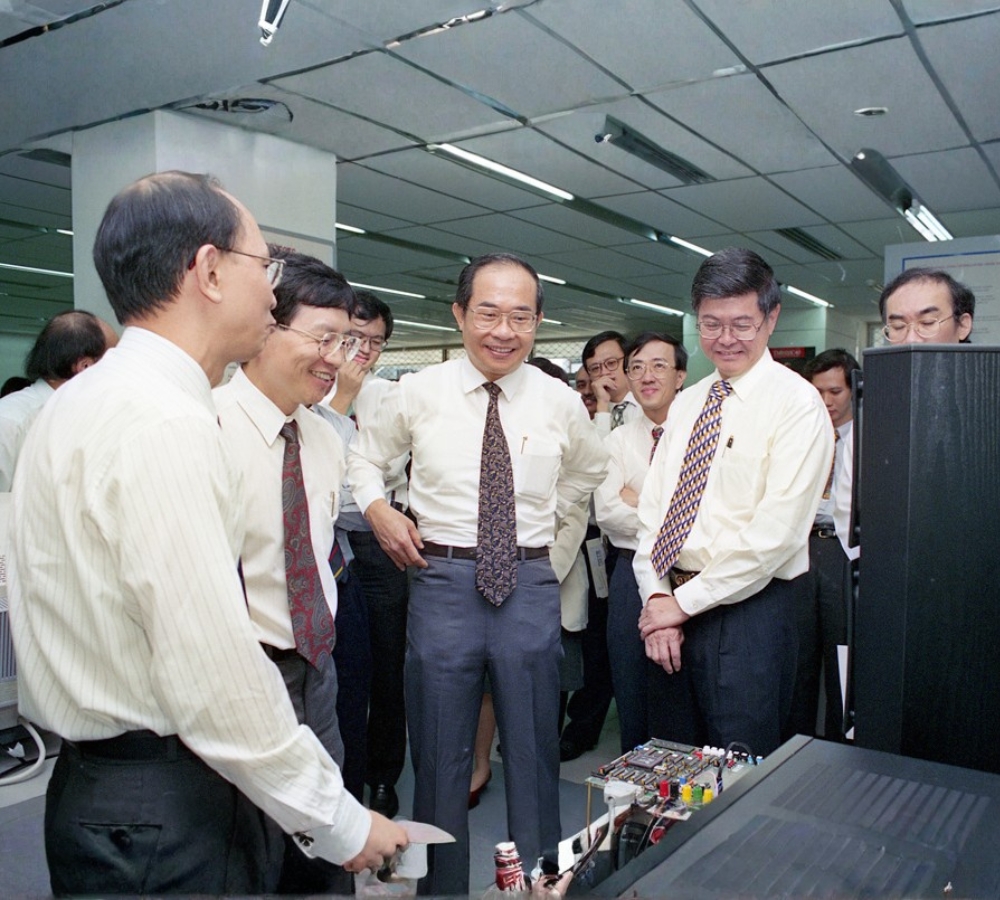
Official opening of Centre for Signal Processing (CSP): The centre quickly became a significant player with over 20 companies, including MNCs, contracting with it for joint industry projects.
1997
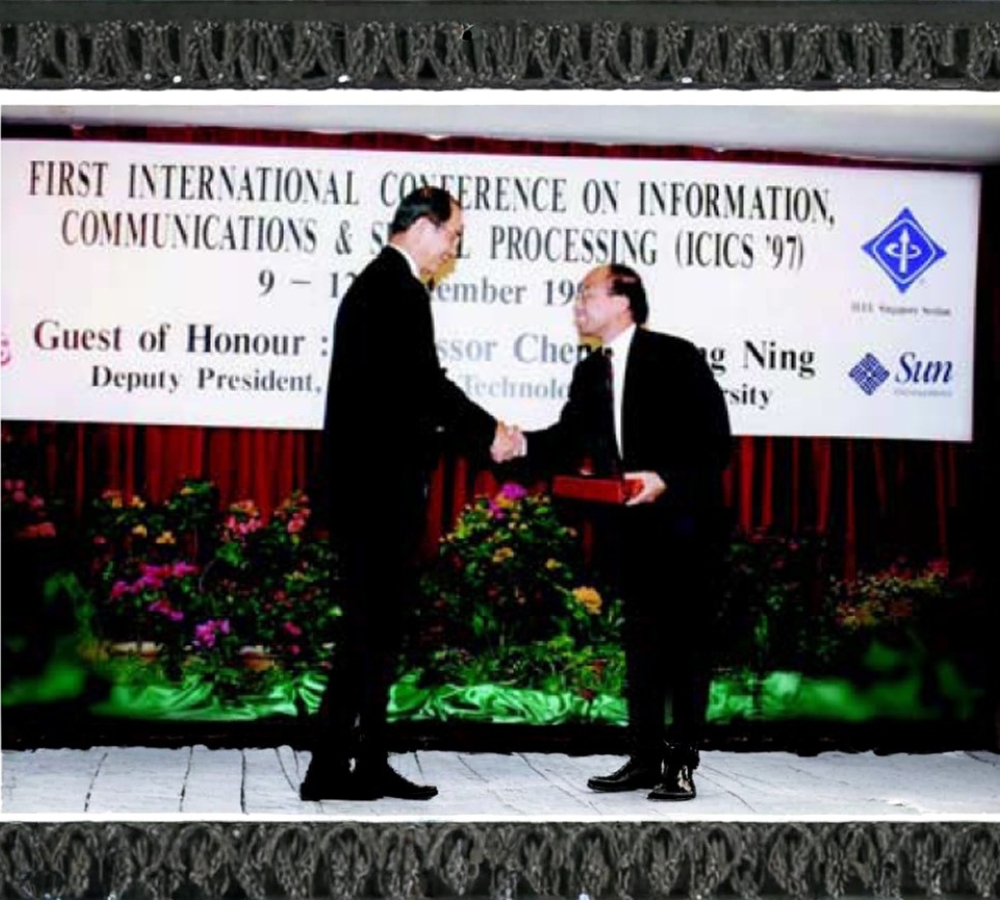
NTU EEE organises ICICS. The conference is an opportunity for researchers around the world to exchange ideas and latest research results in their related fields.
1998
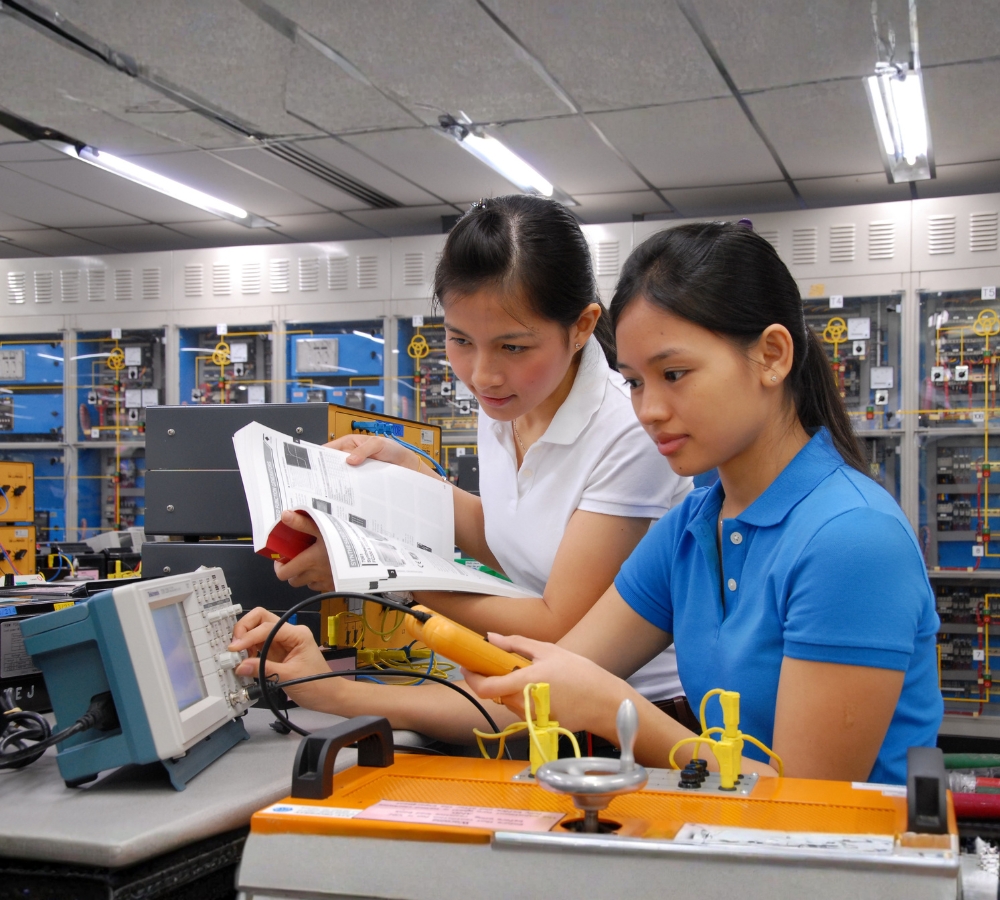
Curriculum broadened: Economics, Law, Engineers & Society and Entrepreneurship were introduced as core subjects.
1999
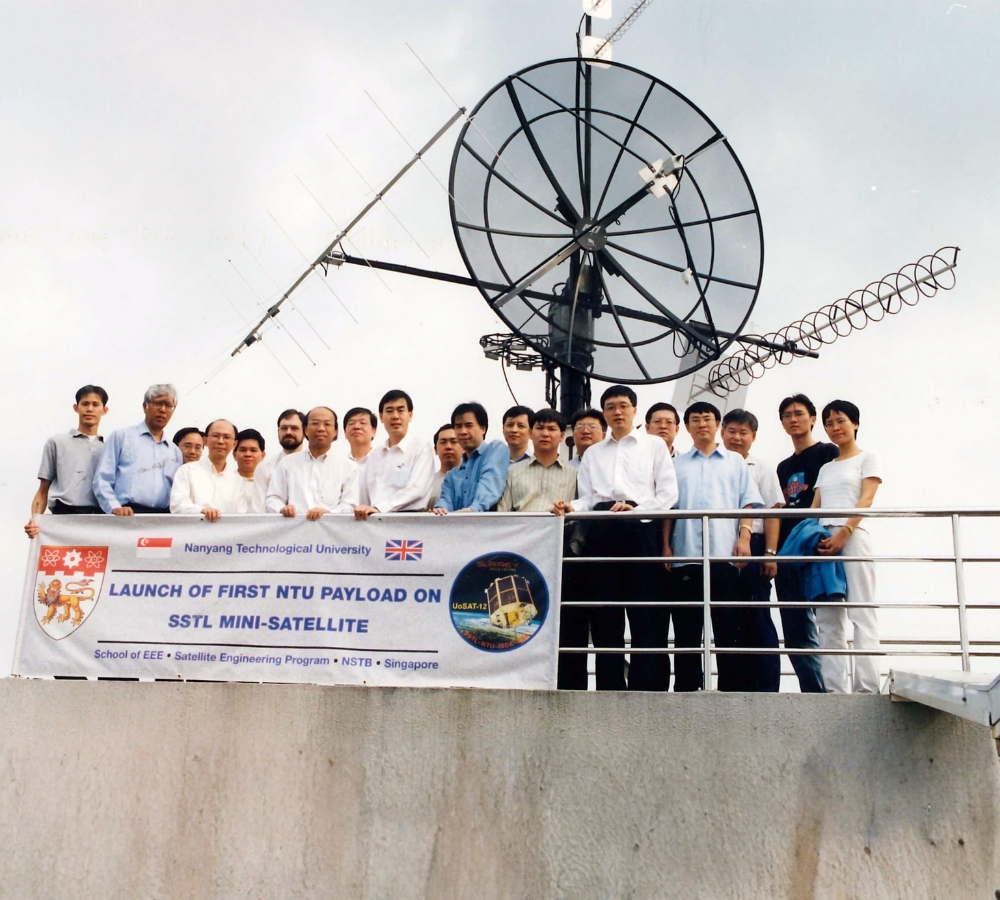
Merlion Payload launched successfully on Surrey University's mini satellite UoSat-12: The collaboration between NTU EEE and the University of Surrey earned a S$4.6 million grant from the National Science and Technology Board for the development of Merlion.
2000
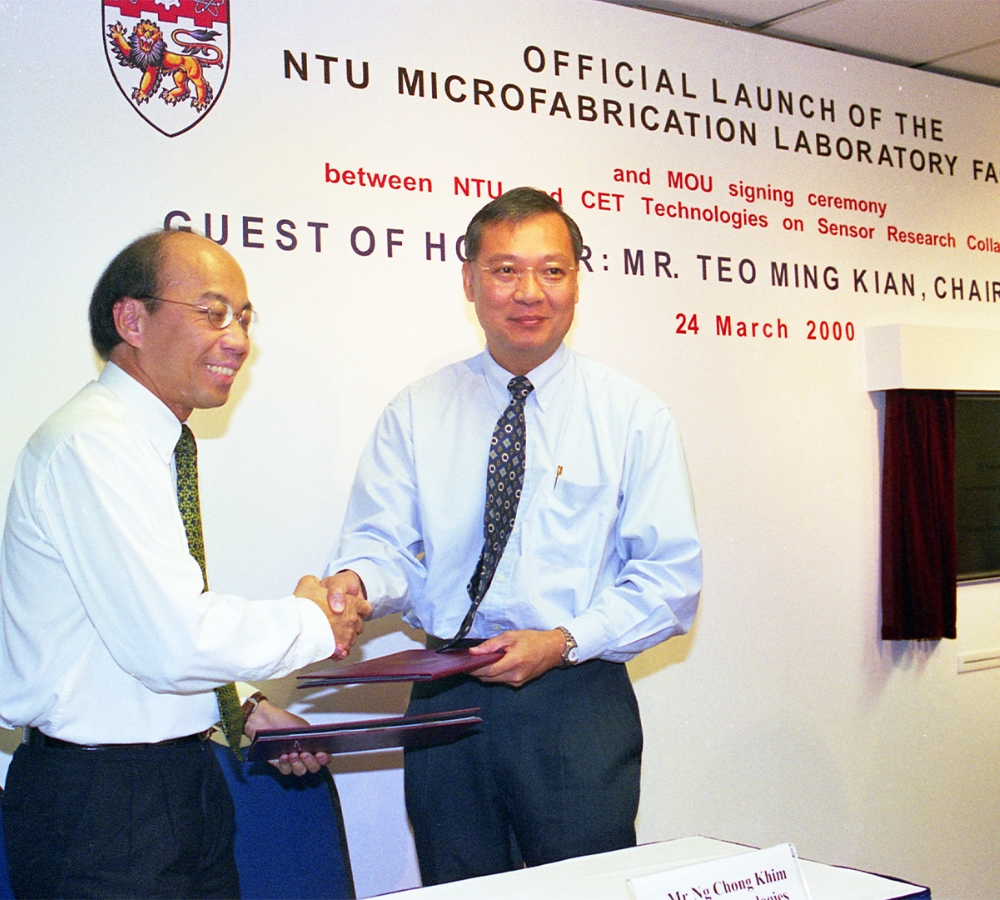
S$25 million Microfabrication Laboratory officially opened: The lab was the first fully equipped university microfabrication facility in the region, with state-of-the-art features.
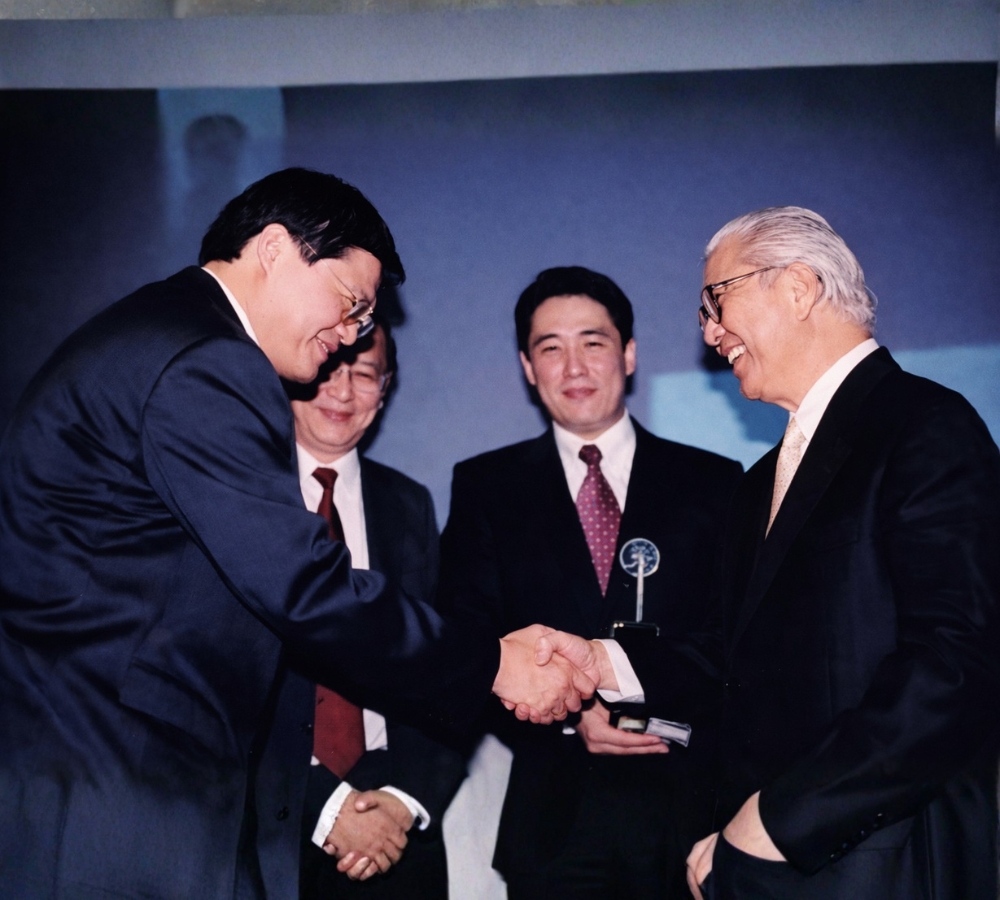
Winner of NSTB National Technology Award: Professor Tay Beng Kang and his team won the award for their filtered cathodic vacuum arc coating technology.
2002
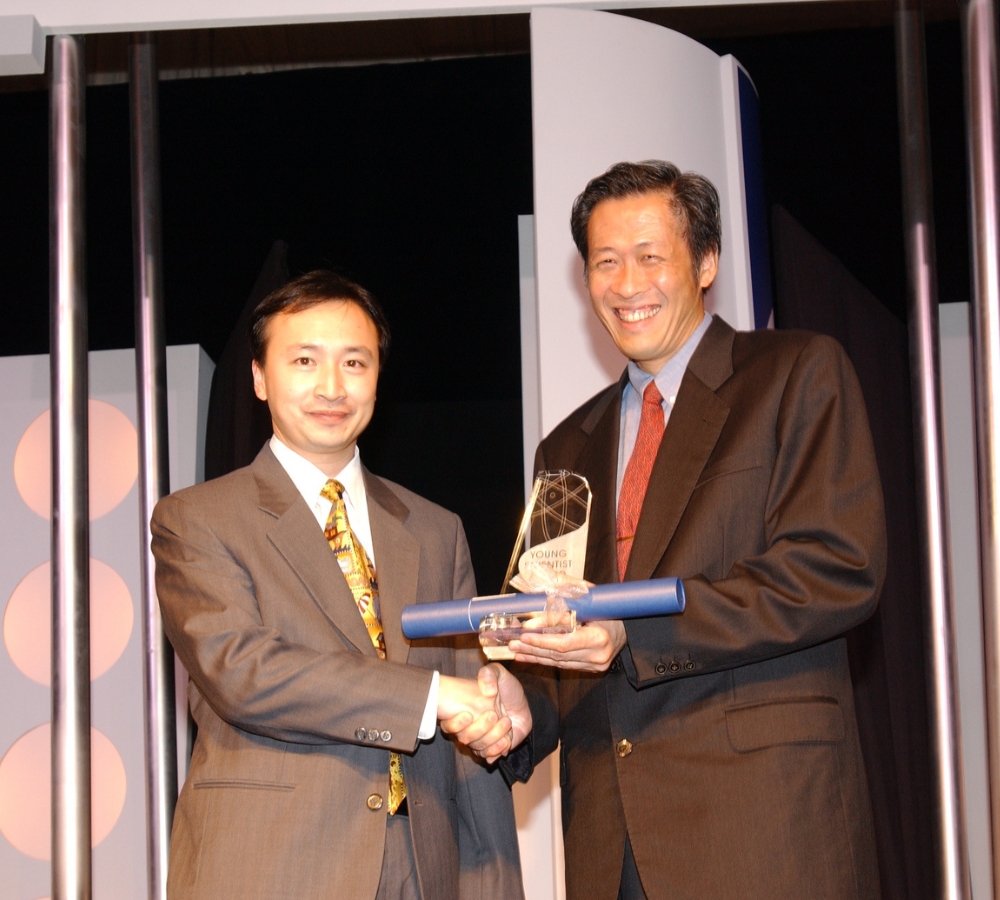
NTU EEE professor awarded Young Scientist Award. Professor Shum Ping was presented Young Scientist Award by the Agency for Science, Technology and Research (A*STAR) for his research on next generation optical technology.
2003 & 2004
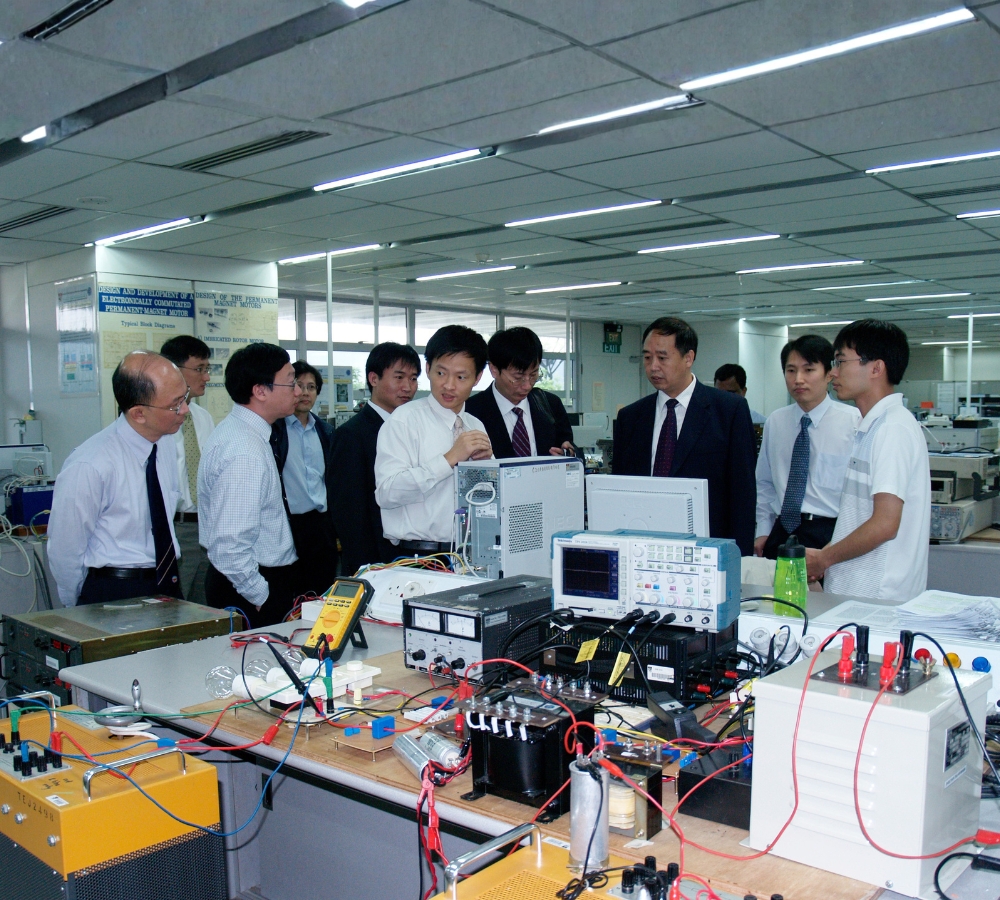
6 new research centres established.
Launched the M.Sc. (Photonics) programme.
Launched M.Sc. (Power Engineering) programme.
2005
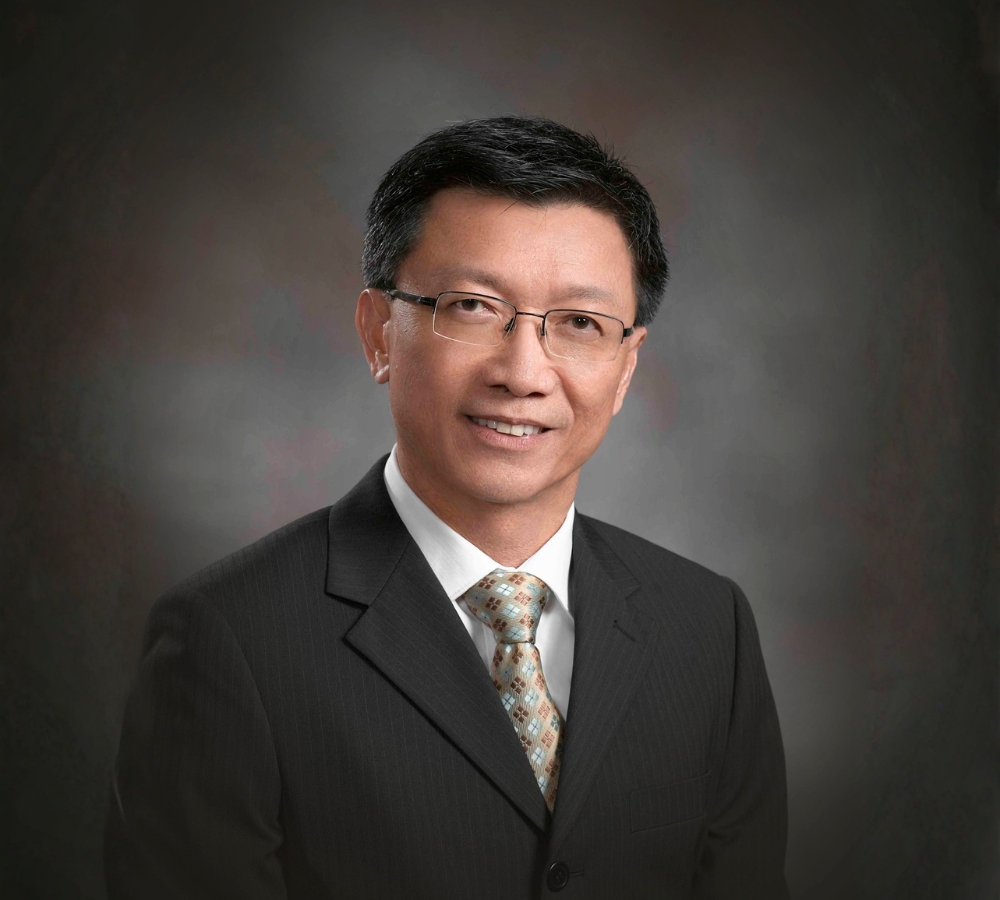
Professor Kam Chan Hin appointed as third NTU EEE Dean.
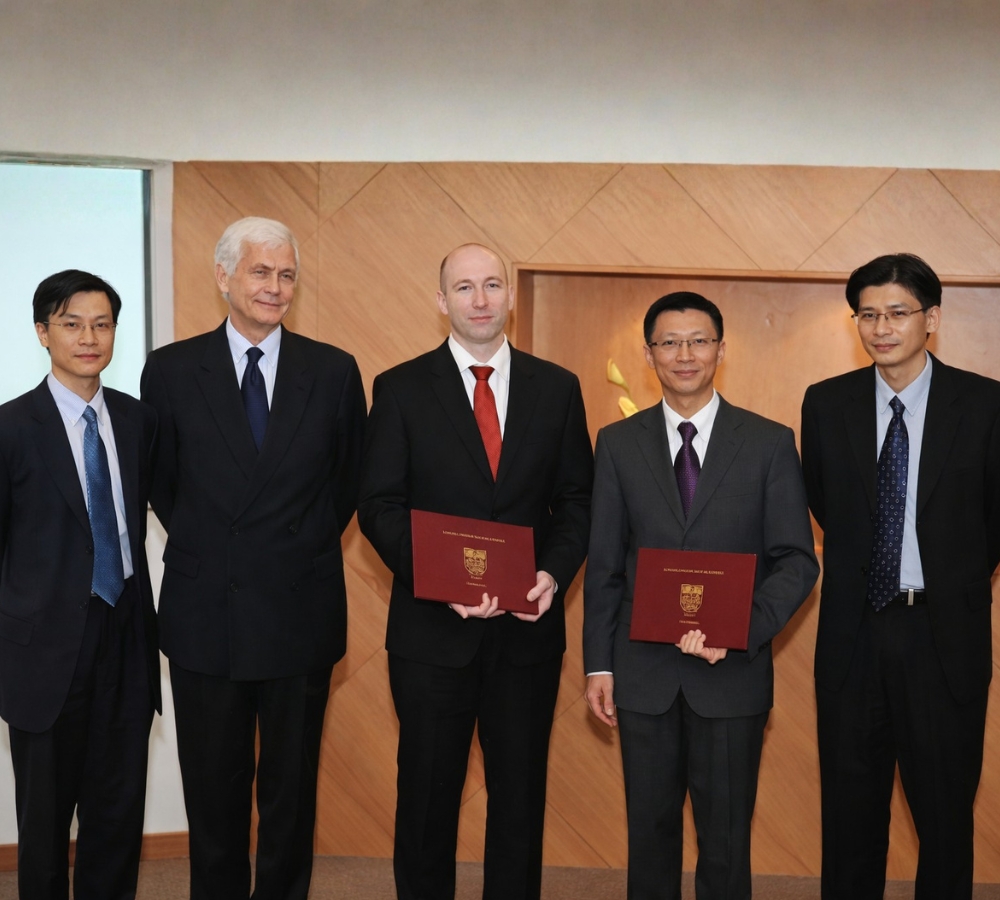
Collaboration with Technische Universitat Munchen (TUM).
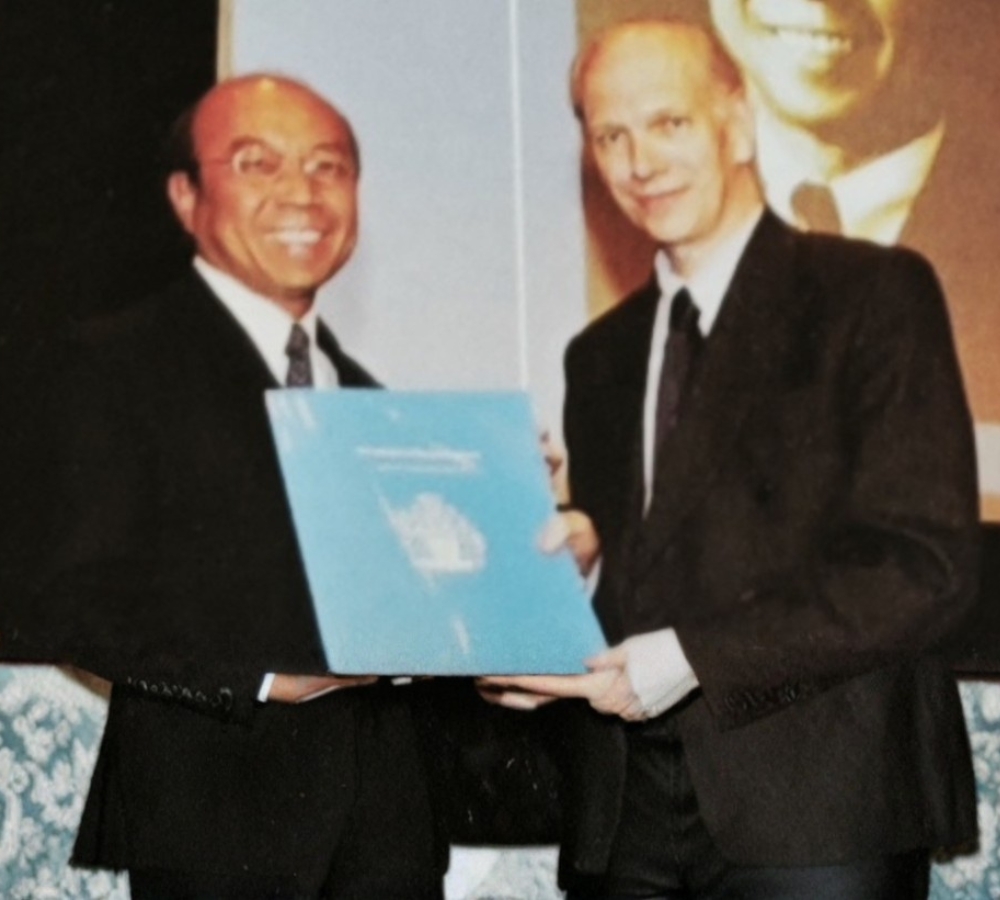
Professor Er Meng Hwa received prestigious Honorary Fellowship from Institute of Electrical Engineers (UK).
2006
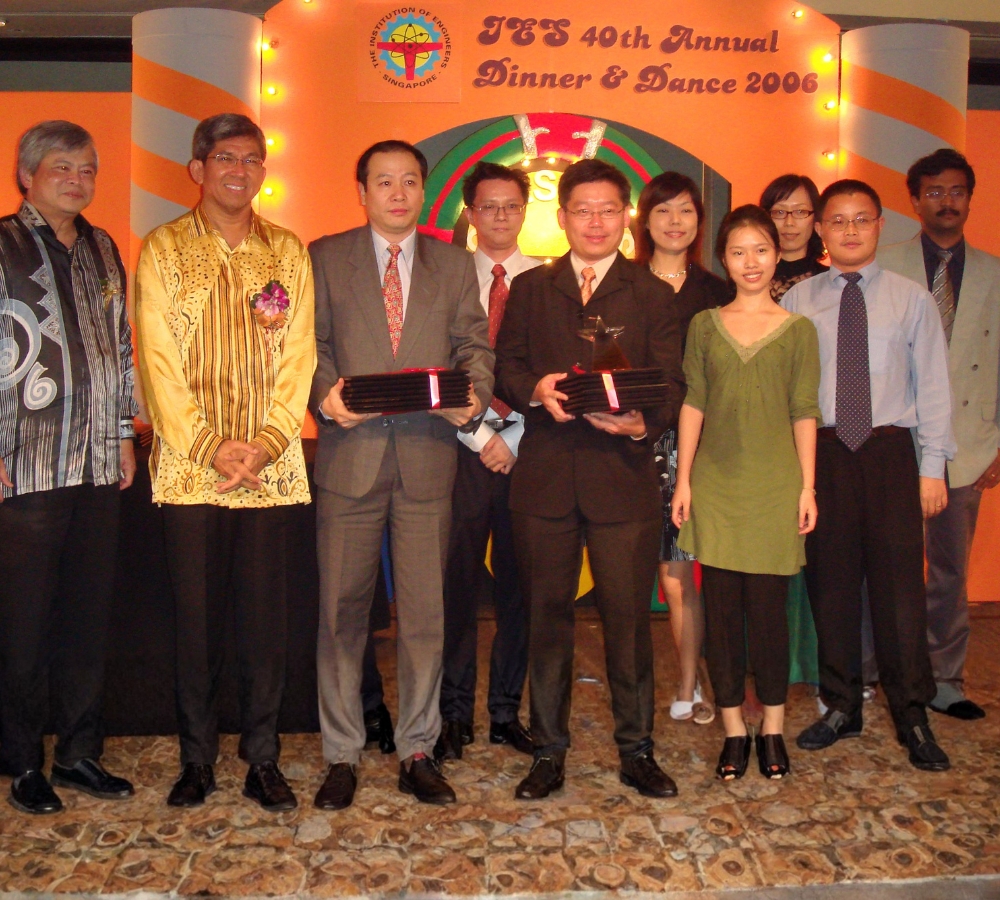
NTU EEE professor wins Engineering Achievement Award.
The Institution of Engineers Singapore presented Professor Liu Ai Qun and his team with the Engineering Achievement Award for their research in micro-electromechanical systems (MEMS) technology.
2007
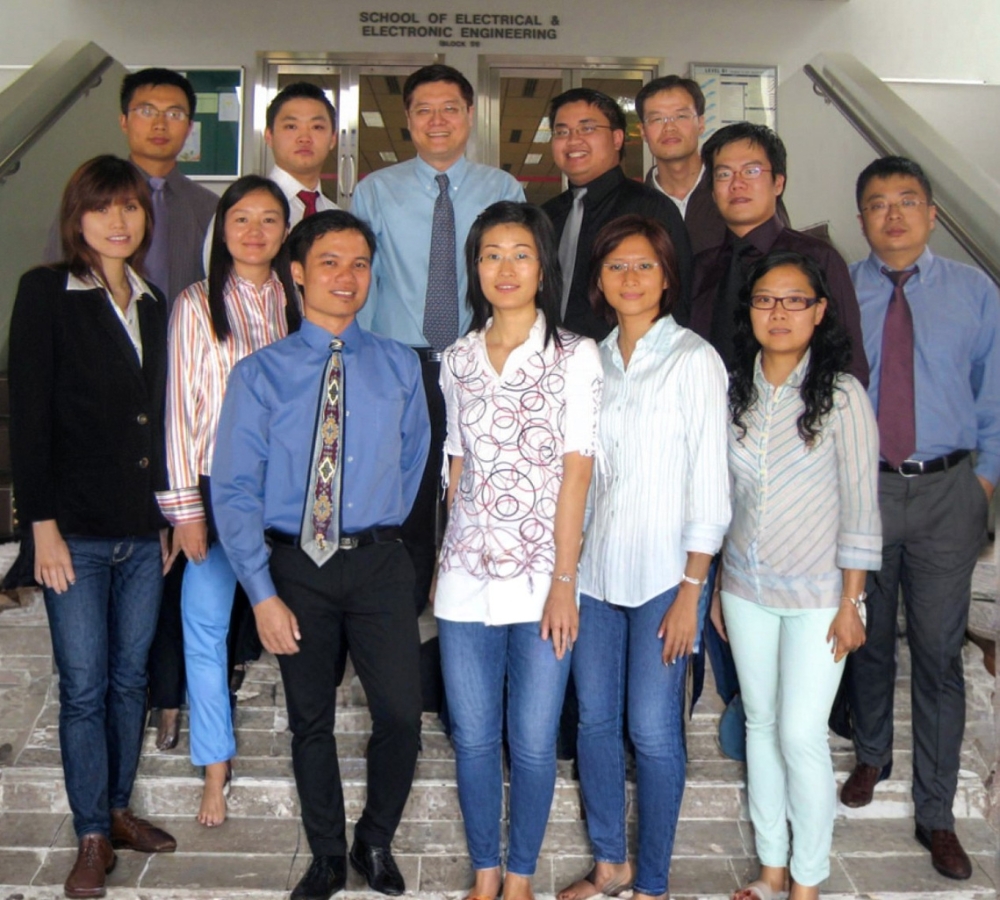
NTU EEE research team wins prestigious IES Engineering Achievement Award. The team, led by Professor Tay Beng Kang, distinguished itself as one of the leaders in amorphous carbon research.

S$10 million Electromagnetic Effects Research Laboratory (EMERL) officially opened. EMERL will take Singapore’s electromagnetic effect research capabilities to higher spheres, securing research grants amounting close to S$3 million.
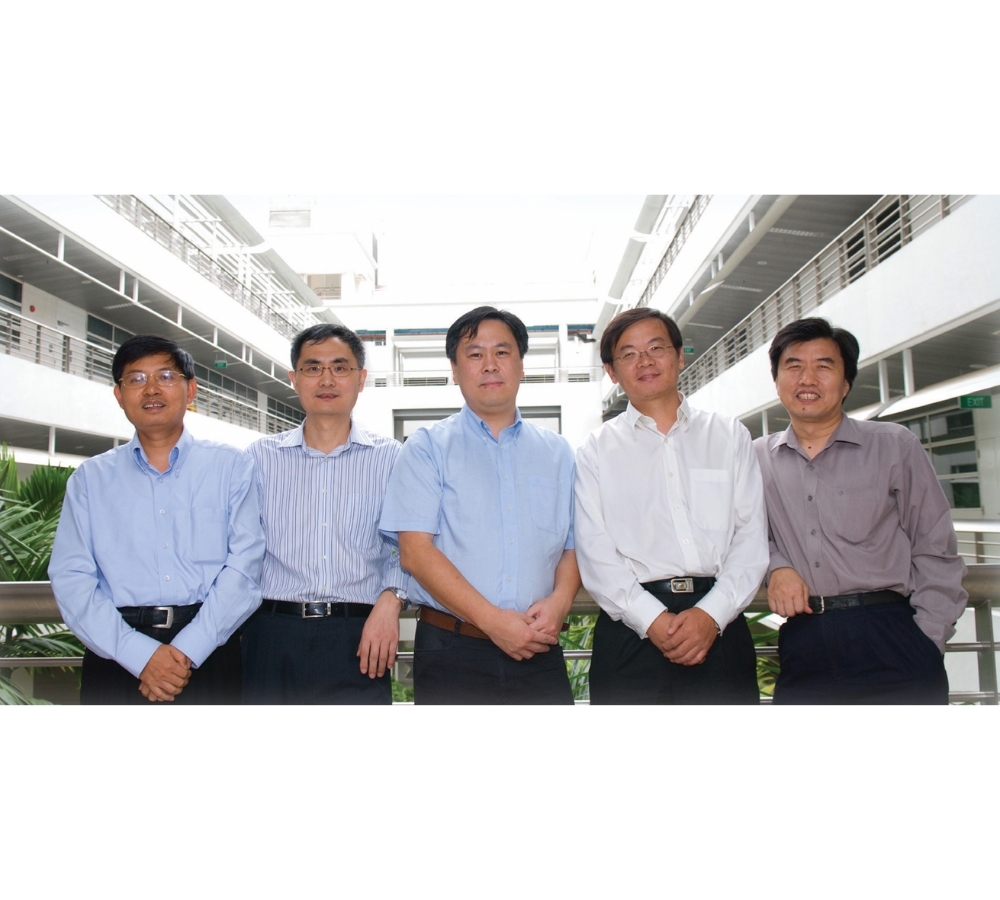
The National Research Foundation (NRF) awarded S$10 million for a NTU EEE project – Artificial Mesoscopic Structures for Next Generation Electronic and Photonic Technology.

Collaboration with Georgia Institute of Technology.
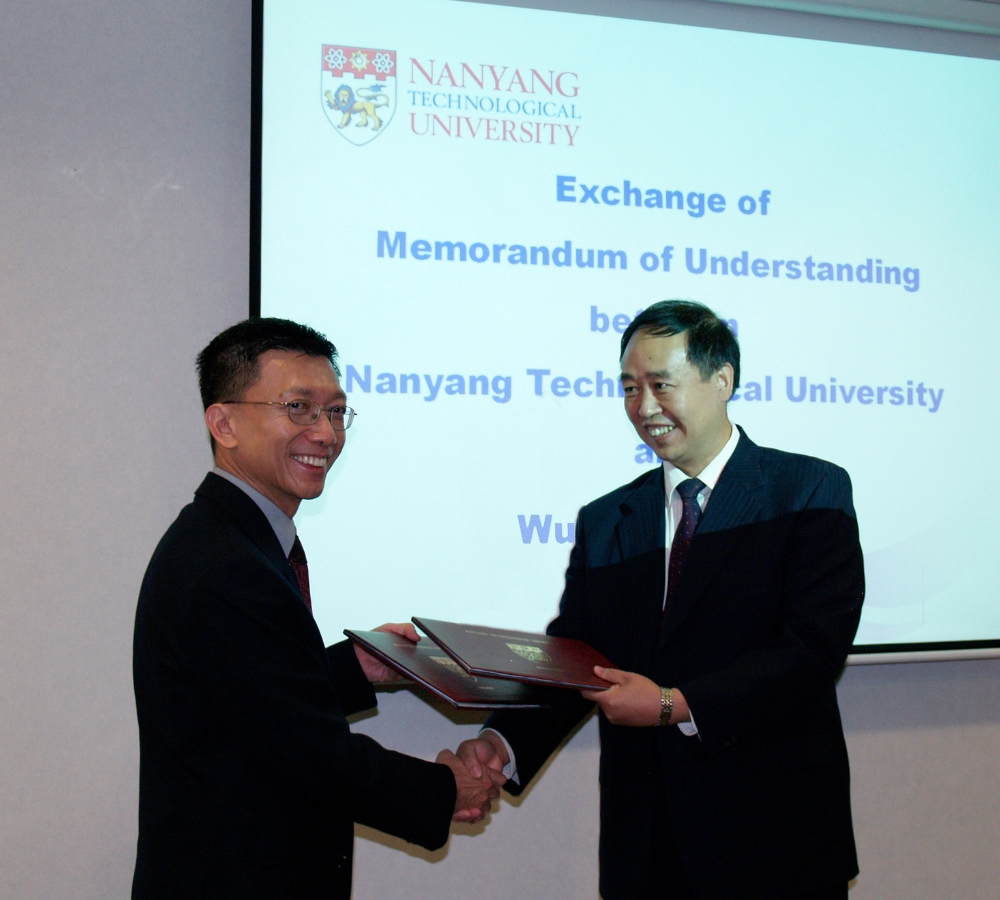
Collaboration with Wuhan University.
2009
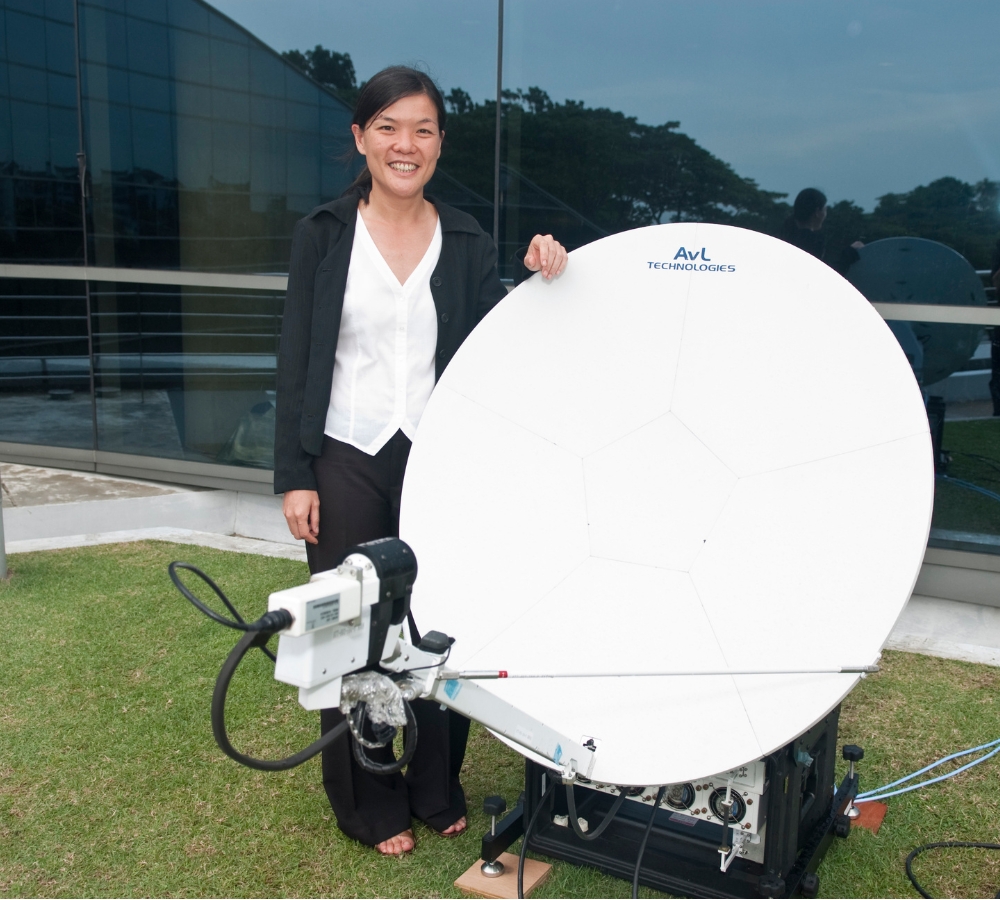
World’s fastest satellite internet connection by NTU EEE professor. Associate Professor Lee Yee Hui demonstrated the world’s fastest satellite internet connection, establishing a 3-way high-definition video conference link between Singapore, Japan and South Korea.
2010
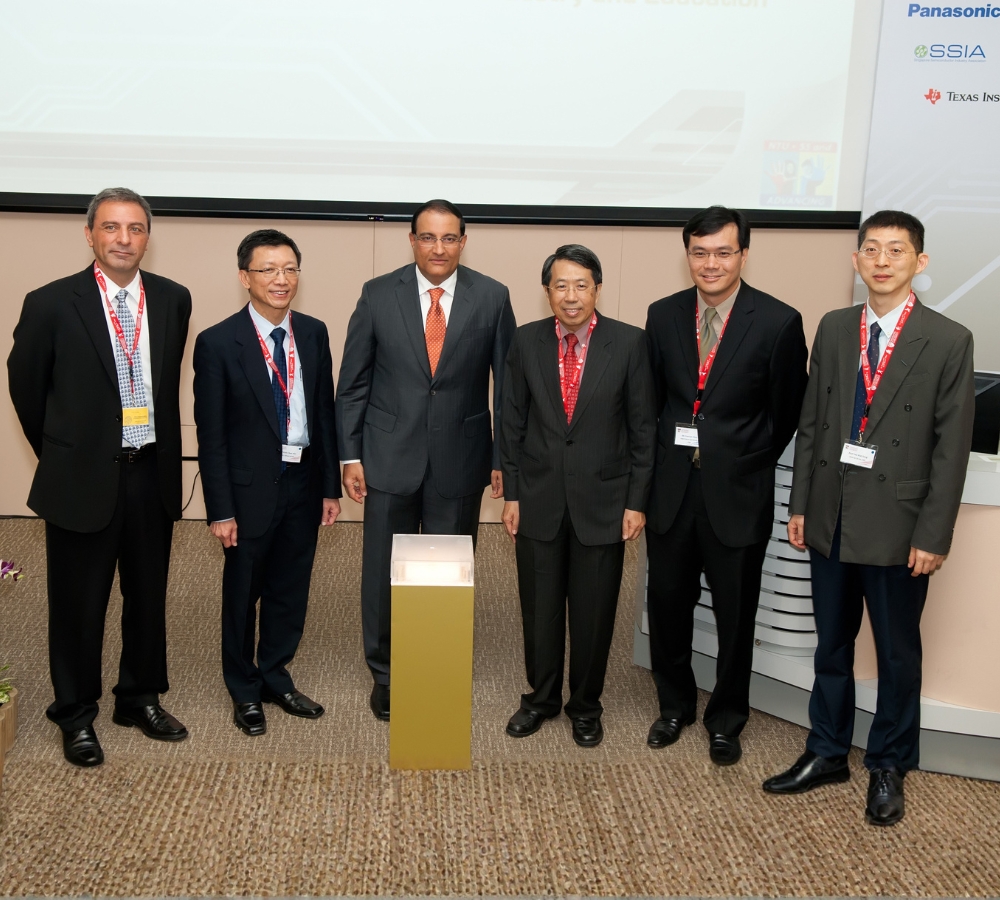
Launch of VIRTUS: The Integrated Circuit Design Centre of Excellence (VIRTUS) is set to be a world class IC design house developing key technologies to design integrated circuits and systems.
2011
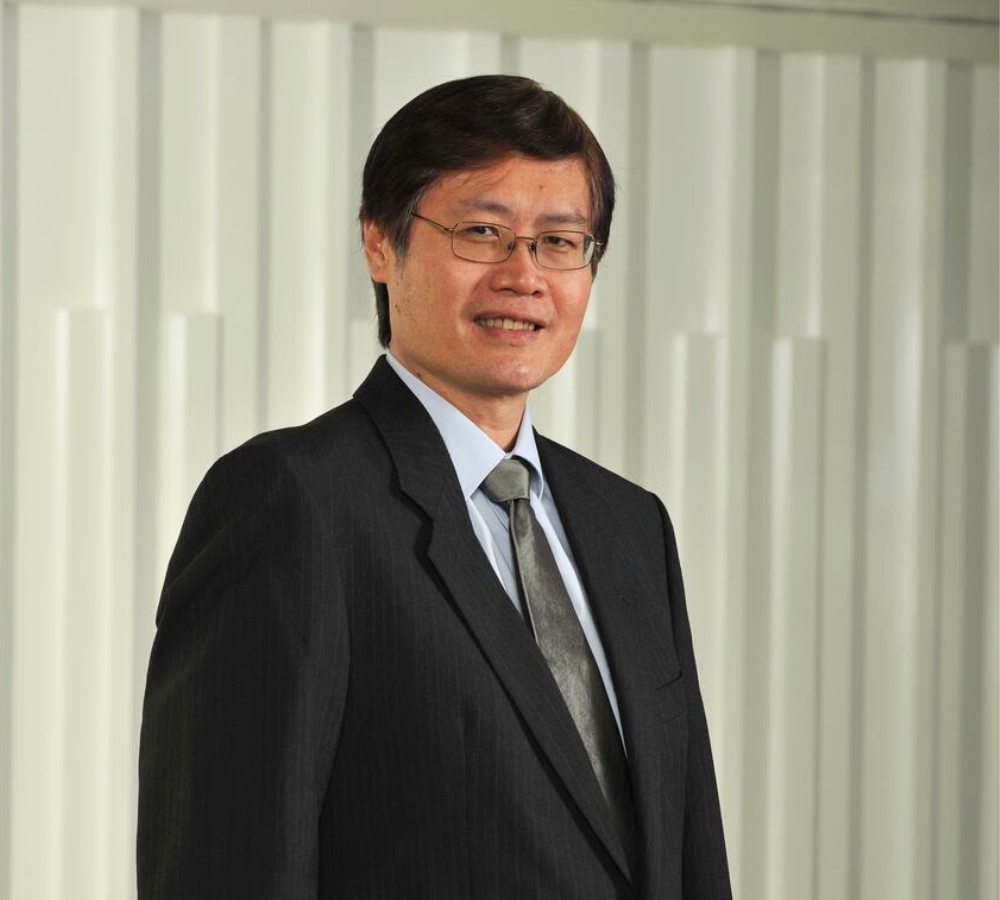
Professor Cheng Tee Hiang appointed as Acting Chair, fourth head of NTU EEE.
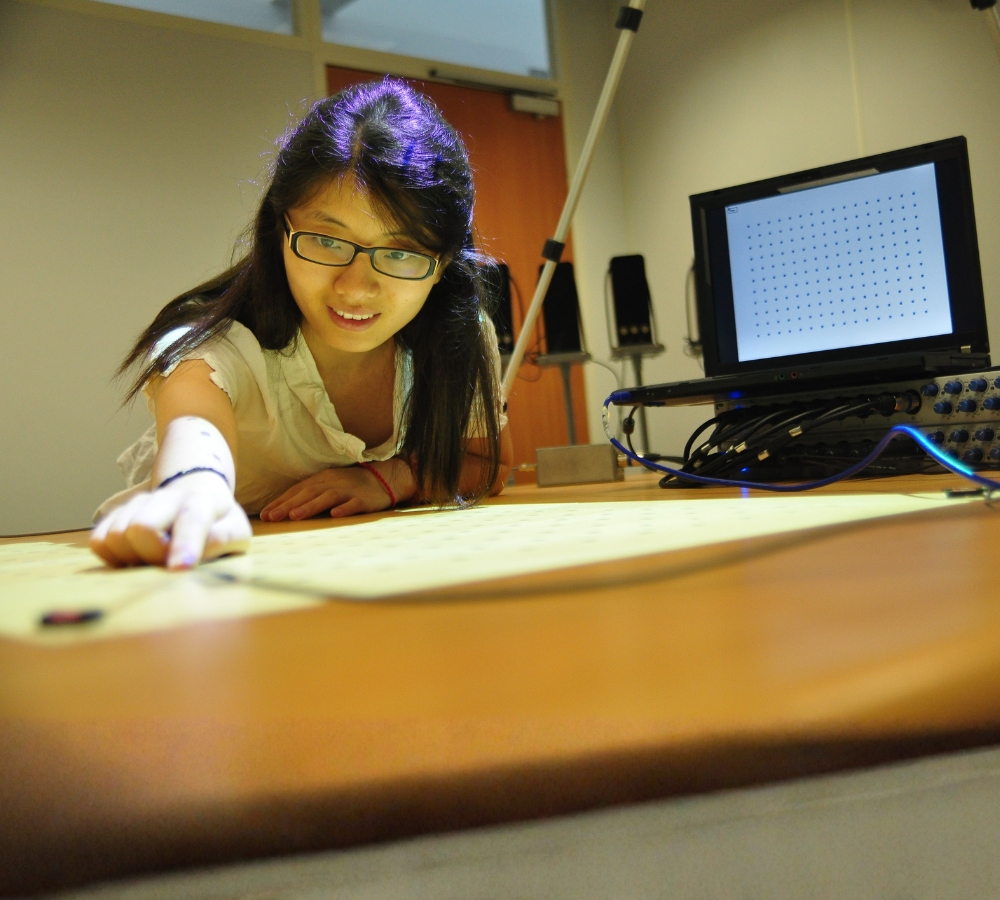
NTU EEE professor creates next generation Human Computer Interface for everyday objects: STATINA, which stands for Speed Touch and Acoustic Tangible Interfaces for Next-generation Applications, was an advanced touch-sensing technology that transforms any hard surface into a touchscreen.
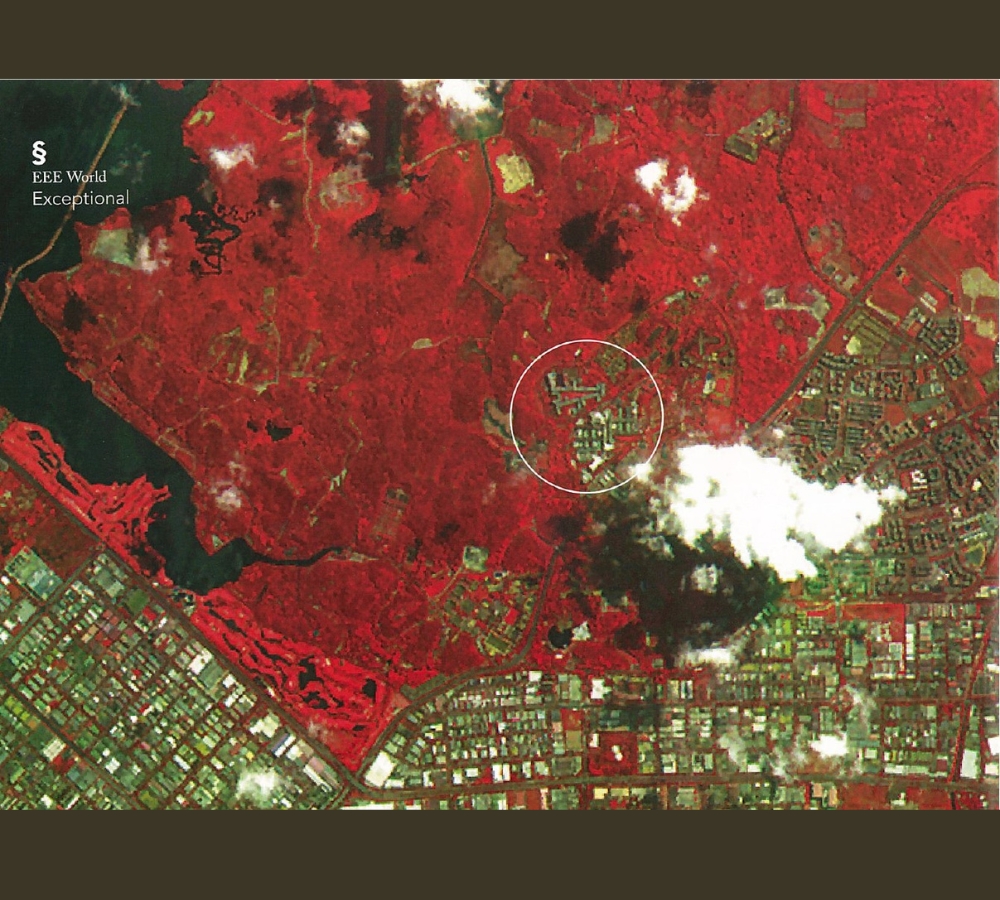
Successful launch of first made-in-Singapore satellite X-SAT. The micro-satellite christened 'X-SAT' was launched in Shriharikota Space Centre, India and was created in NTU EEE's Satellite Research Centre (SaRC).
2012
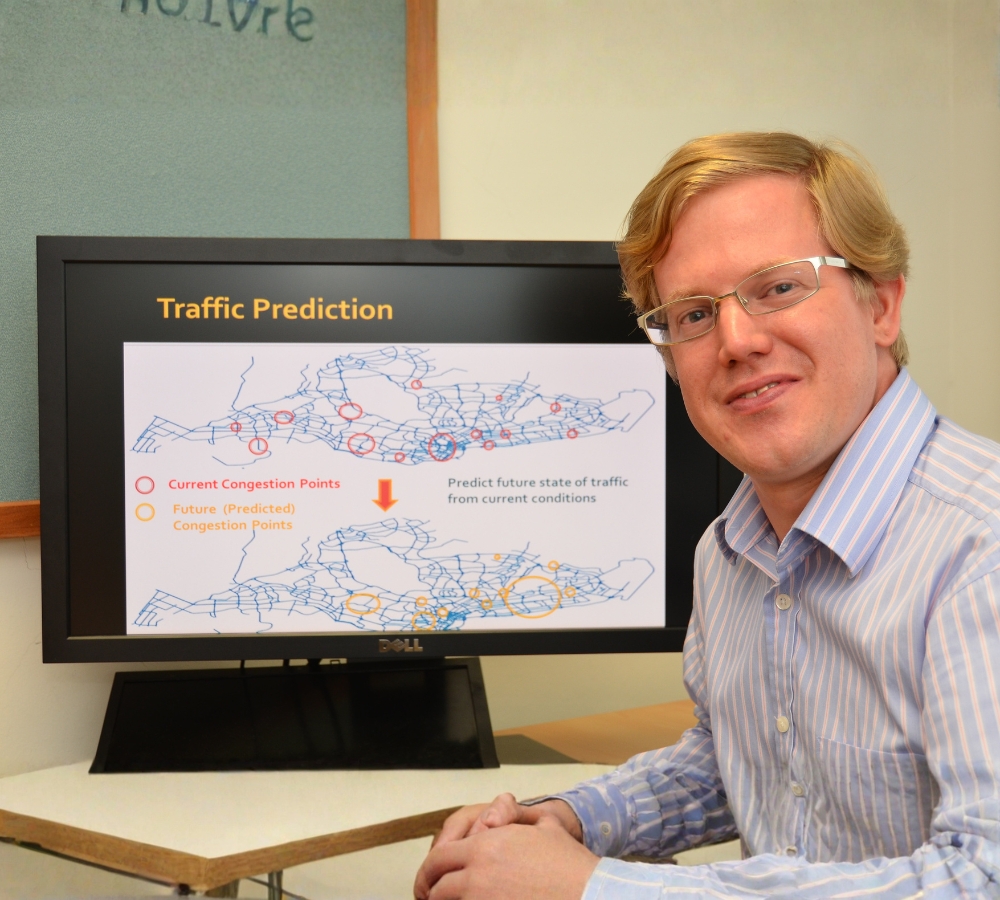
NTU EEE professor invents a novel intelligent system which predicts traffic flow in Singapore.
2013

Professor Yoon Soon Fatt assumes office as NTU EEE Chair.
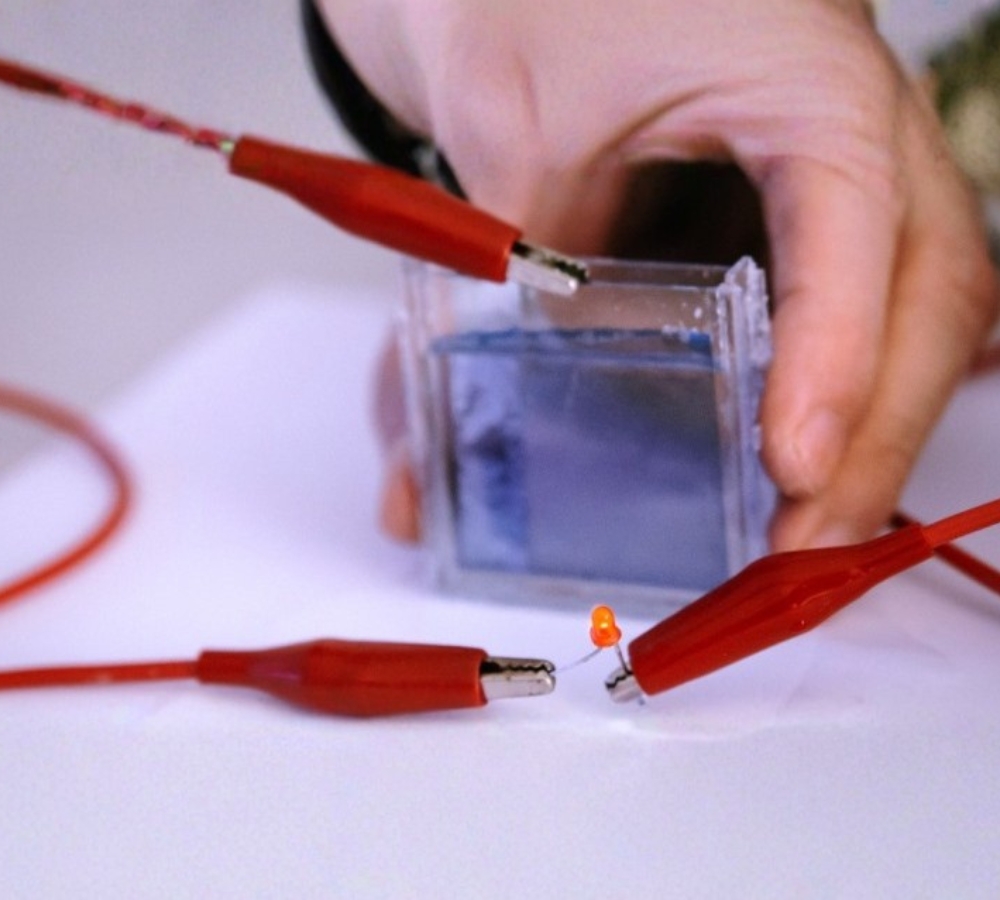
NTU EEE Prof Sun Xiaowei and his team invents a "smart" window. The window can act as a rechargeable battery as well as darken or brighten a space without the need for an external power source and featured in the scientific journal, Nature Communications.
2014
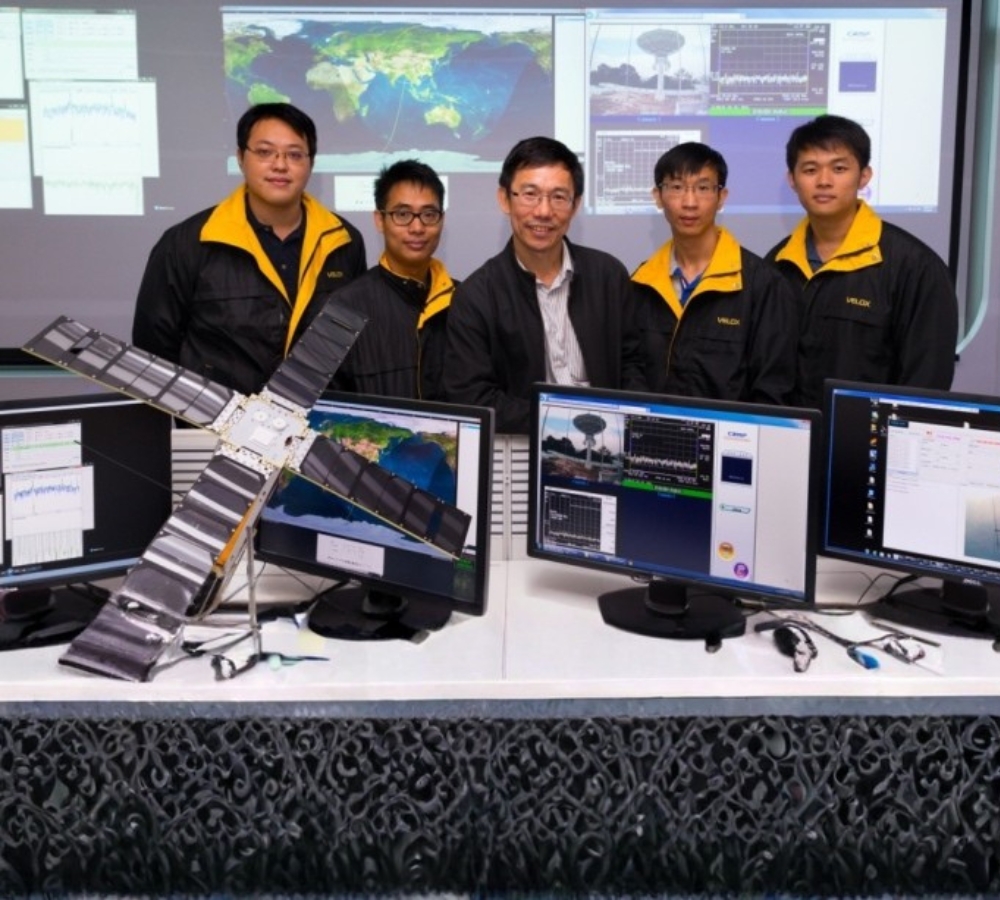
VELOX-I and VELOX-PIII launched into space: Designed and built by students and researchers at the NTU EEE Satellite Research Centre, the satellites were launched into space on India's Polar Satellite Launch Vehicle PSLV C-23 on 30 June.
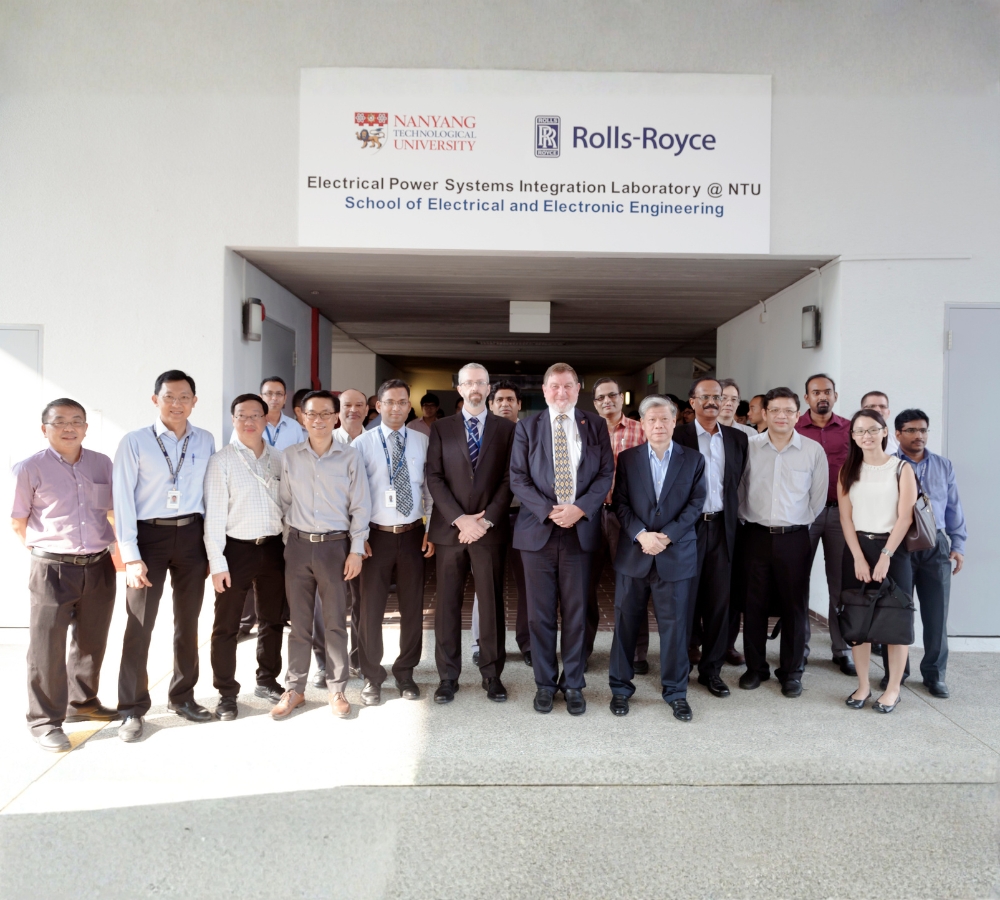
S$75 million Corporate Lab, set up jointly by NTU EEE and Rolls-Royce.
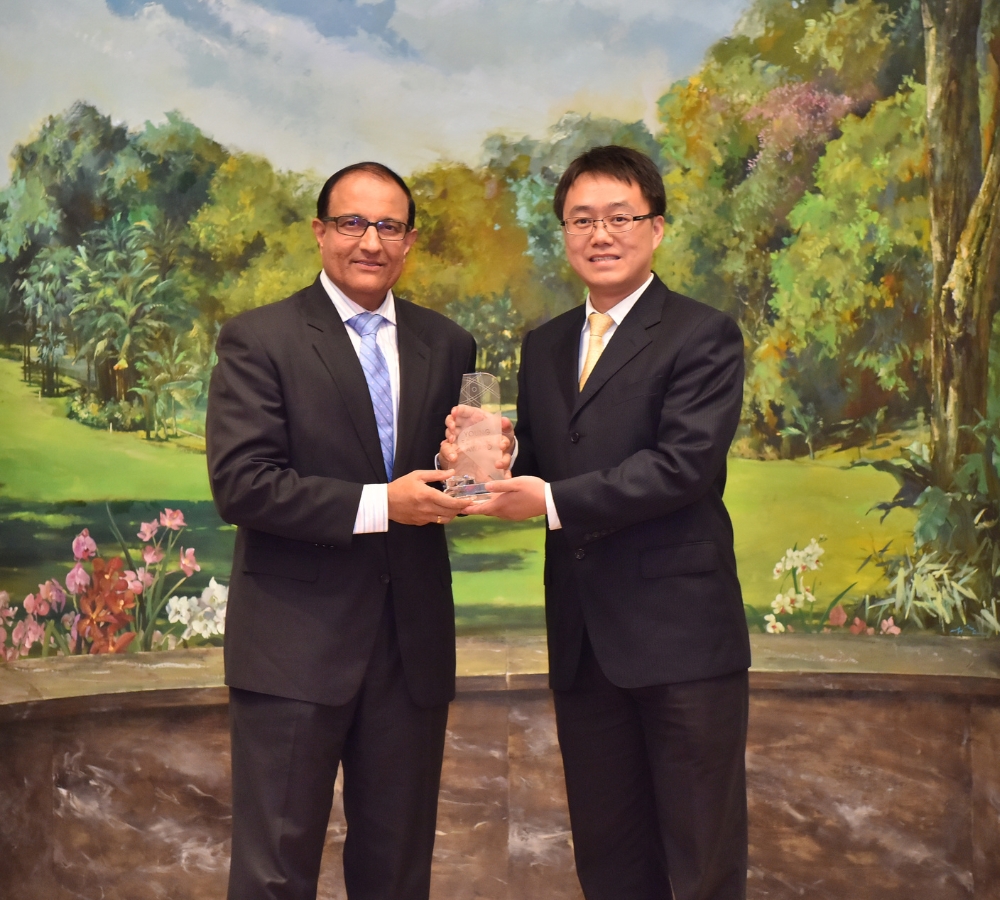
Professor Wang Qijie was awarded President's Science and Technology Awards - Young Scientist Award.
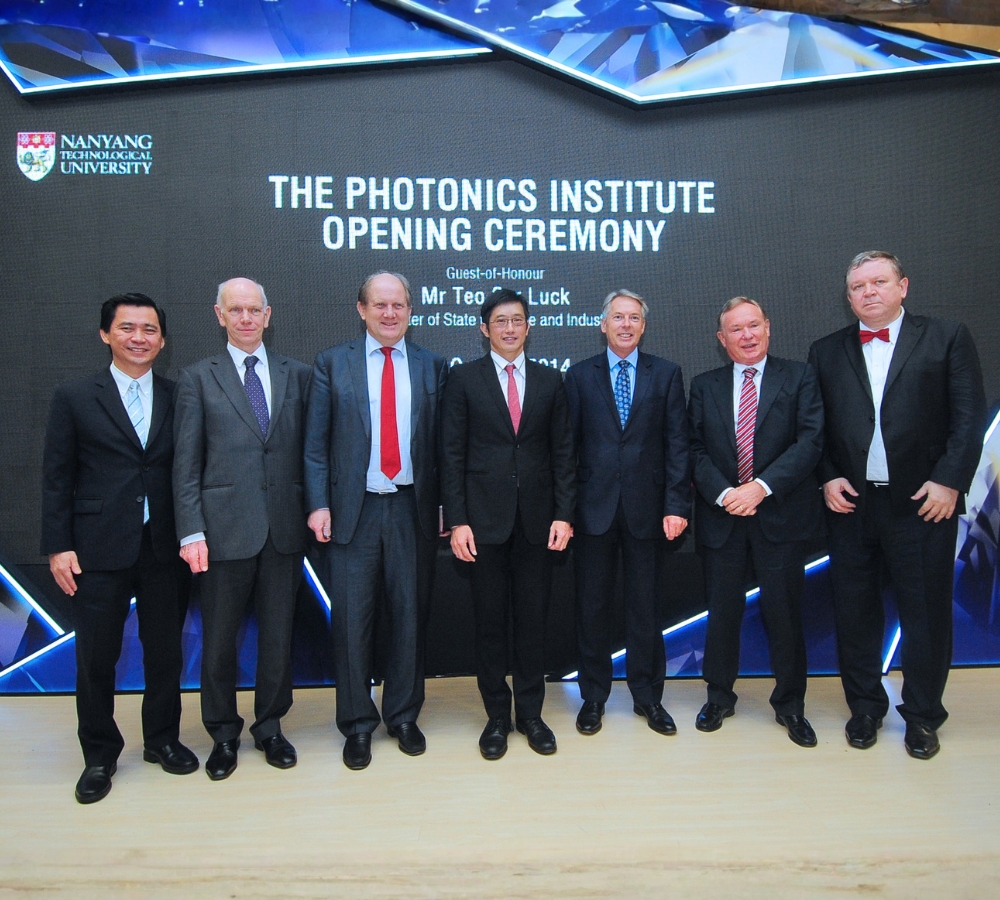
Photonics Institute launched.
2015

Collaboration with Thales Alenia Space: Named S4TIN (Smart Small Satellite Systems - Thales in NTU), the new lab will develop small infrared cameras to detect changes in climate and for maritime and aviation security.
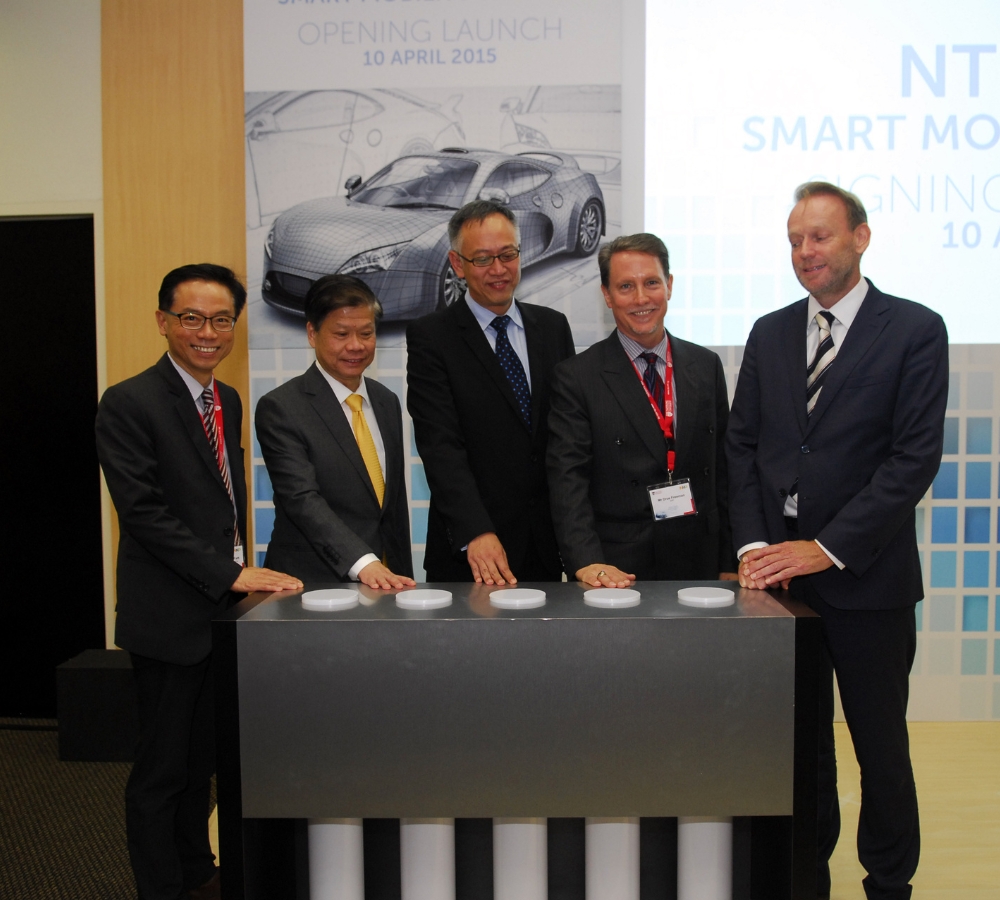
S$22 million Smart Mobility Test Bed launched on NTU campus: The collaboration with Dutch semiconductor group NXP is testing emerging technology that allows vehicles to 'talk' to one another as well as to road infrastructure such as traffic signals.

Si-COE officially opened. The Centre of Excellence for Silicon Technologies (Si-COE) has since been awarded S$15 million to spearhead R&D in next generation silicon-related technologies.

NTU EEE and US scientists develop rapid test for liver toxicity. The kit can provide results in 30 minutes and the invention has been published in the Royal Society of Chemistry's Lab on a Chip journal.
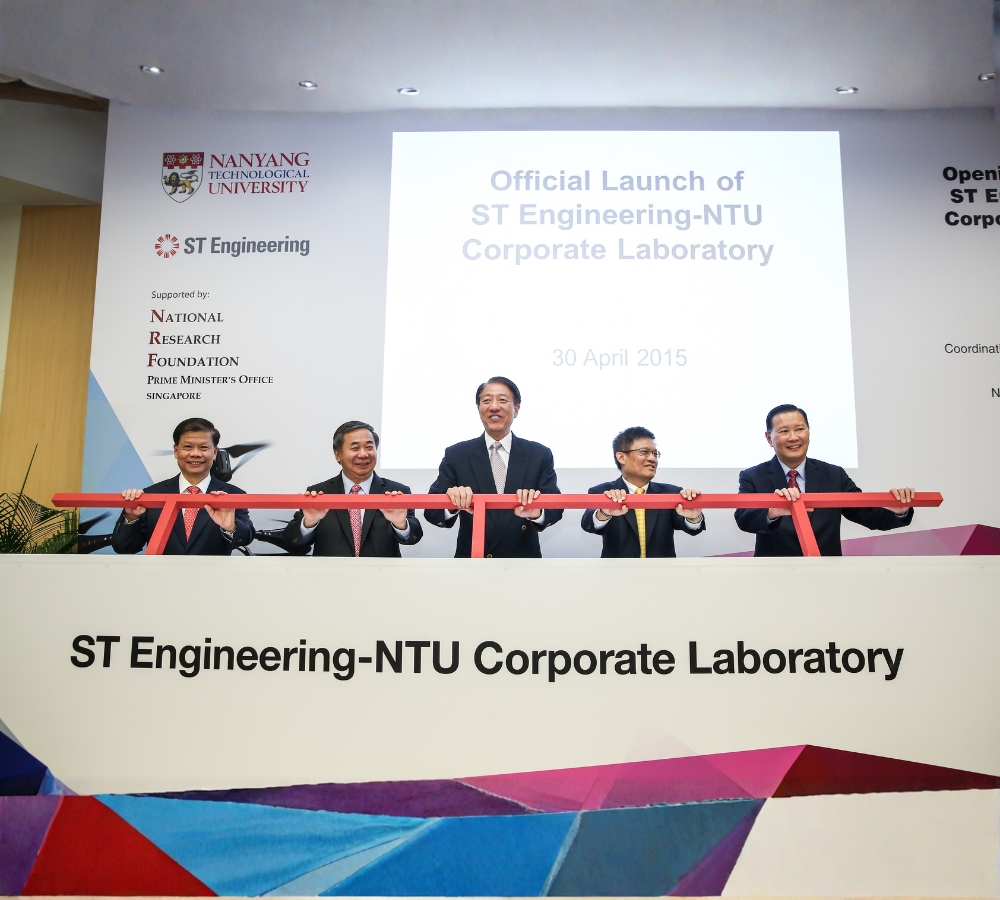
NTU EEE and ST Engineering launch joint Corporate Lab. The lab will receive S$53 million in funding and is supported by the National Research Foundation (NRF).
2016
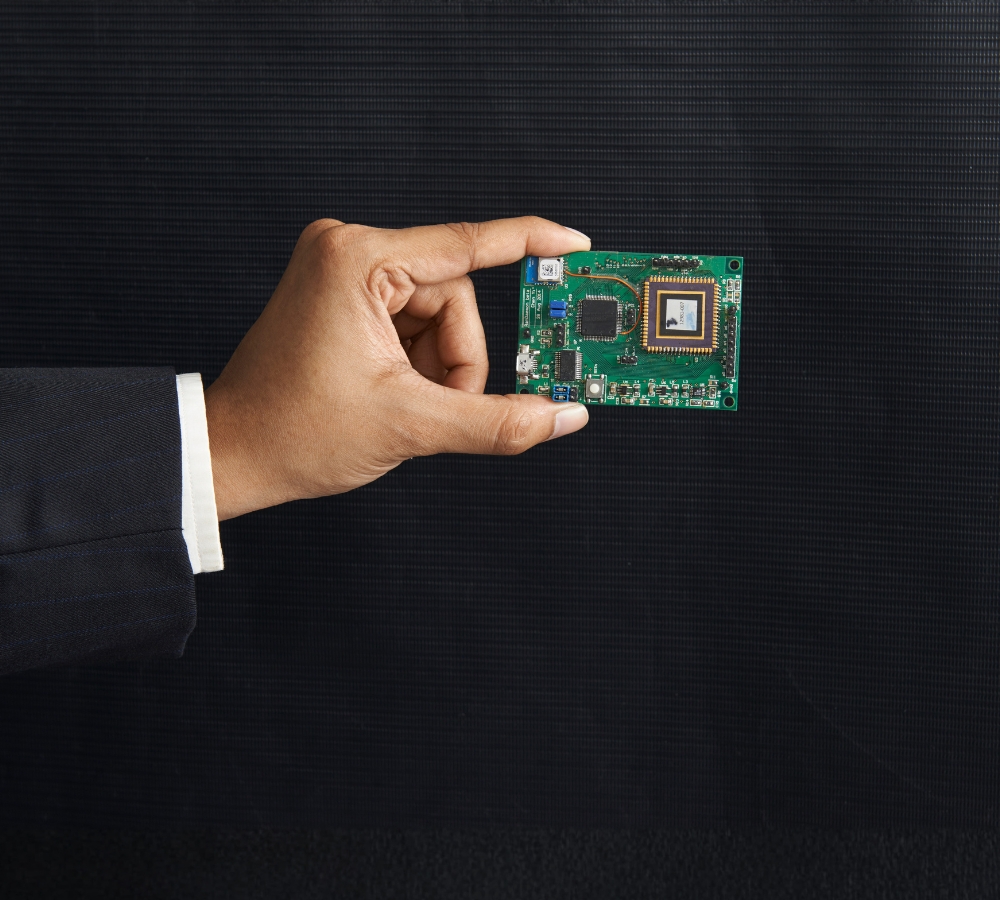
New NTU EEE smart chip makes low-powered, wireless neural implants a possibility. The chip can allow the transmission of brain data wirelessly and with high accuracy, alleviating symptoms of Parkinson's disease or give paraplegics the ability to move their prosthetic limbs.
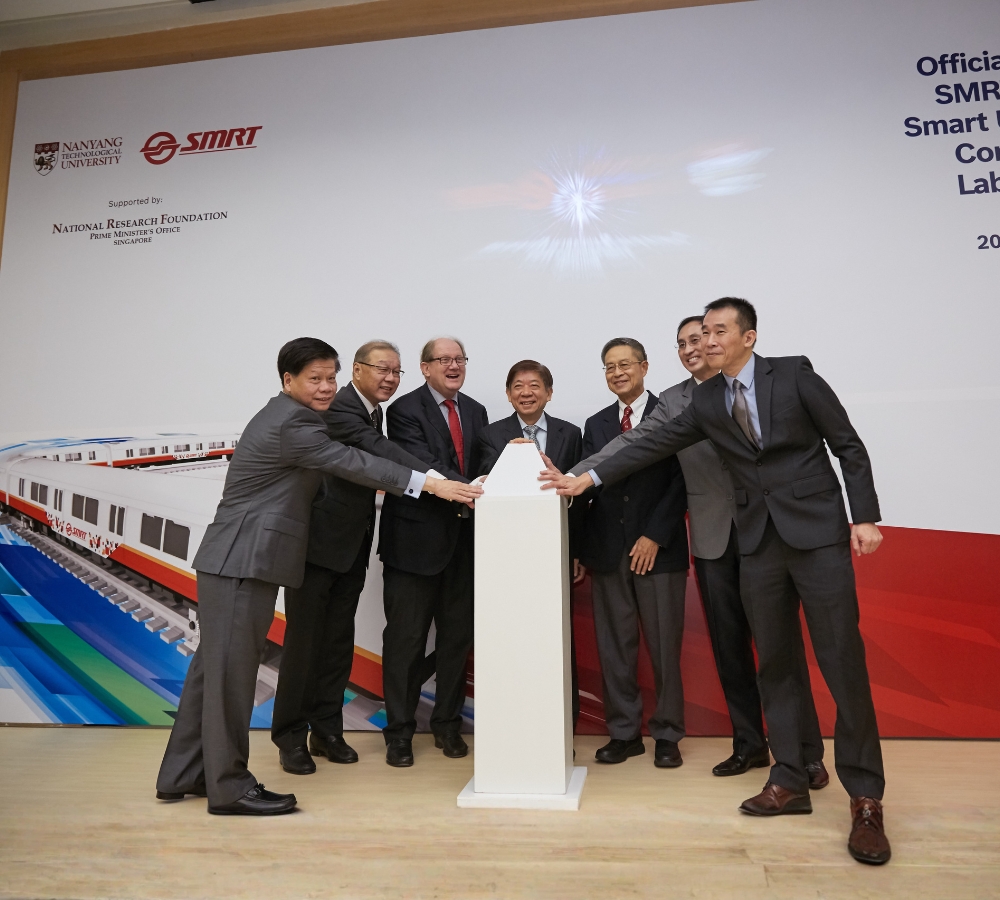
NTU EEE and SMRT launch research laboratory to boost rail reliability. The S$60 million joint research facility is developing technology-driven solutions to build an urban rail system that is resilient and reliable, for a car-lite future.
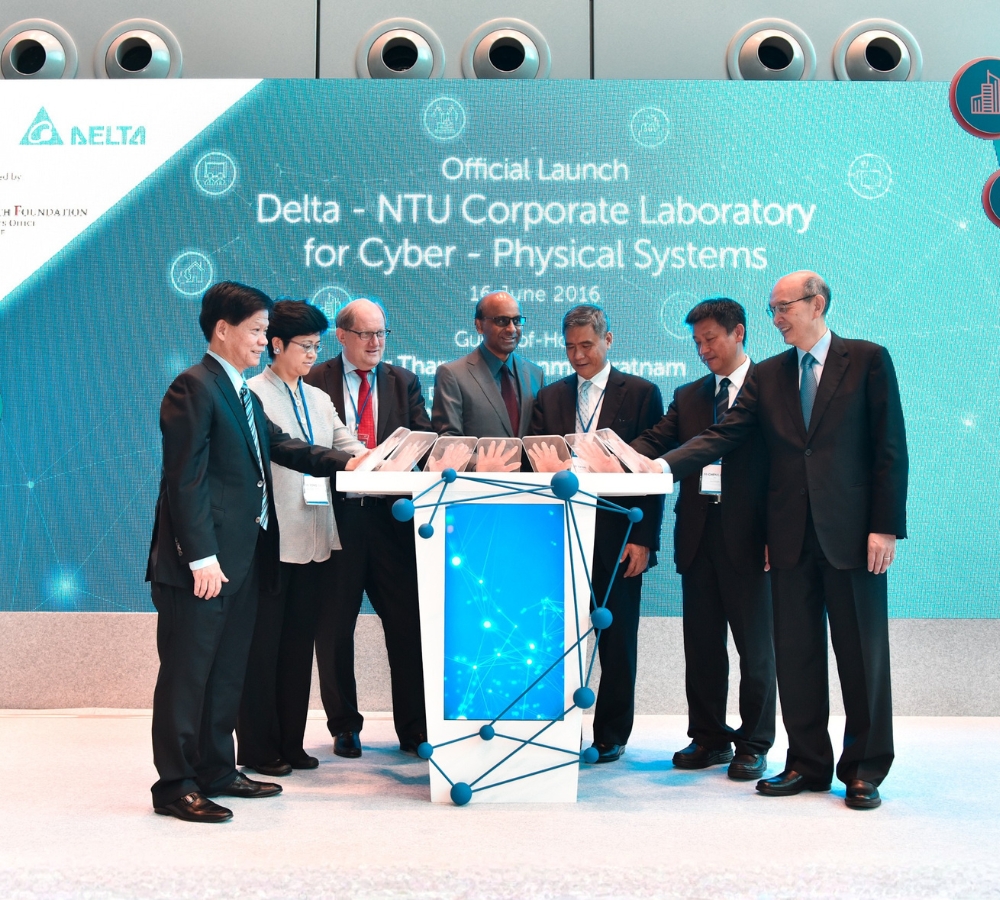
NTU EEE and Delta Electronics set up S$45 million lab for smart technologies. The Delta - NTU Corporate Laboratory for Cyber-Physical Systems is developing smart technologies that will enhance everyday life, enable better learning and advance manufacturing processes.
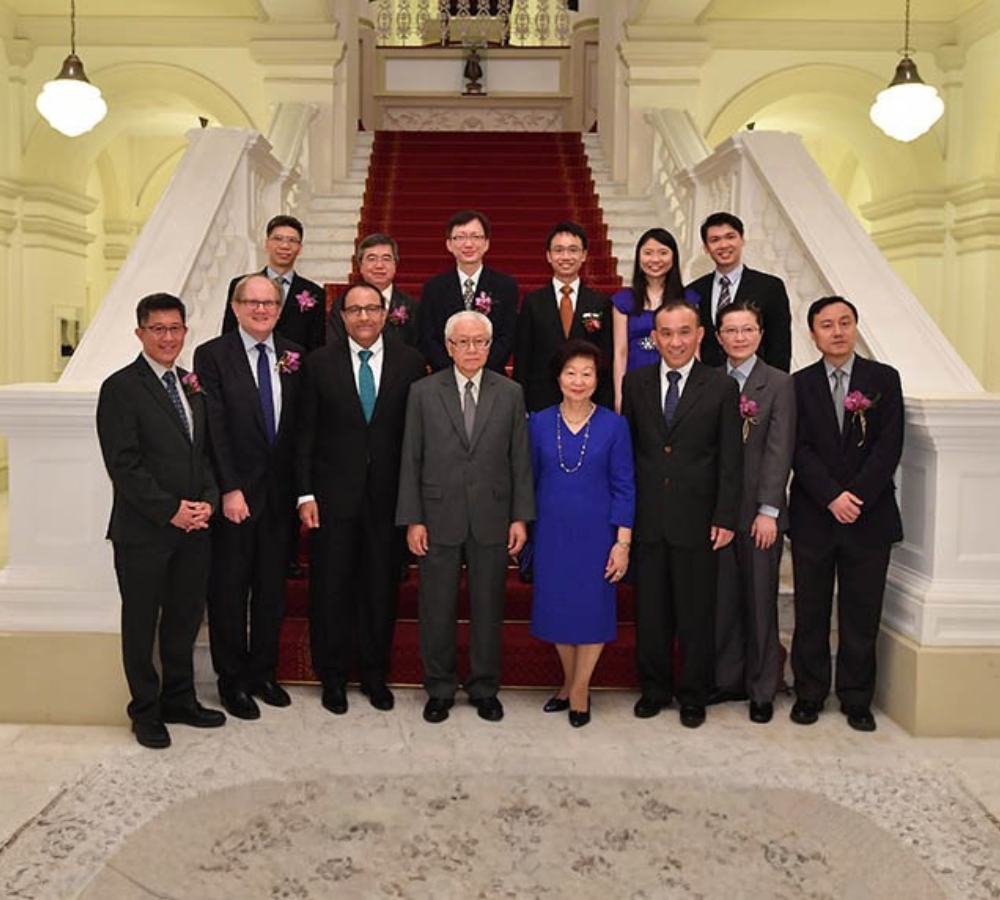
President's Technology Award: NTU EEE's SaRC part of team that received the President's Technology Award for their satellite TeLEOS-1.
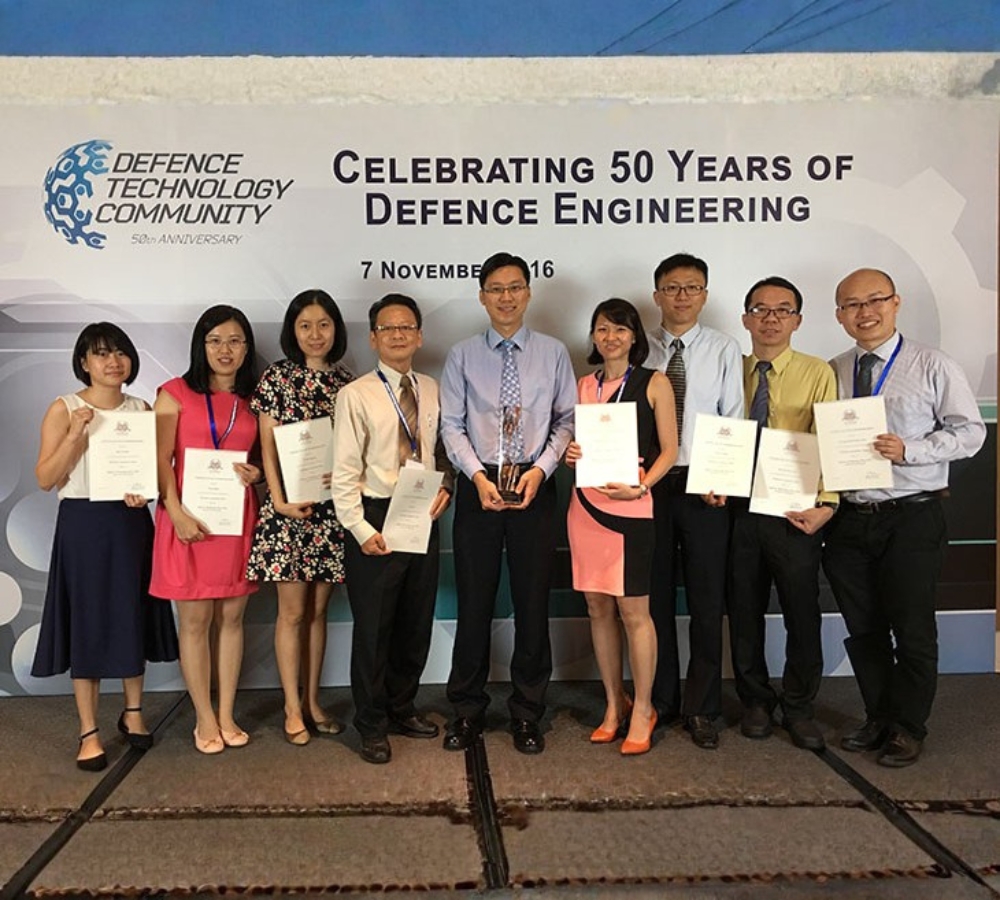
NTU EEE awarded the Defence Technology Prize 2016.
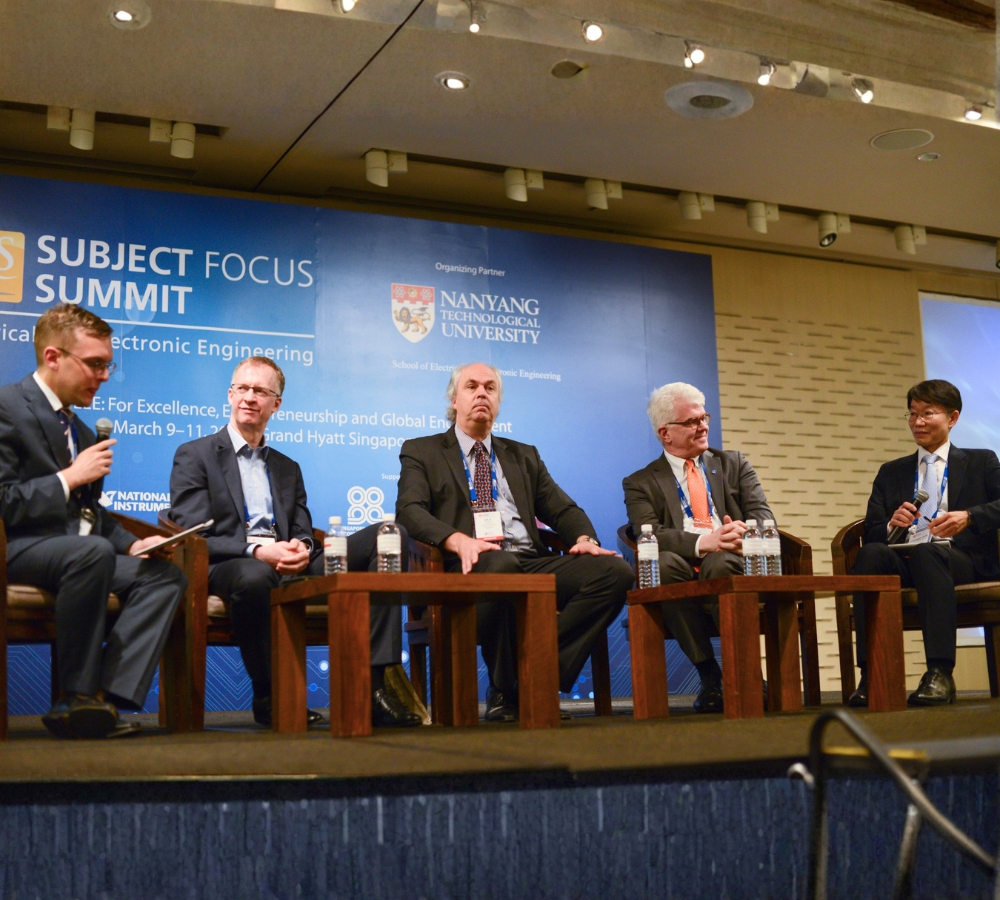
QS Subject Focus Summit: The summit, jointly organised with education firm Quacquarelli Symonds (QS), attracted over 150 EEE academics from around the world.
2017
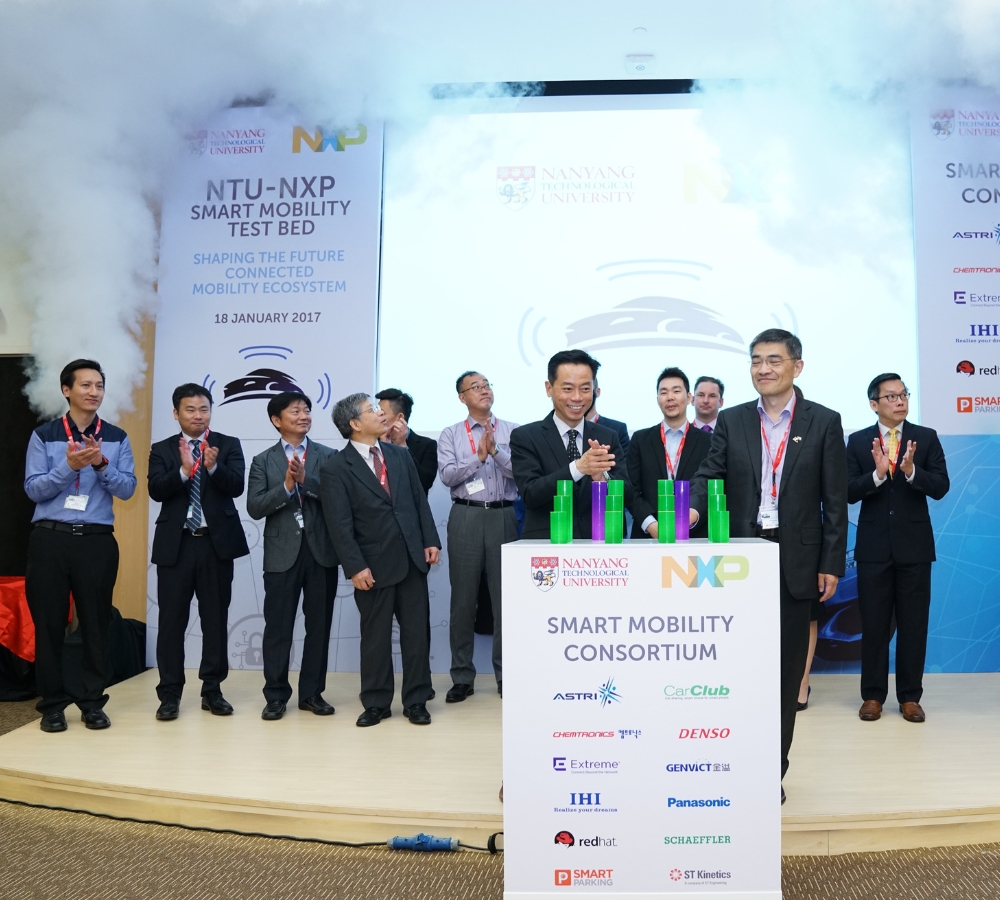
NTU EEE and NXP Semiconductors launch Singapore’s first Smart Mobility consortium: The consortium, made up of 12 industry partners, uses the NTU campus as a living test bed.
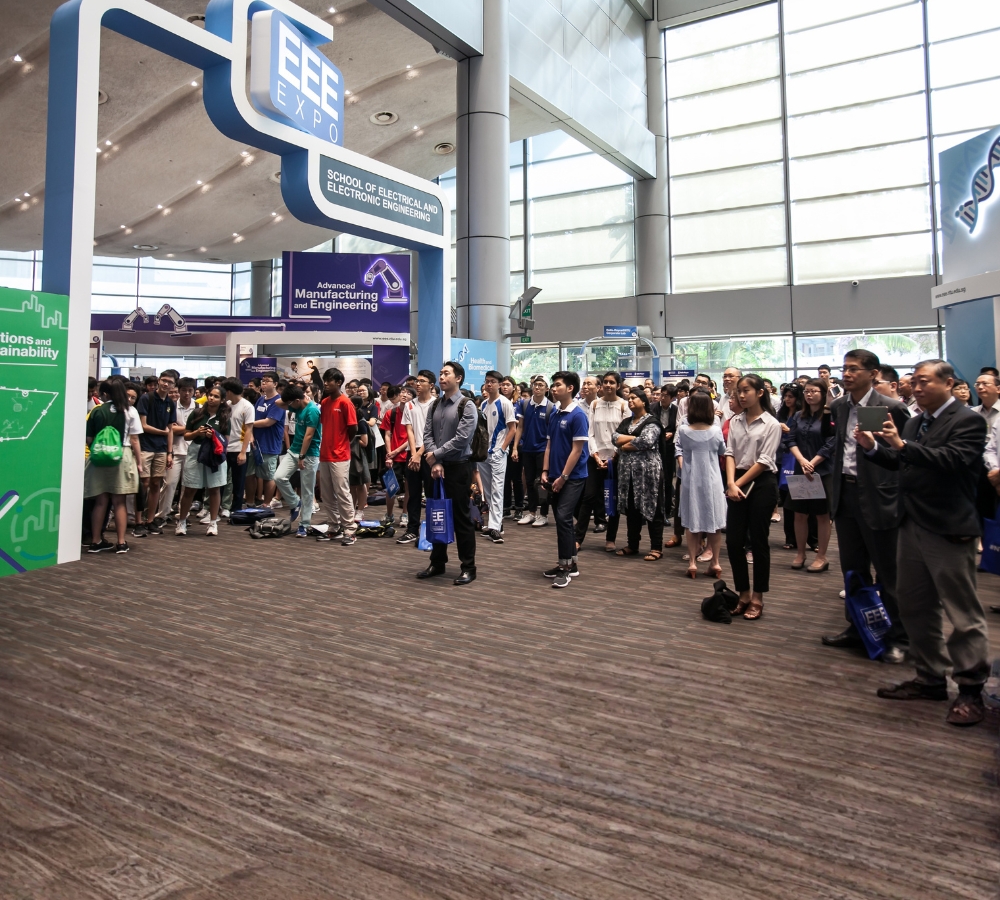
Inaugural NTU EEE Expo: The one-day expo showcased the best of our researchers’ wide-ranging and thought-provoking works across multidisciplinary fields.
NTU EEE and Schaeffler Group set up joint lab to develop smart mobility devices. The joint research laboratory has S$5 million in funding over three years.
2018
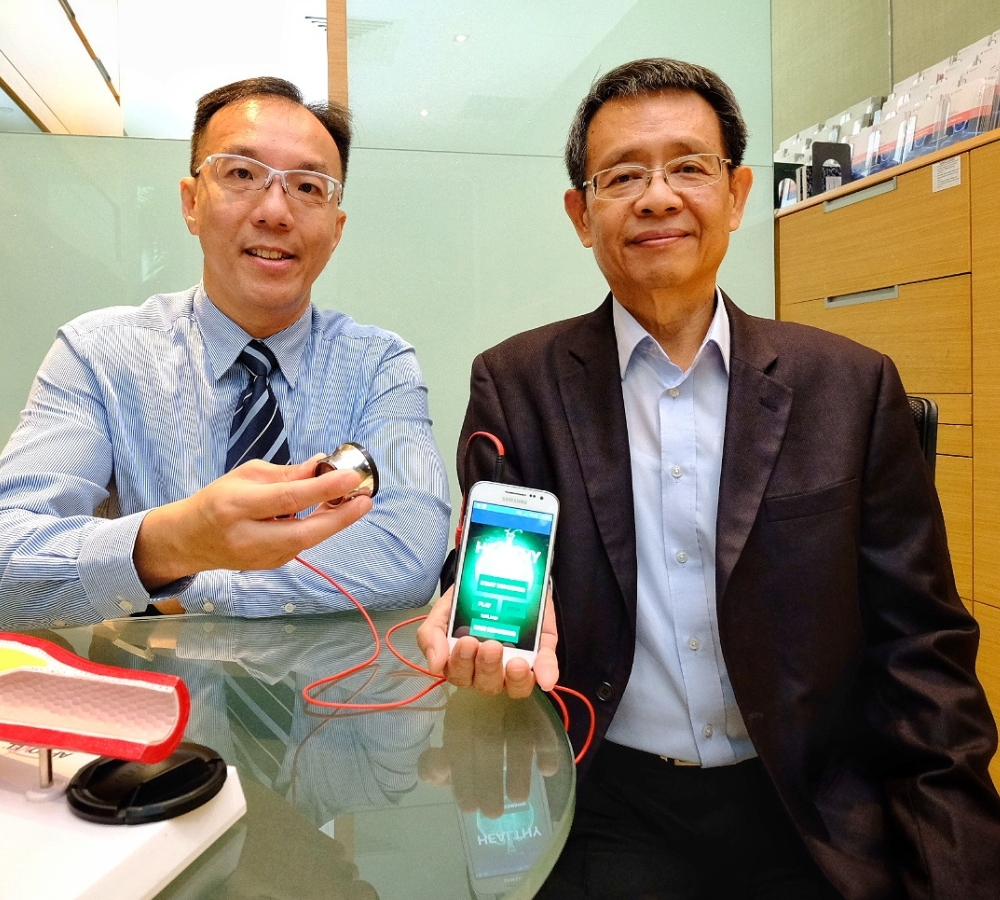
NTU Assoc Prof Ser Wee and TTSH Assoc Prof David Foo developed a smart handheld medical device that could enable early intervention for patients with congestive heart failure. The device circumvents these problems with its portability, ease of use and quick result.
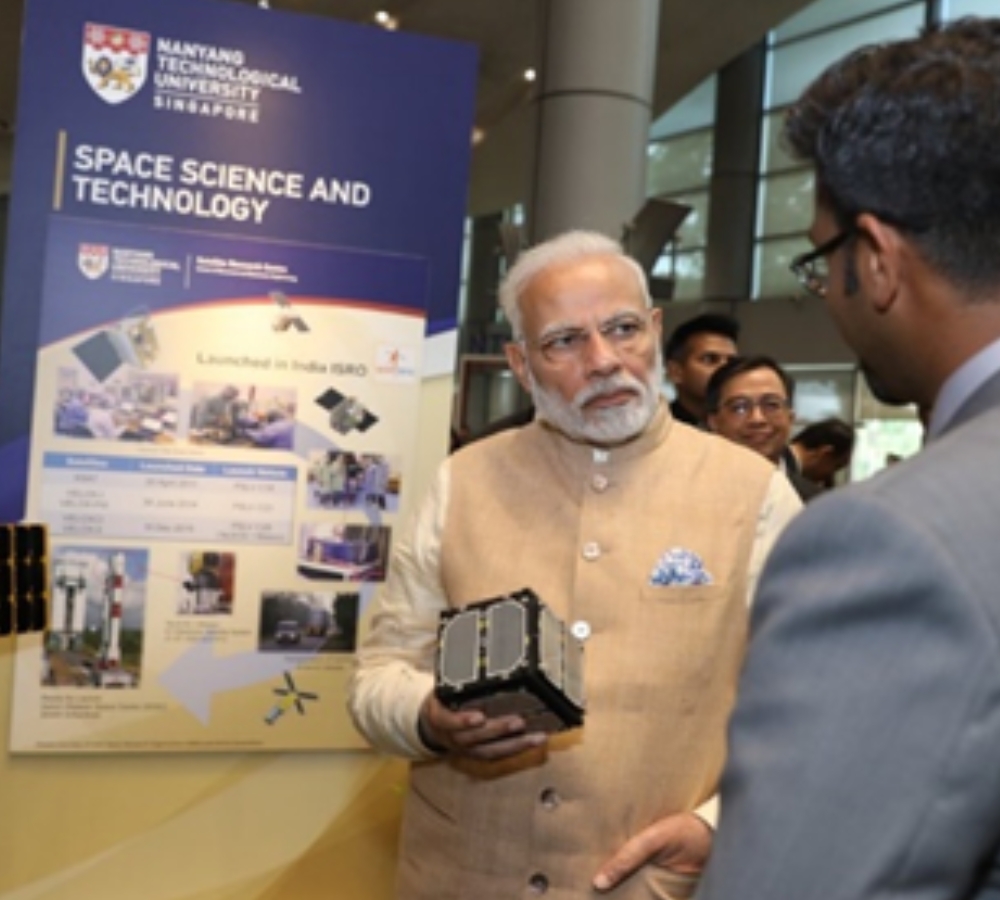
EEE’s Satellite Research Centre and India’s Institute of Space Science and Technology to collaborate on Space Research & Education.
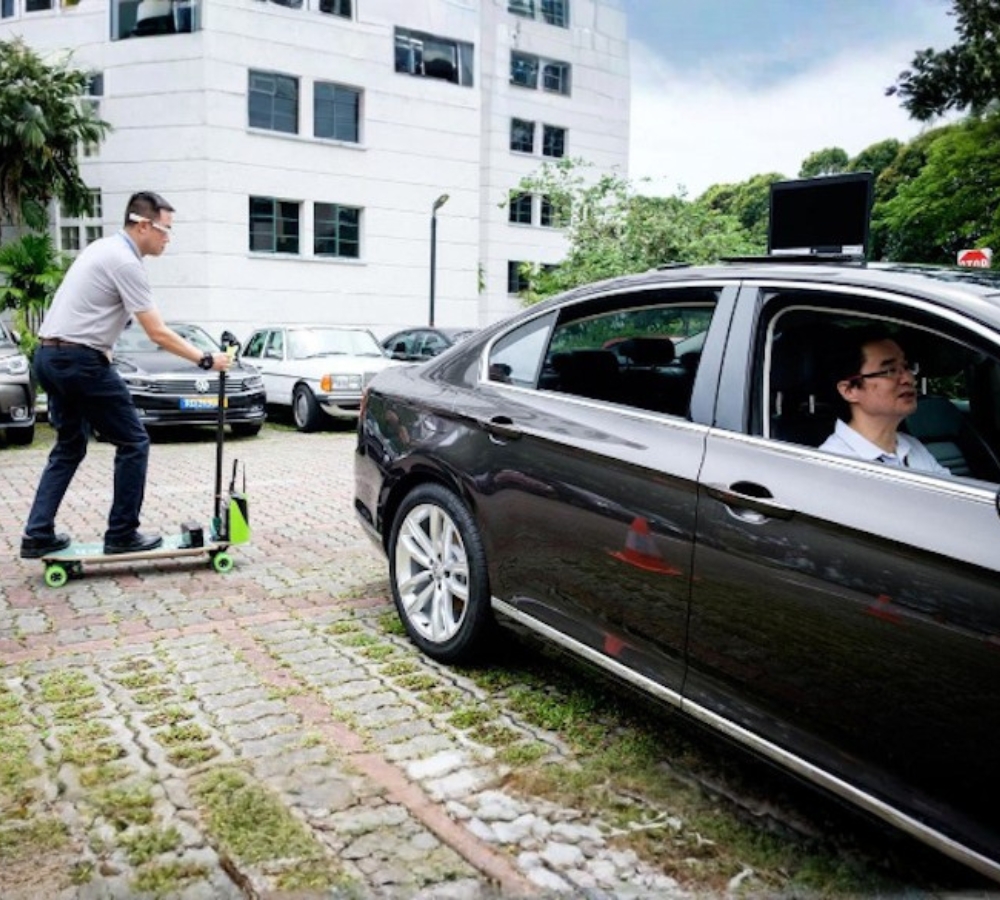
Prof Guan Yong Liang developed Vehicular Communications For Multi-modal Mobility Solution.
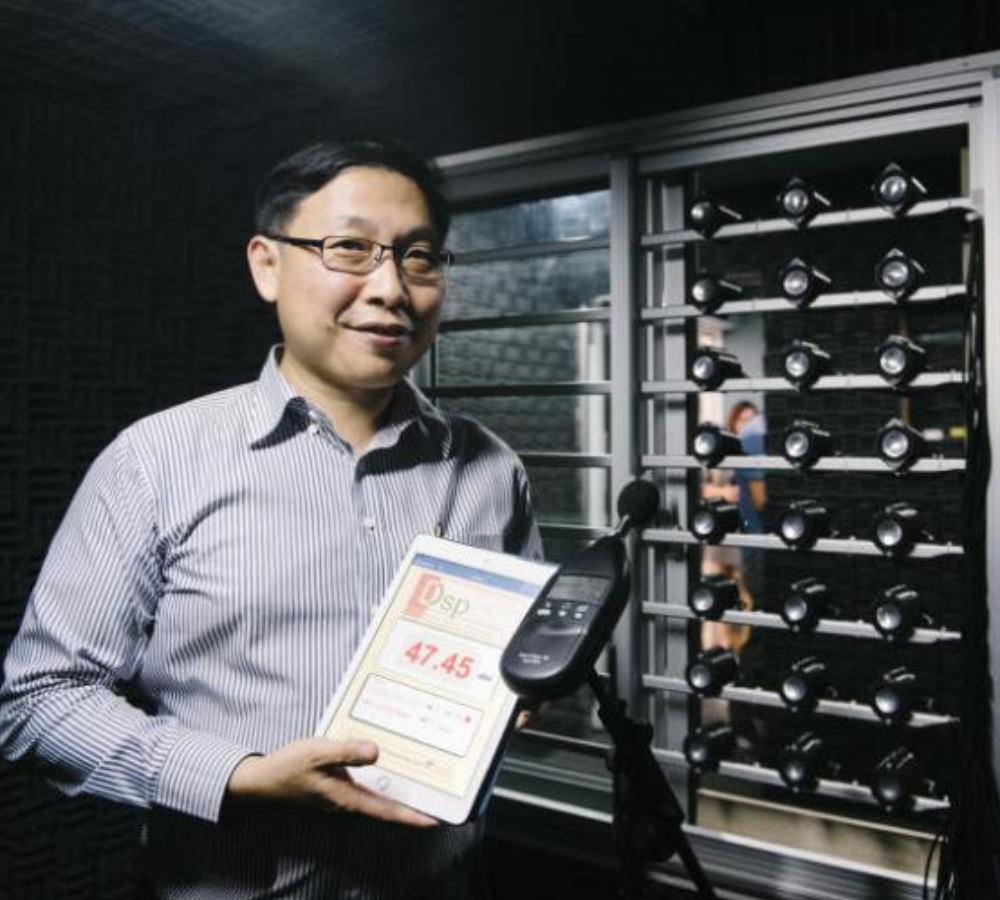
Prof Gan Woon Seng and his team developed a device that can reduce noise pollution entering buildings even while windows are wide open.
2019
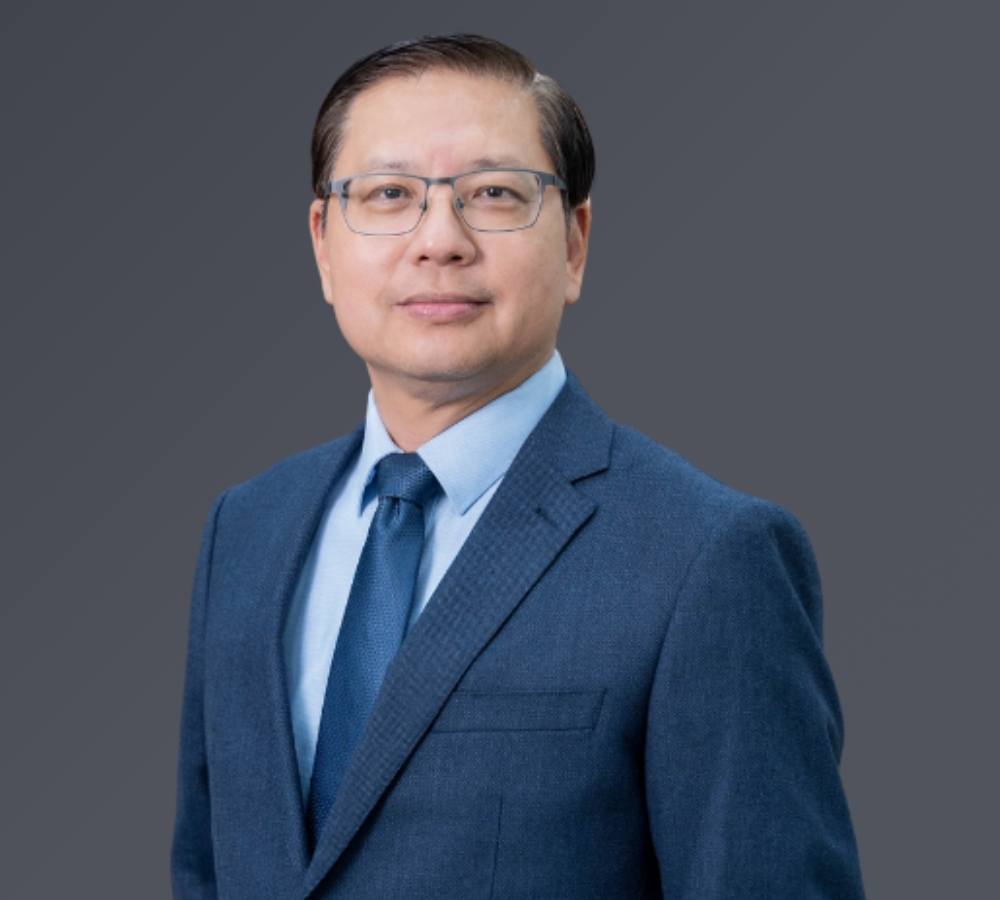
Professor Tan Yap Peng was appointed as the sixth Chair of NTU EEE.

S$24M Connected Smart Mobility (COSMO) programme was launched in EEE to develop next generation connected mobility technologies and solutions.
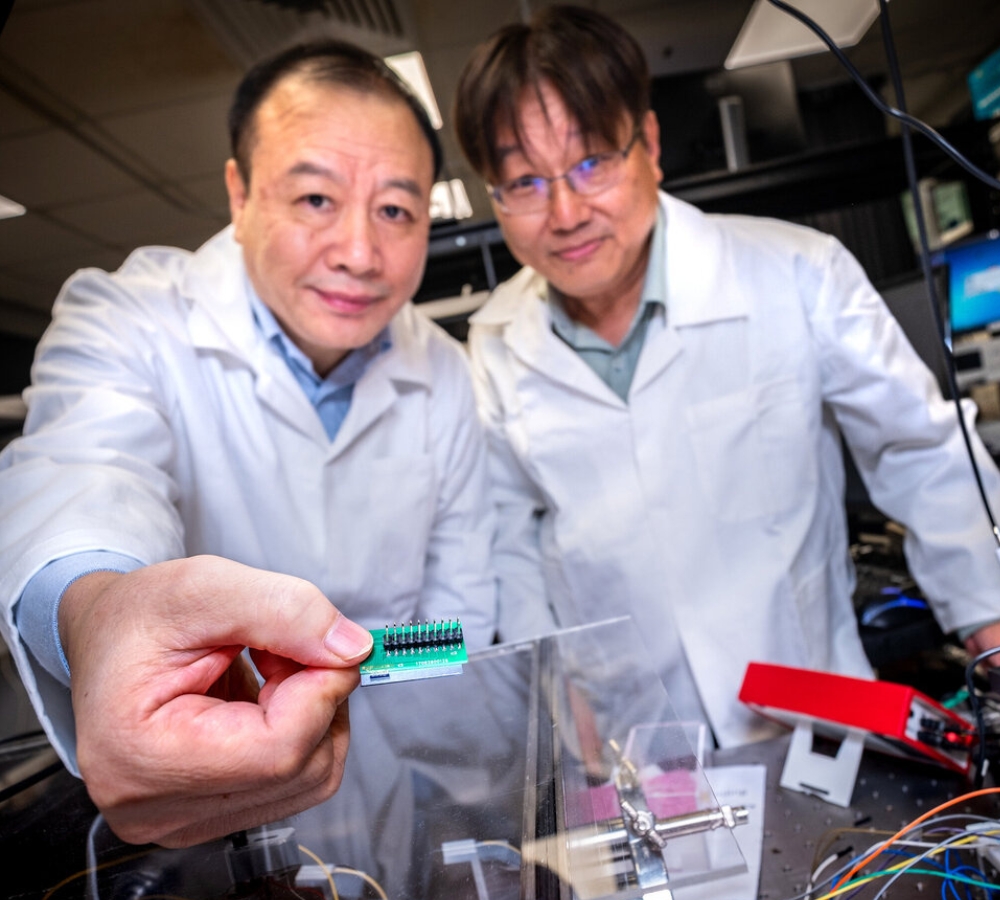
Prof Liu Aiqun and his researchers develop quantum communication chip 1,000 times smaller than current setups and provides almost unhackable levels of encryption.

EEE extended the collaboration with Thales and Thales Alenia Space on the Small Satellite Research for Smart Small Satellite Systems Thales in NTU (S4TIN) joint lab.
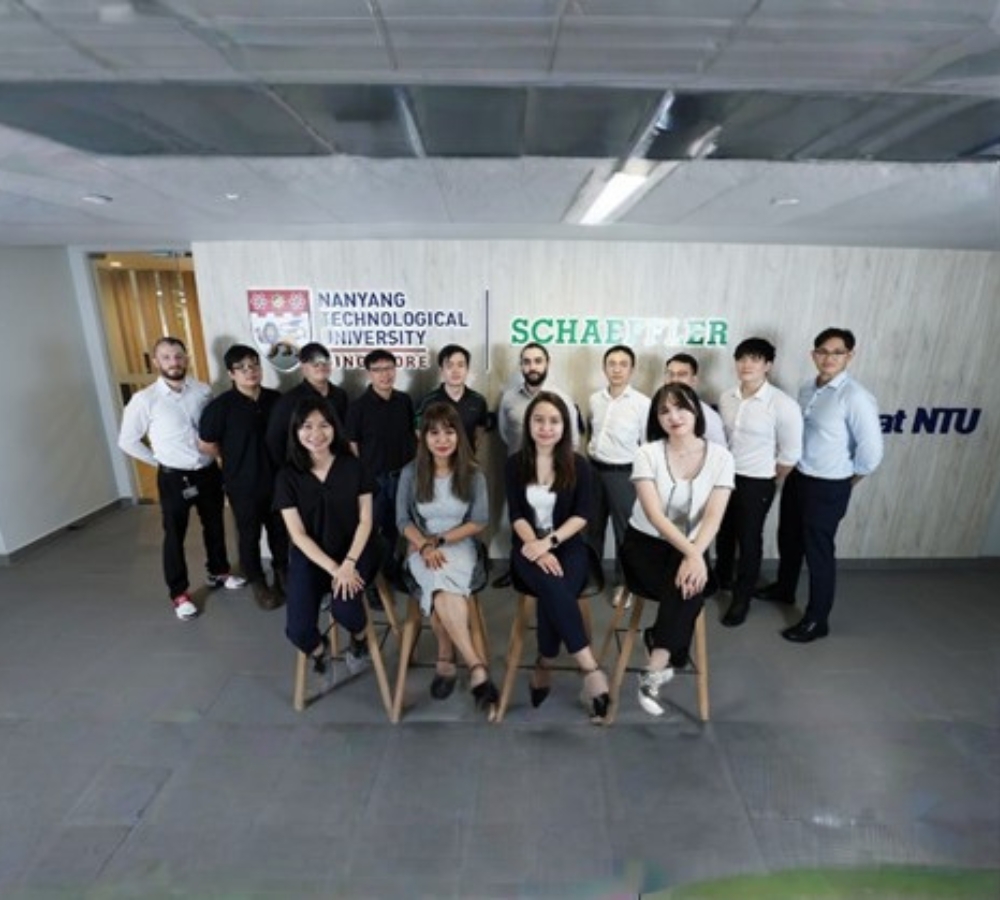
EEE joins hands with Schaeffler to setup joint research hub to boost robotics and manufacturing capabilities.
2020
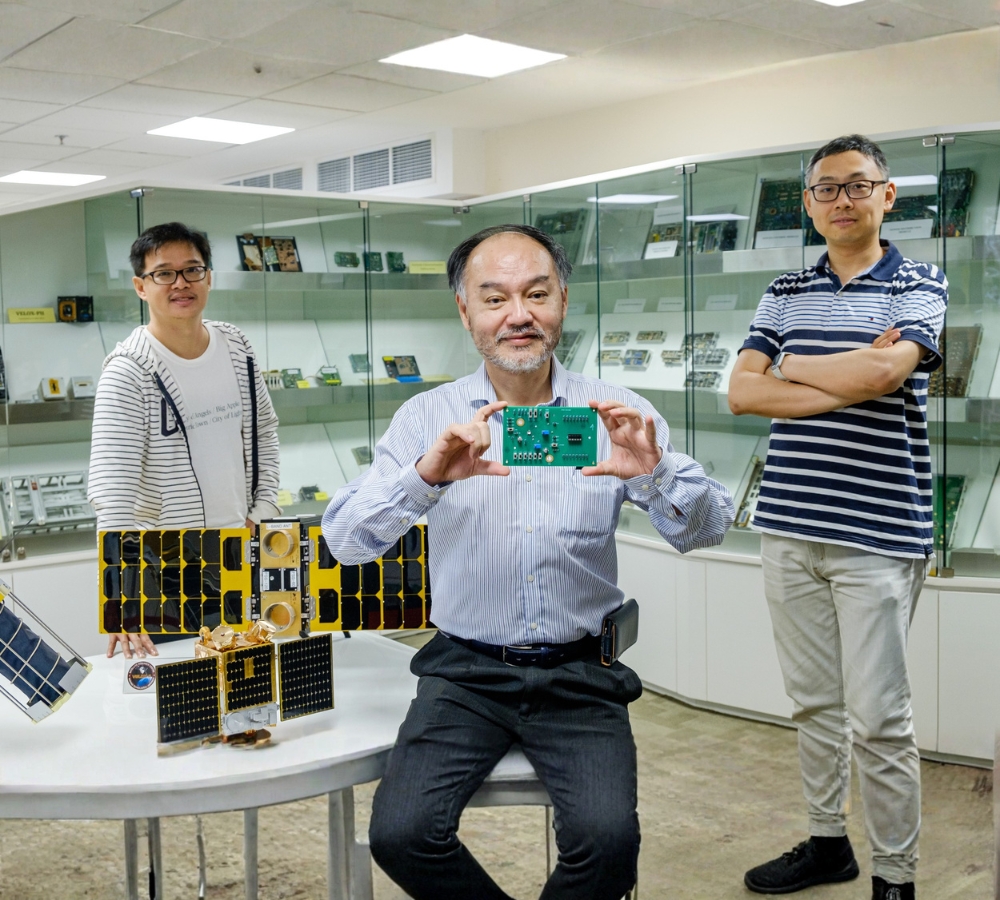
Prof Joseph Chang and his team developed new 'smart' chip to protect satellite electronics from radiation.
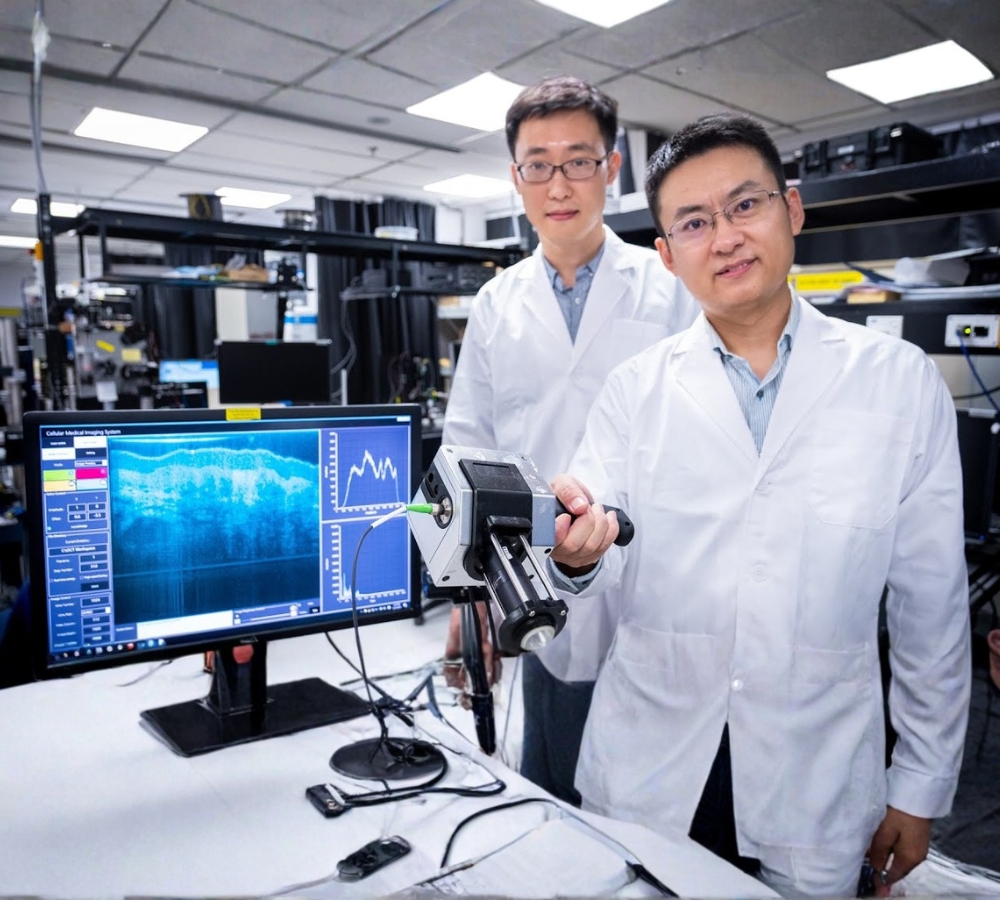
Assoc Prof Liu Linbo developed a handheld, high-resolution medical imaging device.
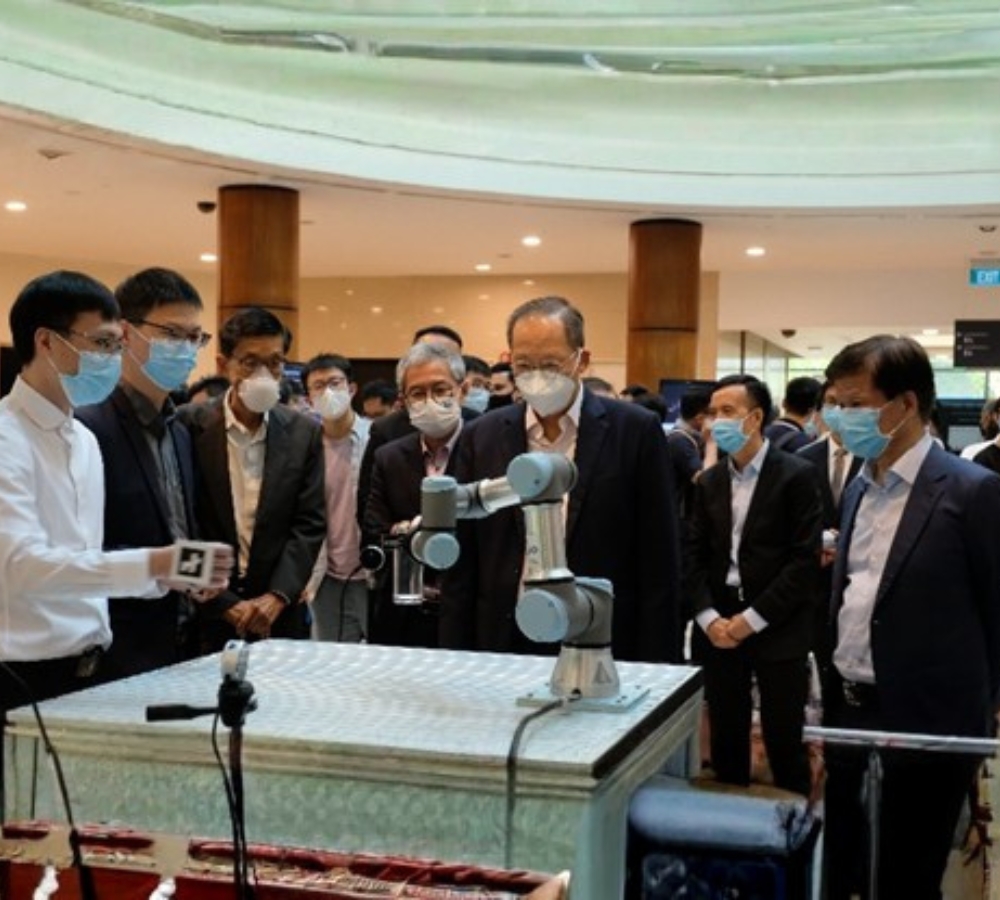
The $45 million Centre for Advanced Robotics Technology Innovation (CARTIN) was established to develop affordable, safe, and user-friendly robotics technologies.
2021
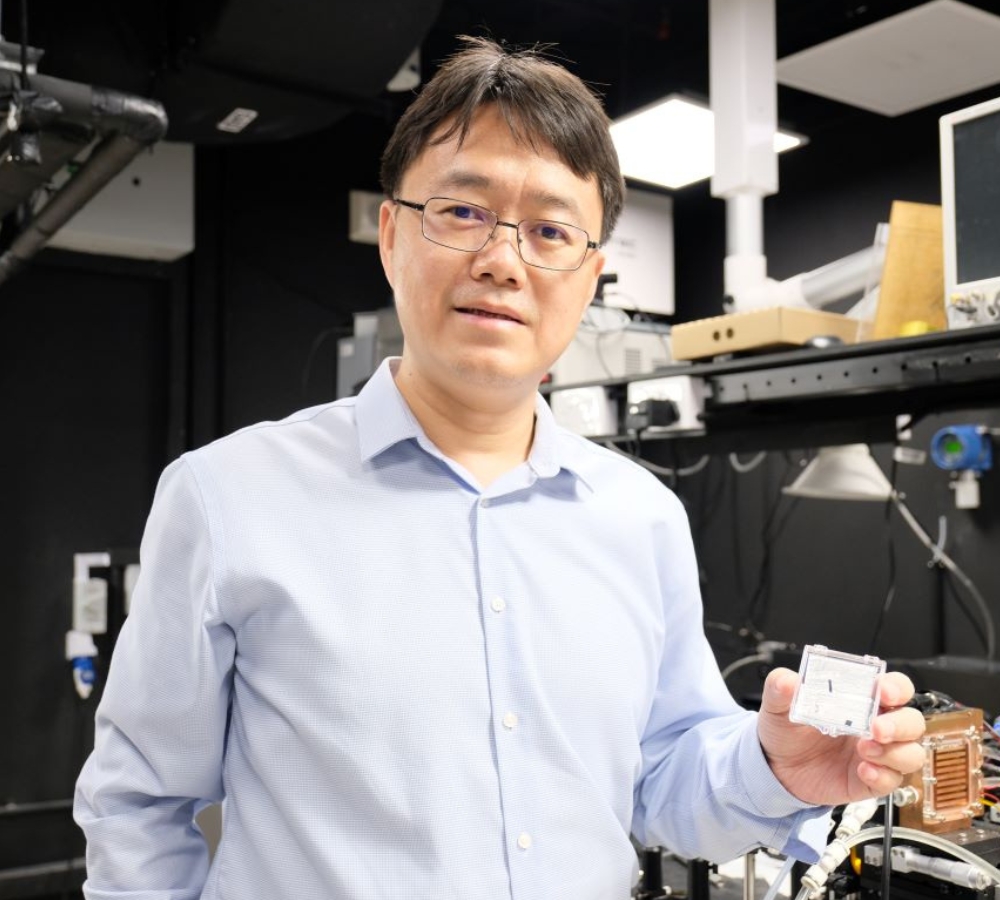
Prof Wang Qijie developed a Laser System that generates random numbers at ultrafast speeds.

Launch of NTU Quantum Science and Engineering Centre (QSec), which aims to develop devices and technologies powered by quantum science.
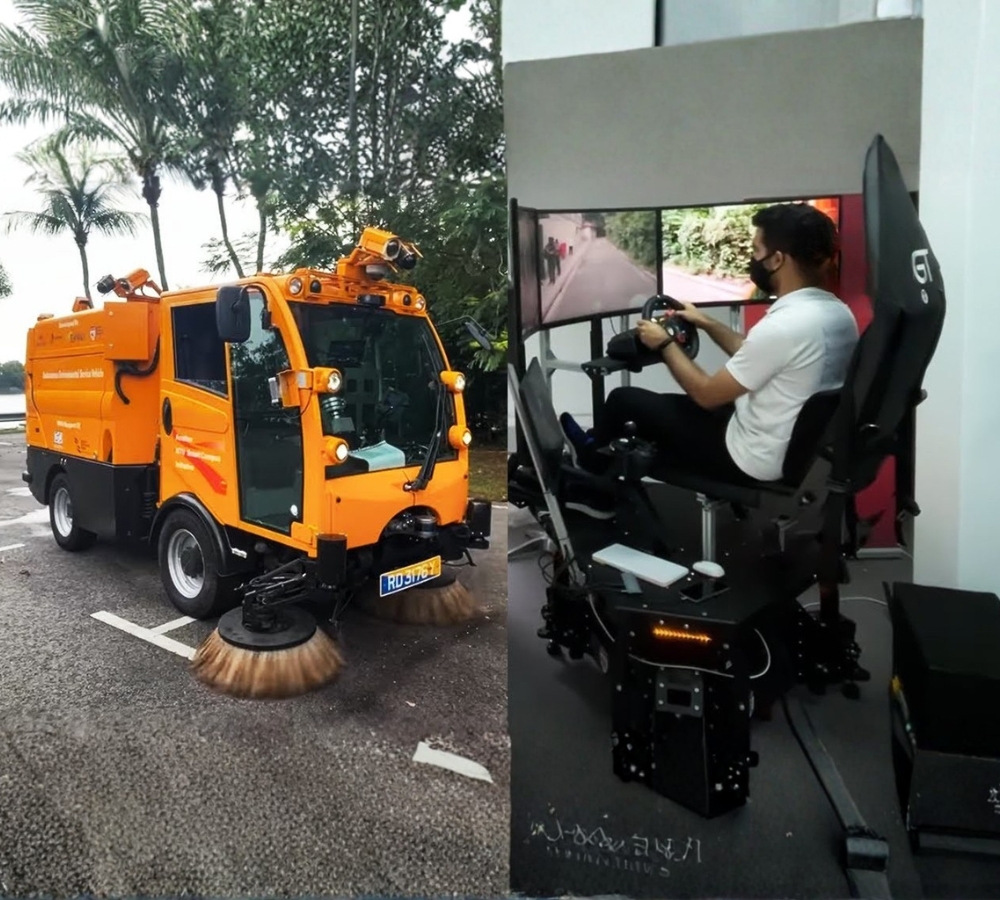
Prof Wang Danwei and his team developed a high-fidelity teleoperation system that enables drivers to operate heavy-duty vehicles remotely, with remote-controlled road sweeper tests in Sentosa.
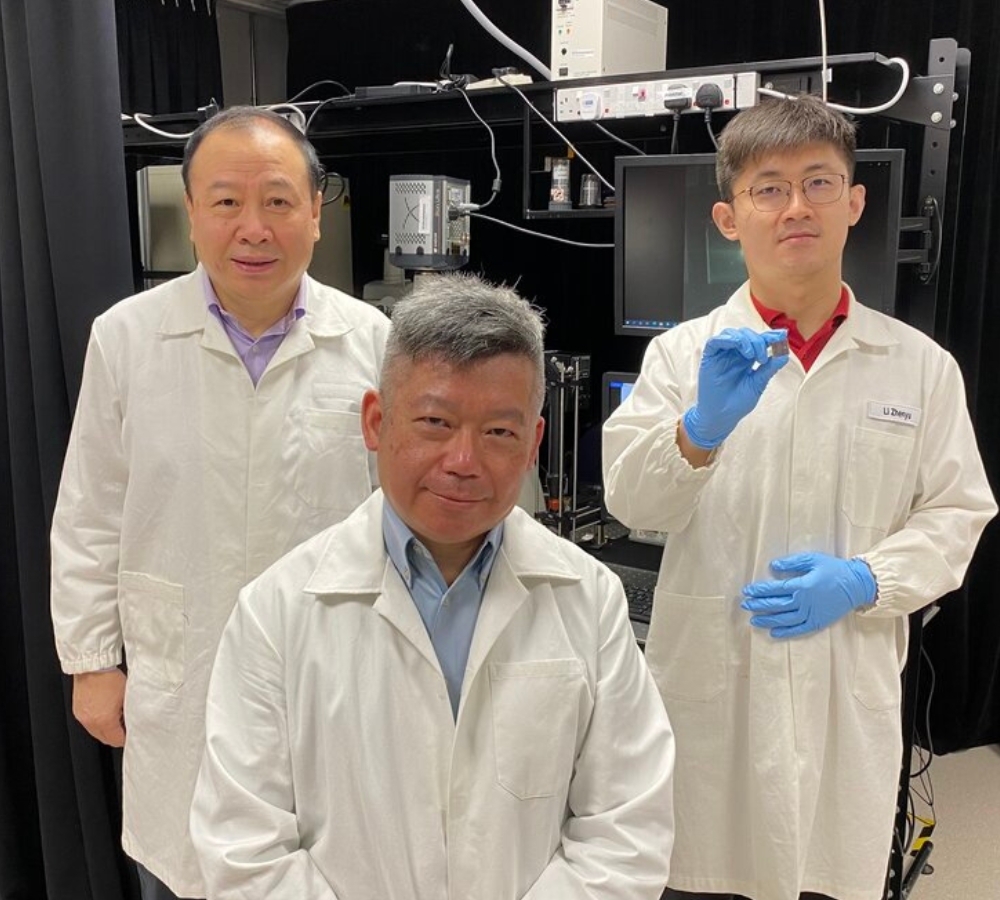
Prof Liu Aiqun led a team that created a laser-powered device that can trap and move viruses using light. The device has the ability to manipulate light to act as "tweezers" and aid in the development of new approaches to disease diagnosis and the study of viruses.
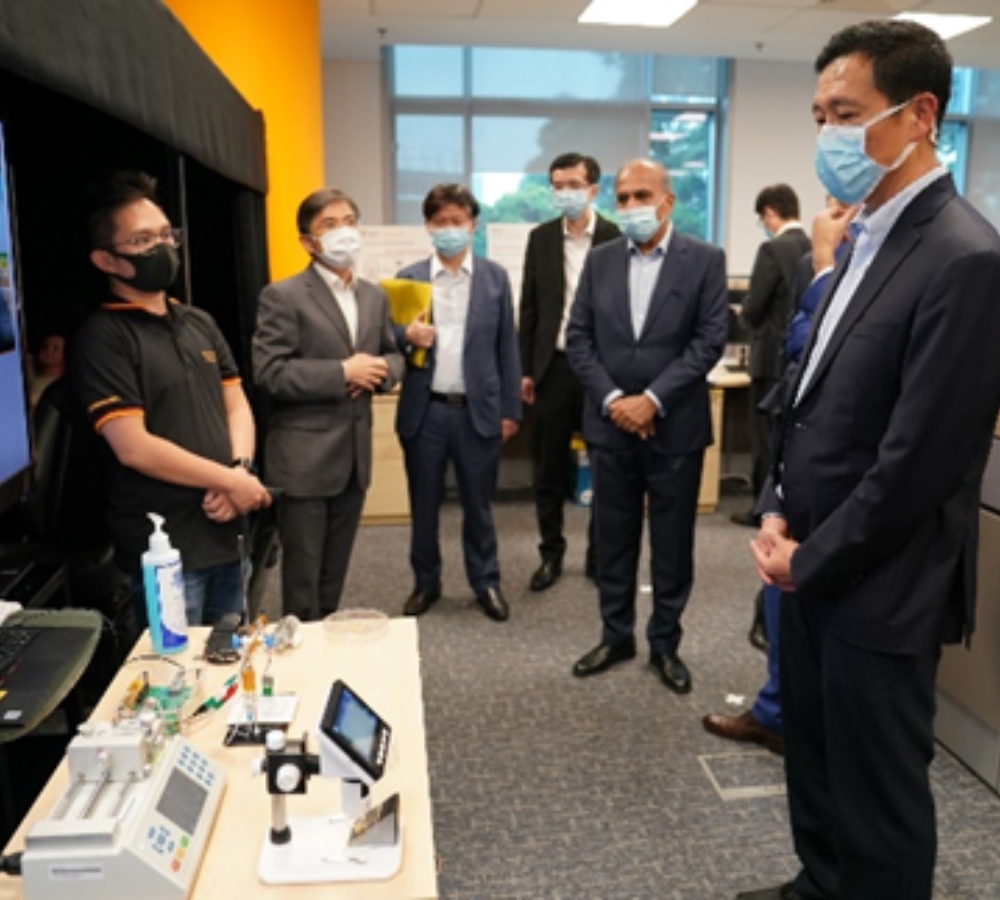
An NTUEEE and Continental S$50 million joint lab was launched to develop next-generation urban mobility solutions.

Assoc Prof (Steve) Cuong Dang and his team worked on a project turning waste into resources by converting tamarind shells into an energy source for vehicles.
2022
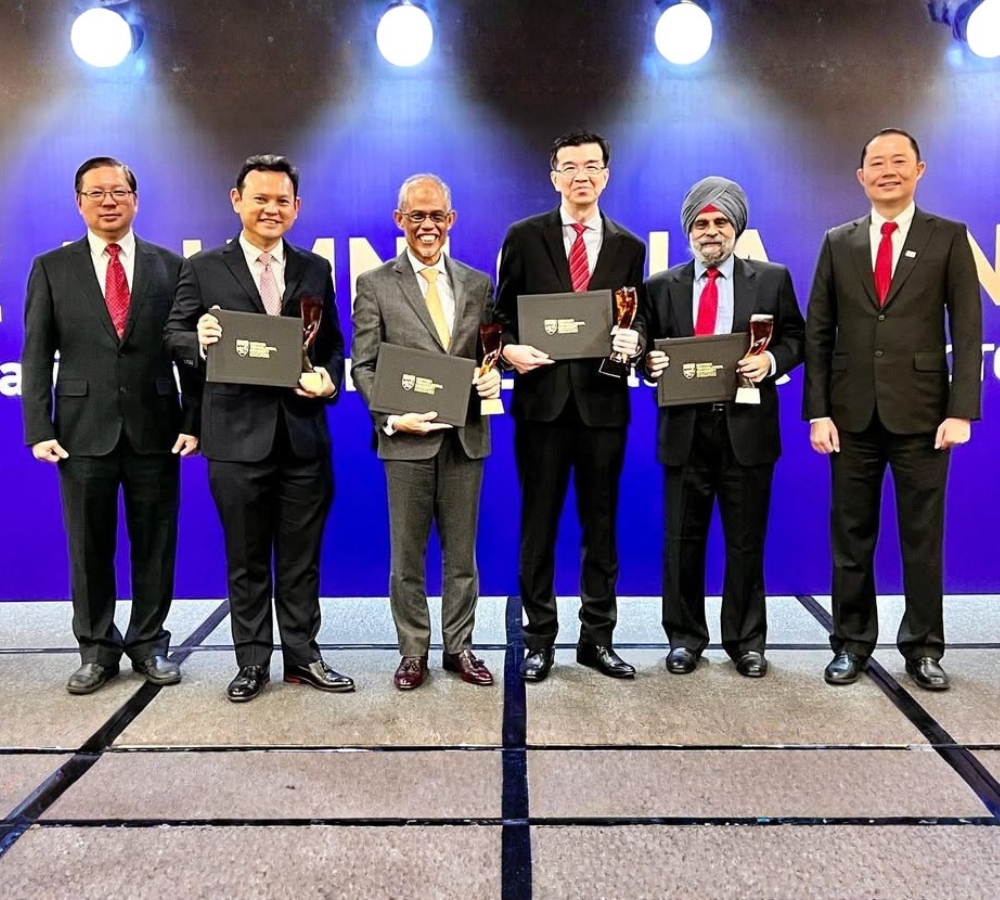
The pioneer batch Class of 1985 and some 200 EEE alumni celebrated EEE’s 40th anniversary with a gala dinner. Notable alumni Mr Masagos Zulkifli (Minister for Social and Family Development) was awarded the Outstanding Alumni Excellence Award.
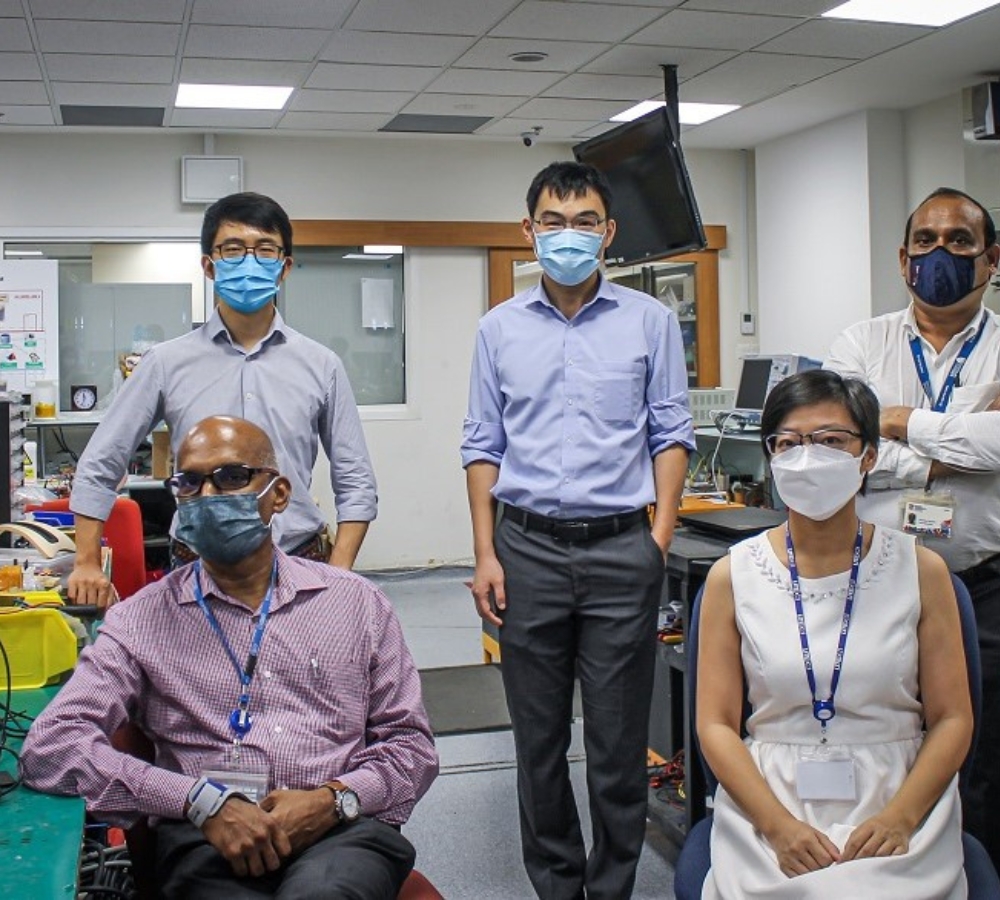
LITE-ON Singapore and NTUEEE collaborate to jointly develop advanced solutions for more efficient energy management for homes and the power grid.

EEE leads a new consortium project to seek new frontiers in space with advanced small satellite. The agreement was signed by the Satellite Research Centre, Aliena, LightHaus Photonics, ST Engineering and NUS Temasek Laboratories.
2023
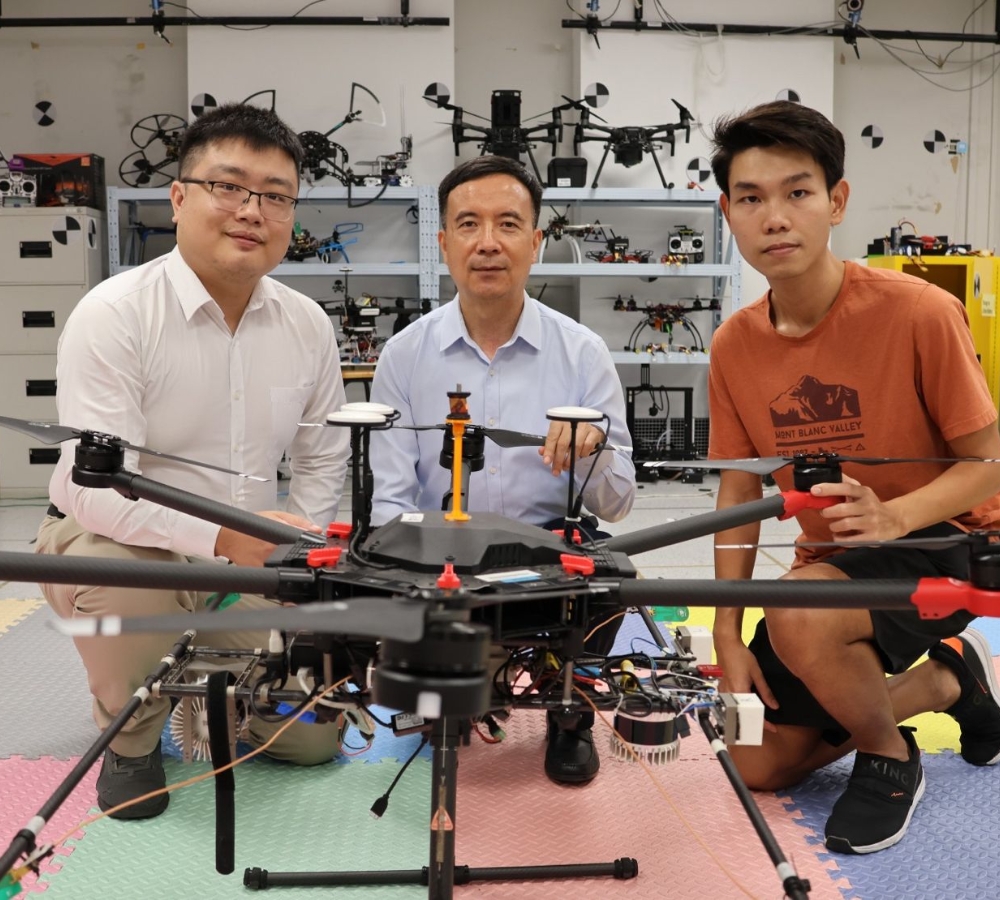
Prof Xie Lihua and his team developed a customisable drone platform with a multimodal sensor function that can efficiently carry out inspections for different structures such as façade of buildings, bridges, ships, tunnels, cranes in container seaports and power transmission towers.

Fourth-year student Xu Yingchu won the $10,000 Optica Foundation Optica Women Scholarship Award given to only 38 recipients globally.
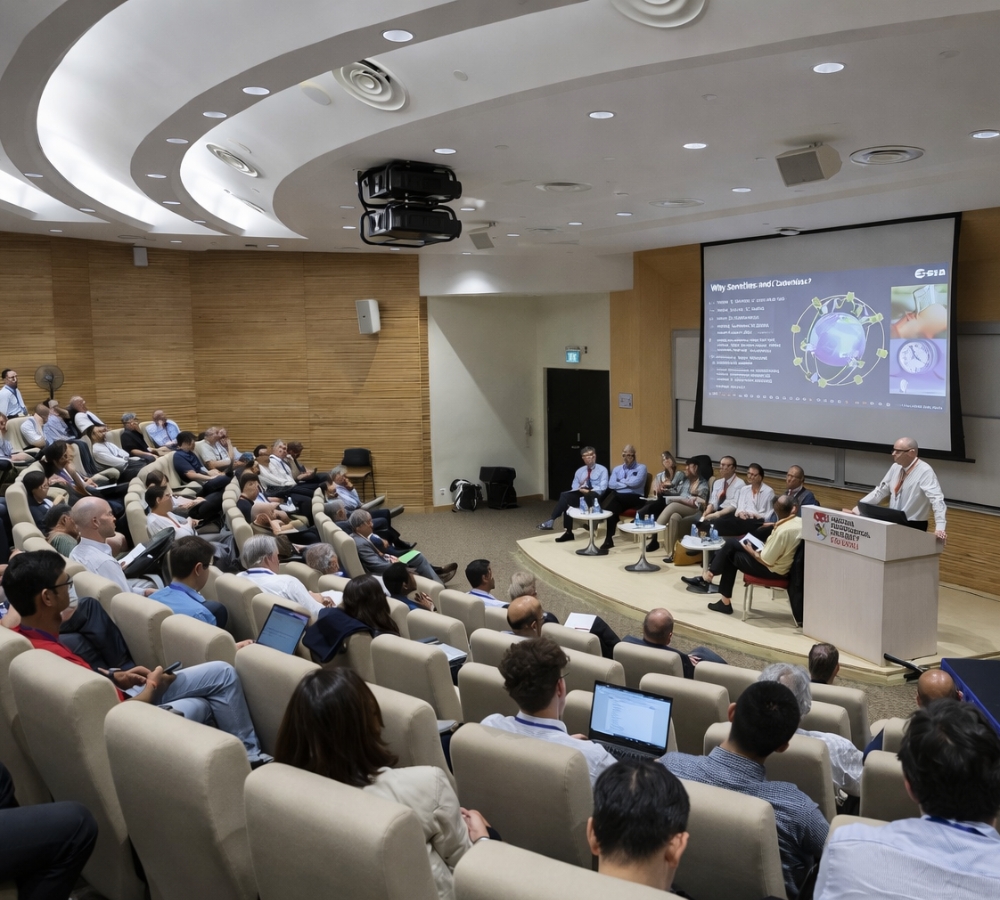
EEE's Satellite Research Centre hosted the 5th Committee on Space Research (COSPAR) symposium. The meeting saw Singapore becoming the 15th Asian country and 46th country worldwide to join COSPAR as a member.
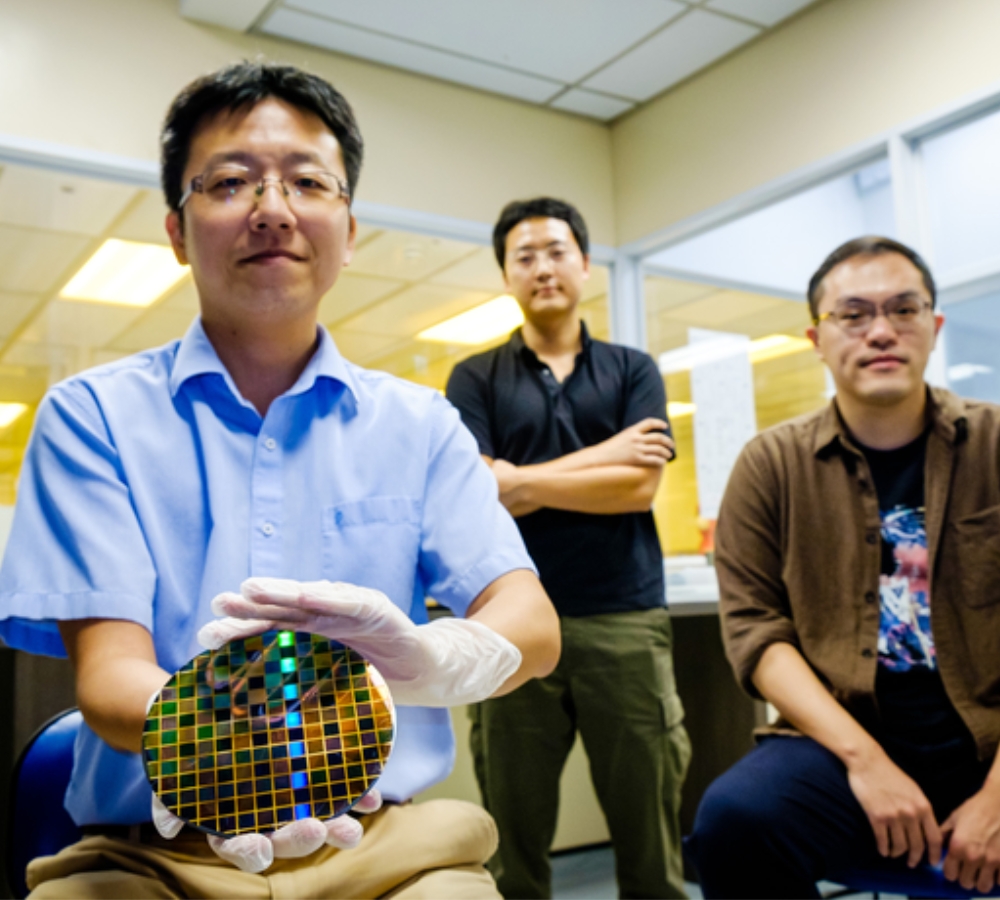
Researchers co-led by Asst Prof Kim Munho developed a method that fabricates nanostructures efficiently and uniformly without the use of harsh chemicals.

A Memorandum of Agreement was signed with Wuhan University, China, for joint education collaboration in Electrical and Electronic Engineering.
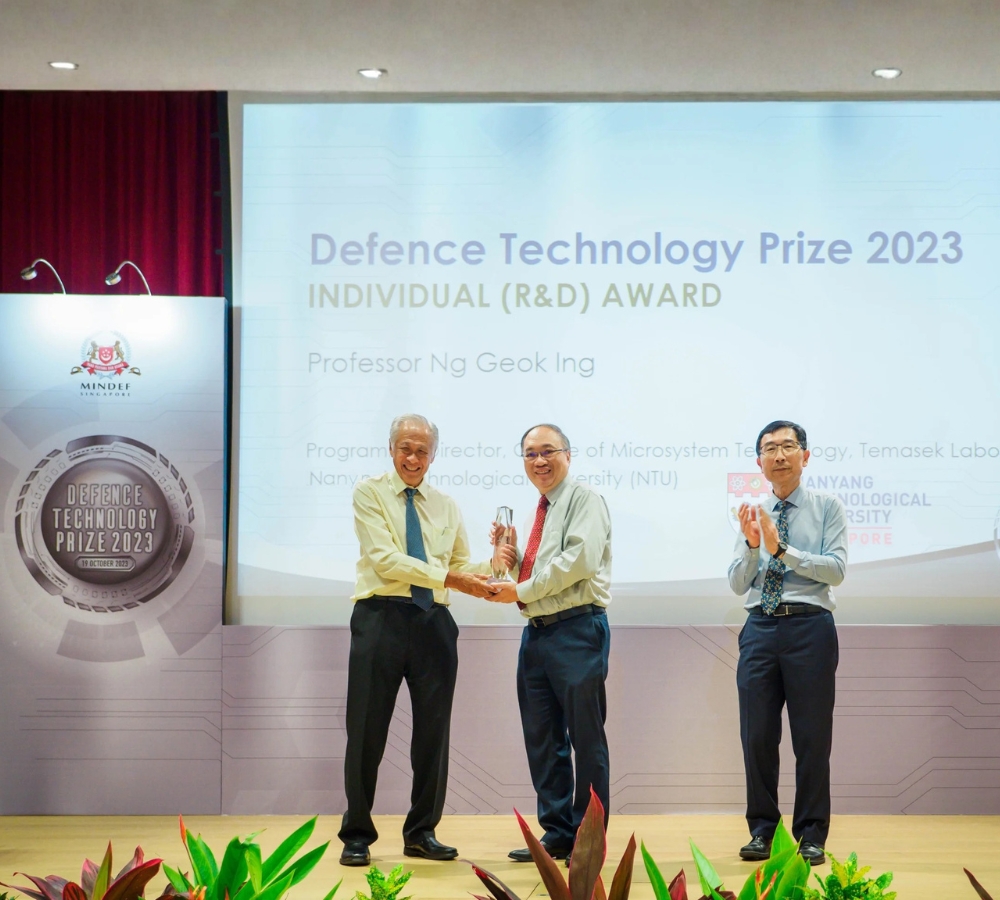
Professor Ng Geok Ing is awarded the Defence Technology Prize 2023 Individual Award for R&D.
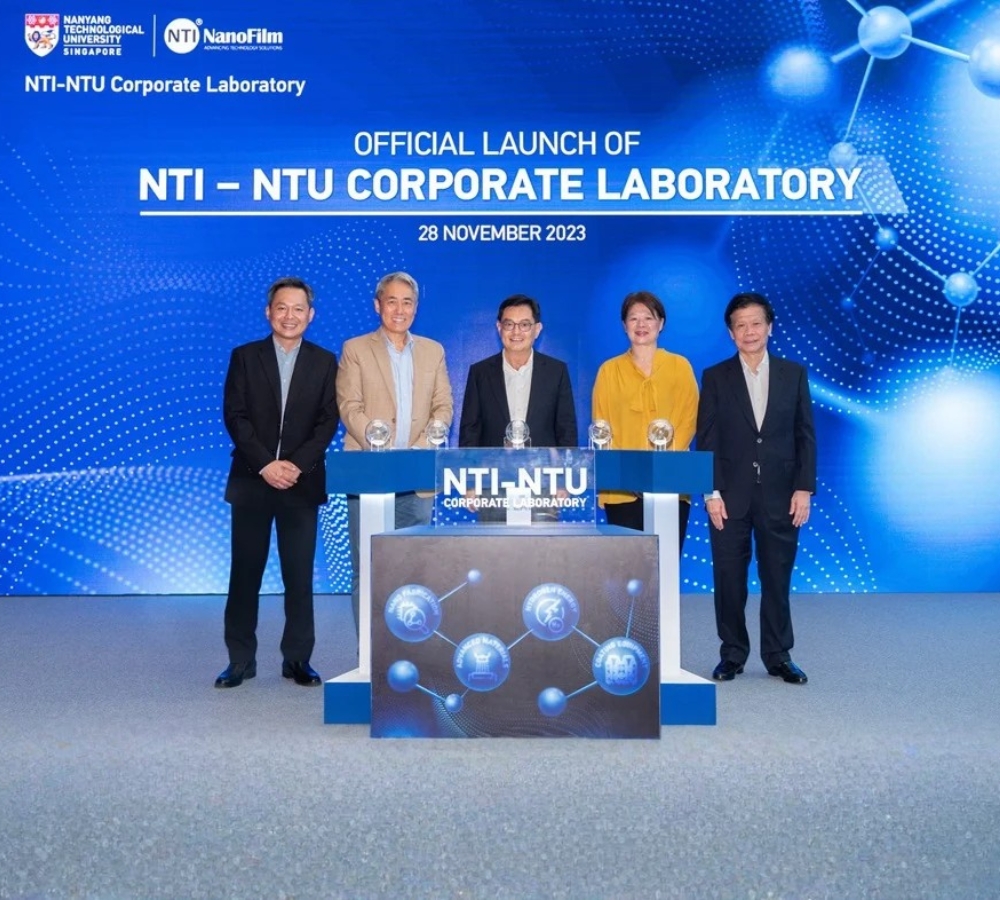
Nanofilm Technologies International Limited launched its NTU Corporate Laboratory. Executive chairman, Dr. Shi Xu found the company which was spun off the research conducted on the NTU Smart Campus.
2024
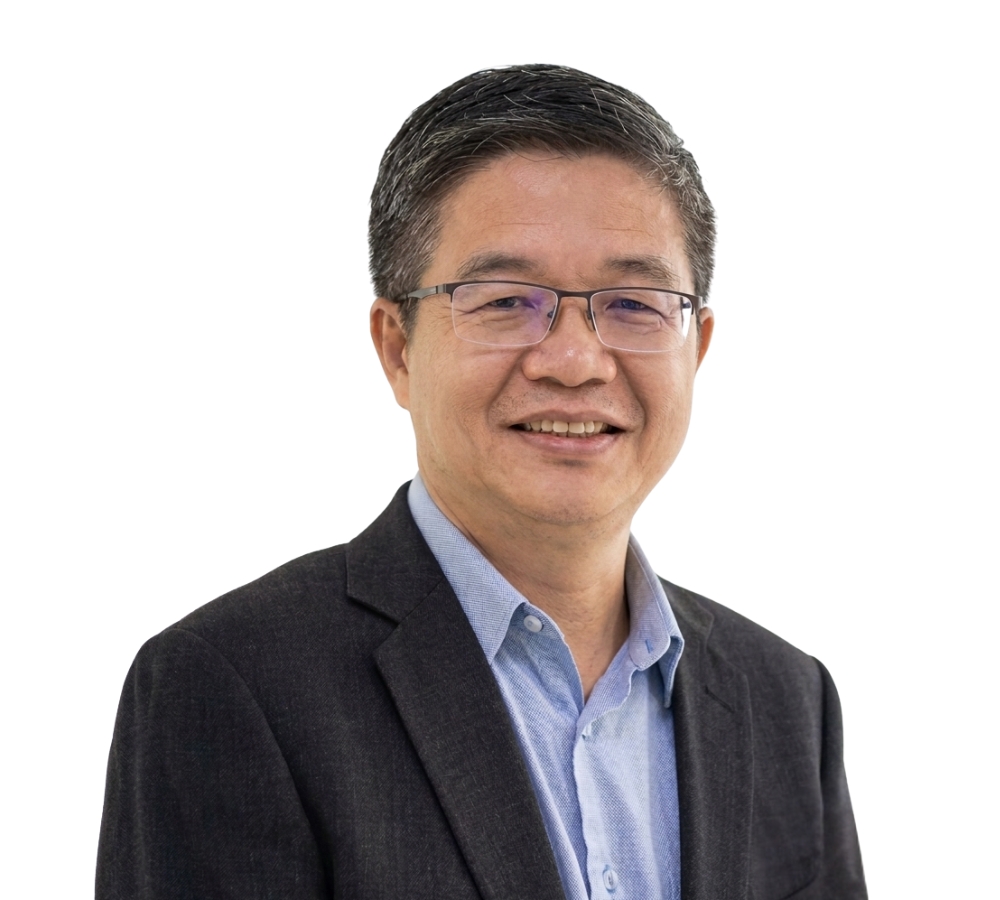
Prof Tan Chuan Seng was appointed as EEE Acting Chair, the seventh Head of the School.
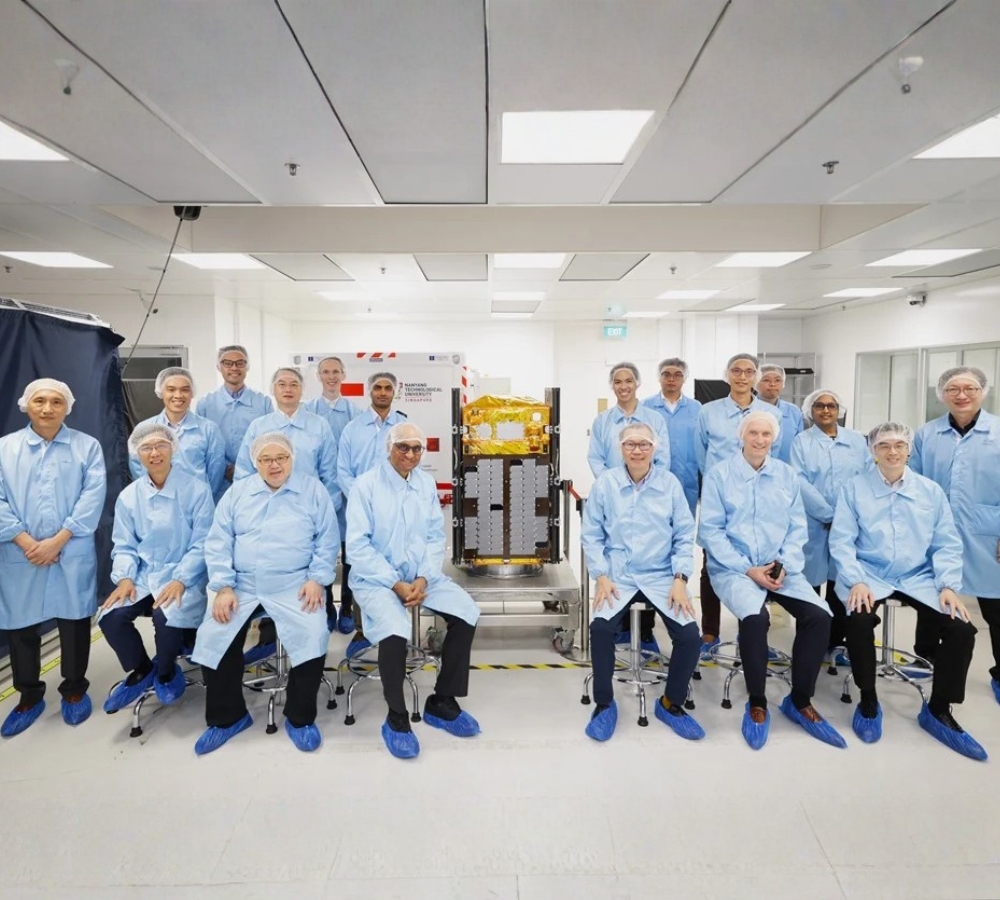
Singapore’s ninth President, Tharman Shanmugaratnam, visited the Satellite Research Centr. SaRC announced that NTU’s 14th and most advanced satellite, ELITE, will launch in 2025.
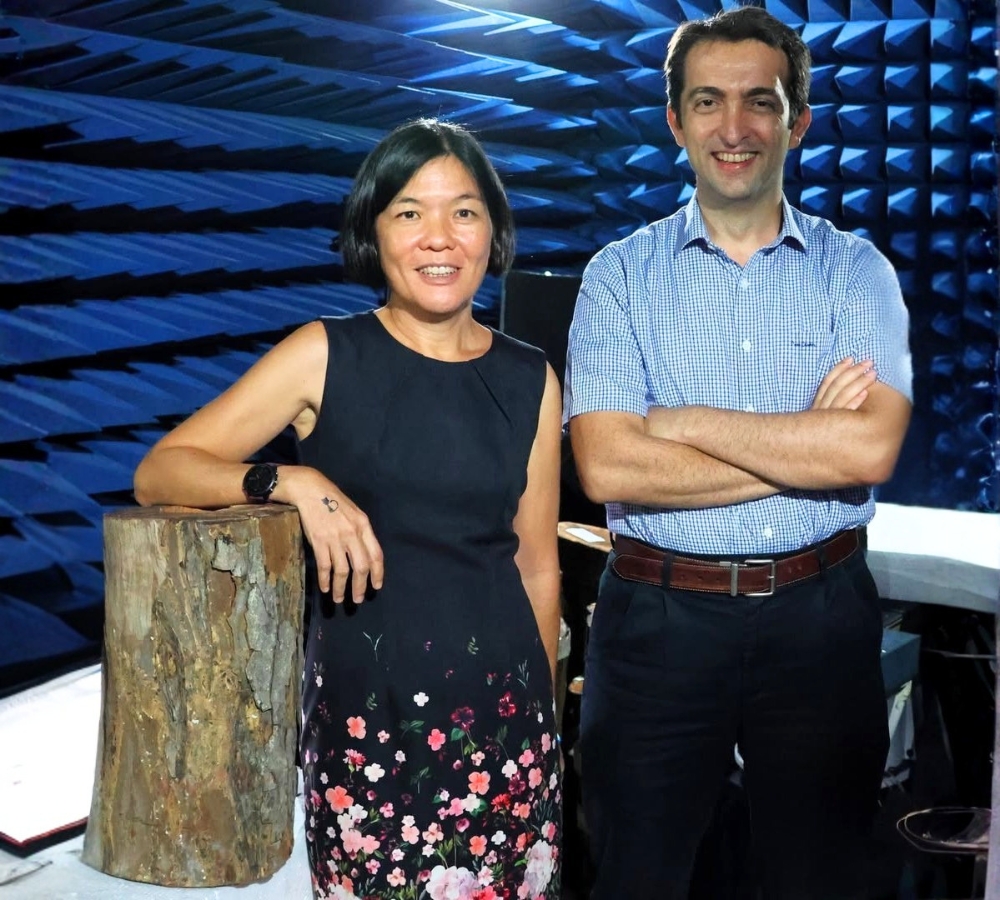
Prof Lee Yee Hui and Asst Prof Abdulkadir C. Yucel developed radar signals to scan the interior of tree trunks, process the images through an artificial algorithm and determine if the tree is at risk of falling in just a few minutes.
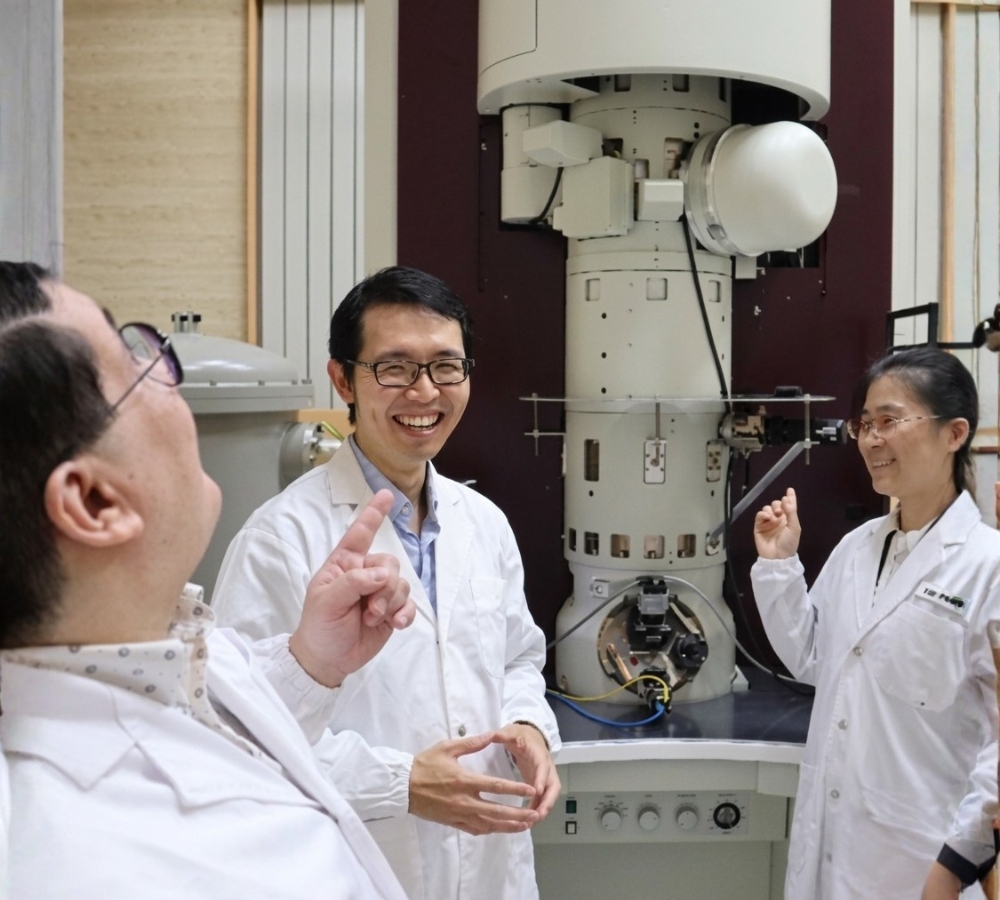
Asst Prof Wong Liang Jie was named one of 10 winners in the Physical Sciences category of the Falling Walls Global Call 2024.
Falling Walls acknowledged Asst Prof Wong's work on “Breaking the Wall of Quantum X-ray Tech”, is set to revolutionise fields such as medical diagnostics, industrial inspection and security scanning.
2025
Prof Gao Weibo serves as EEE Chair, the eighth Head of the School.
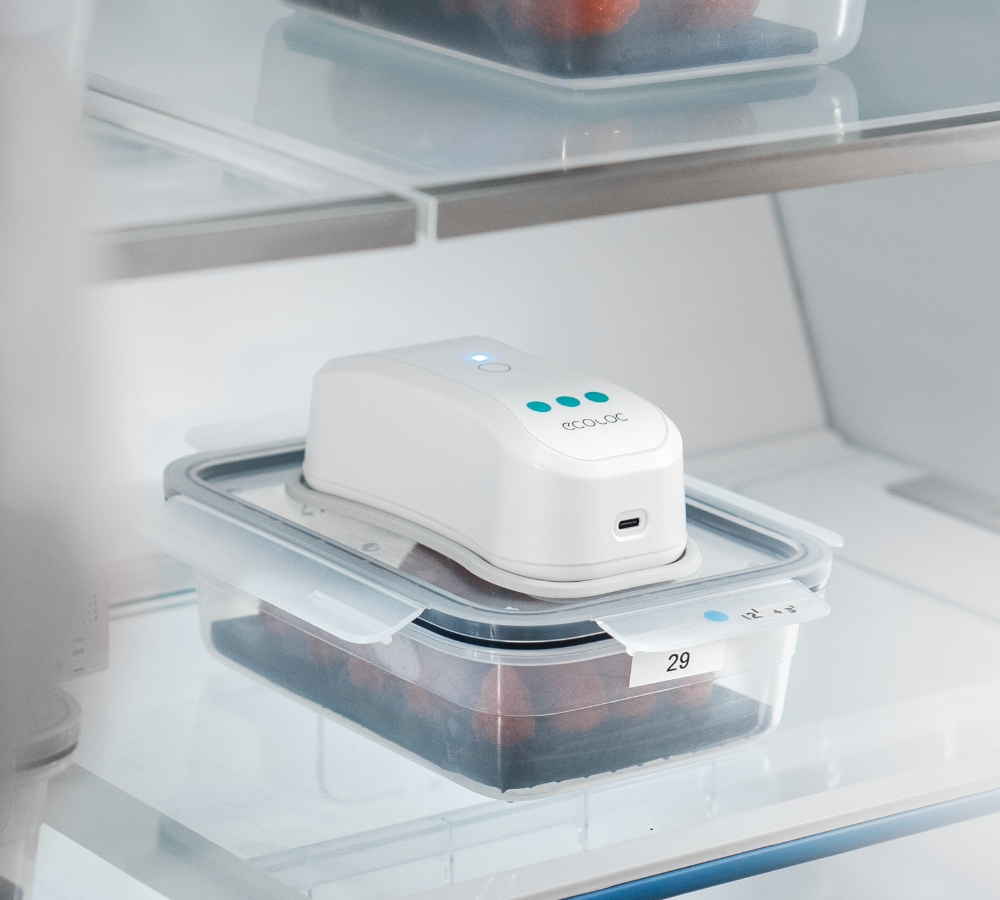
NTU EEE research centre LUMINOUS!, in collaboration with Swedish technology company PureFize Technologies, has developed a compact chip that utilises ultraviolet (UV) light for disinfection.
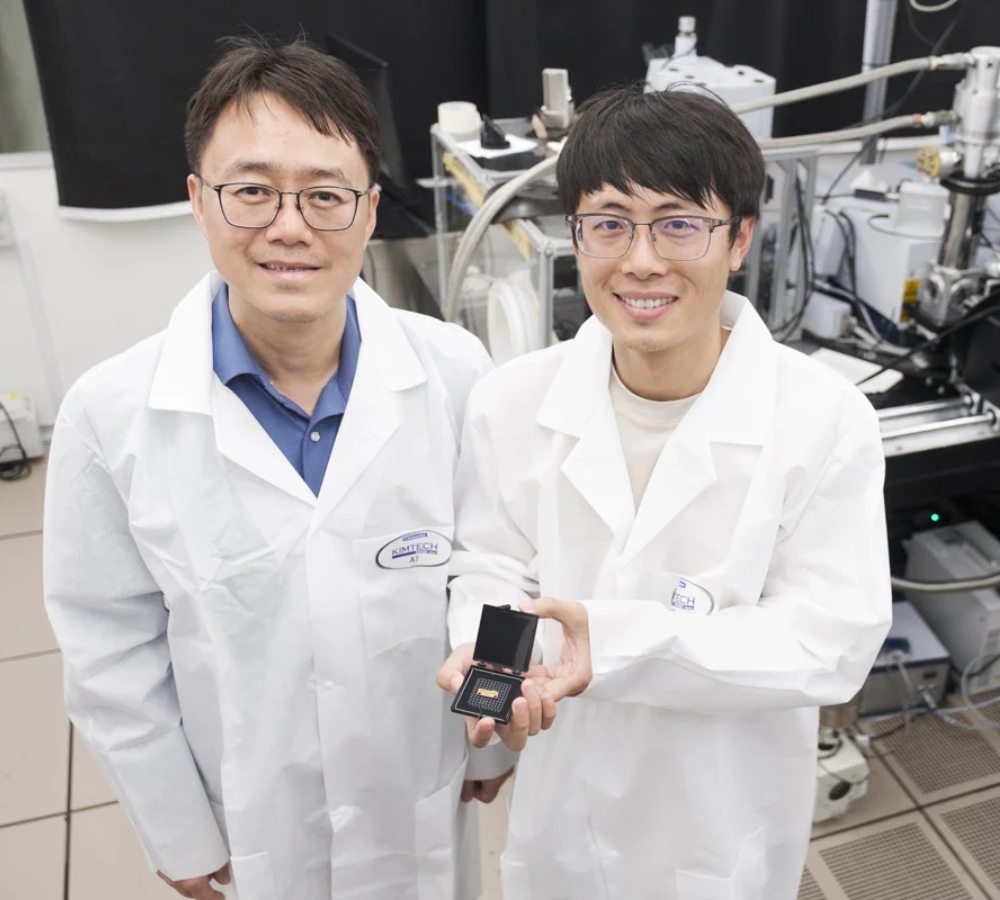
Prof Wang Qijie and his team have developed a novel, energy-efficient ultra-compact laser. The device, smaller than a grain of sand, features an advanced design that significantly reduces light leakage.
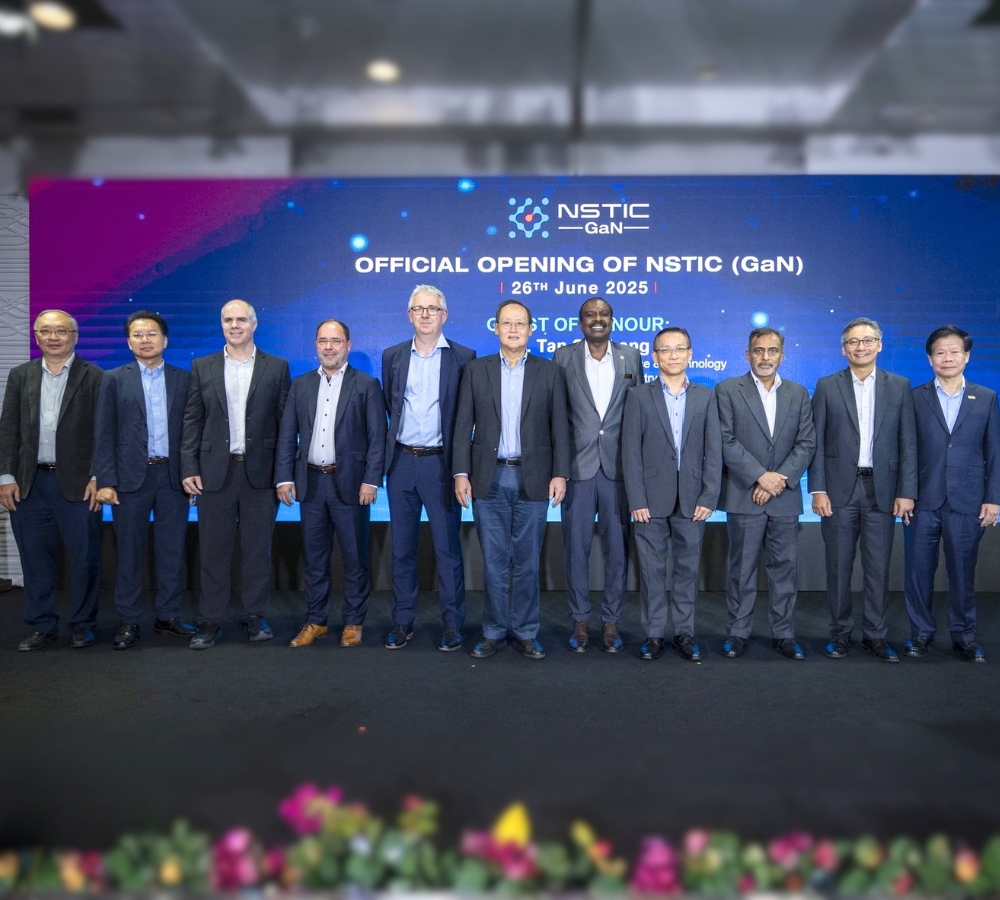
NTU EEE marked the launch of NSTIC GaN, Singapore’s first national innovation centre for Gallium Nitride semiconductors, led by Professor Ng Geok Ing and supported by A*STAR and DSO National Laboratories, representing a major step forward in next-generation semiconductor innovation.
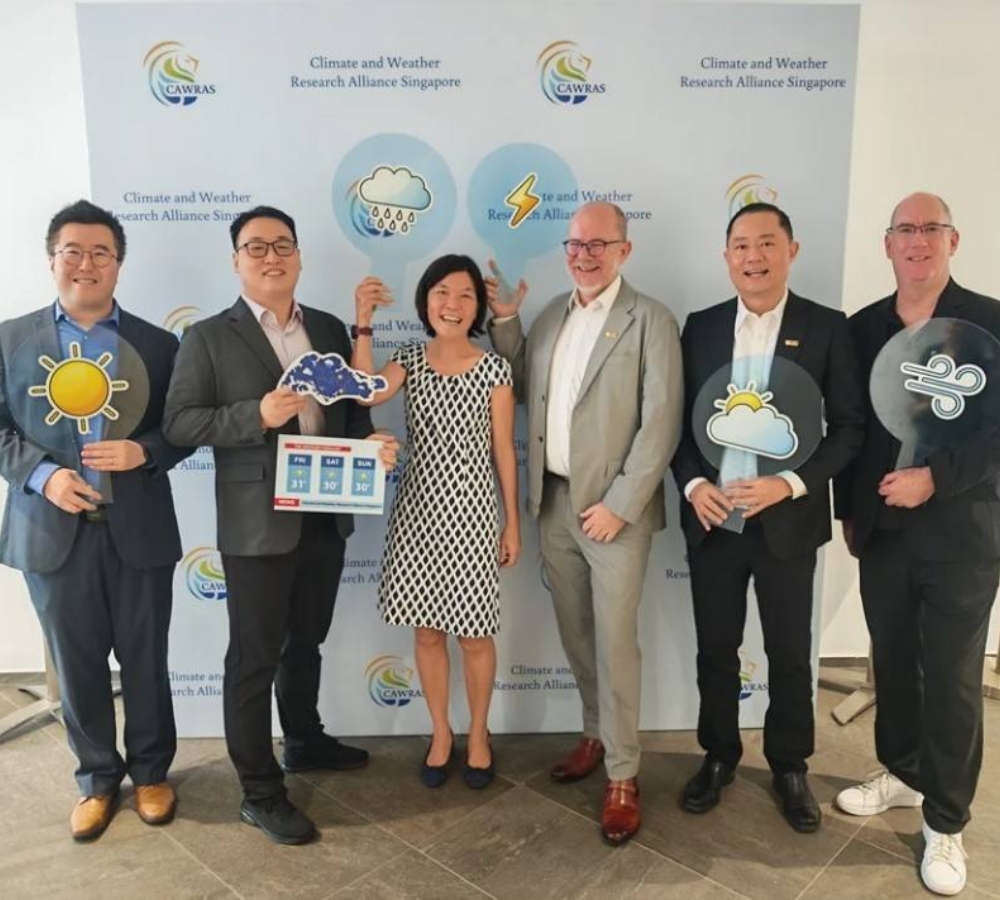
NTU EEE is partnering with the Climate and Weather Research Alliance Singapore (CAWRAS) to enhance Singapore’s weather forecasting capabilities and strengthen climate understanding.

Prof Ng Geok Ing was awarded the prestigious President’s Technology Award 2025 in recognition of his pioneering contributions to Gallium Nitride (GaN) semiconductor technology.
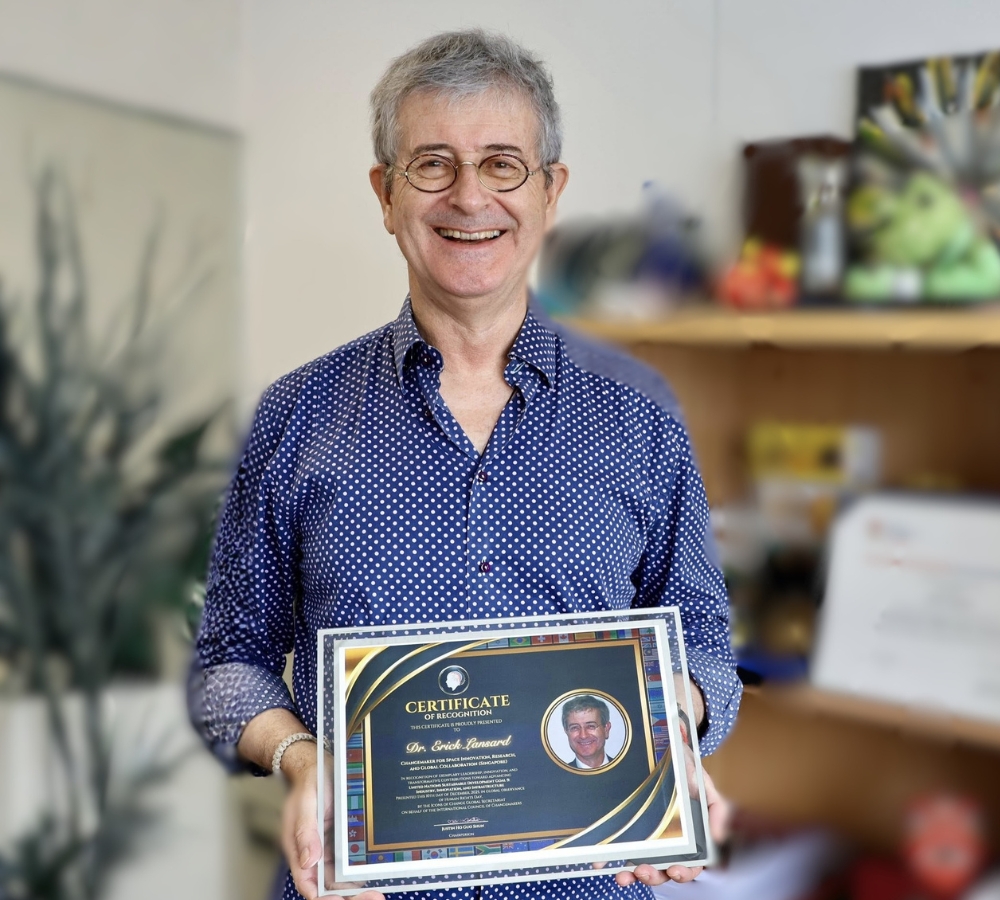
Prof Erick Lansard was named an Icons of Change International Awardee 2025 in Singapore and selected as an Ambassador for Sustainable Development Goal 9.