A History of Engineering Excellence. From Nation-Building to Global Leadership (1981–2026)
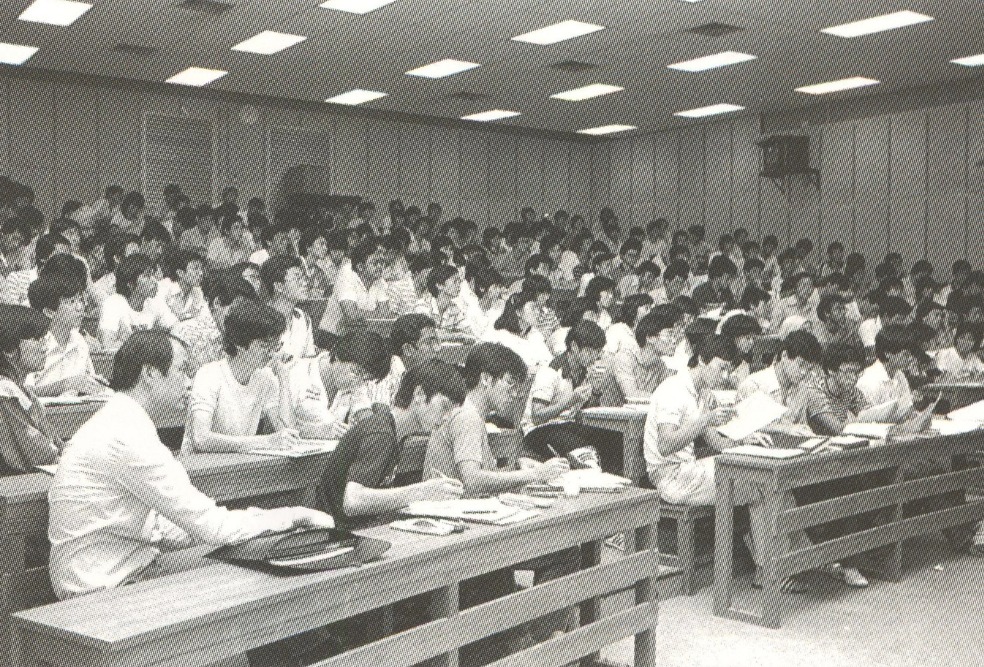
The year 1981 marked a defining moment in Singapore’s development with the establishment of the Nanyang Technological Institute (NTI) and alongside it, the School of Electrical and Electronic Engineering (EEE).
EEE was one of NTI’s three founding Schools and was structured around five core field groups:
Together, these five disciplines reflected the technological priorities of a rapidly industrialising Singapore and laid the foundation for a rigorous, industry-relevant engineering education.
At its inception, Professor Brian Lee was appointed the first Dean of NTI EEE, establishing the School’s academic direction, laboratory culture and strong emphasis on practical engineering.
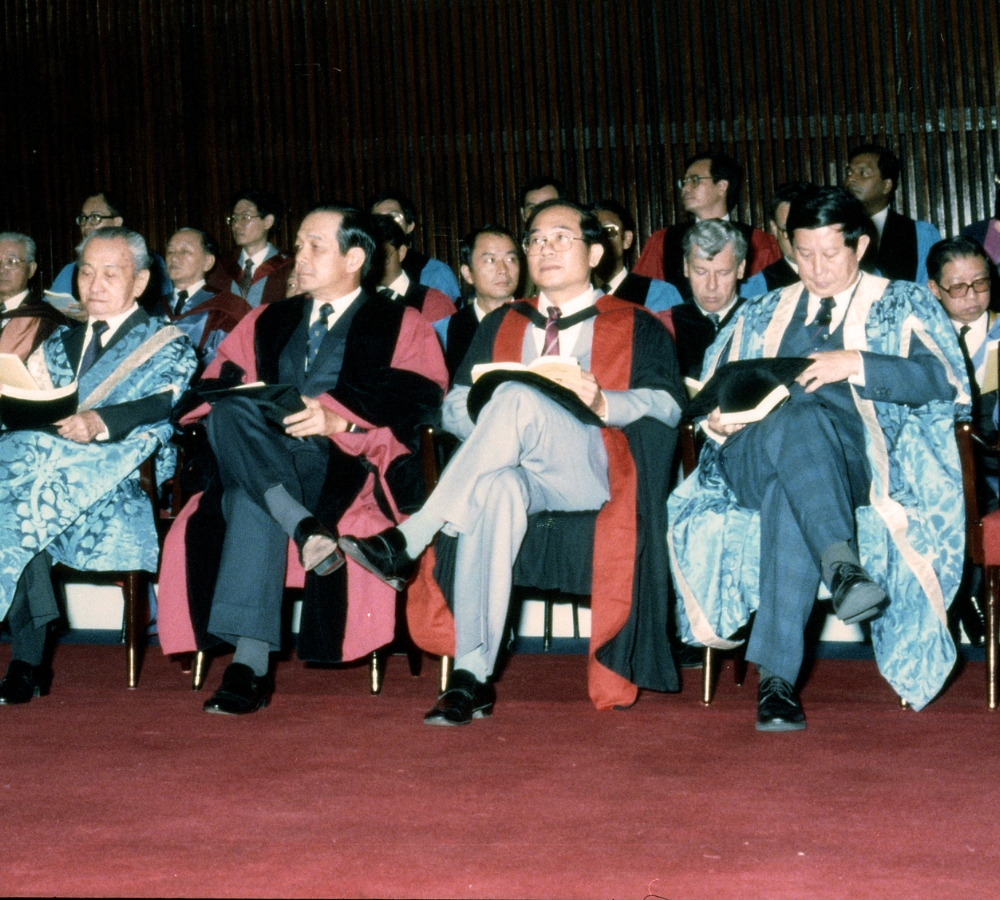
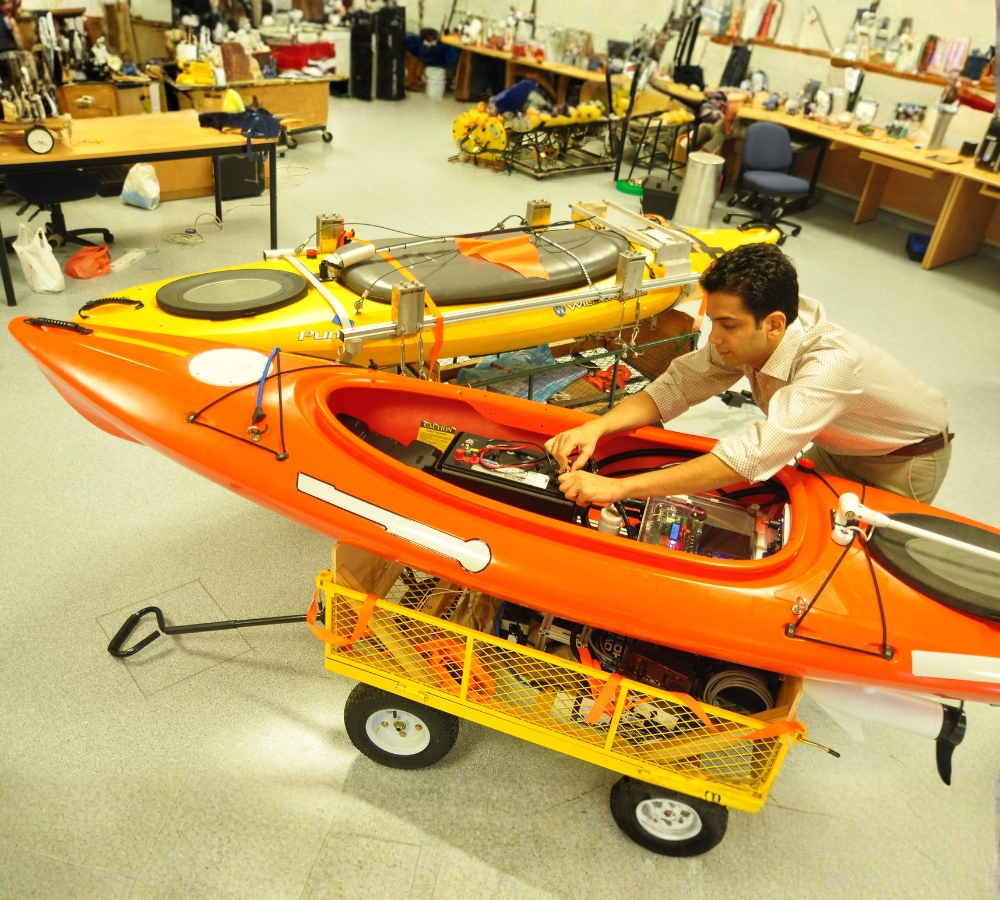
In 1991, NTI was reconstituted as Nanyang Technological University (NTU), marking a new phase of growth.
1995: A Year of Expansion
Two major developments defined this year:
Launch of the International Student Exchange Programme (INSTEP), with the first five EEE students travelling to Australia, Canada and the United States
Reorganisation from four to six academic divisions:
This expansion reflected the increasing complexity and breadth of the discipline.
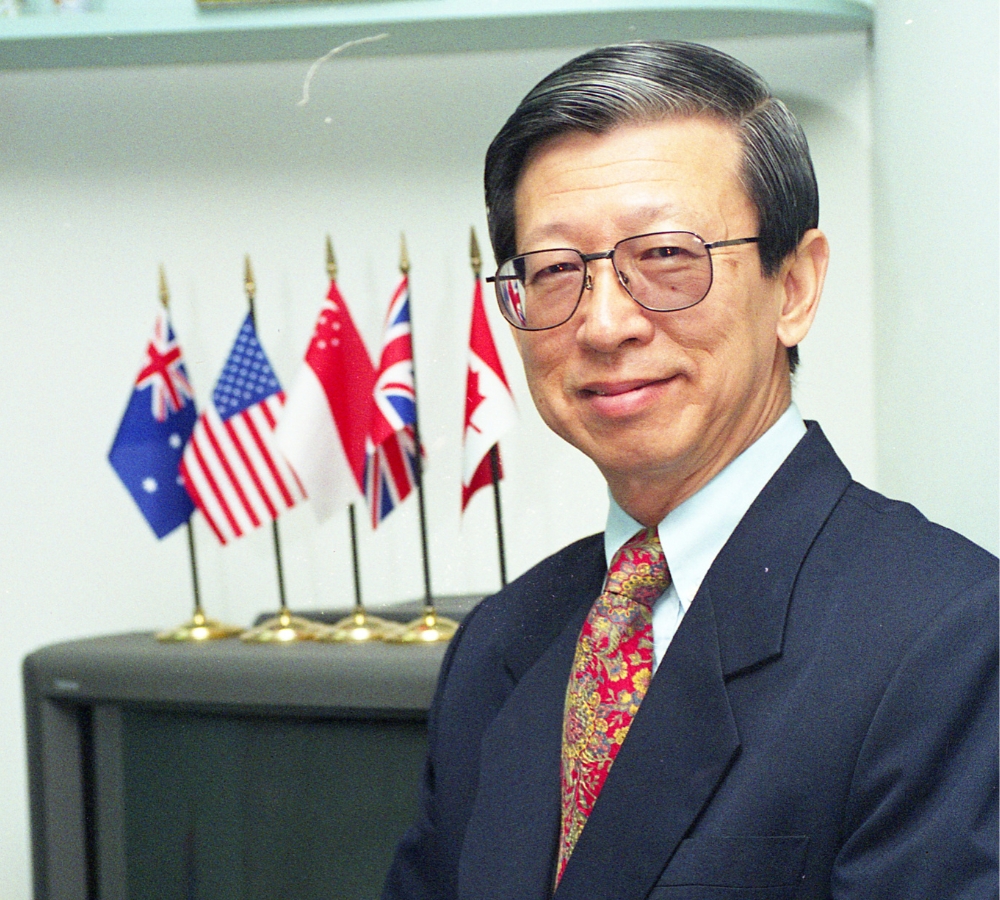
Professor Brian Lee Chang Leng
Founding Dean (1981-1995)
Established the academic and structural foundations of NTI EEE.
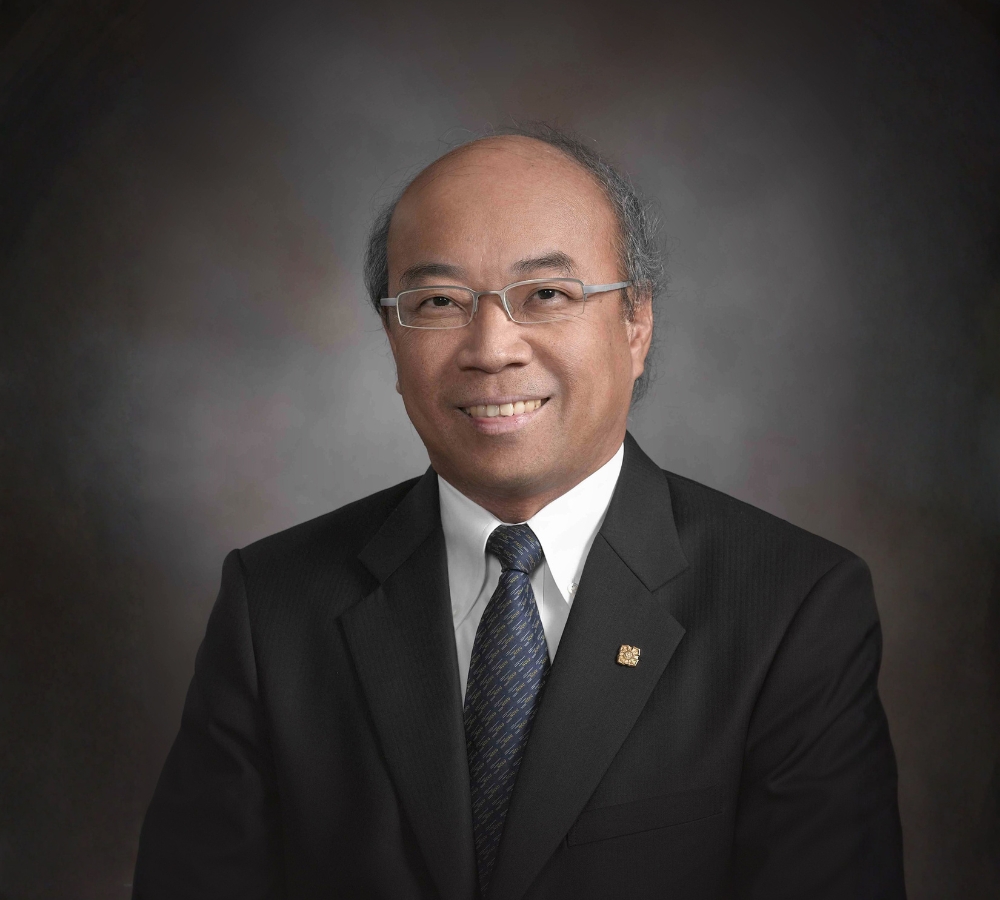
Professor Er Meng Hwa
Second Dean (1996-2004)
Led the School’s expansion in research and internationalisation.
He continues to serve as an emeritus faculty member at EEE.
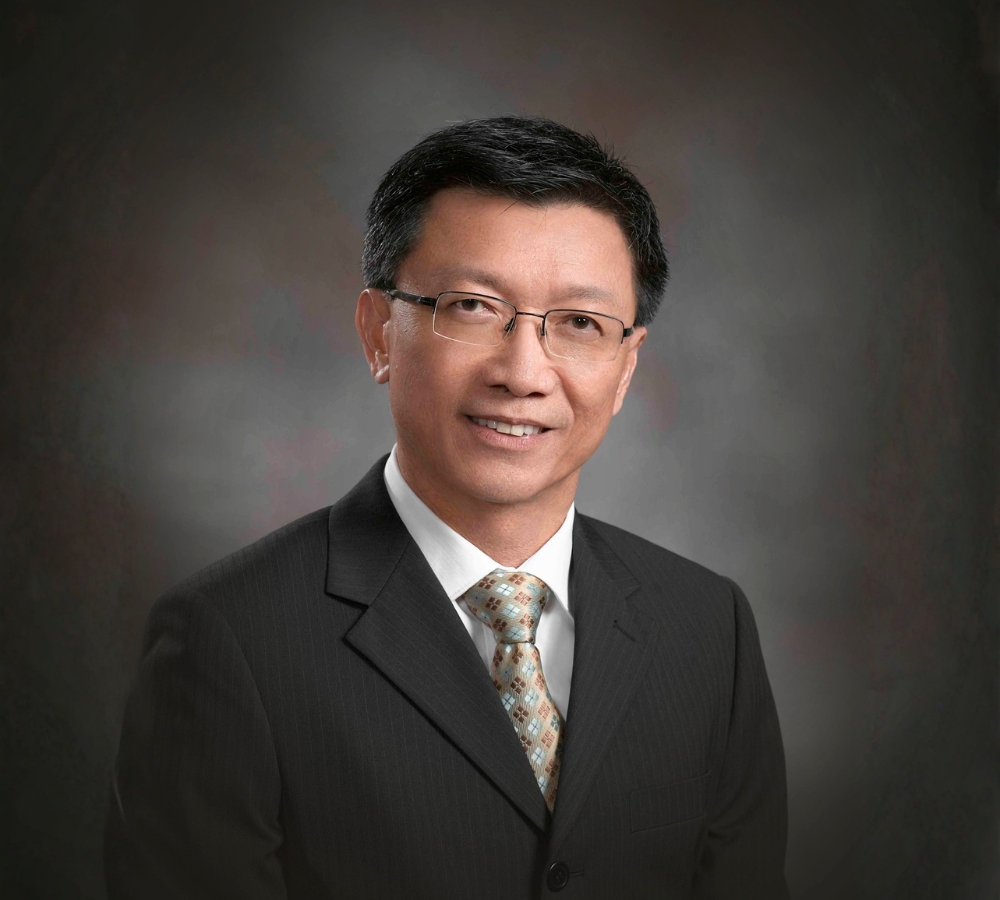
Professor Kam Chan Hin
Third Dean (2005-2010)
Strengthened research capabilities and academic programmes during a period of globalisation.
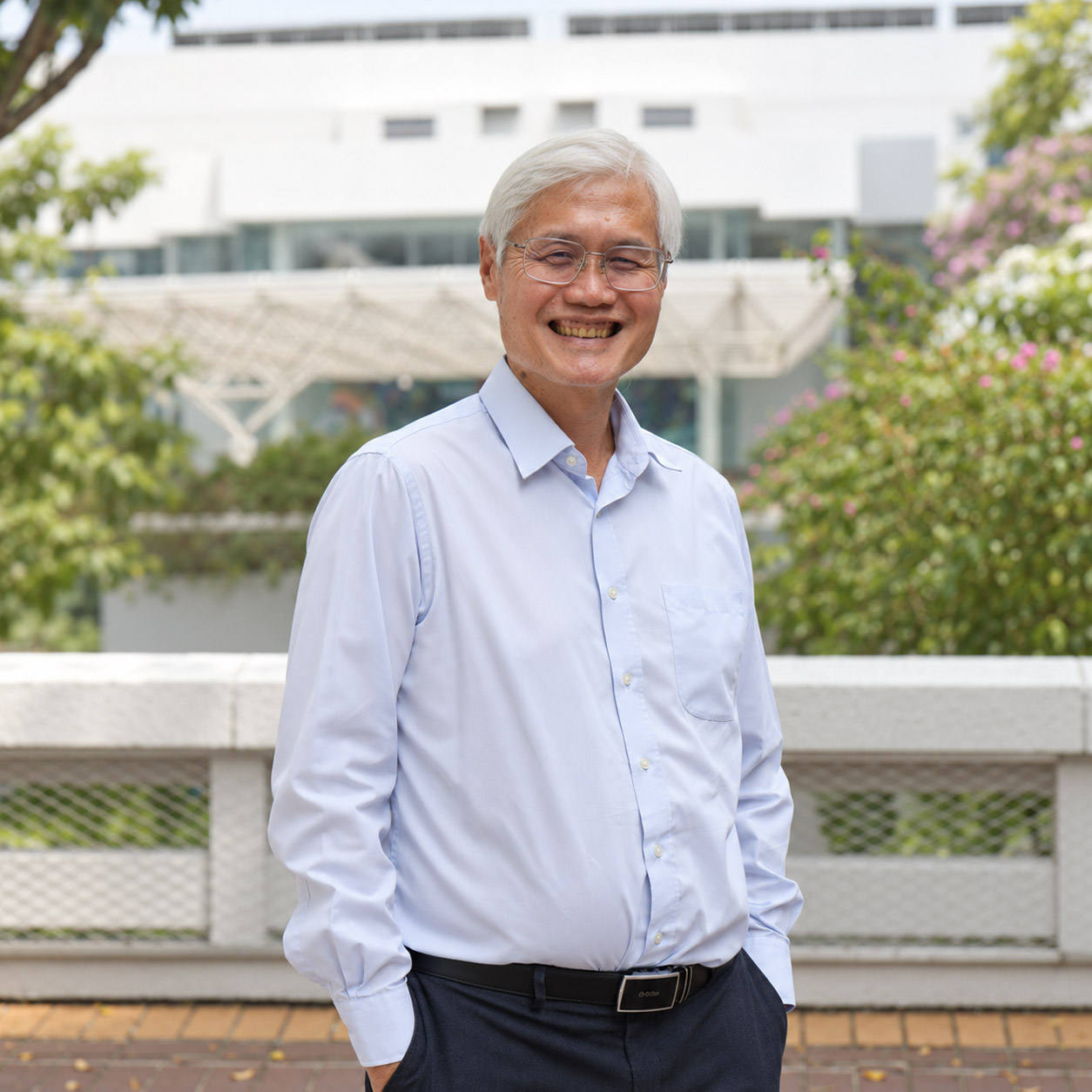
Professor Cheng Tee Hiang
Acting Chair (2011-2012), Fourth Head of EEE
Marking a transition into a more research-intensive and globally connected era for the School.
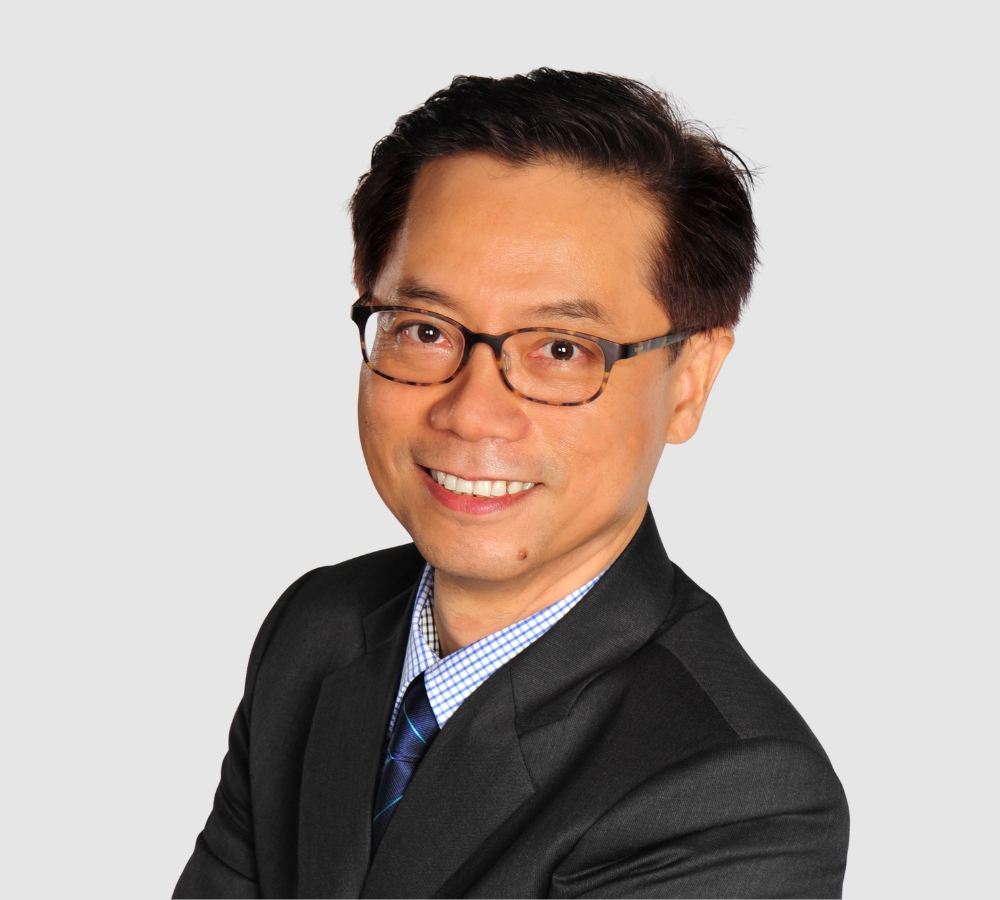
Professor Yoon Soon Fatt
Chair (2013-2018), Fifth Head of EEE
Joined NTU in 1989 and was appointed Chair in 2013.
His leadership strengthened the School’s position in emerging engineering domains and industry engagement.
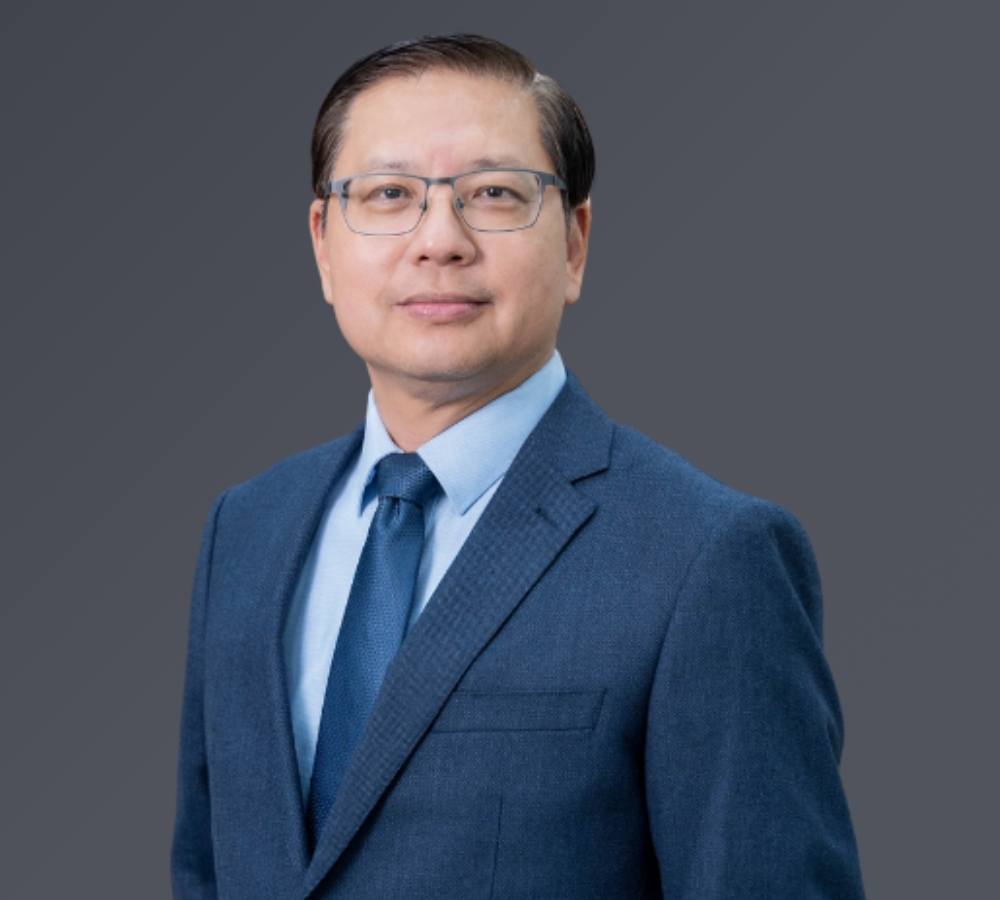
Professor Tan Yap Peng
Chair (2019-2023), Sixth Head of EEE
Appointed Chair in 2019, further advancing interdisciplinary research and innovation.
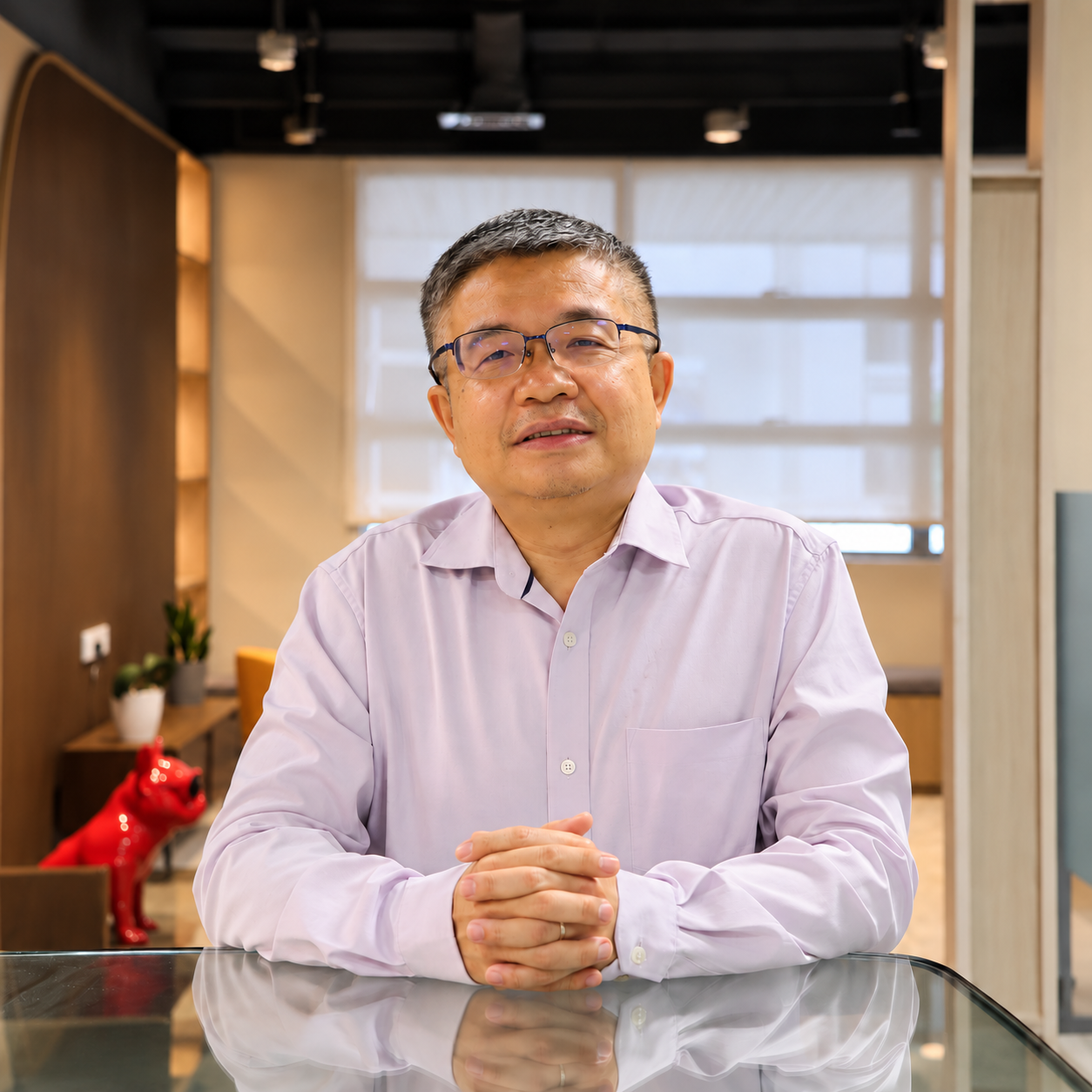
Professor Tan Chuan Seng
Acting Chair (1 March 2024), Seventh Head of EEE
Provided leadership continuity and strategic direction during a key transition period.
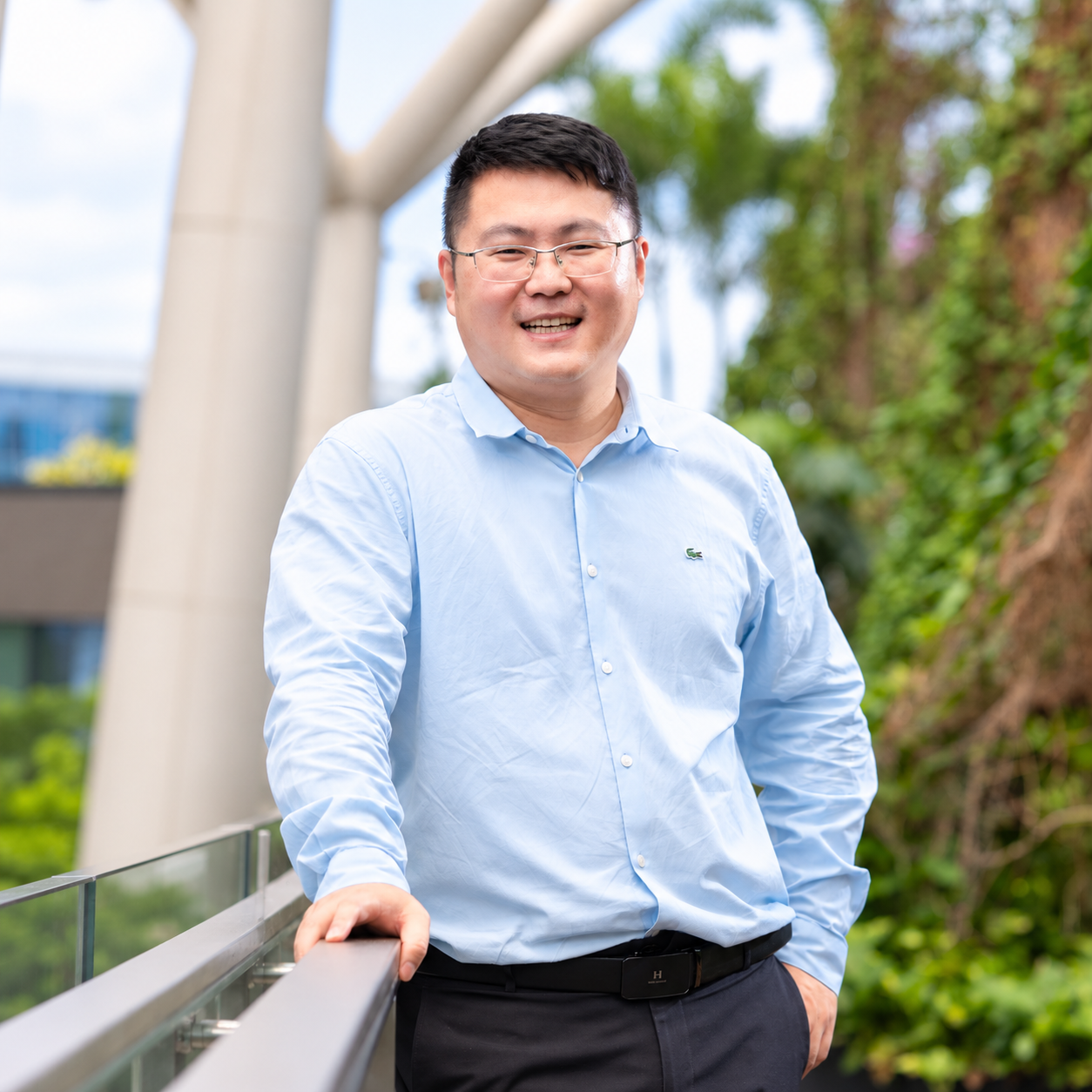
Professor Gao Weibo
Chair (1 March 2025 – Present), Eighth Head of EEE
Currently leads NTU EEE in advancing frontier research areas including artificial intelligence, semiconductors and next-generation technologies.

Over four decades, NTU EEE has evolved into one of the world’s largest engineering schools.
Its research today spans:
The School continues to play a central role in Singapore’s ambitions in digitalisation, sustainability and advanced manufacturing.