
Students’ Take: Project ISIP: A Decade of Partnership in Bacolod City, Philippines
By Elly Chua, ISIP Project second-in-charge
Founded in 2017, Team ISIP is an Overseas Community Involvement Project (OCIP) dedicated to improving access to healthcare in underserved communities in the Philippines. Through medical missions, health education, and community engagement over the past decade, the project seeks to identify chronic diseases and urgent medical conditions among residents with limited access to care, while empowering communities with greater health awareness and self-sufficiency.
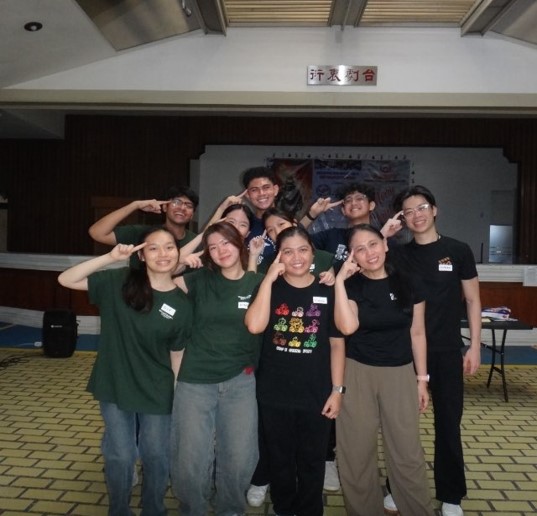
Eight LKCMedicine students and two faculty mentors travelled to Bacolod for Team ISIP’s 2026 outreach, strengthening partnerships and exploring new collaborations to sustain future community healthcare efforts.
From 4 to 10 June 2026, eight LKCMedicine students (four Year 1 and four Year 2), accompanied by two faculty mentors, travelled to Bacolod City, Philippines for Team ISIP’s annual outreach trip. As 2026 marked the final year of the project’s long-standing partnership with the University of St. La Salle (USLS) College of Nursing, the team also explored opportunities to establish new collaborations with local organisations to support the project’s continued sustainability and growth.
A key highlight of the trip was a medical mission at Barangay Pahanocoy, where the team worked alongside volunteer doctors, clinical instructors, and nursing students from USLS to serve over 100 residents. Students elicited patient histories, conducted blood glucose testing, and presented cases to attending doctors. Building on insights from previous years, the team introduced a dedicated history-taking station prior to consultations, which improved patient flow and reduced waiting times.
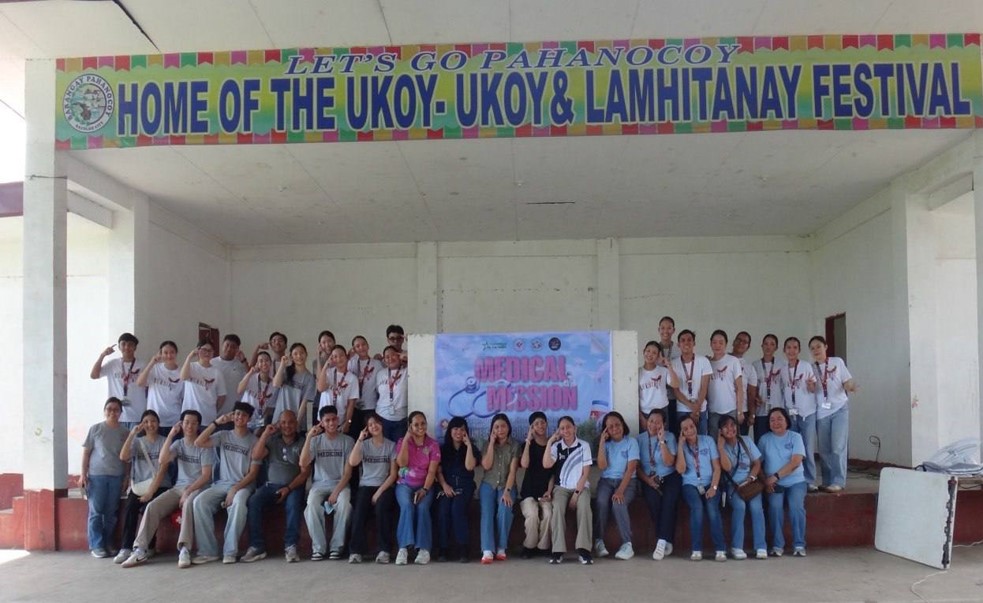
Medical Mission with the University of St. La Salle (USLS) College of Nursing at Barangay Pahanocoy.
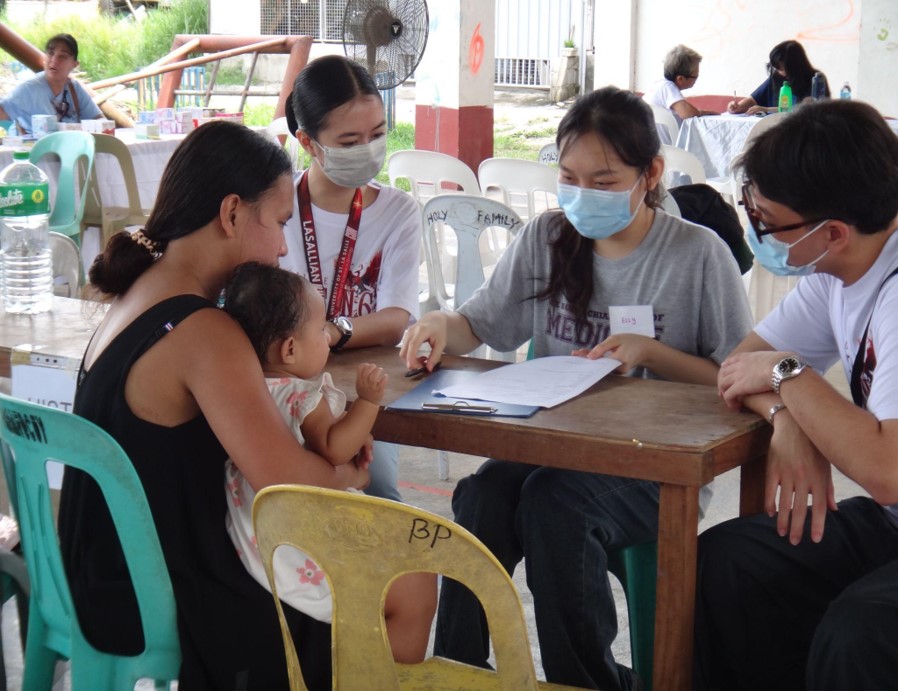
At Barangay Pahanocoy, the team served over 100 residents alongside local partners, introducing a streamlined history-taking process to improve patient flow and reduce waiting times.
The team also participated in a second medical mission organised by Serviamus in Barangay Miranda, Pontevedra, serving more than 190 residents. Students were involved in triaging, blood typing, manual blood pressure measurement, and anthropometric assessments, while also observing doctor consultations and performing basic physical examinations. This experience offered valuable insight into healthcare delivery in resource-limited settings and underscored the dedication of healthcare professionals serving rural communities.
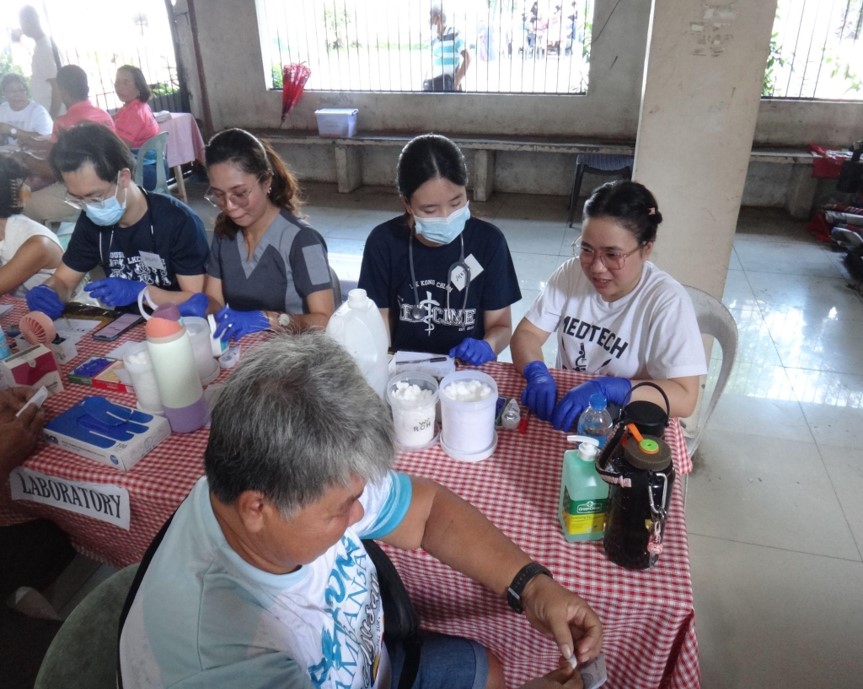
Blood glucose measurement and blood group typing station at Barangay Miranda.
Beyond clinical services, Team ISIP remained committed to health education and community engagement. At the Amity Volunteer Fire Brigade, students organised interactive health and cultural learning stations for children, covering topics such as hygiene, nutrition, and basic anatomy. Through games, activities, and Singaporean snacks, the children were introduced to aspects of Singaporean culture while learning practical health concepts. The team also conducted a knowledge-sharing session with Amity volunteers, demonstrating technology-enhanced CPR training mannequins and sharing cardiovascular examination techniques. A tour of the fire station and ambulance facilities further deepened the team’s understanding of local emergency response systems.
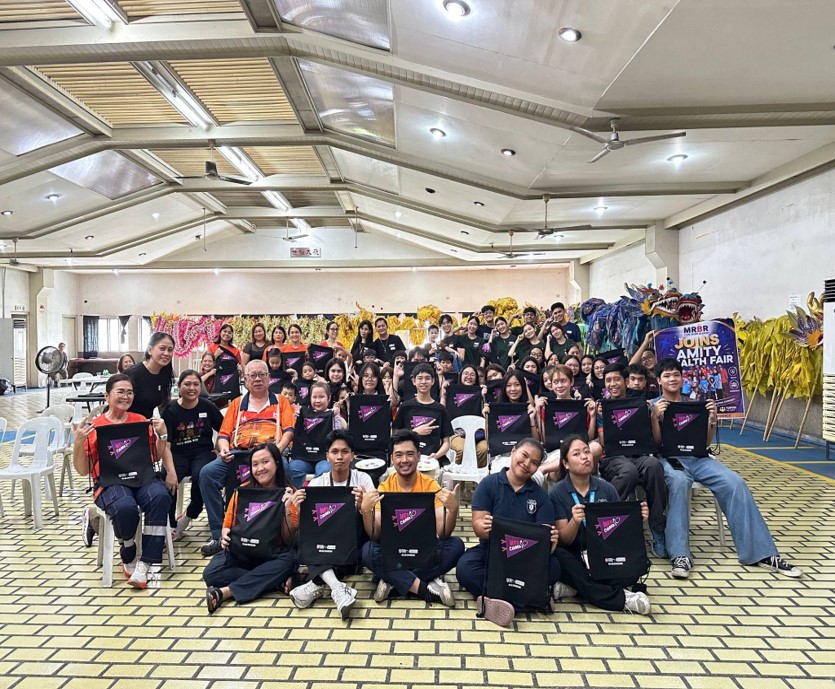
At the Amity Volunteer Fire Brigade, students led interactive health education activities and shared CPR and clinical skills.
Students also spent time at the Missionaries of Charity Home of Joy, engaging elderly residents through exercise sessions, craft activities, and conversations. Despite language differences, meaningful connections were formed through shared experiences and simple acts of companionship, underscoring the importance of holistic care beyond clinical settings.
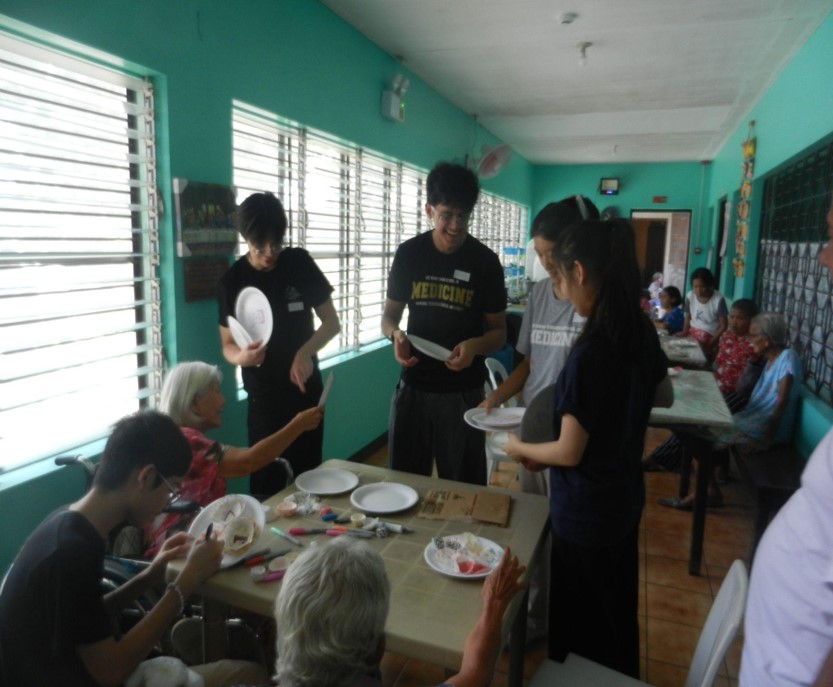
Students connected with elderly residents at the Home of Joy through activities and companionship, highlighting the importance of holistic care beyond clinical settings.
To broaden their understanding of healthcare and social services in Bacolod, the team undertook attachments with several local organisations. At Serviamus Medical Clinic, students observed a holistic approach to patient care, including nutrition counselling programmes and community-based services, while gaining exposure to practical skills such as blood group typing and blood collection techniques used in lower-resource environments. At Hearticulate Psychological Center, they explored the role of mental health across diverse populations and life circumstances, gaining insights into challenges that extend beyond the traditional medical curriculum.
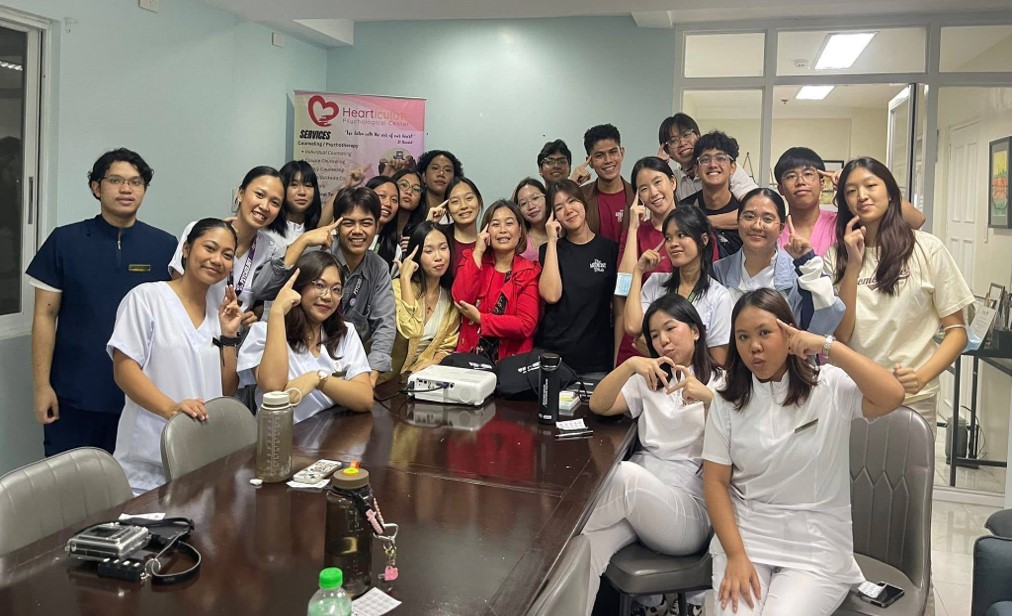
At the Hearticulate Psychological Center, students gained hands-on experience in holistic care and deeper insights into community and mental health in resource-limited settings.
The trip also included an HIV training workshop conducted by Bagani Community Center, where students learnt about the responsibilities and professional standards involved in supporting individuals seeking HIV-related services. Discussions on empathy, confidentiality, and patient-centred care deepened their appreciation of the psychosocial dimensions of healthcare and opened possibilities for future HIV-related initiatives within the project.
Overall, the trip enabled Team ISIP to strengthen existing partnerships, build rapport with potential collaborators, and identify new avenues for community engagement. As the project looks beyond its partnership with the USLS College of Nursing, the team aims to continue refining and expanding its programmes through initiatives such as larger-scale medical missions, the reintroduction of home visits, and collaborations with organisations like Bagani Community Center to address emerging healthcare needs.
The experience was both eye-opening and deeply rewarding for all participants. Through meaningful engagement with communities, healthcare professionals, and local organisations, Team ISIP gained a deeper understanding of healthcare delivery in the Philippines and reaffirmed its commitment to sustainable, community-centred outreach.