
NTU2030: Shaping the Future of Medical Education
By Sanjay Devaraja
NTU2030 is not just a five-year plan; it is a shared promise to reimagine what NTU Singapore can do for humanity, with LKCMedicine playing an integral role.
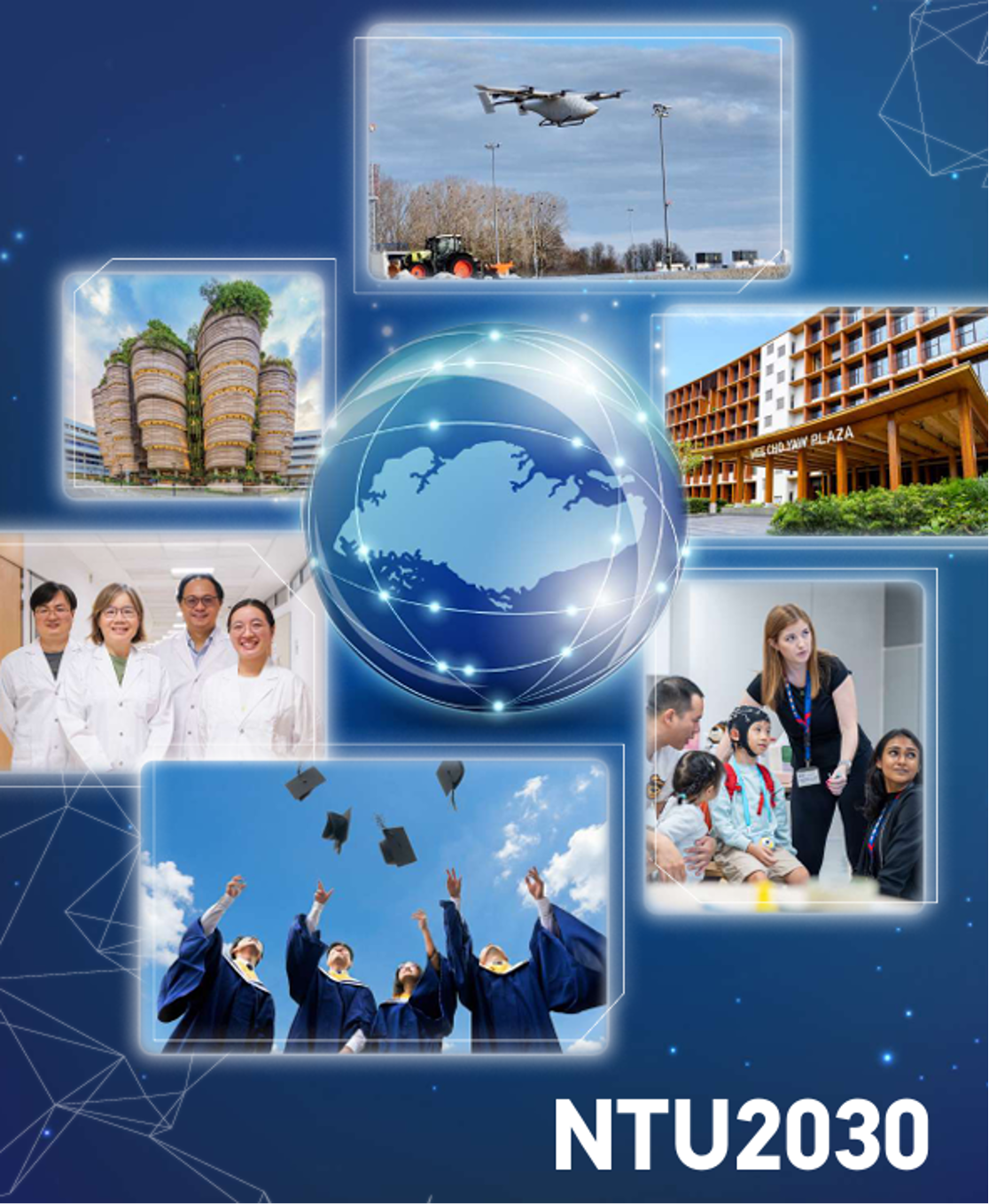
Anchored on four pillars – (1) Talent, (2) Education, (3) Research, Innovation and Enterprise, and (4) Global Impact, underpinned by Operational Excellence – NTU2030 sets an ambitious agenda for medical education in an AI-driven, interconnected world. For LKCMedicine, this means cultivating doctors who are clinically outstanding, agile problem-solvers, innovators, and global citizens.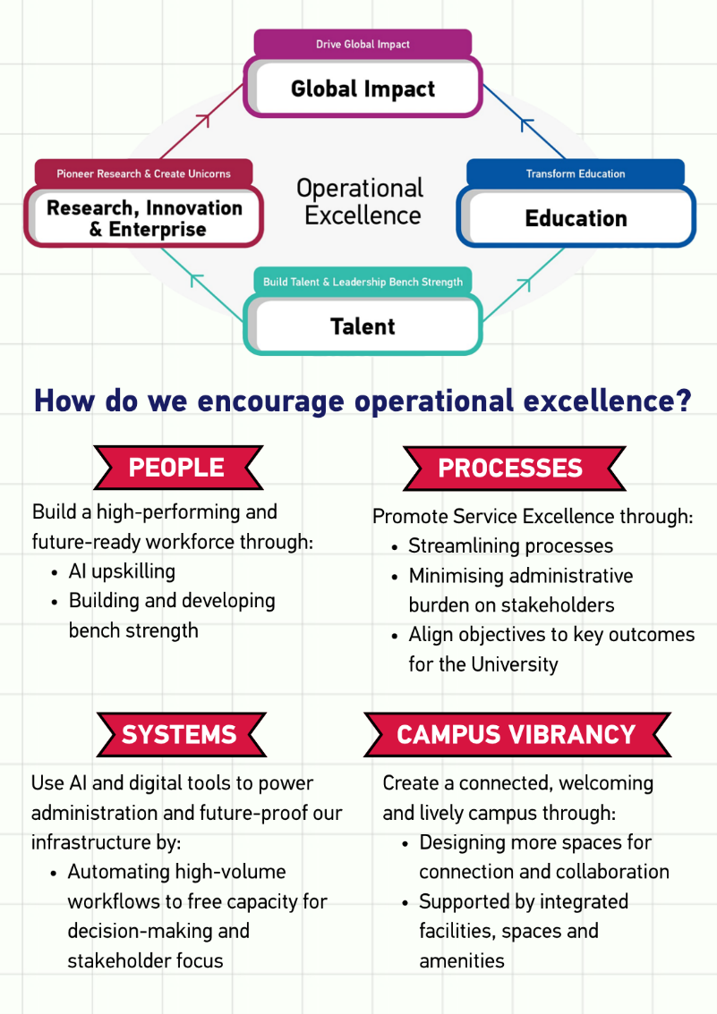
Realising this vision requires collective effort across faculty, staff, students, and alumni, all contributing to education, research, and healthcare impact.
Talent: The Human Engine of Medical Excellence
“Talent is the engine that powers NTU. We are only as good as the people we have,” says President Ho Teck Hua. At LKCMedicine, this is reflected in efforts to attract and nurture high-calibre faculty, clinicians, and researchers tackling complex healthcare challenges.
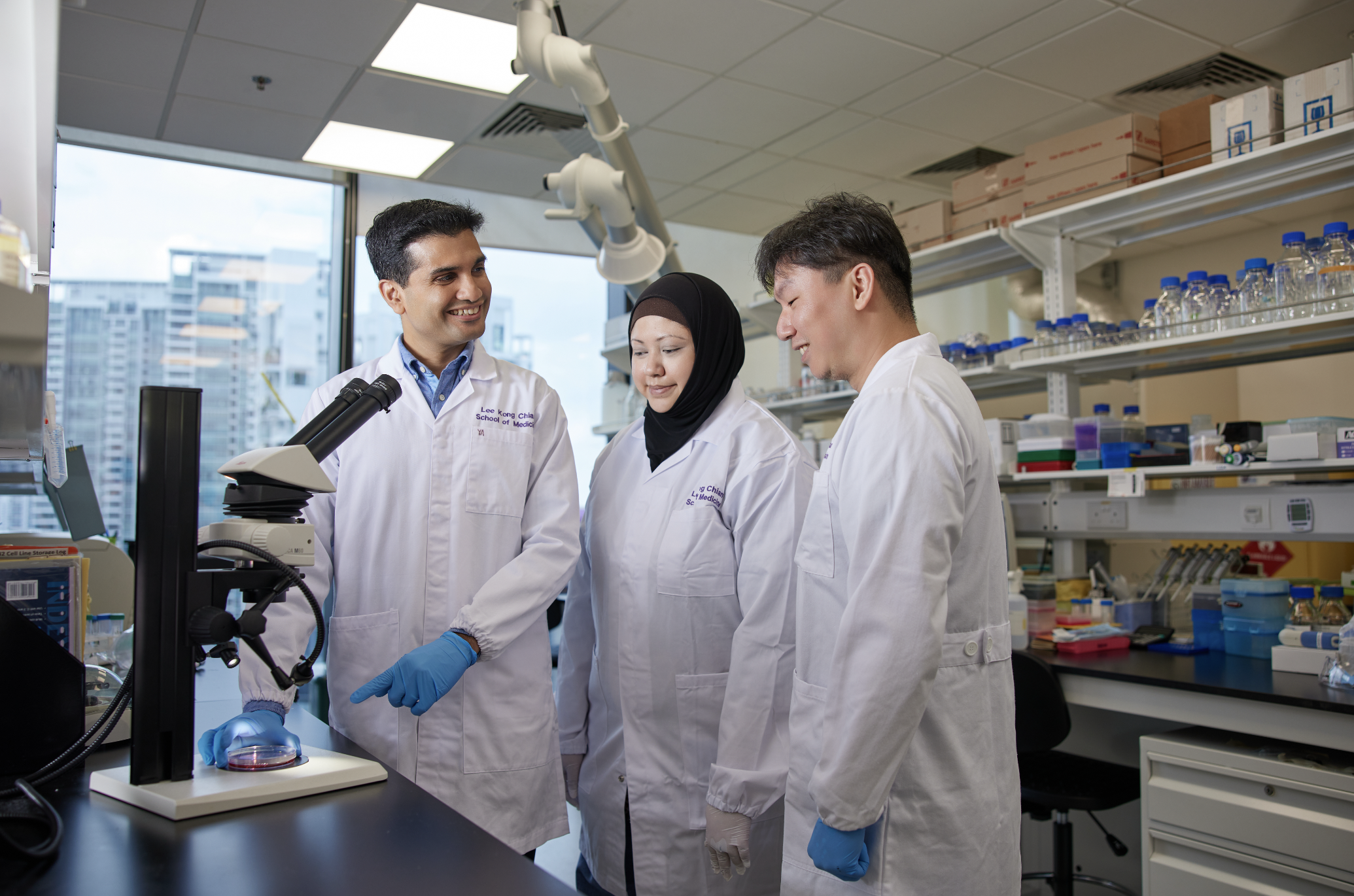 | 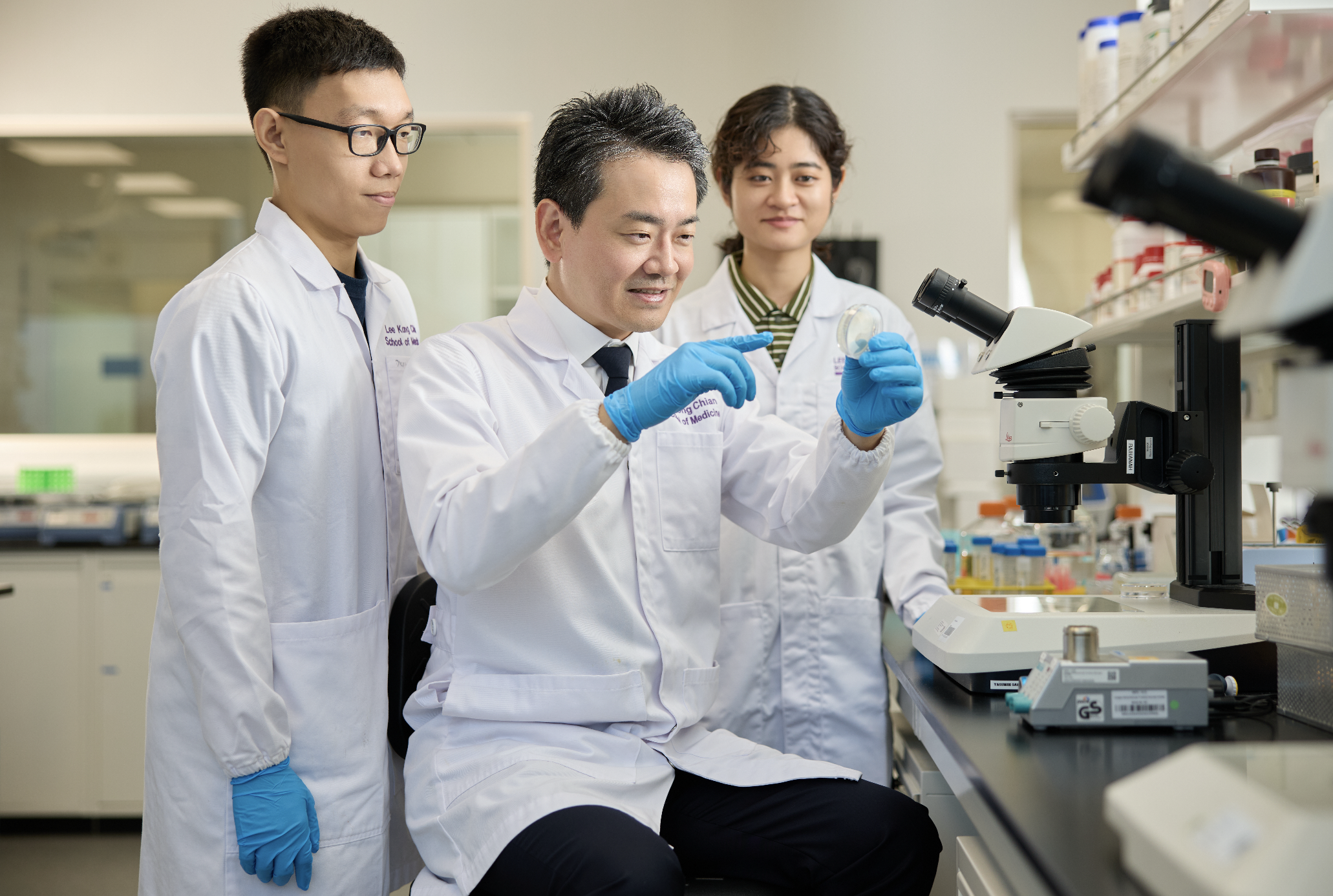 |
In 2025, 33 faculty members were named to the Stanford University and Elsevier Top 2% Scientists list, recognising global research impact across multiple disciplines. Faculty integrate research with teaching, while professional staff enable systems that support education and innovation.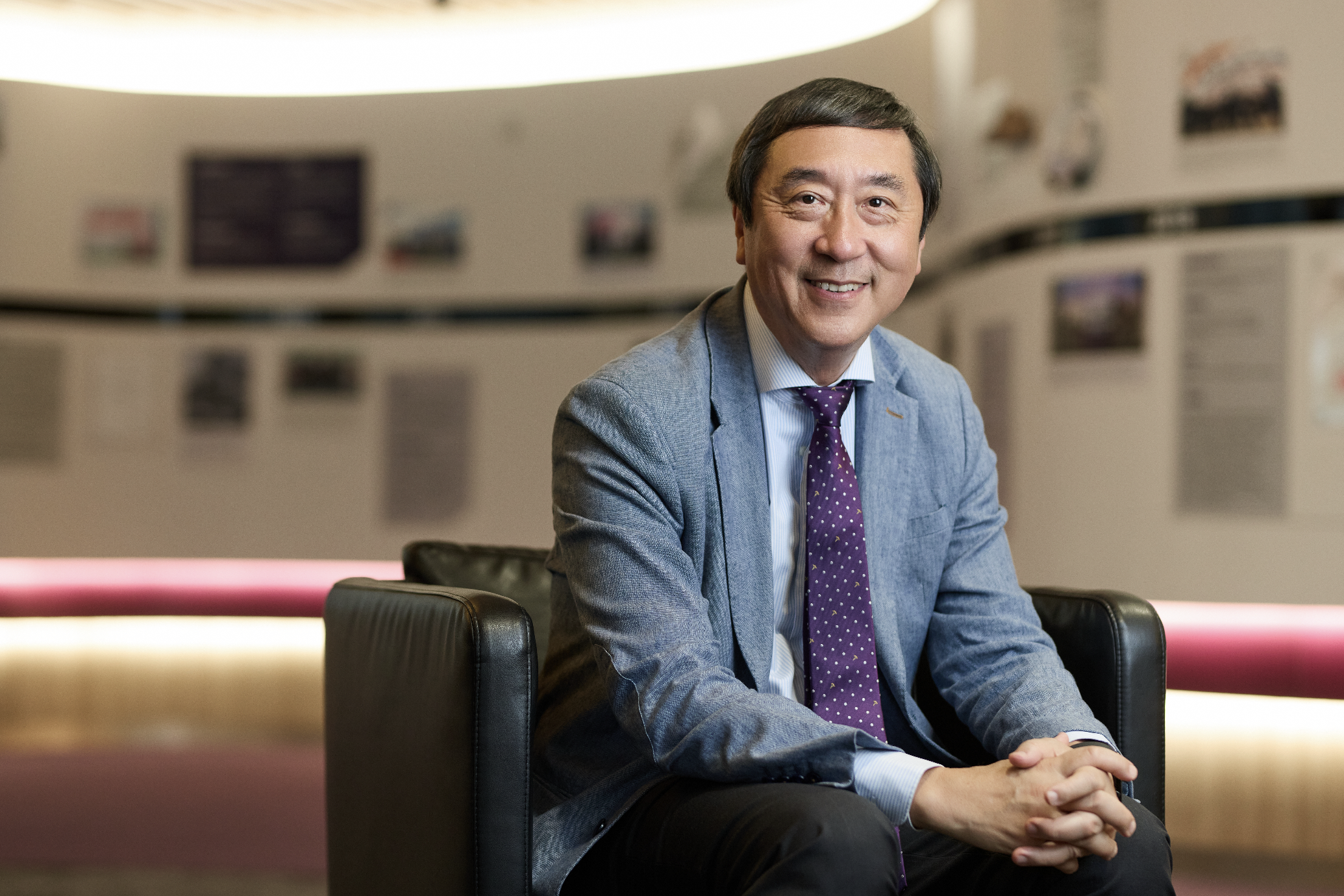
“At LKCMedicine, talent is our most vital asset. We are committed to attracting exceptional staff and faculty, nurturing them into leaders who will redefine medicine in an artificial intelligence-driven, global era. Together with our students and alumni, we can form a talent ecosystem that is central to NTU2030’s success,” says Dean Professor Joseph Sung.
Education: Reimagining Medical Learning
Education under NTU2030 focuses on producing “future- and AI-ready” graduates. At LKCMedicine, this involves immersive, AI-enhanced, and team-based learning.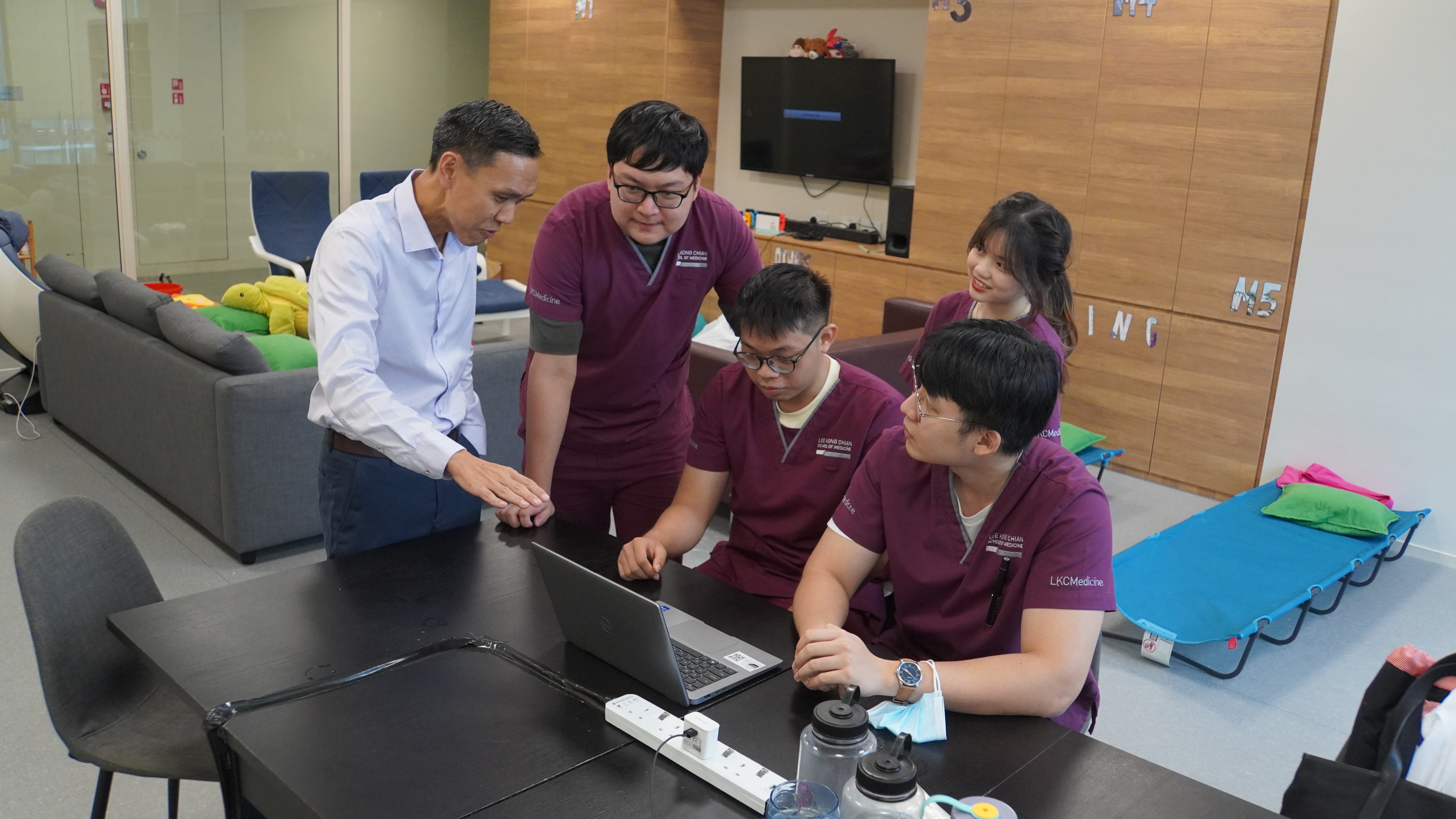
AI and digital health are embedded across the MBBS curriculum, including a Digital Health vertical theme and initiatives such as Clinical Skills Integration Week. Tools like the Learning Progress Dashboard support personalised, self-directed learning, while interdisciplinary modules draw on NTU’s strengths in humanities, social sciences, and data science.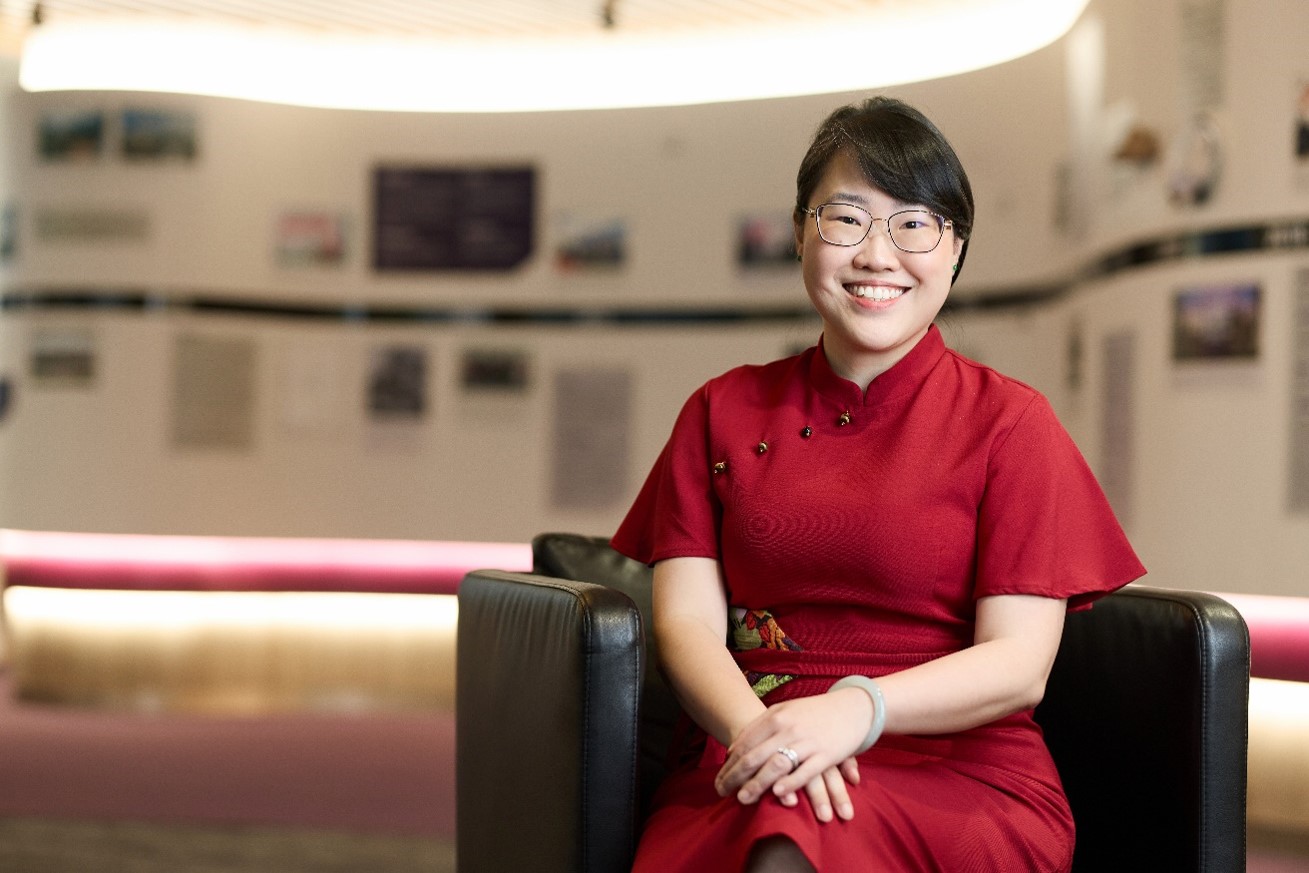
Associate Professor Faith Chia, Vice-Dean (Education), explains, “Our vision is to deliver a transformative medical education experience where AI is not just a tool or a companion in learning, but is integrated into clinical practice and used with discernment. By embedding digital health, data science and AI in healthcare in the curriculum, and training students to use technology wisely, we are preparing doctors who are agile, innovative, and ready to lead in an AI-enabled healthcare world.”
As Deputy President and Provost Christian Wolfrum notes, “AI is central to learning at NTU; all our students learn with an AI companion. This distinguishes NTU graduates in the job market.”
Research, Innovation and Enterprise
This pillar drives breakthrough discoveries and real-world impact. LKCMedicine recorded a second consecutive year of record-setting research funding, supported by national agencies across basic, translational, and clinical research.
Key achievements include the PRECISE-SG100K population health study reaching 100,000 participants and securing a five-year extension, alongside major grants such as two Industry Alignment Fund awards worth S$19 million and a Singapore-China ageing research project. Faculty and early career researchers achieved strong outcomes, including a 100% success rate in key NMRC grants, advancing work in brain health, kidney disease, and cancer.
Research translation is evident in national initiatives such as contributions to Singapore’s Project Wolbachia mosquito suppression programme and the establishment of a respiratory biorepository to strengthen pandemic preparedness.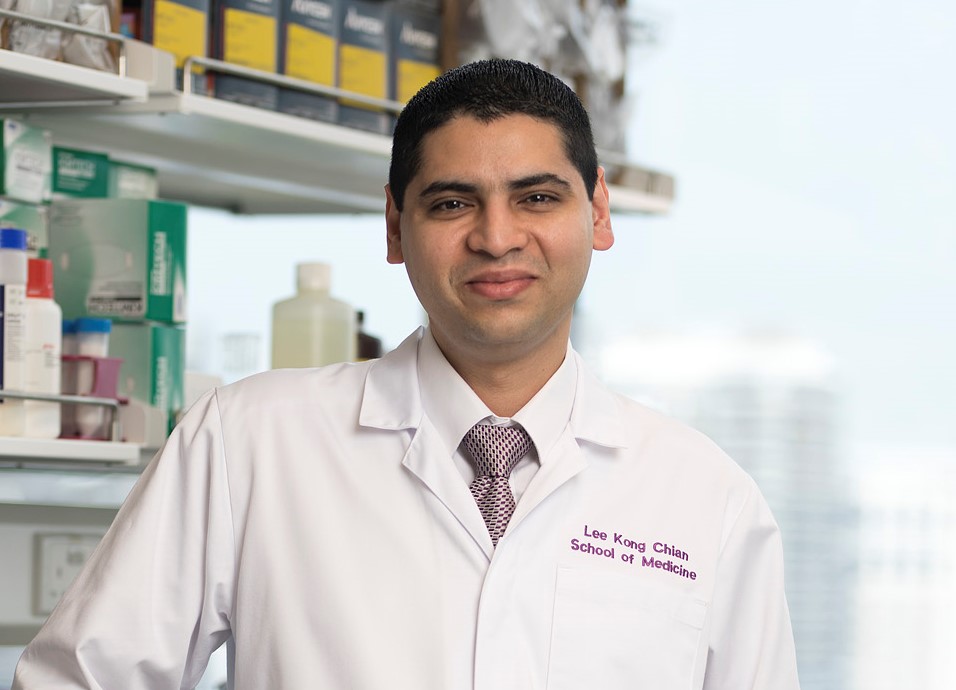
“Our research agenda at LKCMedicine is aligned with NTU2030’s ambition to pursue breakthrough discoveries and translate them into real-world impact. Through fostering interdisciplinary collaborations and embracing innovation and enterprise, we are positioning ourselves as a regional leader for biomedical and clinical research that advances science with clinical and healthcare delivery impact” says Associate Professor Sanjay Chotirmall, Vice-Dean (Research).
Global Impact: Extending Reach
Global Impact reflects NTU’s commitment to meaningful change beyond Singapore. LKCMedicine advances this through partnerships, international research, and student engagement.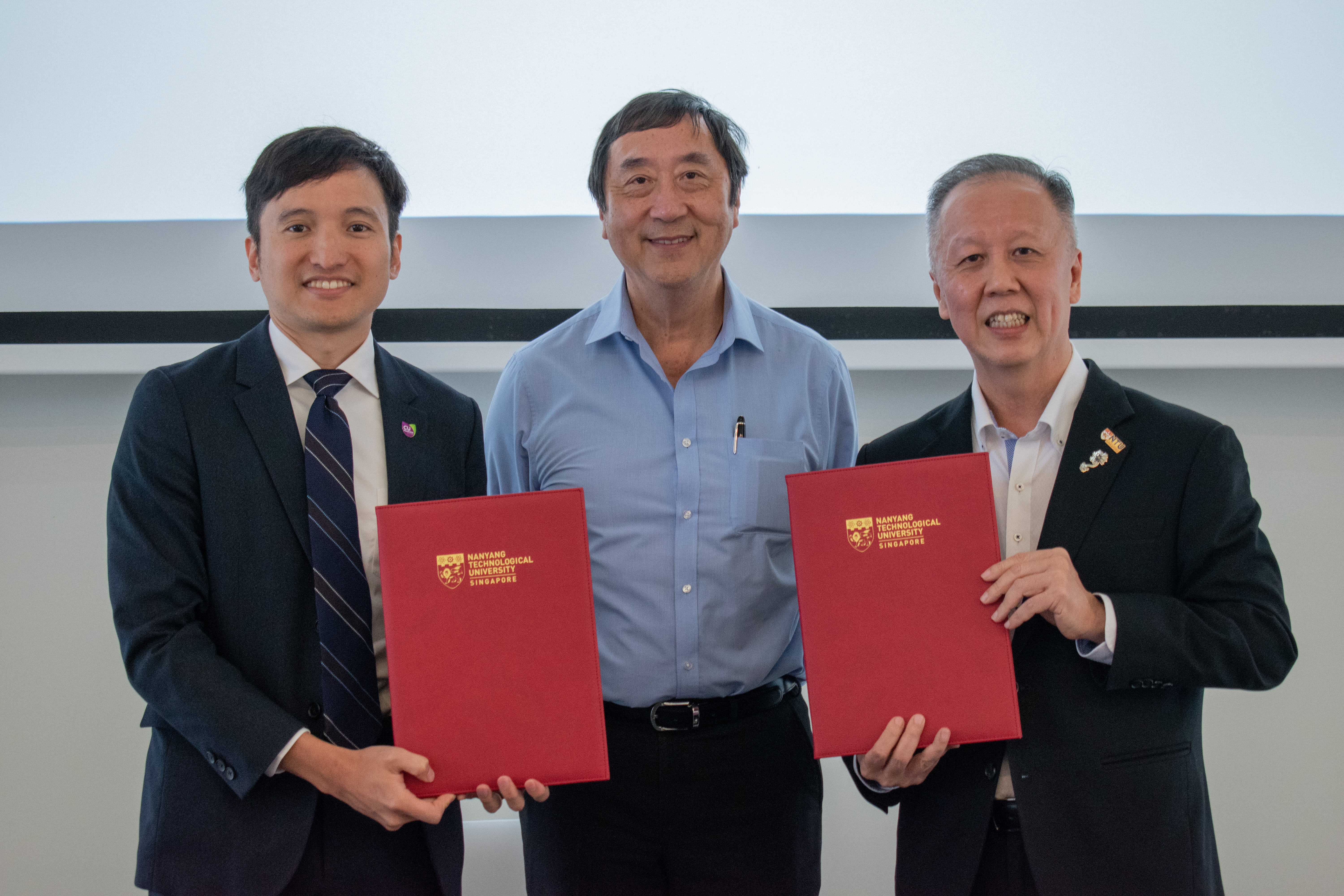
A key example is the Memorandum of Understanding signed with the Gerald Choa Neuroscience Institute (GCNI) at the Chinese University of Hong Kong, supporting joint research in neuroscience and academic exchanges.
Students contribute through Overseas Community Involvement Projects in Nepal, the Philippines, China, and India, delivering healthcare services and gaining exposure to diverse systems. Service-learning, combined with a globally active alumni network, extends the School’s impact across regions.
“NTU drives global impact. This is essential for us to sustain excellence as a premier technological university,” President Ho reiterates.
Operational Excellence: Enabling Impact
Operational Excellence underpins all pillars by ensuring effective systems and processes. As Senior Vice President for Administration Tan Aik Na states, “It is in the DNA of every NTU professional to embrace the higher purpose of sustaining the University’s excellence. We are agile, driven, and enjoy working with others to create the best outcomes for the institution.”
At LKCMedicine, the ADEPT Office integrates AI and digital tools into teaching, research, and administration. Innovations such as a Virtual Grant Assistant and chatbot services reduce administrative workload, while Microsoft 365 Copilot tools improve efficiency. Smart facilities systems further enhance sustainability across campuses.
A Collective Journey Towards 2030
NTU2030 calls for a whole-of-university effort, with AI capabilities scaled through infrastructure, tools, and training. From August 2026, all undergraduates will receive computing credits to build AI agents, with a target of integrating AI into 40% of courses by 2030.
Within this broader transformation, LKCMedicine contributes through talent development, curriculum innovation, impactful research, and global partnerships, shaping a new generation of doctors who are clinically excellent, technologically empowered, and globally attuned.