Lee Kong Chian Distinguished Professor Public Lecture by Prof David Baker and Prof Hannele Ruohola-Baker
Written by Damien Chua | PhD student, Lee Kong Chian School of Medicine NTU
On 6 January 2026, the Institute of Advanced Studies (IAS) at Nanyang Technological University (NTU) hosted the highly anticipated Lee Kong Chian Distinguished Professor Public Lecture, featuring Prof David Baker (Nobel Laureate in Chemistry 2024) and Prof Hannele Ruohola-Baker (Co-Director, Institute of Stem Cell and Regenerative Medicine, University of Washington). The event was sponsored by the Lee Foundation, in partnership with the Global Young Scientist Summit (GYSS) and the National Research Foundation in Singapore.
The lectures showcased a powerful convergence: Prof Baker demonstrated how deep learning enables design of entirely new proteins for medicine and sustainability, while Prof Ruohola-Baker revealed how these designer-proteins unlock regenerative therapies for aging-related diseases—from stroke and diabetes to tooth enamel loss. Together, their work exemplifies Singapore's ambitions at the intersection of AI, bioengineering, and clinical translation.
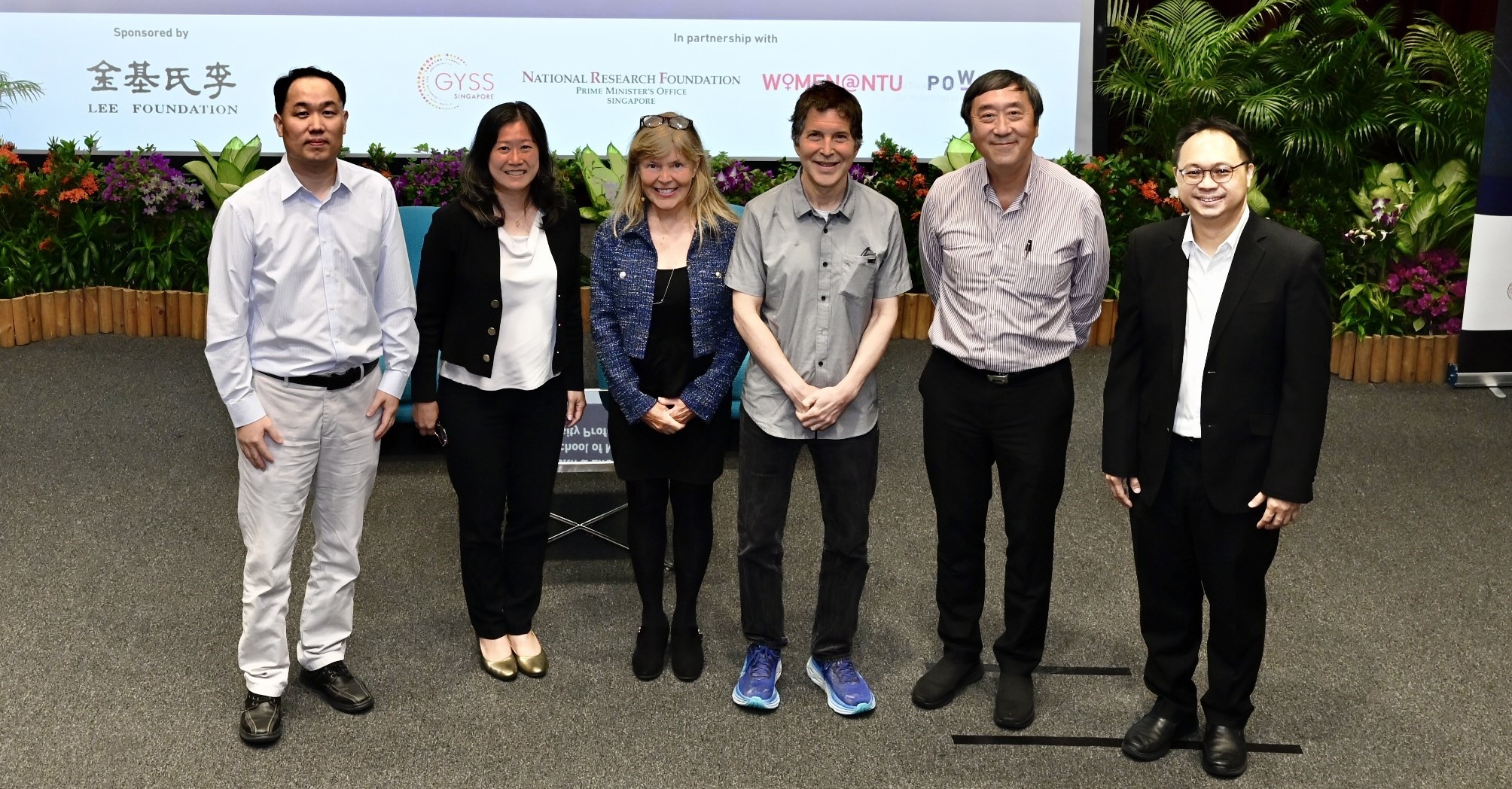
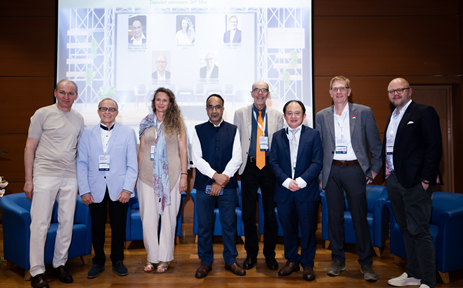
From left: Assoc Prof Xia Kelin (SPMS, NTU), Assoc Prof Sierin Lim (CCEB, NTU), Prof Hannele Ruohola-Baker, Prof David Baker, Prof Joseph Sung (Senior Vice President (Health & Life Sciences), NTU) and Prof Sum Tze Chien (Director, IAS NTU).
The public lecture commenced with Prof Sum Tze Chien, Director of the Institute of Advanced Studies, extending a warm welcome to the audience. This was followed by an address from the Guest-of-Honour, Prof Joseph Sung, who shared opening reflections to set the tone for the event.
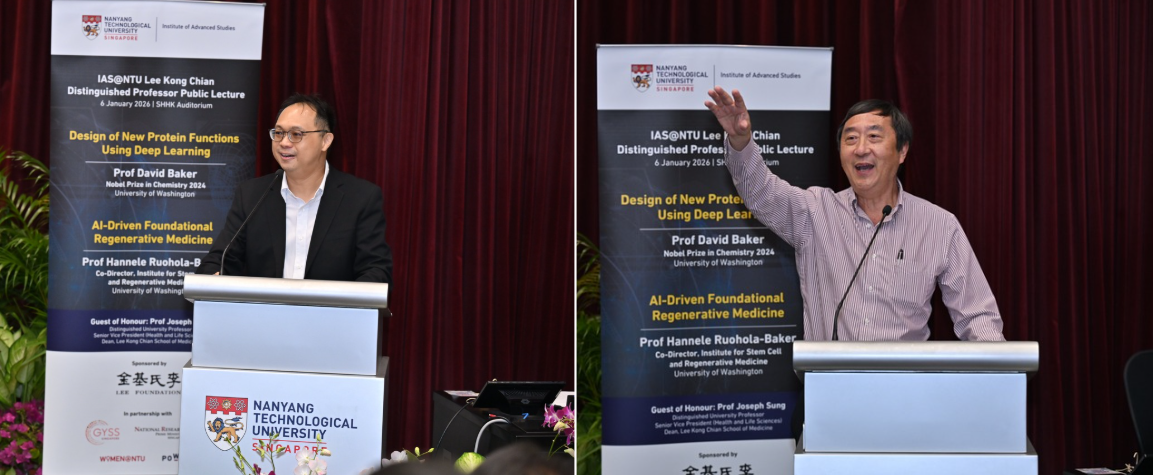
The lecture opens with welcoming remarks by Prof Sum Tze Chien, followed by opening remarks from Prof Joseph Sung.
Prof David Baker: Engineering Biology's Missing Molecules
The AI Revolution in Protein Design
Prof Baker opened by reframing biology's central question. While AlphaFold predicts how genetic sequences fold into protein structures, His breakthroughs invert this: start with a desired function, then computationally design the amino acid sequence to achieve it.
"Up until recently, the only proteins we knew came through natural evolution," Prof Baker explained. "They're remarkable—they carry out everything needed in biology—but they're limited. They solve problems relevant during evolution, not problems that exist today." Breaking down plastics, precisely targeting cancer, creating therapies that activate only in tumors—none were evolutionary priorities. Computational design bridges that gap.
His workflow is elegant: define a function, use AI to generate a sequence, synthesis the protein, purify it, and test whether it works. "My talk today," he cautioned with charismatic humility, "is basically optimistic examples where things worked beautifully—but not all designs do what we want. Just keep that in mind." The room chuckled.
The technical engine is RFdiffusion, adapted from image-generation diffusion models like DALL-E. Trained on tens of thousands of protein structures, the neural network learns to "denoise" corrupted proteins. Once trained, it starts with random amino acid arrangements, progressively denoises them, and outputs novel structures resembling natural proteins but never before existing.
"We can condition this on a particular function," Baker demonstrated, showing random noise around the insulin receptor coalescing into an ordered binding protein. His lab synthesised several candidates; some bound tightly enough to mimic insulin—with advantages: greater stability, longer circulation, and resistance to disease-causing mutations blocking natural insulin.
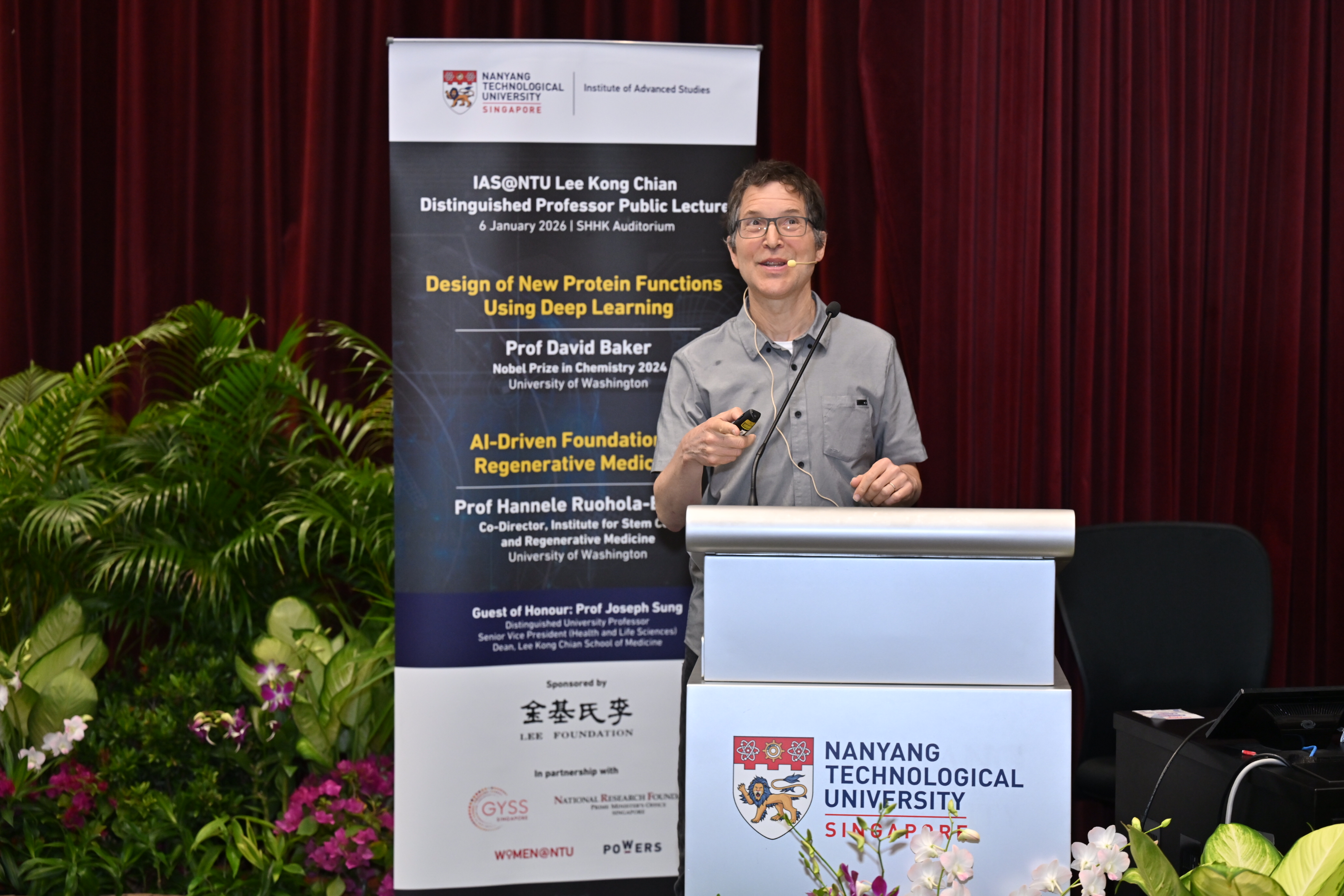 Prof Baker presents how AI-driven protein design enables new biological functions beyond natural evolution and existing therapeutic limits.
Therapeutic Breakthroughs: From Cancer to Neurodegeneration
Prof Baker’s work offered a vivid, evidence-backed glimpse of a future in which medicine is transformed—not by molecules we stumble upon, but by ones we deliberately design to do exactly what patients need. Instead of relying only on drugs we happen to find, his team builds new proteins that can calm harmful inflammation, strengthen the immune system against cancers like pancreatic cancer, and work in ways that older treatments simply could not. They are beginning to show that some of the most difficult diseases to treat may yield when we can guide biology with precision, not just react to damage after it occurs.
Equally inspiring is how these designs reach problems once thought out of reach—like the disordered proteins in Alzheimer’s, chronic pain, or diabetes. By creating proteins that recognise only the harmful forms and then tag them to be removed from cells, his group shows that it may be possible to clean up toxic processes at their source rather than just manage symptoms. Underneath the technical achievements lies a simple, powerful idea: with creativity, courage, and new computational tools, we can reimagine medicine as an active, programmable force for protecting and restoring human health.
Beyond Medicine: Programmable Biology and Sustainable Materials
Prof Baker described an emerging world where proteins behave less like static parts and more like responsive devices—molecular switches that sense their surroundings and change shape or activity accordingly. In this vision, therapies no longer act as blunt instruments; instead, designed molecules can bring immune receptors together to turn signals on, then rapidly disengage them to switch signals off, preventing runaway reactions while allowing precise, moment-to-moment control of the body’s responses. The same design principles extend to “molecular noses” that could one day read subtle chemical signatures in air, water, or bodily fluids, creating sensitive, low-energy diagnostics and environmental monitors.
He then turned to one of chemistry’s hardest problems: creating enzymes from scratch to perform reactions nature never evolved, including breaking down stubborn synthetic plastics and shaping new minerals. By using AI-guided tools to first imagine an ideal reaction center and then build a protein scaffold around it, his team has produced enzymes that accelerate reactions by up to eight orders of magnitude—fast enough to make industrial and environmental applications realistic. These capabilities open pathways to recycle plastics more efficiently, process waste under mild conditions, and template new biominerals for uses ranging from regenerative dentistry to greener materials manufacturing. Together, they point to a future in which designed proteins help heal the body and also repair the planet—turning biology into a powerful engine for sustainability.
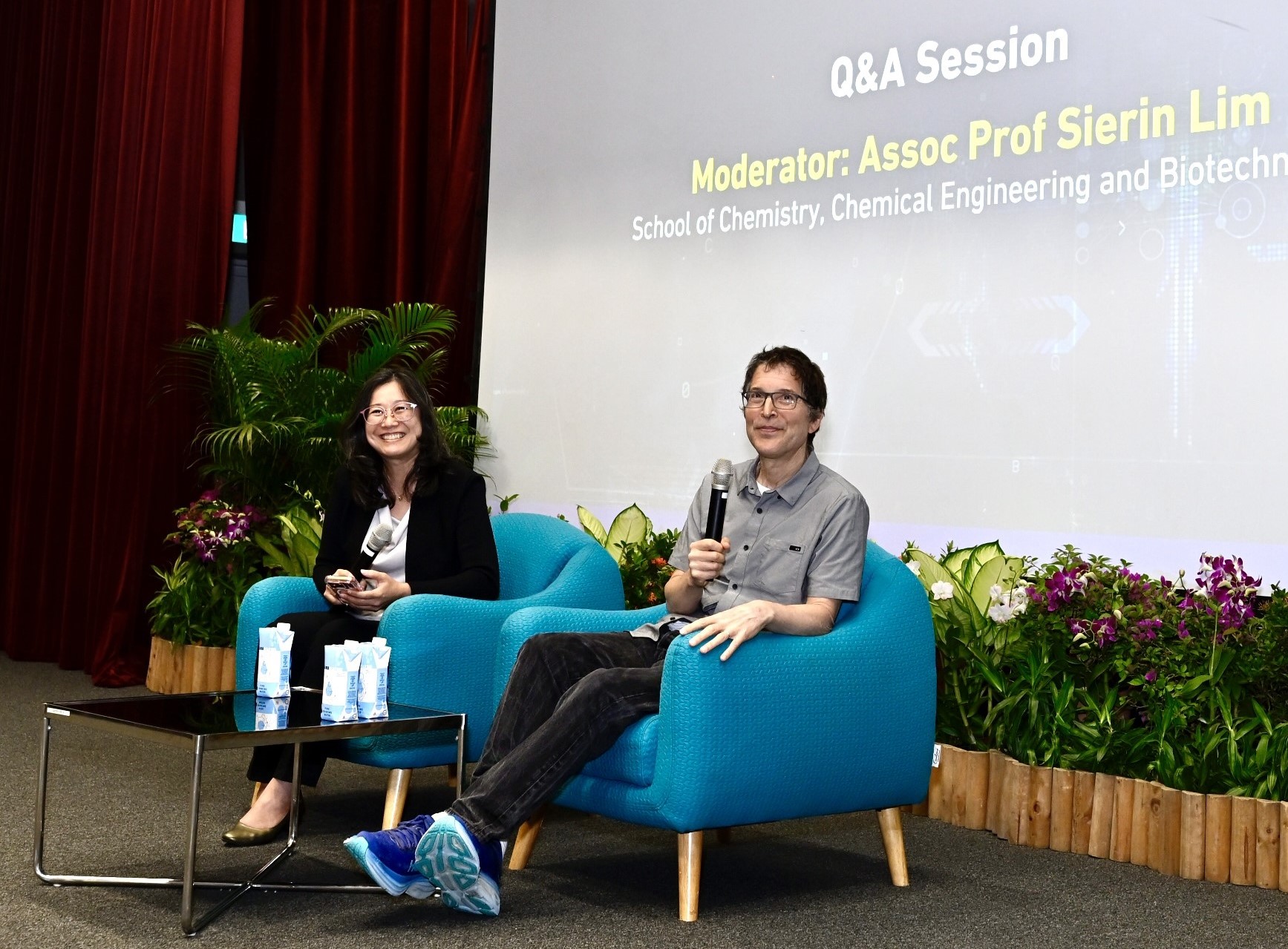 In the Q&A session moderated by Assoc Prof Sierin Lim (CCEB, NTU), Prof Baker addresses how designed proteins act as molecular switches shaping future therapies, diagnostics, and sustainability.
Prof Hannele Ruohola-Baker: Medicine's Control Tower
Reimagining Medicine: From Reactive Care to Programmable Prevention
Prof Ruohola-Baker opened with a vivid image: imagine if Singapore’s air-traffic controllers could only respond after planes had already crashed—no guidance, only damage control. We would never accept that in aviation, yet this is still how much of medicine operates today: we often step in only after disease has taken hold and caused deep, sometimes irreversible harm. Her central message was both gentle and radical: we now have the chance to move from reacting to illness to actively guiding the body toward health before disaster strikes.
She framed this shift around the convergence of three powerful revolutions: AI that can simulate “virtual cells” and forecast when things are about to go wrong, designed proteins that can precisely nudge cells toward healing, and stem cell biology that provides living testbeds and building blocks for regeneration. Together, they form a kind of biological control tower—watching, predicting, and gently steering cells to maintain balance rather than waiting for collapse. Years of frustration with stem cells stuck in immature states led her to co-create the DREAM initiative, built on a simple but profound insight: the signals nature evolved for embryos are not always the right ones to mature or repair adult tissues in a dish. By designing new, purpose-built signals, she argued, we can start to write a new chapter for medicine—one where we don’t just treat disease, but continually program towards resilience and repair.
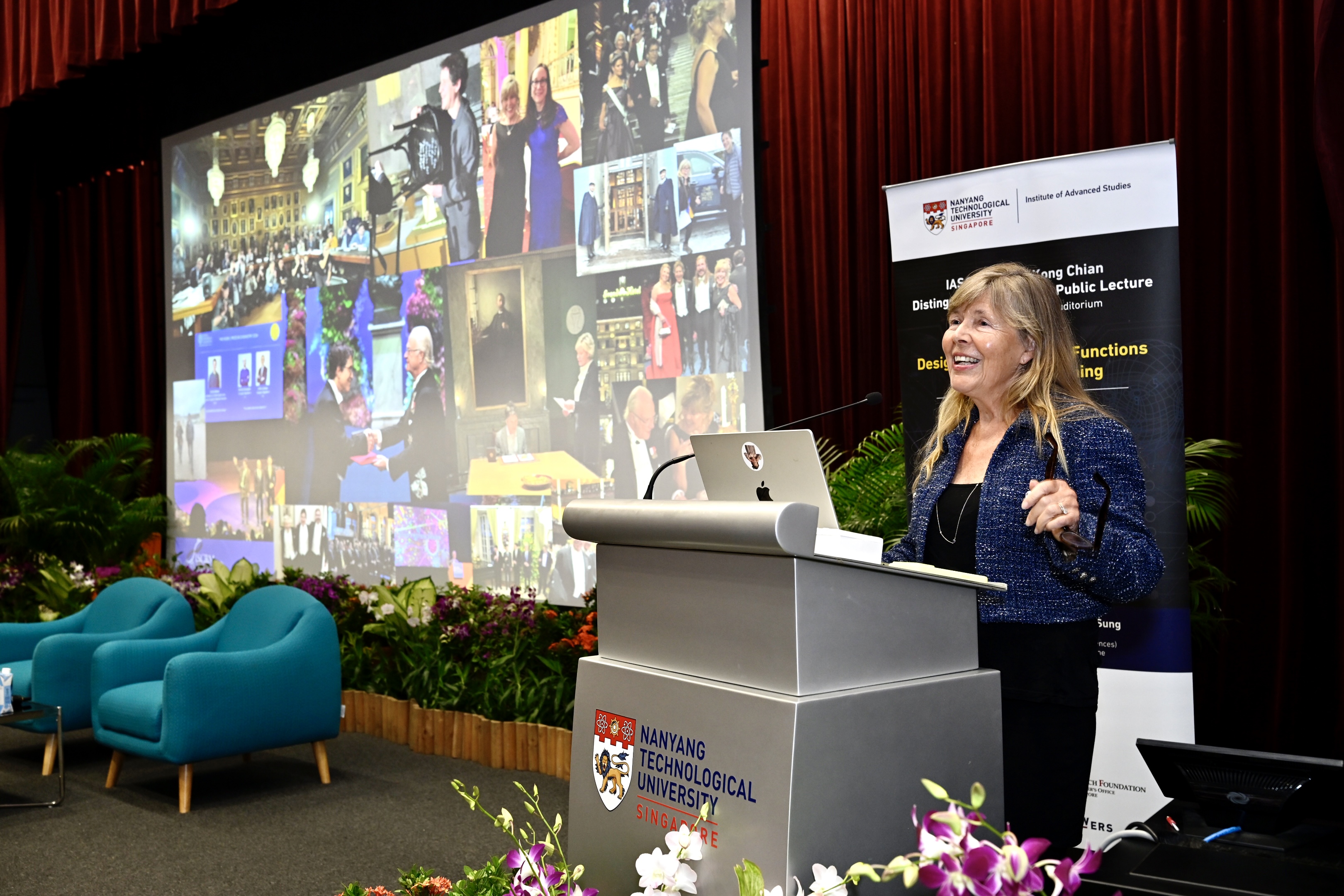 Prof Ruohola-Baker presents a vision for proactive medicine, uniting AI, designed proteins, and stem cell biology.
Four Frontiers in Aging and Regeneration
Prof Ruohola-Baker framed her work around four unmet medical needs acutely relevant to Singapore's aging population —keeping vessels resilient, easing pain without harm, preserving strength, and protecting teeth—each reimagined through the lens of designed biology. In fragile blood vessels, she showed how a purpose-built protein signal can help stabilise the vasculature and protect against life-threatening complications, hinting at a future where strokes and diabetic damage might be softened by intelligent molecular “guardrails.” In chronic pain, her team drew inspiration from rare families who feel less pain, designing a gentler growth factor that nourishes nerves without triggering agony—an approach that could one day support people with diabetic neuropathy and similar conditions who need protection, not more suffering.
She then turned to muscle and teeth, two everyday reminders of aging. For weakening muscles, especially in older adults, the DREAM collaboration created entirely new protein signals that coax muscle cells to fuse and strengthen, opening the possibility of restoring function rather than merely coping with decline. For tooth enamel—slowly lost in almost everyone—her vision is to replace the “drill and fill” cycle with living repair: stem-cell-derived enamel-forming cells guided by designed proteins to lay down new, properly organised mineral, like natural enamel rather than inert filling material. Across all four frontiers, the big idea is the same and deeply hopeful: instead of simply patching damage late, we can design signals that help tissues protect, rebuild, and renew themselves throughout life.
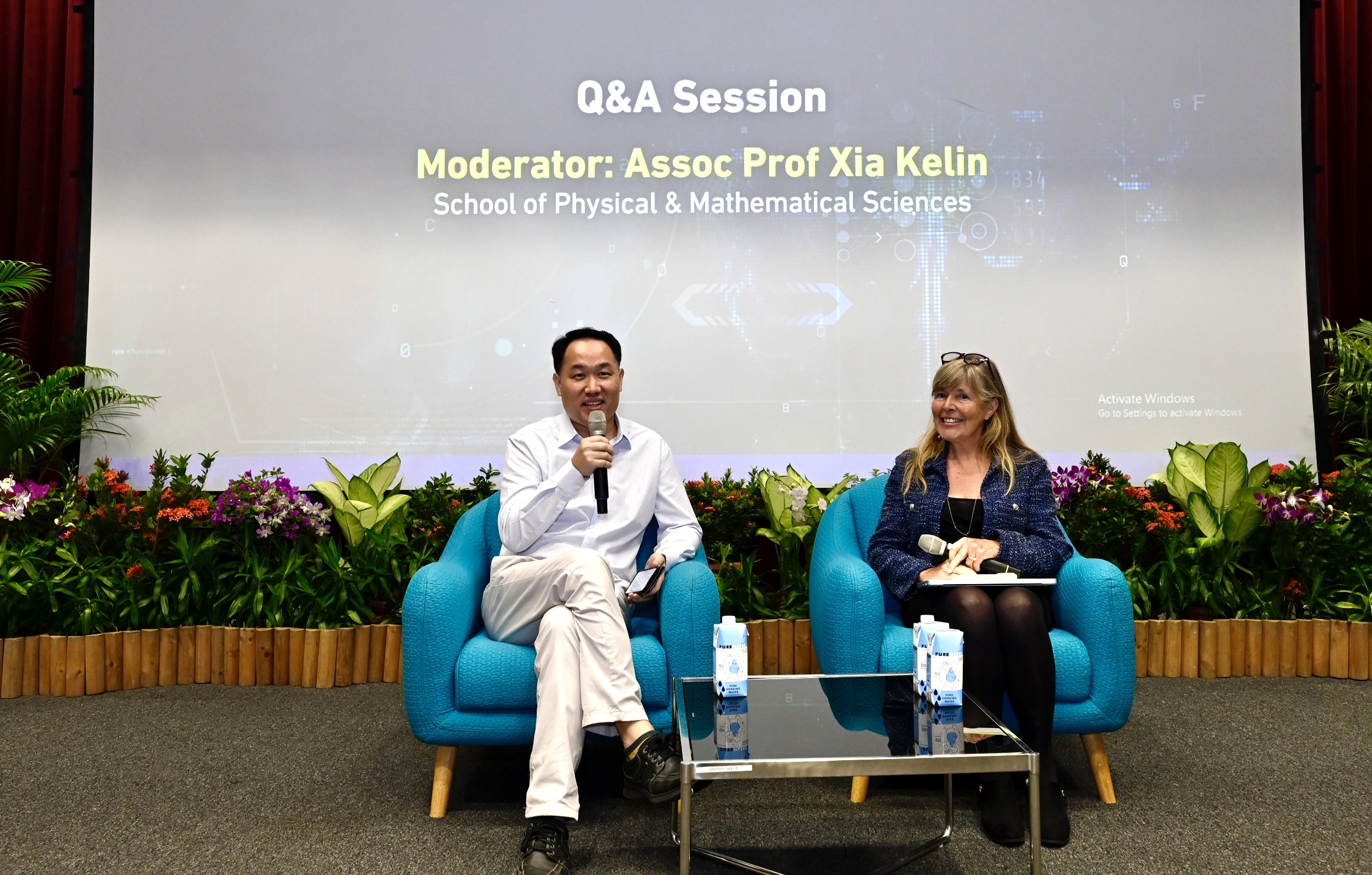 The Q&A session moderated by Assoc Prof Xia Kelin (SPMS, NTU) touches on the revolutionary idea of virtual cell models and how engineered proteins can preemptively correct cellular dysfunction.
Virtual Cells: Predicting Disease Before It Strikes
Woven through all these advances is a quietly revolutionary idea: virtual cells that can foresee trouble before it becomes disease. In this vision, detailed computer models of cells learn to recognise the earliest moments when biology starts to drift off course—well before a “crash” that leads to stroke, dementia, cancer, or organ failure. At those early turning points, carefully designed proteins could step in as gentle course-correctors, nudging cells back toward balance rather than waiting to repair damage after the fact. For people born with genetic risks, this could one day mean periodic, tailored protein therapies that help keep their cells stable across a lifetime—transforming medicine from crisis management into continuous, proactive care.
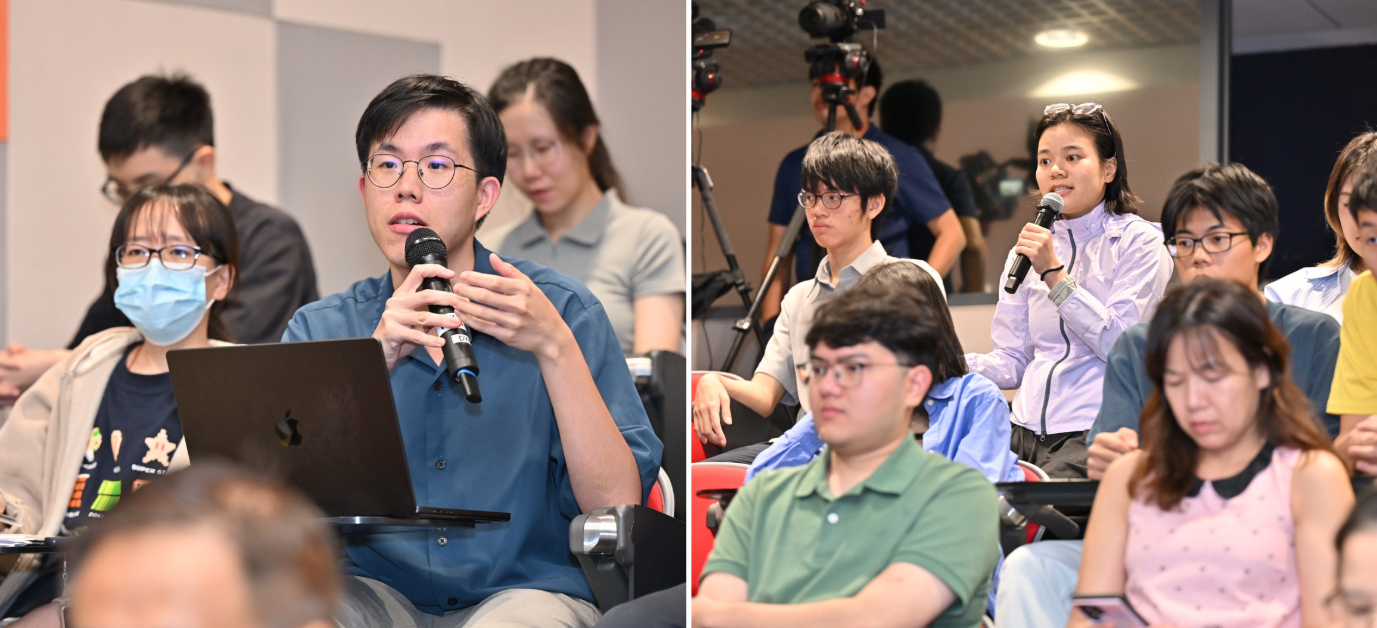 Prof Ruohola-Baker answers questions on programming biology, inspiring students to explore interdisciplinary research for a healthier future.
Concluding Remarks
The lectures showed a glimpse of a future where we do not simply react to illness, we program biological systems to stay well. For Singapore—already investing in healthy aging and AI-enabled healthcare—the message landed at exactly the right moment: the scientific tools are increasingly open, and the pressures of aging, diabetes, and neurodegeneration are shared across society. Prof Ruohola-Baker’s final words turned that vision into a personal call: this is not the time to stay in one’s comfort zone, but to reach across disciplines and build bold collaborations. Reflecting on her own journey from a small Finnish village to leading-edge science, she described research as “the highest form of humanity,” a daily act of creating what did not exist before. As conversations spilled into the corridors, the invitation was clear: an interdisciplinary display of programmable biology’s era has begun, and Singapore’s researchers are warmly, urgently invited to help write its next chapter.
In conjunction with the public lecture, the professors also sat down with our NTU students over a dialogue session discussing research curiosities, breaking myths and impactful innovations in protein design and regenerative medicine. Read the article here.
"As a computer engineering undergraduate that is passionate molecular biology and its applications in medicine, the lectures have certainly enlightened me about how interdisciplinary expertise can bring about new novel approaches to solving problems. I am particularly intrigued in how deep learning methodologies lends itself so elegantly to protein structure prediction, and now design of new novel proteins with never before known functions." - Darren Wey (Undergraduate student, CCDS)
"I enjoyed their passion for their work and breaking down complex concepts for non experts in the field to understand." - Huang Yongjian (Undergraduate student, CCDS)
"It was a novel experience to hear about applications of Artificial Intelligence in science fields." - Bai Yuze Ethan (NUS High School student)