From Quantum Theory to Maritime AI
Written by Chun Loong, a second-year Applied Physics student majoring in Quantum Technology at NTU, this piece shares his journey from discovering the SuperAI NEXT Hackathon to building BunkerGuard AI, a maritime fuel verification platform, and being named one of the Top 5 teams. He reflects on teamwork, interdisciplinary learning and how his experience at SPMS has encouraged him to explore the intersection of science, AI and real-world applications.
My First AI Hackathon Journey with BunkerGuard
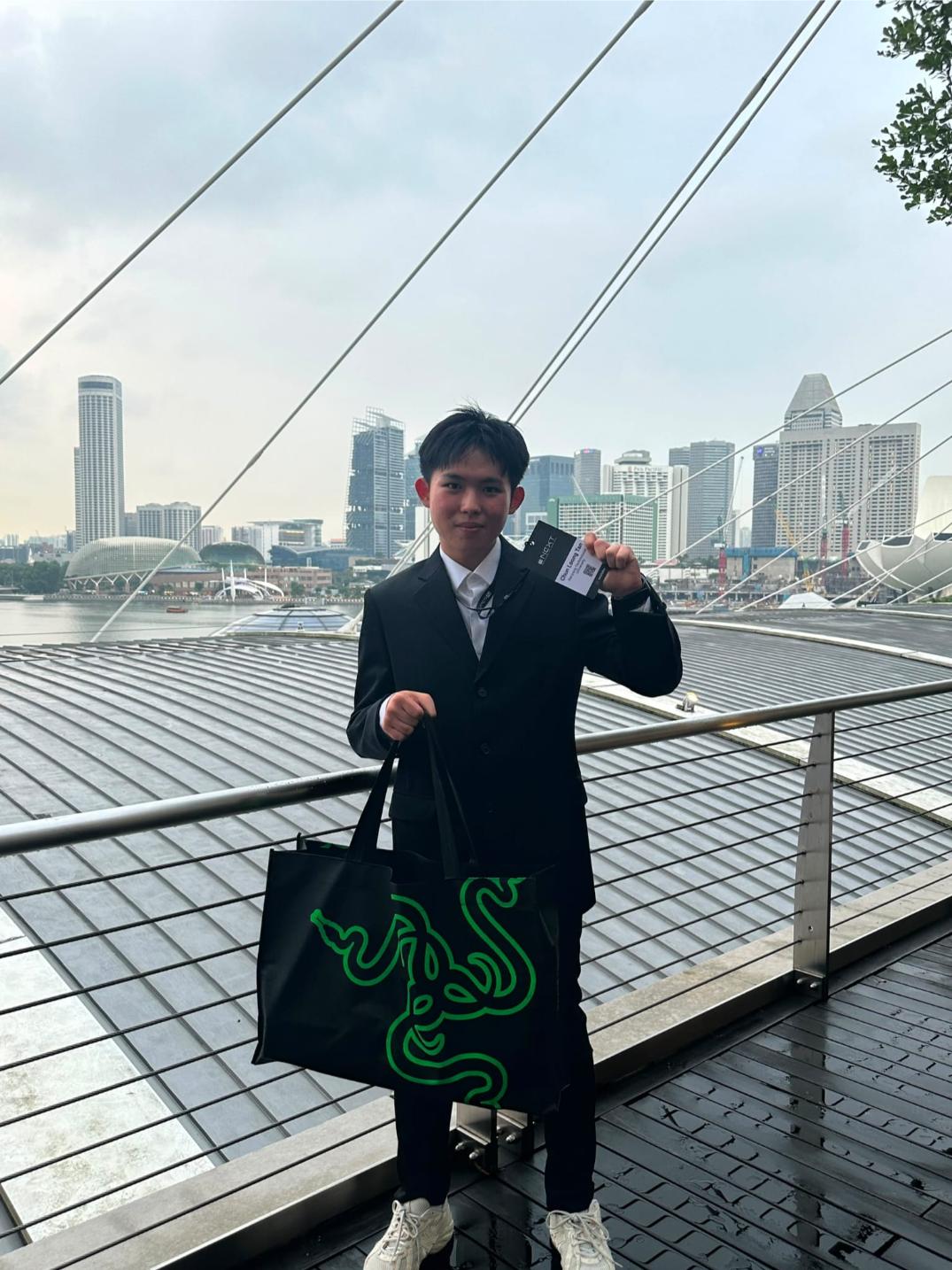
As a second-year Applied Physics student at NTU majoring in Quantum Technology, with a growing interest in how quantum computing and AI could actually solve real-world sustainability problems, I chanced upon the SuperAI NEXT Hackathon almost by accident.
When I first came across the SuperAI NEXT Hackathon, I did not expect much.
It felt almost accidental. I saw the competition, read that it would bring together selected AI builders from around the world, and thought it would be a good learning opportunity. Since the hackathon was highly competitive, with only a limited number of builders selected, I honestly did not think our chances of getting in were very high.
Still, I reached out to a few previous teammates, people I'd worked with before and simply clicked with. It wasn't just that we'd collaborated well on past projects; it was the chemistry, the way we worked together, and how our skills complemented each other. Working with them never felt like it took extra effort, things just flowed! So when this came up, they were the first people I thought to ask.
A few days later, an email arrived. Our team had been accepted.
That was the first surprise.
After the initial excitement, we quickly realised that getting selected was only the beginning. We had to decide what to build. In the age of AI, it's easy to build something that looks impressive but blends into the crowd. Everyone is building chatbots, agents, productivity tools, or generic AI assistants. We didn't want to take the easy route and chase what was trendy. Instead, we wanted to challenge ourselves: to find something different, something that pushed us out of our comfort zone.
Instead, we asked ourselves: what is a real problem, in a real industry, with real economic value but still overlooked by most people?
Since the hackathon was held in Singapore, we also wanted our project to connect meaningfully to the local context. By chance, while reading the newspaper one weekend, I came across the fact that Singapore is the world’s largest bunkering hub. That caught my attention.
Bunkering, or marine fuel delivery, may not sound like the most glamorous topic. But the more we researched it, the more we realised that it was exactly the kind of niche, high-value, industry-specific problem that could stand out in an AI hackathon.
That was how BunkerGuard AI began.
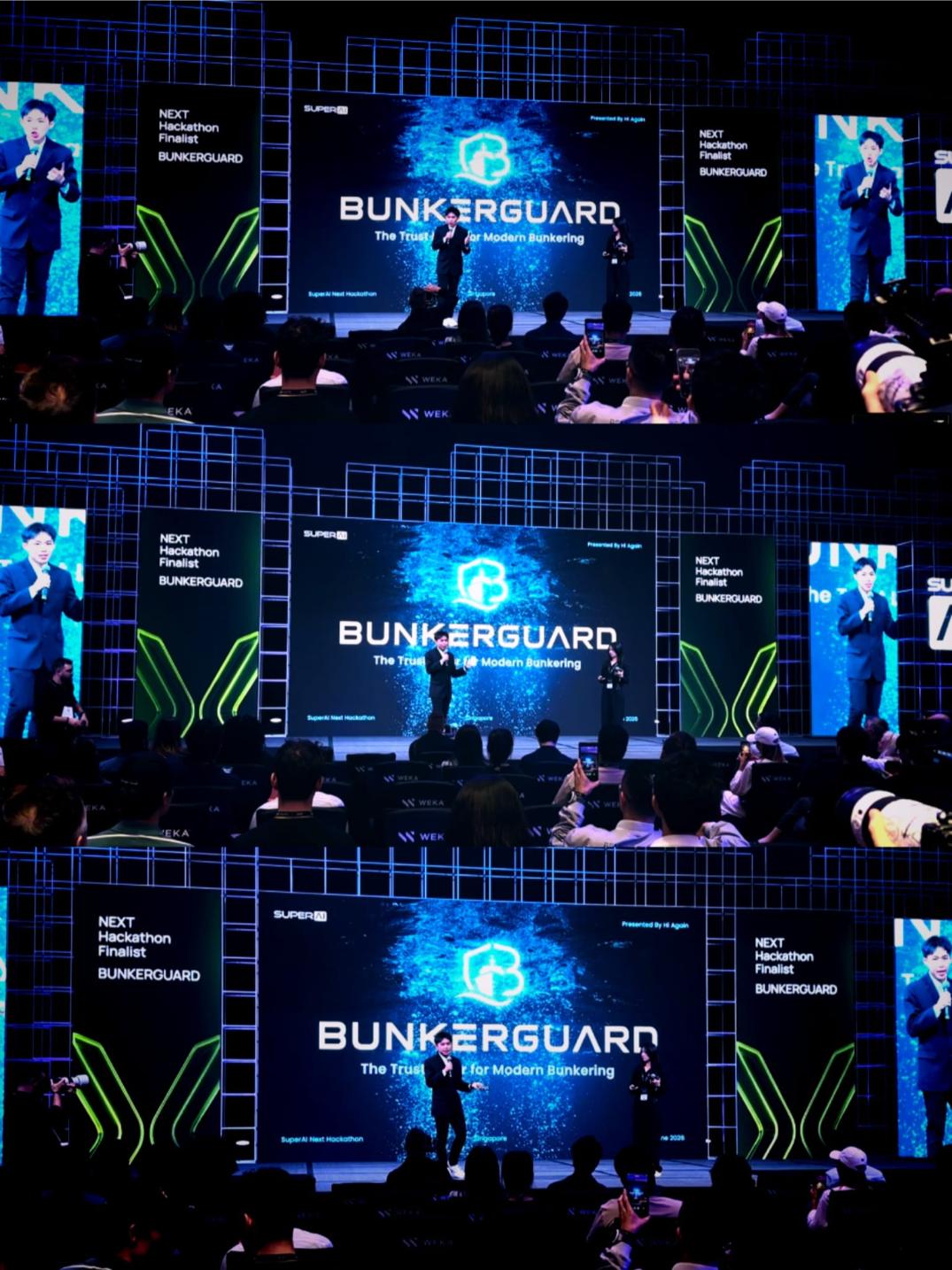
BunkerGuard AI is an AI-powered maritime fuel verification platform. It helps detect bunker delivery risks before sign-off by cross-checking fuel delivery documents, sensor data, vessel positioning, and risk intelligence. The idea is simple: in marine fuel delivery, a signed Bunker Delivery Note often becomes the basis for settlement. If the document does not match the actual fuel delivered, disputes can become difficult and expensive. Our platform aims to provide an AI-assisted trust layer before the document is signed.
Once we arrived at the hackathon venue, the scale of the event immediately hit us. The setup, atmosphere, and energy were far beyond what I had imagined. It was intense, exciting, and slightly intimidating. For a moment, I remember thinking: are we really supposed to be here?
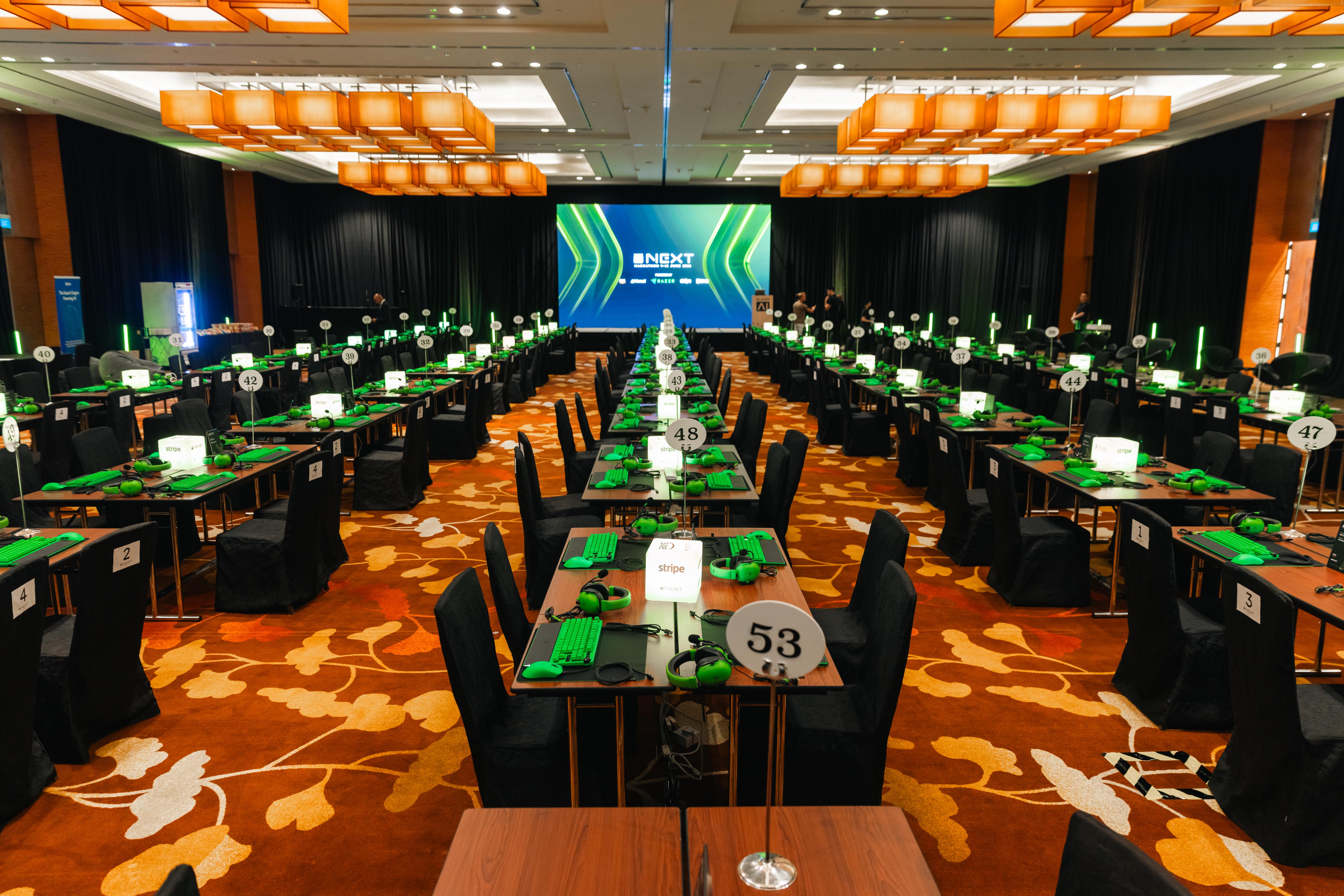
But perhaps that was exactly what helped us focus. Surrounded by other ambitious builders, founders, and AI teams, we had no choice but to fully immerse ourselves in the 36-hour sprint.
Our team became extremely detail-oriented. We worked on the technical architecture, AI agent workflow, product structure, 3D visualisation, interface design, market analysis, business model, branding, and pitch narrative. Every part was repeatedly discussed, challenged, and refined. It felt as if we had squeezed our brains dry several times over.
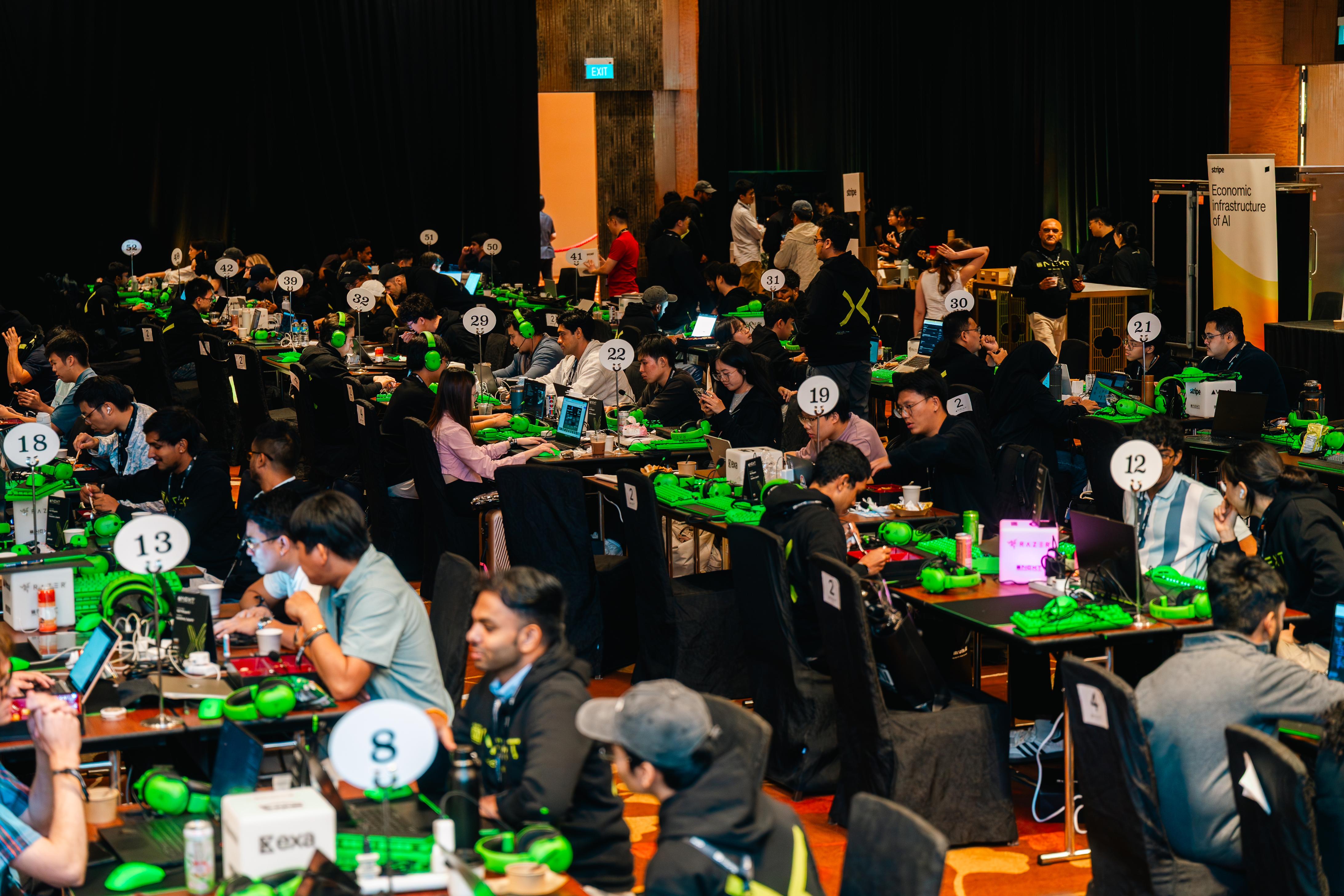
At the same time, what made the process work was that each of us owned a clear lane. Instead of everyone crowding around the same part of the project, we split the work according to our strengths. Some focused on engineering and the AI system. Some focused on design and user experience. Some worked on product strategy and business framing. Others polished the pitch and storytelling.
That became one of the biggest lessons I took away from the hackathon: in a short sprint, teamwork is not about everyone doing the same thing together. It is about each person taking responsibility for one part, and polishing it until it shines.
Going into the final judging, we were not expecting to win. We had joined with the mindset of learning from other AI builders and observing how strong teams turn ideas into products under pressure. So when the results were announced and BunkerGuard was named one of the Top 5 teams, we were stunned.
It took a few seconds to process what had happened. We had gone from wondering whether we would even be selected, to earning the opportunity to pitch on the main SuperAI stage.
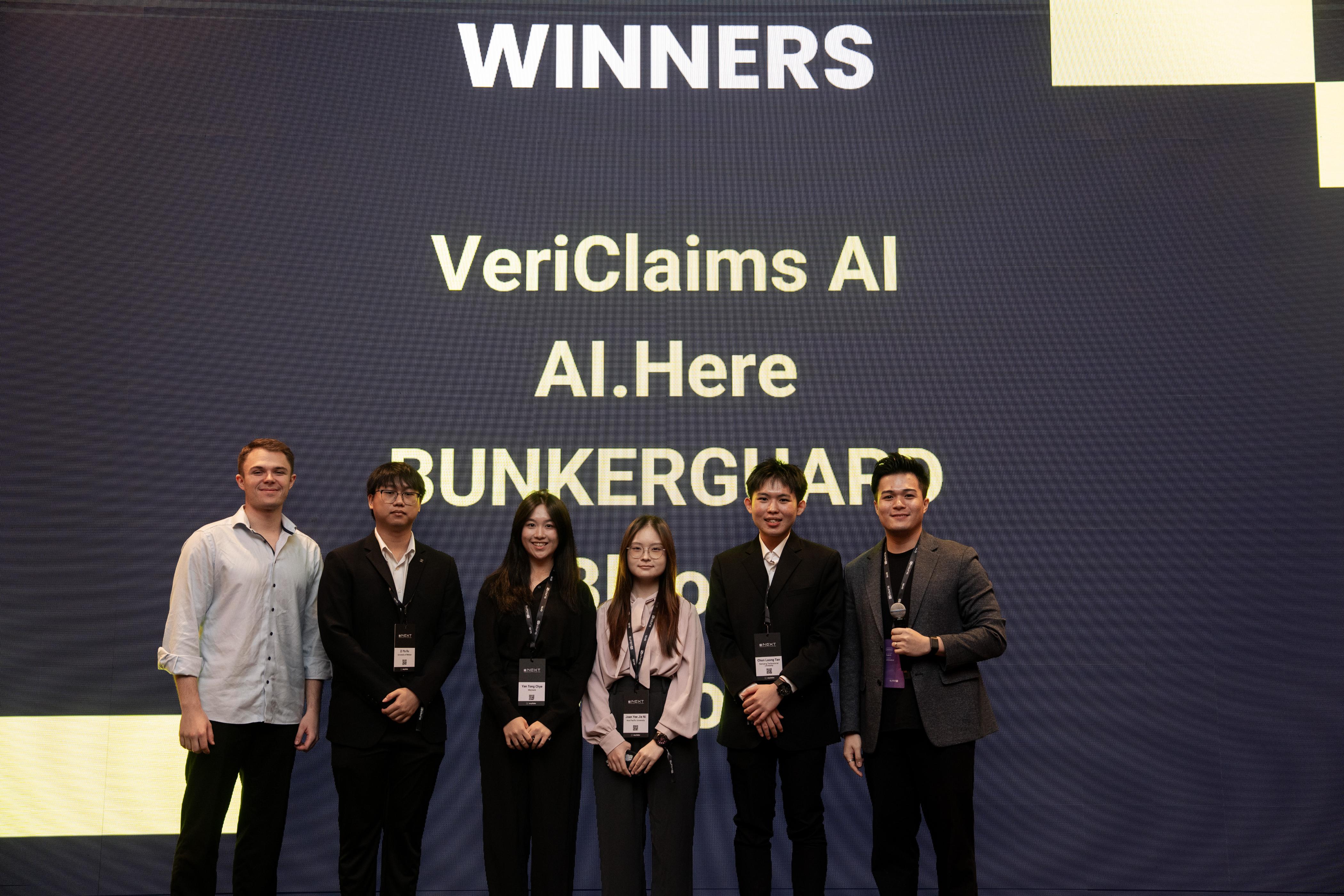
That moment was surreal.
The next challenge came immediately: preparing for the stage presentation. Speaking in front of a large international audience was far outside my comfort zone. The room was filled with people from different countries, backgrounds, and industries. Before going on stage, my teammates and I were still encouraging one another and trying to calm our nerves.
Once we stepped onto the stage, there was no time left to overthink. We simply had to deliver.
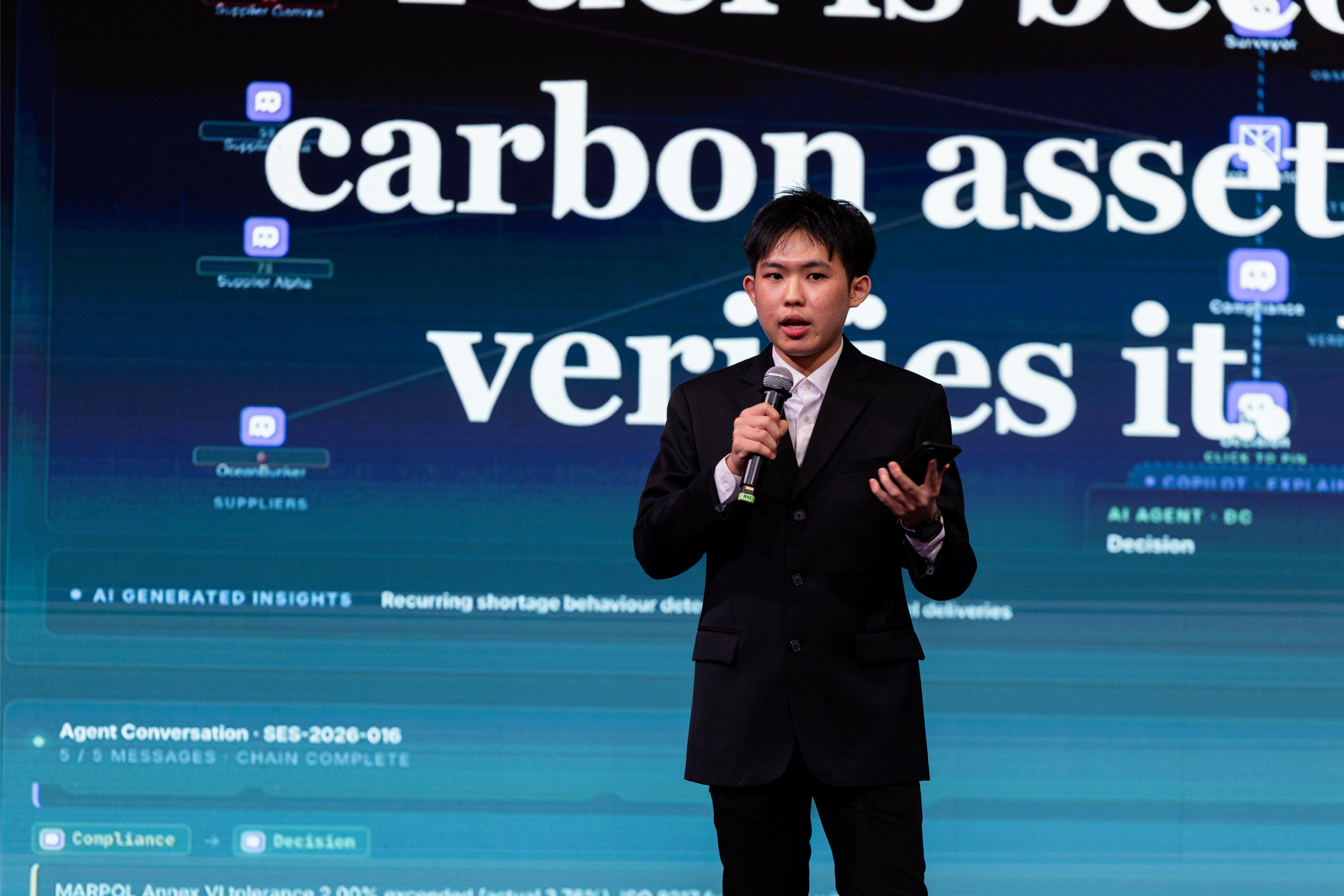
For our pitch, we did not open with technical specifications. We opened with a story: a 3 a.m. bunkering scene at the Singapore anchorage, where a ship pays for 500 tonnes of fuel but may receive less than that. That story helped the audience immediately understand the problem. From there, we explained how BunkerGuard could verify fuel delivery data, detect risk, and generate an evidence-backed decision before sign-off.
That was another important lesson: technology determines whether a product can be built, but story determines whether people remember it.
After the presentation ended, the applause brought me back to reality. We had done it.
Looking back, what makes the experience even more meaningful is that this was my first ever AI hackathon. Coming from a background in applied physics and quantum technology, I am used to thinking about theory, models, and technical systems. But this hackathon pushed me to think beyond the classroom: Who is the user? What is the industry pain point? Why now? How does this become a product? Why would someone pay for it?
This is also where my experience at NTU and SPMS has played an important role. SPMS has given me a strong foundation in scientific thinking, but also the confidence to explore across disciplines. Many of my academic interests sit at the intersection of quantum technology, AI, sustainability, and real-world impact. Through coursework, research exposure, and conversations with professors and peers, I have learned that theory does not have to stay isolated from application.
I have also been grateful for the support and openness within the school. Whether it is joining competitions, exploring independent initiatives, or seeking advice from professors across different fields, I have found people who are willing to listen, guide, and encourage students to try. Even when an idea crosses beyond physics into engineering, AI, or industry applications, that curiosity is often welcomed.
For me, BunkerGuard was not just a hackathon project. It was a reminder that scientific training can be applied in unexpected places. A student trained in quantum technology can still contribute to maritime AI. A niche industry problem can become the foundation for a strong product story. And sometimes, the projects that seem the least obvious are exactly the ones that stand out.
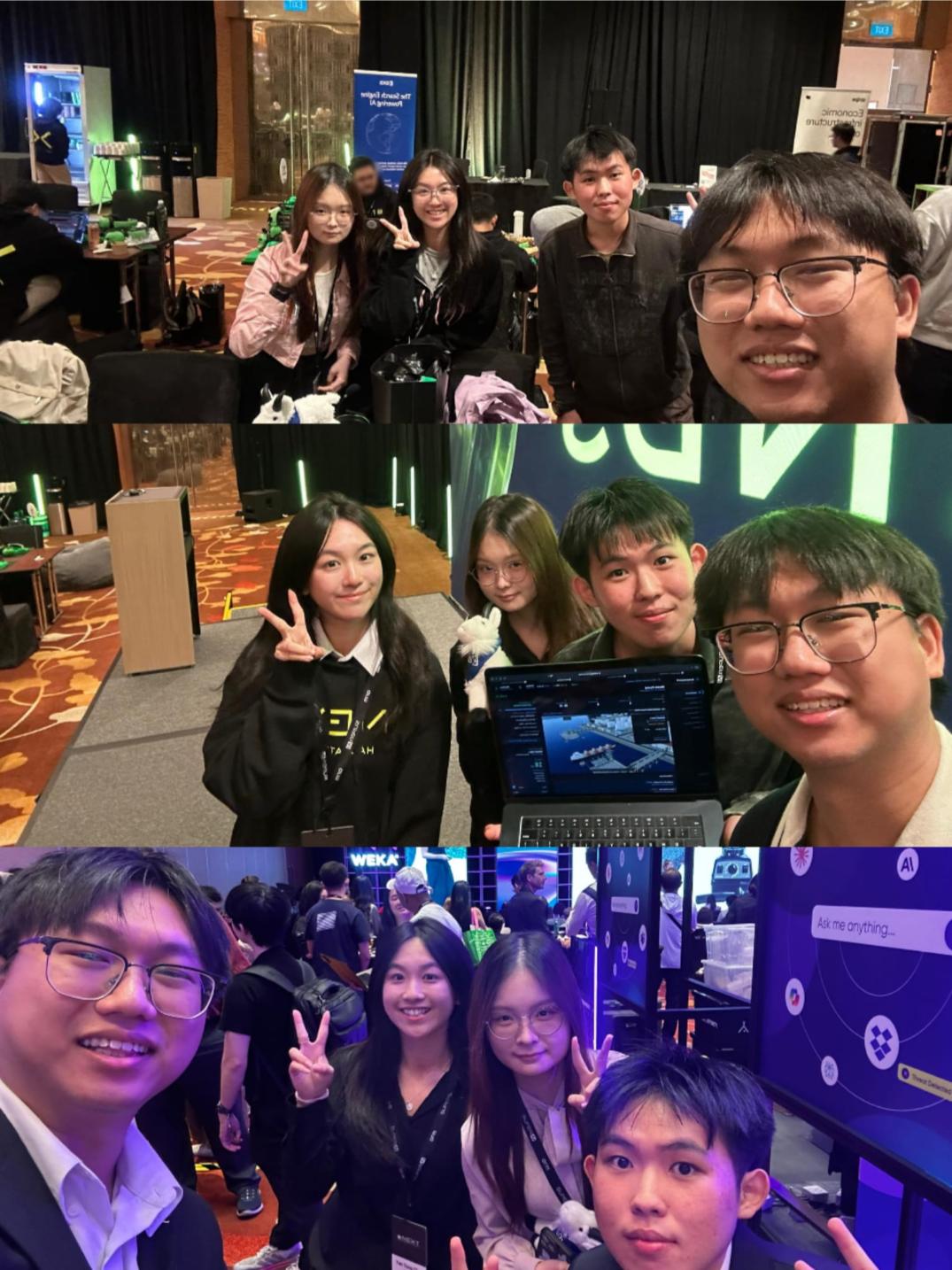
If I had to summarise my three biggest takeaways, they would be these:
First, do not always chase the trendy track. In a world where many people build similar AI products, being different can be an advantage. We chose marine fuel fraud because it was niche, specific, and commercially meaningful.
Second, play to each team member’s strengths. In a hackathon, time is limited. Clear ownership and trust within the team matter more than trying to do everything together.
Third, story beats technology. A strong technical system is important, but judges and audiences remember the problem, the narrative, and the reason why the solution matters.
BunkerGuard began as a small idea from a weekend observation. It became a 36-hour sprint, a Top 5 finish at SuperAI NEXT Hackathon, and an unforgettable first AI hackathon experience.
More importantly, it showed me that the bridge between theory and real-world application is not something far away. Sometimes, it starts with curiosity, a good team, and the willingness to build something unusual.
My First AI Hackathon Journey with BunkerGuard
As a second-year Applied Physics student at NTU majoring in Quantum Technology, with a growing interest in how quantum computing and AI could actually solve real-world sustainability problems, I chanced upon the SuperAI NEXT Hackathon almost by accident.
When I first came across the SuperAI NEXT Hackathon, I did not expect much.
It felt almost accidental. I saw the competition, read that it would bring together selected AI builders from around the world, and thought it would be a good learning opportunity. Since the hackathon was highly competitive, with only a limited number of builders selected, I honestly did not think our chances of getting in were very high.
Still, I reached out to a few previous teammates, people I'd worked with before and simply clicked with. It wasn't just that we'd collaborated well on past projects; it was the chemistry, the way we worked together, and how our skills complemented each other. Working with them never felt like it took extra effort, things just flowed! So when this came up, they were the first people I thought to ask.
A few days later, an email arrived. Our team had been accepted.
That was the first surprise.
After the initial excitement, we quickly realised that getting selected was only the beginning. We had to decide what to build. In the age of AI, it's easy to build something that looks impressive but blends into the crowd. Everyone is building chatbots, agents, productivity tools, or generic AI assistants. We didn't want to take the easy route and chase what was trendy. Instead, we wanted to challenge ourselves: to find something different, something that pushed us out of our comfort zone.
Instead, we asked ourselves: what is a real problem, in a real industry, with real economic value but still overlooked by most people?
Since the hackathon was held in Singapore, we also wanted our project to connect meaningfully to the local context. By chance, while reading the newspaper one weekend, I came across the fact that Singapore is the world’s largest bunkering hub. That caught my attention.
Bunkering, or marine fuel delivery, may not sound like the most glamorous topic. But the more we researched it, the more we realised that it was exactly the kind of niche, high-value, industry-specific problem that could stand out in an AI hackathon.
That was how BunkerGuard AI began.
BunkerGuard AI is an AI-powered maritime fuel verification platform. It helps detect bunker delivery risks before sign-off by cross-checking fuel delivery documents, sensor data, vessel positioning, and risk intelligence. The idea is simple: in marine fuel delivery, a signed Bunker Delivery Note often becomes the basis for settlement. If the document does not match the actual fuel delivered, disputes can become difficult and expensive. Our platform aims to provide an AI-assisted trust layer before the document is signed.
Once we arrived at the hackathon venue, the scale of the event immediately hit us. The setup, atmosphere, and energy were far beyond what I had imagined. It was intense, exciting, and slightly intimidating. For a moment, I remember thinking: are we really supposed to be here?
But perhaps that was exactly what helped us focus. Surrounded by other ambitious builders, founders, and AI teams, we had no choice but to fully immerse ourselves in the 36-hour sprint.
Our team became extremely detail-oriented. We worked on the technical architecture, AI agent workflow, product structure, 3D visualisation, interface design, market analysis, business model, branding, and pitch narrative. Every part was repeatedly discussed, challenged, and refined. It felt as if we had squeezed our brains dry several times over.
At the same time, what made the process work was that each of us owned a clear lane. Instead of everyone crowding around the same part of the project, we split the work according to our strengths. Some focused on engineering and the AI system. Some focused on design and user experience. Some worked on product strategy and business framing. Others polished the pitch and storytelling.
That became one of the biggest lessons I took away from the hackathon: in a short sprint, teamwork is not about everyone doing the same thing together. It is about each person taking responsibility for one part, and polishing it until it shines.
Going into the final judging, we were not expecting to win. We had joined with the mindset of learning from other AI builders and observing how strong teams turn ideas into products under pressure. So when the results were announced and BunkerGuard was named one of the Top 5 teams, we were stunned.
It took a few seconds to process what had happened. We had gone from wondering whether we would even be selected, to earning the opportunity to pitch on the main SuperAI stage.
That moment was surreal.
The next challenge came immediately: preparing for the stage presentation. Speaking in front of a large international audience was far outside my comfort zone. The room was filled with people from different countries, backgrounds, and industries. Before going on stage, my teammates and I were still encouraging one another and trying to calm our nerves.
Once we stepped onto the stage, there was no time left to overthink. We simply had to deliver.
For our pitch, we did not open with technical specifications. We opened with a story: a 3 a.m. bunkering scene at the Singapore anchorage, where a ship pays for 500 tonnes of fuel but may receive less than that. That story helped the audience immediately understand the problem. From there, we explained how BunkerGuard could verify fuel delivery data, detect risk, and generate an evidence-backed decision before sign-off.
That was another important lesson: technology determines whether a product can be built, but story determines whether people remember it.
After the presentation ended, the applause brought me back to reality. We had done it.
Looking back, what makes the experience even more meaningful is that this was my first ever AI hackathon. Coming from a background in applied physics and quantum technology, I am used to thinking about theory, models, and technical systems. But this hackathon pushed me to think beyond the classroom: Who is the user? What is the industry pain point? Why now? How does this become a product? Why would someone pay for it?
This is also where my experience at NTU and SPMS has played an important role. SPMS has given me a strong foundation in scientific thinking, but also the confidence to explore across disciplines. Many of my academic interests sit at the intersection of quantum technology, AI, sustainability, and real-world impact. Through coursework, research exposure, and conversations with professors and peers, I have learned that theory does not have to stay isolated from application.
I have also been grateful for the support and openness within the school. Whether it is joining competitions, exploring independent initiatives, or seeking advice from professors across different fields, I have found people who are willing to listen, guide, and encourage students to try. Even when an idea crosses beyond physics into engineering, AI, or industry applications, that curiosity is often welcomed.
For me, BunkerGuard was not just a hackathon project. It was a reminder that scientific training can be applied in unexpected places. A student trained in quantum technology can still contribute to maritime AI. A niche industry problem can become the foundation for a strong product story. And sometimes, the projects that seem the least obvious are exactly the ones that stand out.
If I had to summarise my three biggest takeaways, they would be these:
First, do not always chase the trendy track. In a world where many people build similar AI products, being different can be an advantage. We chose marine fuel fraud because it was niche, specific, and commercially meaningful.
Second, play to each team member’s strengths. In a hackathon, time is limited. Clear ownership and trust within the team matter more than trying to do everything together.
Third, story beats technology. A strong technical system is important, but judges and audiences remember the problem, the narrative, and the reason why the solution matters.
BunkerGuard began as a small idea from a weekend observation. It became a 36-hour sprint, a Top 5 finish at SuperAI NEXT Hackathon, and an unforgettable first AI hackathon experience.
More importantly, it showed me that the bridge between theory and real-world application is not something far away. Sometimes, it starts with curiosity, a good team, and the willingness to build something unusual.