
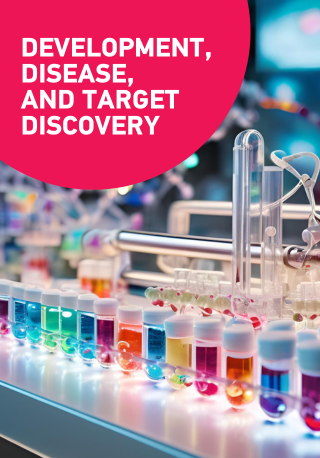
Bridging diverse areas of biomedical research, this pillar is focused on the molecular and cellular mechanisms that drive tissue development, homeostasis, and the onset of disease. Research within this pillar spans developmental biology, functional genetics, and mechanistic studies of pathogenesis, with scientists working to understand how dysregulated signaling cascades, epigenetic and gene expression changes, and protein interaction networks alter normal physiology and lead to conditions such as cancer, neurodegeneration, infectious diseases, and metabolic disorders. A key driver of these efforts is the recognition that new targets for the design of diagnostic tools and potent therapeutic agents are urgently needed, which depends on a deep understanding of how biological macromolecules orchestrate translation, expression, signaling, and core metabolic processes in both healthy and pathogenic cells. Our groups integrate developmental models with disease systems to map these processes in detail, providing new insights into the biology of disease progression and cellular maladaptation.
A distinctive strength of this pillar is its focus on translating mechanistic insights into actionable therapeutic strategies. Researchers employ medicinal and molecular chemistry approaches to identify, design, and optimize small molecules, degraders, biologics such as nucleic acids and proteins, and other therapeutic modalities as potential interventions. In addition, AI-powered platforms integrating computational chemistry, machine learning, and structural biology accelerate pre-clinical drug discovery. The interdisciplinary nature of this pillar enables the discovery of fundamental mechanisms and their application to therapeutic development, forming a strong platform for translating discoveries into new diagnostic devices as well as stimulatory and inhibitory agents.
Collaborative efforts with clinical and translational partners in Singapore and overseas ensure access to disease‑relevant models, patient‑derived data, and shared infrastructure for compound design and validation. This pillar benefits from access to chemistry and pharmacology facilities, tissue culture suites, and shared molecular characterization platforms, creating a rich environment for discovery. Through these integrated efforts, the Development, Disease, and Target Discovery pillar contributes directly to the advancement of precision medicine and the development of next‑generation therapeutics.
Pillar Experts






Grüber, Gerhard
Professor
Lee, Yi-Chen
Associate Professor
Assistant Chair (Alumni/Outreach)

Li, Hoi Yeung
Associate Professor
Director (Special Projects)

Liang, Zhao-Xun
Professor
Associate Dean (Faculty),
College of Science

Liu, Chuan Fa
Professor

Loh, Jia Tong
Assistant Professor
Mu, Yuguang
Associate Professor
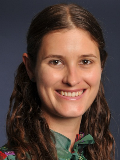
Nolan, Laura
Assistant Professor
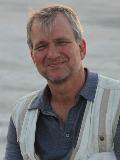
Preiser, Peter
Professor

Roca, Xavier
Associate Professor
Associate Chair (Research)

Sabapathy, Kanaga
President’s Chair Professor
Professor and Chair, School of Biological Sciences
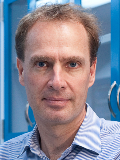
Schuster, Stephan Christoph
Professor
Research Director, Singapore Centre for Environmental Life Sciences Engineering (SCELSE)

She, Richard
Nanyang Assistant Professor
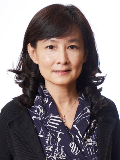
Su, I-Hsin
Late Associate Professor
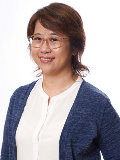
Sze, Chun Chau
Principal Lecturer
Assistant Chair
(Undergraduate Education)
Director, Experiential &
Collaborative Learning

Tjioe, Yan Yin
Lecturer
Assistant Director, NTU Chinese Medicine Clinic
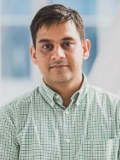
Vyas, Ajai
Associate Professor

Whitchurch, Cynthia
Professor
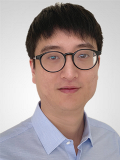
Xiao, Yufeng
Assistant Professor
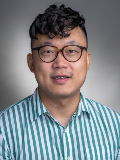
Yang, Mingxiao
Assistant Professor

Zhang, Anni
Assistant Professor

Zhao, Yan
Senior Lecturer
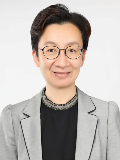
Zhong, Linda
Associate Professor
Director, Biomedical Sciences
and Chinese Medicine

Zhu, Guanhua
Lecturer