
A novel DNA repair mechanism
The mechanism may help physicians understand why some cancers become resistant to treatment.
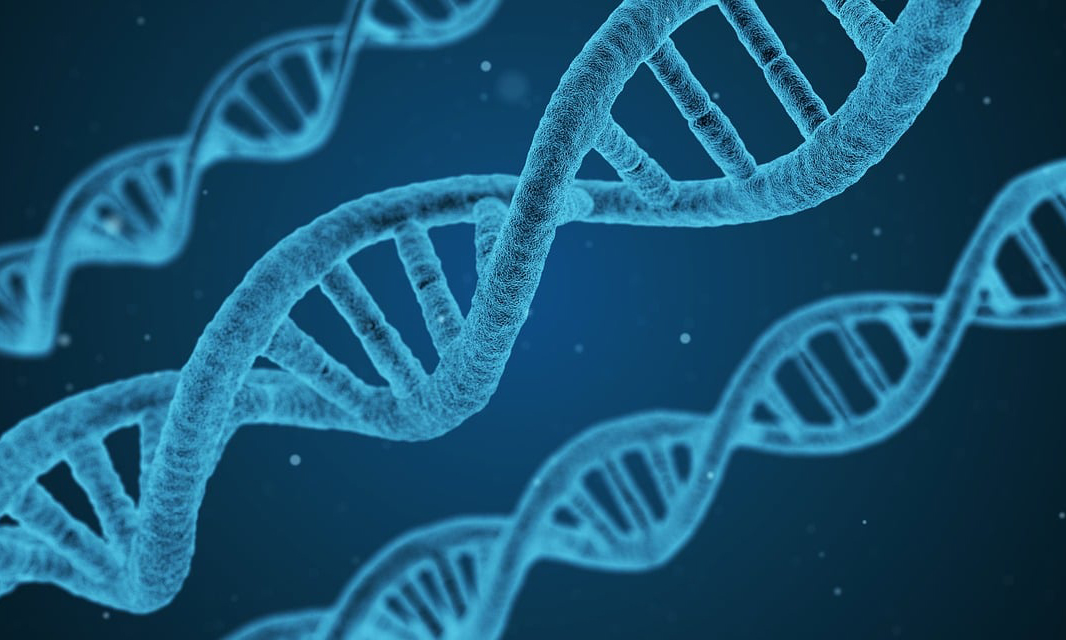 Scientists at NTU and the University of Oxford have discovered a new pathway for cells to repair DNA damage, which is especially relevant for colorectal cancer patients undergoing chemotherapy treatment.
The study, led by Prof Kristijan Ramadan, the Toh Kian Chui Distinguished Professor in Cancer and Stem Cell Biology, and Director of the Cancer Discovery and Regenerative Medicine Programme at NTU’s Lee Kong Chian School of Medicine, could help physicians understand why some cancers resist treatment, paving the way for more effective therapies in the future.
Termed nucleophagy, the process removes harmful DNA-protein crosslinks from a cell’s nucleus, ensuring that its genetic material remains stable.
In a patient receiving chemotherapy for colorectal cancer, the drugs cause DNA lesions to form. In response, the cell expresses TEX264 – a protein that activates nucleophagy and sends the lesions to the cell’s waste disposal system to be broken down.
The researchers found that colorectal cancer patients with high levels of TEX264 expression in cancer cells had a 50% better response to cancer treatment. Their results suggest that TEX264 reduces additional genomic instability induced by chemotherapy and prevents colorectal tumours from acquiring new DNA mutations that drive cancer progression.
Read more about the research in “TEX264 drives selective autophagy of DNA lesions to promote DNA repair and cell survival”, published in Cell(2024), DOI: 10.1016/j.cell.2024.08.020.
The article appeared first in NTU's research & innovation magazine Pushing Frontiers (issue #25, August 2025).
.tmb-listing.jpg?sfvrsn=8d60272d_1)

.tmb-listing.jpg?sfvrsn=43b583b8_2)
.tmb-listing.jpg?sfvrsn=5b527752_2)
.tmb-listing.jpg?sfvrsn=6307022a_2)