Method of Transmitting Information in OTFS-Based SCMA System With Coordinated Multipoint
Synopsis
An orthogonal time frequency space (OTFS)-based sparse code multiple access (SCMA) coordinated multi-point (CoMP) framework that exploits dual-sided Doppler diversity and spatial diversity, together with a customized Gaussian approximation with expectation propagation (GAEP) detector are proposed, to significantly enhance multi-user uplink and downlink performance over existing solutions.
Opportunity
The emerging 6G high-mobility wireless scenarios, such as high-speed railways, UAV networks, and LEO satellite communications, introduce severe Doppler shifts and rapidly time-varying channels, which fundamentally undermine the orthogonality of conventional orthogonal frequency division multiplexing (OFDM) systems. This results in pronounced inter-carrier interference (ICI) and significant performance degradation. While orthogonal time frequency space (OTFS) modulation has been recognized as a promising solution by transforming the doubly selective channel into a quasi-static and sparse representation in the delay–Doppler domain, existing extensions to multi-user access, non-orthogonal multiple access (NOMA), and multiple-input multiple-output (MIMO) systems remain largely confined to co-located antenna architectures. Such designs inherently limit the exploitation of spatial diversity and are insufficient to combat the compounded effects of high mobility, multi-user interference, and channel non-stationarity, particularly in large-scale and heterogeneous network deployments.
To address these challenges, we propose an integrated framework that combines OTFS-based NOMA with distributed antenna systems under a coordinated multi-point (CoMP) architecture. By leveraging geographically separated antennas, the proposed scheme effectively harnesses distributed spatial diversity, while OTFS modulation enables robust handling of Doppler-induced channel variations through delay–Doppler sparsity. The incorporation of NOMA further enhances spectral efficiency by allowing multiple users to share the same resources via power-domain multiplexing. Moreover, the CoMP framework facilitates joint transmission and reception across distributed nodes, enabling efficient interference mitigation and cooperative signal processing. As a result, the proposed system achieves dual-sided gains in both Doppler and spatial domains, significantly improving reliability, coverage, and capacity for massive high-mobility communications in next-generation wireless networks.
Technology
An orthogonal time frequency space (OTFS)-based sparse code multiple access (SCMA) coordinated multi-point (CoMP) framework has been proposed, where grouped mobile users are simultaneously served by the remote radio heads (RRHs) in front of and behind them (shown in the Fig. 1 as below), thereby exploiting opposite Doppler shifts to harvest additional Doppler and spatial diversity. To enable efficient multi-user detection, a customized Gaussian approximation with expectation propagation (GAEP) algorithm is developed, along with centralized and decentralized receiver structures for the uplink. The proposed architecture and detector are further extended to the downlink, achieving enhanced interference mitigation and overall performance.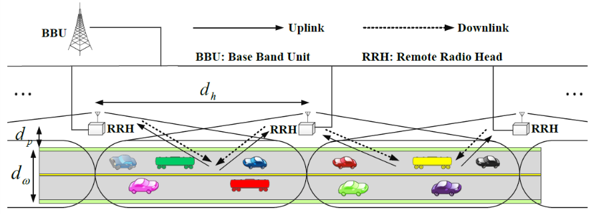
Figure 1: Proposed OTFS-based SCMA with CoMP systems.
Applications & Advantages
- The proposed schemes are expected to support mobile connectivity, and provide high speed and ultra-reliable communications for a wide range of emerging mobile applications, including online gaming, high-speed railway systems, and vehicle-to-everything (V2X) networks.
- The proposed OTFS-based SCMA CoMP framework can naturally harvest sufficient diversity specially coming from both the delay, Doppler and spatial domains, which can achieve better average bit error rate (ABER) performance than the existing solutions such as co-located RRHs and traditional cellular networks, as well as their OFDM-based SCMA (OFDM-SCMA) counterparts for high-mobility communications.
- The proposed GAEP detectors are effective for both uplink and downlink communications and outperform existing detector algorithms.




.tmb-listing.jpg?sfvrsn=462ec612_2)