From credit to culture: Why learning can’t just be incentivised
By Kang Yang Trevor Yu
Singapore has spent nearly a decade making learning affordable. The next challenge is to make it a habit.
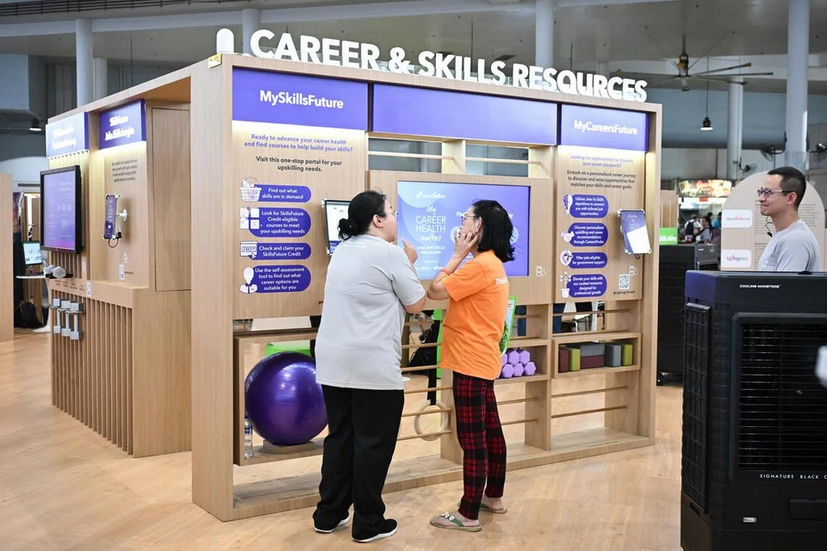
As at June, more than 70 per cent of Singaporeans have yet to use their SkillsFuture Credit top-up that expires at the end of 2025. According to SkillsFuture Singapore (SSG), only around 28 per cent of eligible citizens had tapped the one-off $500 credit within six months of its launch.
These figures are striking not because they signal policy failure, but because they highlight a deeper challenge: the difference between incentivising learning and cultivating a culture of learning. Singapore has made great strides in lowering barriers and offering opportunities. The next step is to make learning feel natural, personal and continuous.
Incentives and culture are not the same
Incentives work by prompting action: they lower costs, signal importance, and make it easier for people to take that first step. Singapore’s SkillsFuture Credit is a powerful example of this logic. It gives every adult a tangible reason to learn — a starting point for exploration and growth.
A culture of learning, however, operates on a different level. It depends not just on financial nudges, but on motives, meaning and mindset. It thrives when learning becomes a way of life, not a one-time act. A true learning culture is self-sustaining: people learn not because they are told to, but because they want to.
The barriers to creating such a culture are often overlooked. Many adults struggle to balance learning with work and caregiving, or feel uncertain about which course is right for them. Younger adults may see learning as something that happens only in school, while older adults may feel anxious about returning to formal education. These realities remind us that incentives alone are only the start. They open the door, but it takes culture — workplace norms, peer encouragement, personal curiosity — to keep people walking through it and coming back.
Building a learning culture
To deepen Singapore’s learning culture, three shifts are essential.
First, we must reframe the narrative around learning. Instead of positioning it as a means to an end, we should emphasise learning as a lifelong journey — one that enriches identity and purpose. The aspiration should not just be “learn because you must”, but “learn because life is richer when you do”.
Second, workplaces must play a stronger role. Learning should not be seen as something separate from work, but integrated into it. Employers can support this by recognising learning time, rewarding skill development, and aligning training with career progression. When learning is embedded in daily work, it becomes normal rather than exceptional.
Third, communities matter. Learning flourishes when it is social. Peer groups, mentoring networks and community-based programmes can make learning less intimidating and more meaningful. Seeing others learn — especially people like oneself — reinforces the belief that learning is possible and valuable at every stage of life.
Why it matters
Singapore’s economic success has long rested on its ability to adapt fast and stay ahead. But in a world of rapid technological change and longer working lives, adaptation cannot be episodic. It must be continuous.
Incentives create opportunity; culture creates endurance. A society that learns only when subsidised will remain efficient but fragile. A society that learns because it is curious and confident will remain resilient and inventive.
The real question is not how much credit we provide, but how deeply learning is woven into everyday life. When learning becomes part of daily identity — in workplaces, communities and families — incentives become less necessary, and growth becomes more sustainable.
The future of learning is not just about subsidies, but about shaping beliefs and behaviours so that learning feels like home.
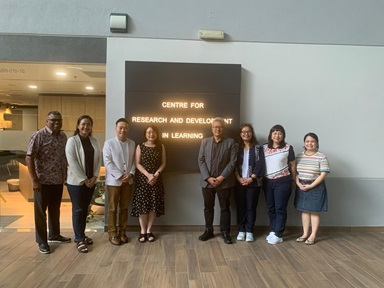
Kang Yang Trevor Yu is associate professor at Nanyang Business School and co-director of the NTU Centre for Research and Development in Learning.
Nanyang Technological University.
5b8ba450-62cf-4a13-bbe5-8fb1688bf5c9.tmb-listing.png?sfvrsn=4431e8b1_2)
_202106240d5b7f5a-54ec-4906-80c5-fce2c7da5943.tmb-listing.png?sfvrsn=8928c0f1_2)