Welcome to the Wee Kim Wee School of Communication and Information
Established in 1992, the Wee Kim Wee School of Communication and Information (WKWSCI) is the only full-fledged communication school in Singapore and is a world-class centre of excellence with an international faculty, state-of-the-art research laboratories, and global institutional affiliations.
Our outstanding faculty and talented students have been recognised across the world for their impactful, academic and creative works that contribute to knowledge, theory, and society.

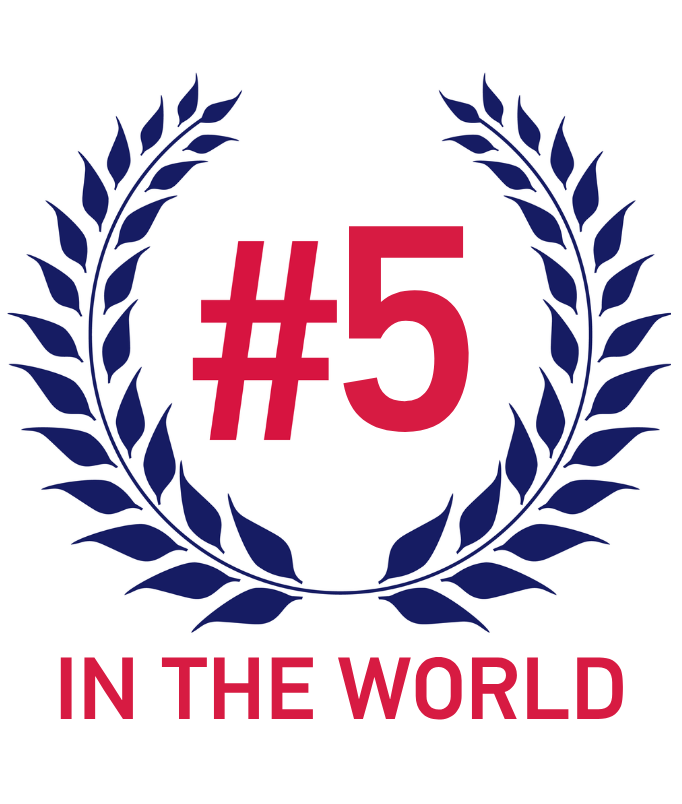
in the 2026 QS World University
Rankings by Subject
for Communication & Media Studies

in the 2026 QS World University
Rankings by Subject
for Communication & Media Studies
in the 2026 QS World University
Rankings by Subject
for Library & Information Management
in the 2026 QS World University
Rankings by Subject
for Library & Information Management
About Us
Get to know us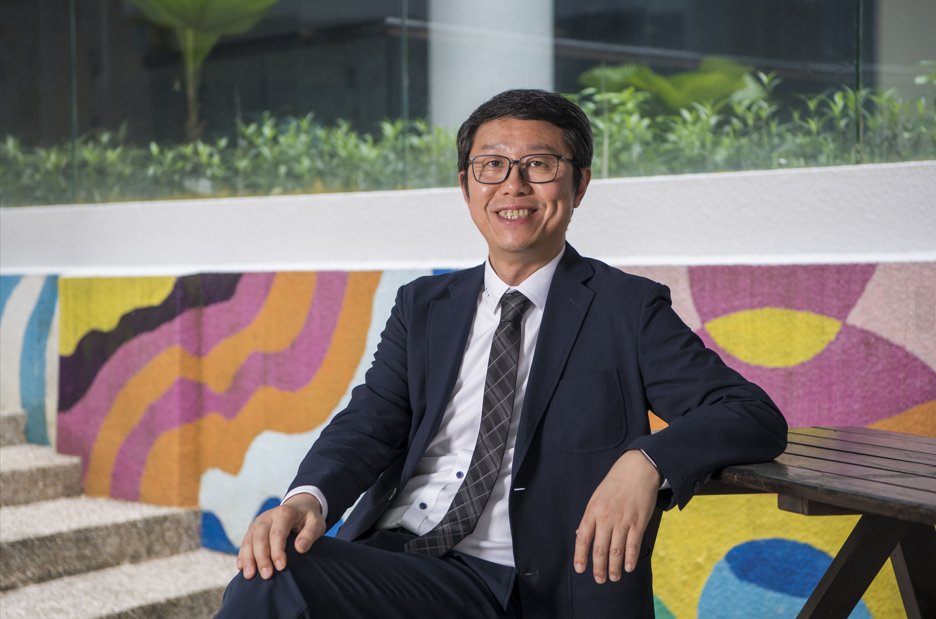
Chair's Message
At WKWSCI, we are constantly adapting our curriculum to explore, examine and address the complex challenges of our time.

Our People
"Who are, who are, who are we?"
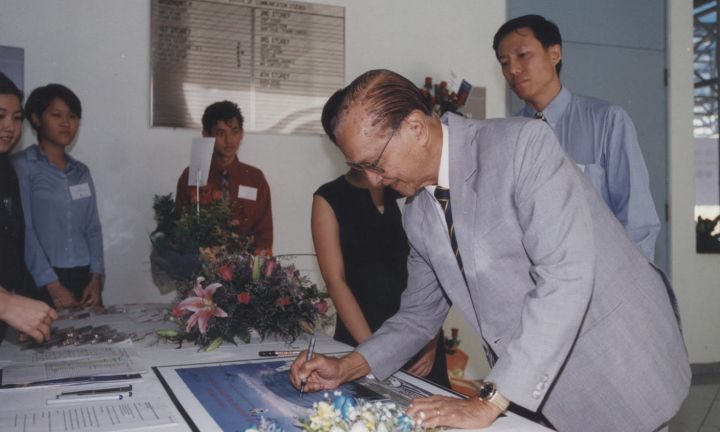
Our History
Years of tradition. Equipped for the future. Find out more about the history of Wee Kim Wee School of Communication and Information.

Giving
Help us, help others. Contributions to the WKWSCI Endowment Fund are vital to the School’s continued success and growth.
Our Programmes
See all programmes

Our Research
Find out moreWKWSCI stewards an in-depth focus in research, generating empirical and humanistic analyses of communication topics and policy issues important not just to Singapore, but to the region and the world. With a talented team of faculty and research staff, the School undertakes a broad range of interdisciplinary research that spans across the diverse fields of communication and information.

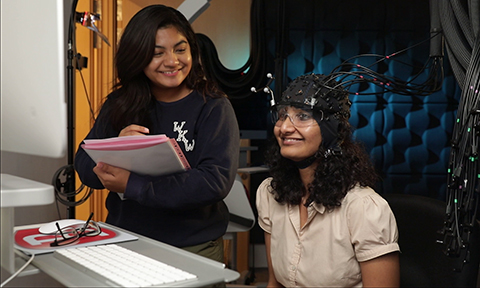
AI Research
Unlocking the Future: Advancing Human Potential Through AI Research

AI Research
Our research examines how smartphones, apps, 5G/6G networks, the Internet of Things, AI, and virtual interactions are transforming everyday life. We explore their impact on digital health, inclusion, participation, governance, trust, social cohesion, and the ways people move and connect in an increasingly digital world.
Find out more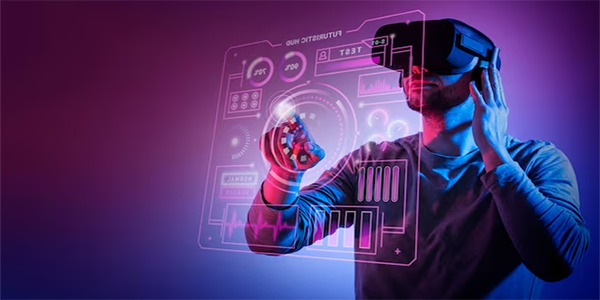
Driving AI Progress: Grants and Funding
Fueling the Future: Grants Empowering AI Advancements
Find out moreOur Alumni
Find out moreConnect, celebrate, collaborate.
With over 30 years of nurturing and developing media professionals, our alumni network extends far beyond the shores of Singapore.
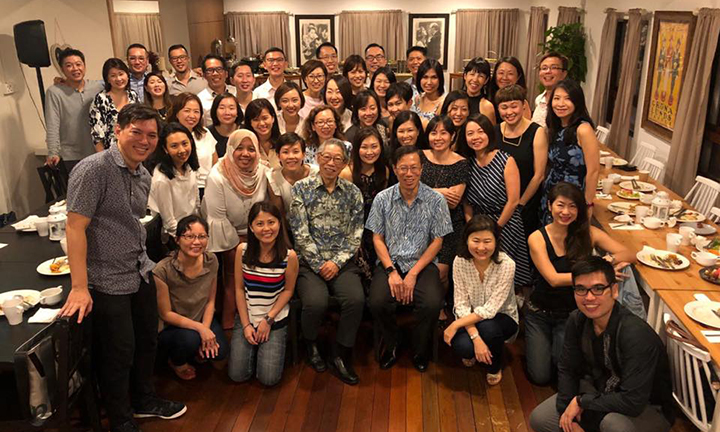
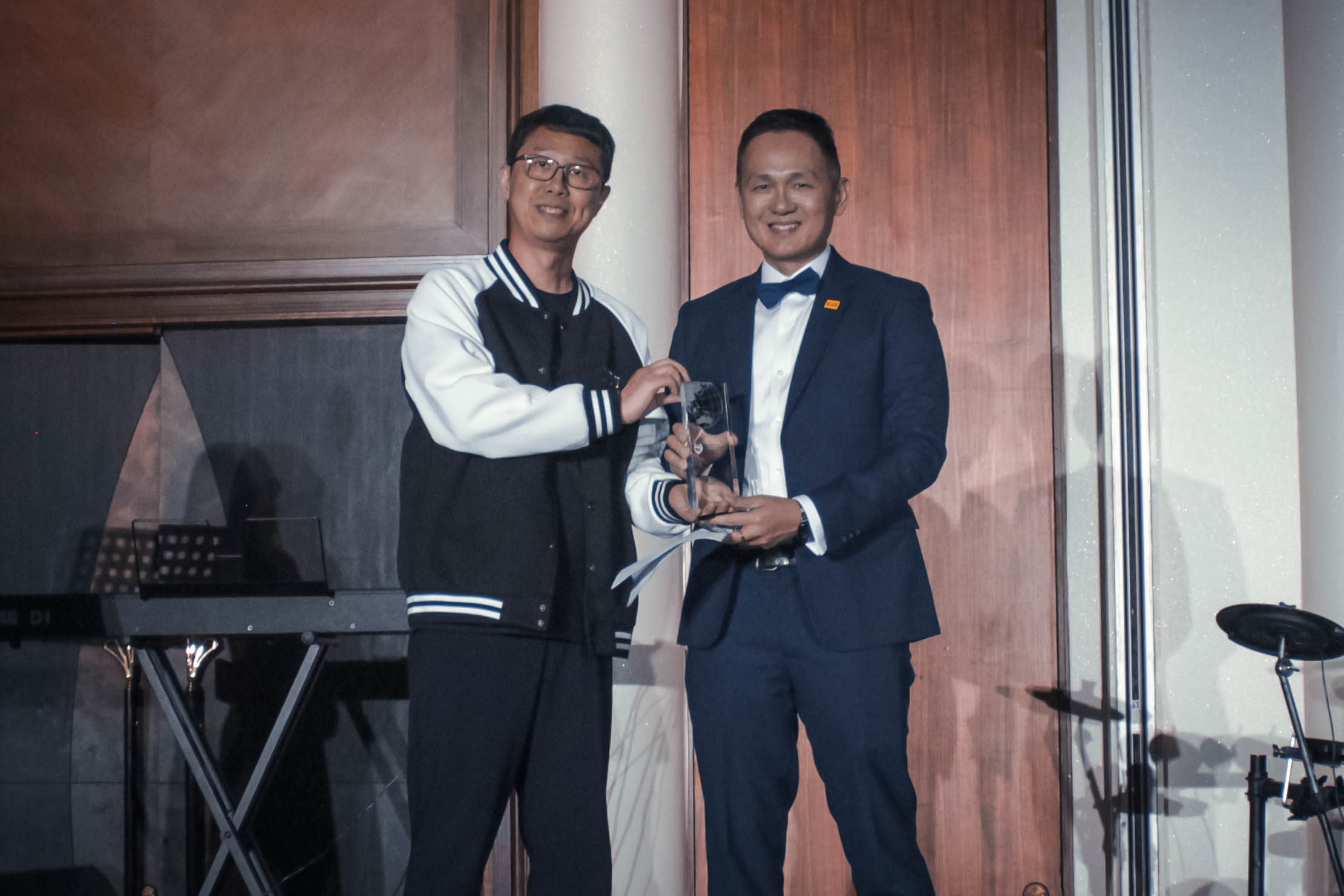
WKWSCI Alumni Awards
The Alumni Awards aims to recognise and showcase the quality work, creativity and spirit of excellence from our students and alumni in the dynamic field of communication and information.
WKWSCI Advisory Board
The WKWSCI Advisory Board (AB) is a committed partner with the school in delivering its mission.

WKWSCI Alumni Association
The WKWSCI Alumni Association (AA) was established to strengthen ties within our alumni community and foster lifelong engagement with the School.
Our News
Read all newsMeet Associate Professor Saifuddin Ahmed at WKWSCI
At the intersection of media, technology, and politics, Associate Professor Saifuddin Ahmed investigates how communication shapes public opinion and democratic life. His academic journey began in India, where he trained in mass communication and media production, before completing his master’s at Nanyang Technological University. He later earned a PhD in Communication from the University of California, Davis, grounding himself in political communication, public opinion, and computational and experimental research methods.
For Associate Professor Saif, WKWSCI offered the perfect home. “The School is uniquely positioned at the intersection of theory, method, and real-world relevance,” he shares. “It emphasises rigorous scholarship that speaks to societal challenges, particularly in Asia, and this alignment between global research excellence and real-world impact made WKWSCI a natural fit.”
Bringing Research into the Classroom
What excites him most about teaching is working with students who are deeply curious and eager to understand how communication technologies shape power, participation, and inequality. By integrating cutting-edge research on misinformation and political engagement into his teaching, he helps students connect theory with real-world challenges.
Mentoring is equally rewarding. Many of Associate Professor Saif’s publications are co-authored with students and research staff. “Seeing students grow into confident researchers and critical thinkers, sometimes even publishing in high-impact journals, is incredibly fulfilling,” he says. Memorable classroom moments often revolve around discussions on social media and democracy, where students apply scholarly frameworks to their everyday media experiences.
.jpg?sfvrsn=e1417586_1)
Associate Professor Saifuddin Ahmed with his students and WKWSCI Chair at the 2025 Nanyang Awards ceremony.
Research that Matters
Associate Professor Saif’s research tackles pressing global challenges. He recently led a multi-country study examining citizen engagement with political disinformation and deepfakes across the United States, Europe, and Asia. His work is also central to the Social Media and Political Engagement (SMAPE) Lab, which operates under NTU’s Centre for Information Integrity and the Internet (IN-Cube) and serves as a collaborative hub bringing together students, international scholars, and policy stakeholders.
Recognition of his contributions includes the Nanyang Research Award (Young Investigator), an honour that underscores the societal impact of his research. “The award motivates me to push my work further, particularly in translating research insights into public policy, media literacy initiatives, and public engagement,” he notes.
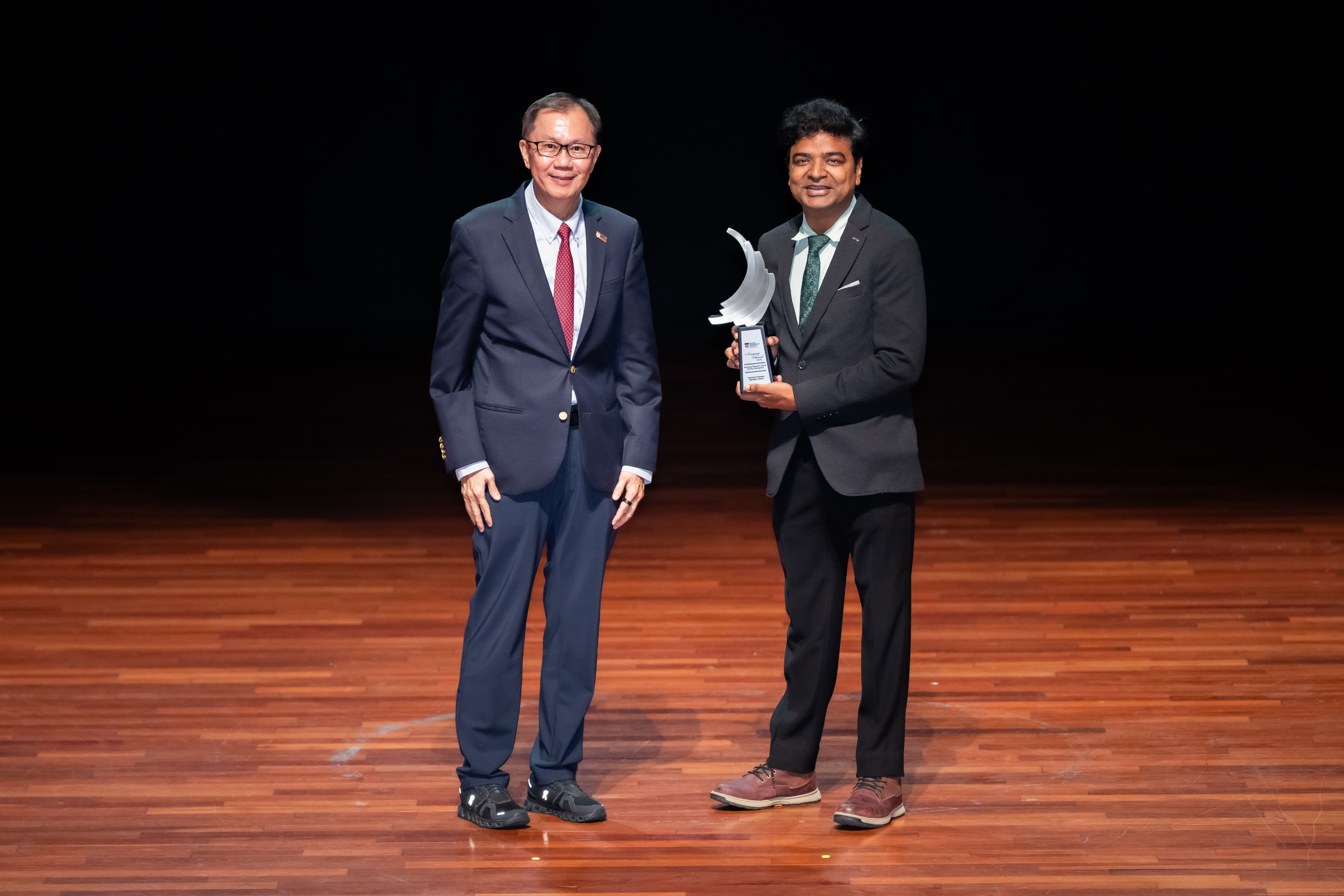
Associate Professor Saifuddin Ahmed receiving the 2025 Nanyang Research Award (Young Investigator).
Growing Together at WKWSCI
WKWSCI has been pivotal to his growth as an educator and researcher. “The School fosters a strong research culture, provides mentorship at early career stages, and encourages interdisciplinary collaboration,” he reflects. This supportive environment has allowed him to establish major research programmes while integrating teaching and mentorship seamlessly into his work.
Looking ahead, Associate Professor Saif aims to expand his research on AI-generated media and democratic trust, particularly in non-Western contexts, while continuing to nurture students as independent thinkers and researchers. His ultimate goal is to contribute both to academic knowledge and to broader societal conversations around media, technology, and democracy.
- Achievements
- Faculty & Staff
- Research
5bc889a0-6391-497f-9e72-0043fdbc6ccf.tmb-listing.png?sfvrsn=e8c28e6b_1 "Knowledge Management EDM (Instagram Post)")
2c16d72e-6c30-4ae5-8413-7b273dd09f7b.tmb-listing.png?sfvrsn=b9807b04_1 "Knowledge Management EDM (Instagram Post)")
-(1)acd1f4e6296c4630a42a11f8cae06d51.tmb-listing.png?sfvrsn=94bdb287_2 "Knowledge Management webinar - Brenda Lee")


-(1).tmb-listing.png?sfvrsn=86f90623_2 "Knowledge Management EDM (Instagram Post) (1)")

.tmb-listing.png?sfvrsn=40347725_2 "Thumbnail (800x600 px)")