
Minds over machines: NTU shines as sole Asian university with dual honourees on MIT Technology Review’s 2026 ‘Innovators Under 35’ list
Asst Prof Aditya Nair and Asst Prof Zhang Mengmi exemplify NTU’s cutting-edge leadership at the intersection of artificial intelligence, neuroscience, and human health.
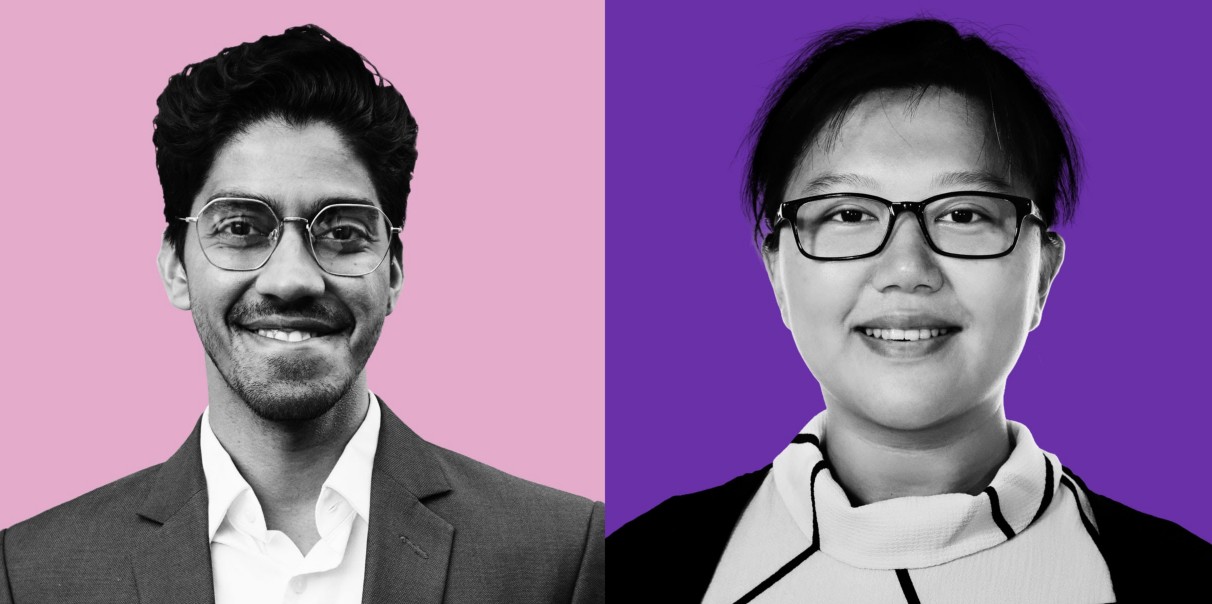
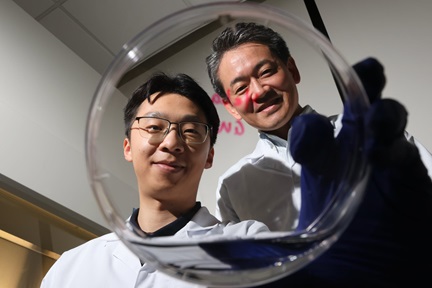
Asst Prof Aditya Nair (left) and Asst Prof Zhang Mengmi. Credit: MIT Technology Review
In the recently-unveiled prestigious MIT Technology Review 2026 Innovators Under 35 (TR35) list, Nanyang Technological University, Singapore (NTU) has achieved a major international distinction. NTU is the only Southeast Asian and Singaporean academic institution featured in the list, and also the only university in Asia to have two faculty members honoured in this global cohort.
The annual MIT Technology Review TR35 list recognises exceptionally talented young innovators whose work holds profound promise for shaping the future of technology, medicine, and industry. Past honourees include big tech names like Instagram's Kevin Systrom, Spotify's Daniel Ek, and AMD's Lisa Su.
The two NTU honourees - Asst Prof Aditya Nair from the Lee Kong Chian School of Medicine (LKCMedicine) and Asst Prof Zhang Mengmi from the College of Computing and Data Science (CCDS) - are redefining what is possible by converging artificial intelligence (AI) with computational neuroscience, tackling problems from the diagnosis of neuropsychiatric disorders to overcoming fundamental bottlenecks in machine learning.
Decoding Brain’s Inner Landscape: Asst Prof Aditya Nair on Objective Mental Health
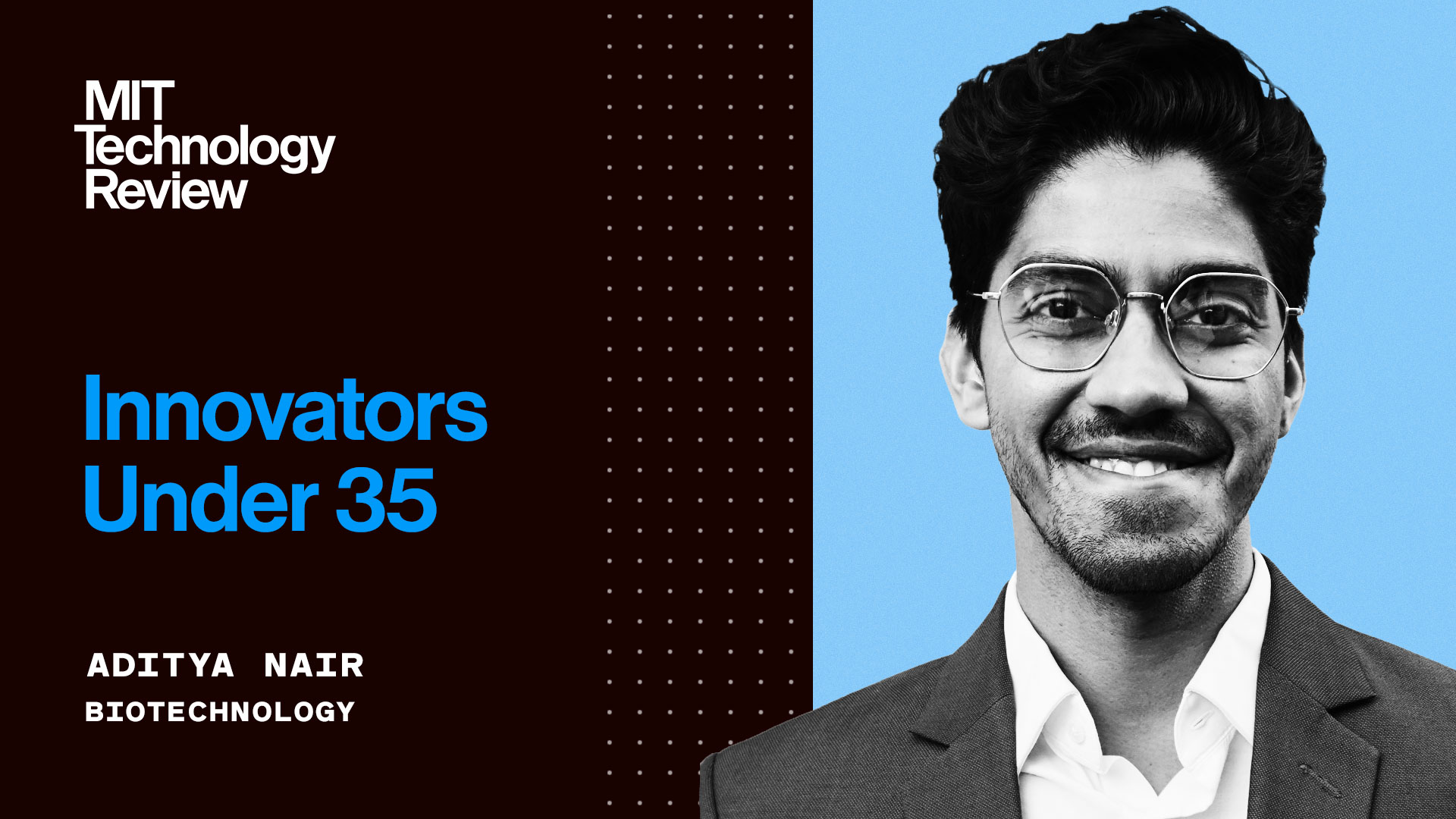
Asst Prof Aditya Nair. Credit: MIT Technology Review
For decades, psychiatry and clinical neurology have faced an enduring hurdle. Diagnosing and understanding mental health conditions has relied almost entirely on subjective self-reporting and behavioural questionnaires. Asst Prof Nair, 30, is working to break down this hurdle.
By applying principles from theoretical physics and machine learning to neural circuit recordings, the Nanyang Assistant Professor of Neuroscience and AI at LKCMedicine investigates how complex internal emotional states, such as fear and persistent mood, are physically generated by the brain.
Asst Prof Nair said: “We are trying to look at the brain through a very different lens, applying principles from physics and AI to understand how emotions emerge from the brain. To have this work recognised by the global scientific community tells me we are on the right path to pursue ideas that can potentially reshape how we think about mental health. It’s motivation not just for me, but for my entire team, that our work has the promise to truly make a difference.”
Teaching AI to ‘See Like Us’: Asst Prof Zhang Mengmi on Human-Inspired Vision
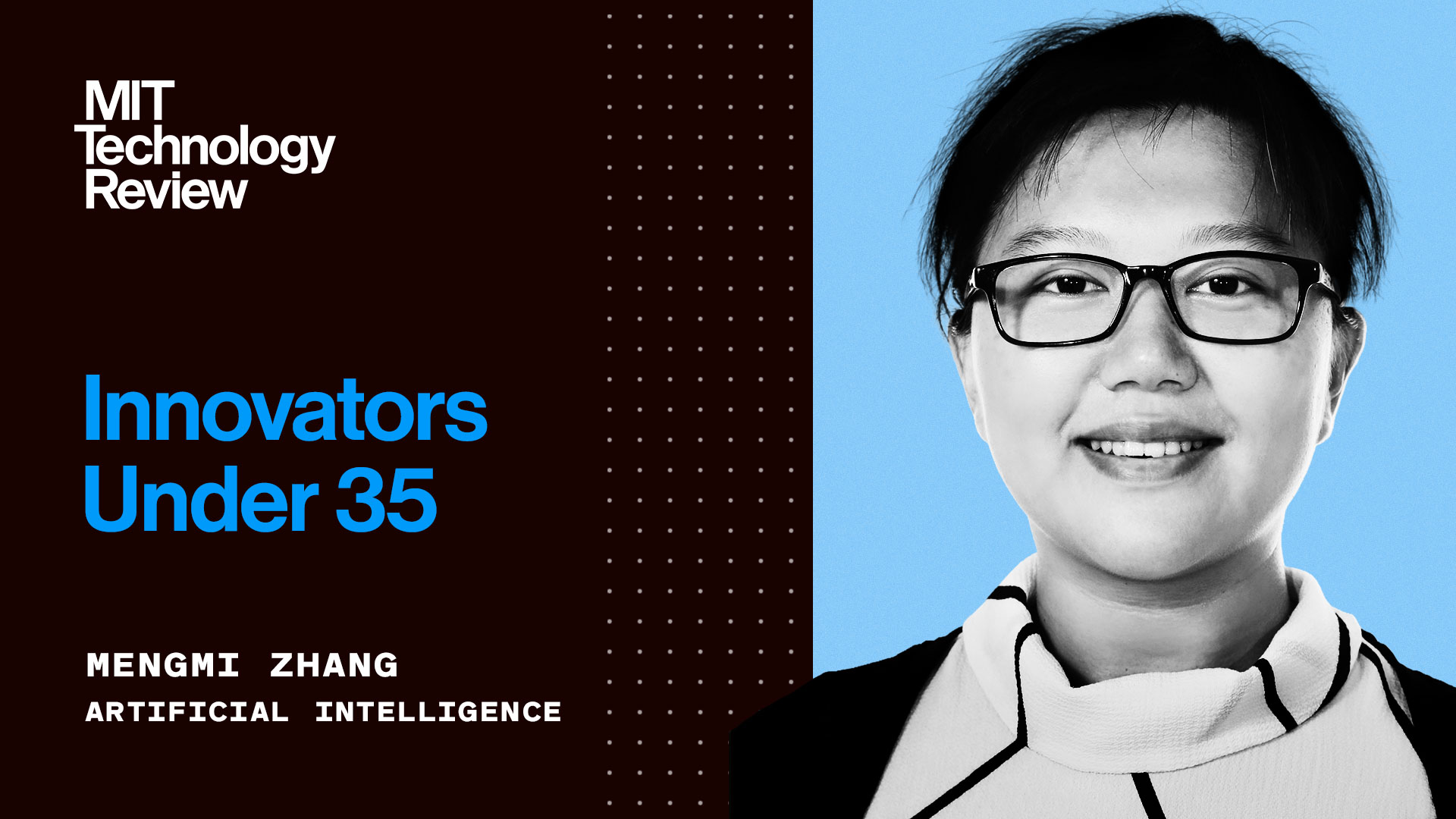
Asst Prof Zhang Mengmi. Credit: MIT Technology Review
Modern computer vision algorithms might be able to identify objects and faces with lightning speed, but they do not truly see. Confronted with unfamiliar viewpoints, anomalous settings, or visual noise, even state-of-the-art vision AI models often stumble.
Asst Prof Zhang Mengmi, 34, who leads the Deep NeuroCognition Lab at CCDS, is tackling this bottleneck by teaching AI to observe, explore, and reason through scenes the way humans do.
Asst Prof Zhang, who is also the Angela Goh Career Development Professor in Computer Science and Engineering, said: “Being named to MIT Technology Review’s global Innovators Under 35 list is an incredible honour. To me, it is not only recognition of individual achievements, but also recognition of a research direction I have believed in for many years: that understanding biological intelligence can help us build better AI.”
A Vanguard of Global AI Excellence
NTU’s twin accolades on MIT Technology Review’s TR35 list reflect the University’s growing stature as an international powerhouse in artificial intelligence and foundational deep tech.Rather than treating AI as an isolated software discipline, NTU deliberately cultivates a collaborative environment where computing intersects with medicine, neuroscience, physics, and engineering. This provides fertile ground for early-career researchers, such as Asst Prof Nair and Asst Prof Zhang, to tackle grand societal challenges.
The future of AI at NTU, as demonstrated by the two recipients, is not just about computing bigger, it is about thinking deeper.
.tmb-listing.jpg?sfvrsn=8d60272d_1)