The 2025 Nobel Prize in Physiology or Medicine: Revealing the Hidden Peacekeepers of the Immune System
Prof Laurent Rénia | Lee Kong Chian School of Medicine, NTU
The 2025 Nobel Prize in Physiology or Medicine was awarded to Dr Mary E. Brunkow (Institute for Systems Biology), Dr Fred Ramsdell (Sonoma Biotherapeutics), and Prof Shimon Sakaguchi (Osaka University). They were honoured for their transformative discoveries regarding peripheral immune tolerance, essentially identifying the mechanisms that prevent our immune system from attacking our own bodies.
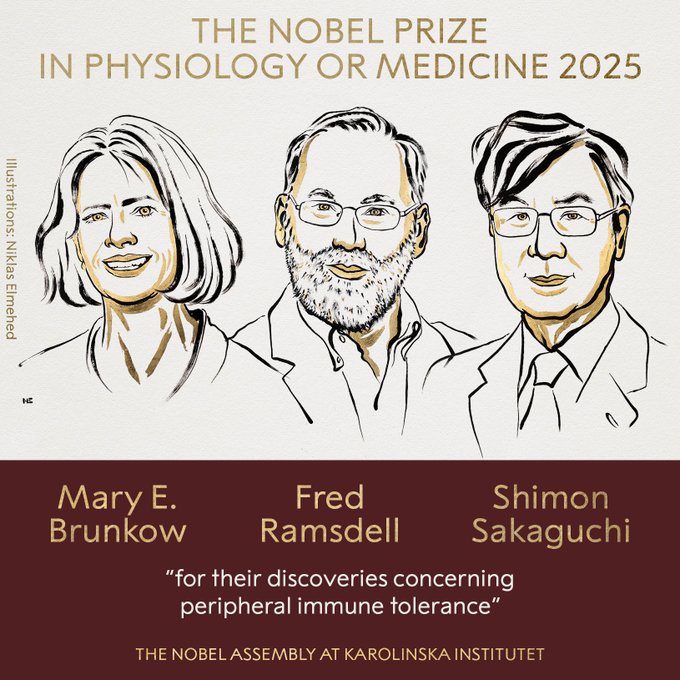 Image credit: https://www.nobelprize.org/
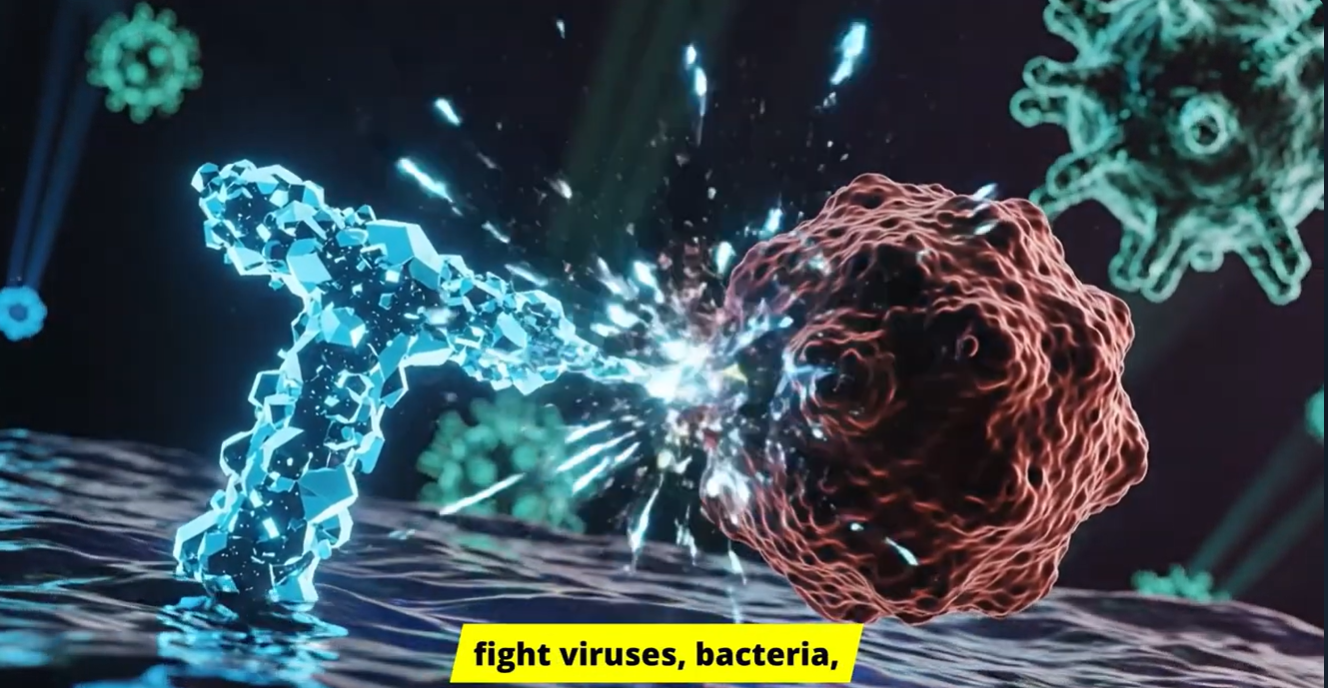
The immune system is a highly trained and efficient army whose main job is to identify, locate, and destroy pathogenic invaders like bacteria, viruses, and parasites. To do that, it possesses two major arms: antibodies that bind and neutralize pathogens, and T cells that recognise and destroy infected cells. However, this powerful army is dangerous if it cannot tell the difference between the invaders and the host (i.e., healthy organs and tissues), a failure that can lead to autoimmune diseases.
Before the laureates' work, scientists knew that the body destroys most "self-attacking" T cells in a specialised organ, the thymus, through a process called central tolerance. However, this process is not foolproof, and some self-reactive T cells always manage to escape. The 2025 Nobel winners discovered how the body manages these escapees in the periphery (the rest of the body) to prevent autoimmune diseases like multiple sclerosis, lupus, and type 1 diabetes.
The Key Discoveries
The first key discovery was made by Prof Shimon Sakaguchi in 1995 when he identified a specific group of cells called regulatory T cells (Tregs) in mice. He demonstrated that without these cells, the immune system immediately begins attacking its own organs. The next milestone came in 2001, when Dr Mary Brunkow and Dr Fred Ramsdell studied a strain of mice that died young from massive internal inflammation. They identified a mutation in a gene they called FOXP3 and discovered that this gene is the "master switch" required to create those Treg cells. These FOXP3-expressing Treg cells were subsequently identified in humans and shown to perform the same vital functions.
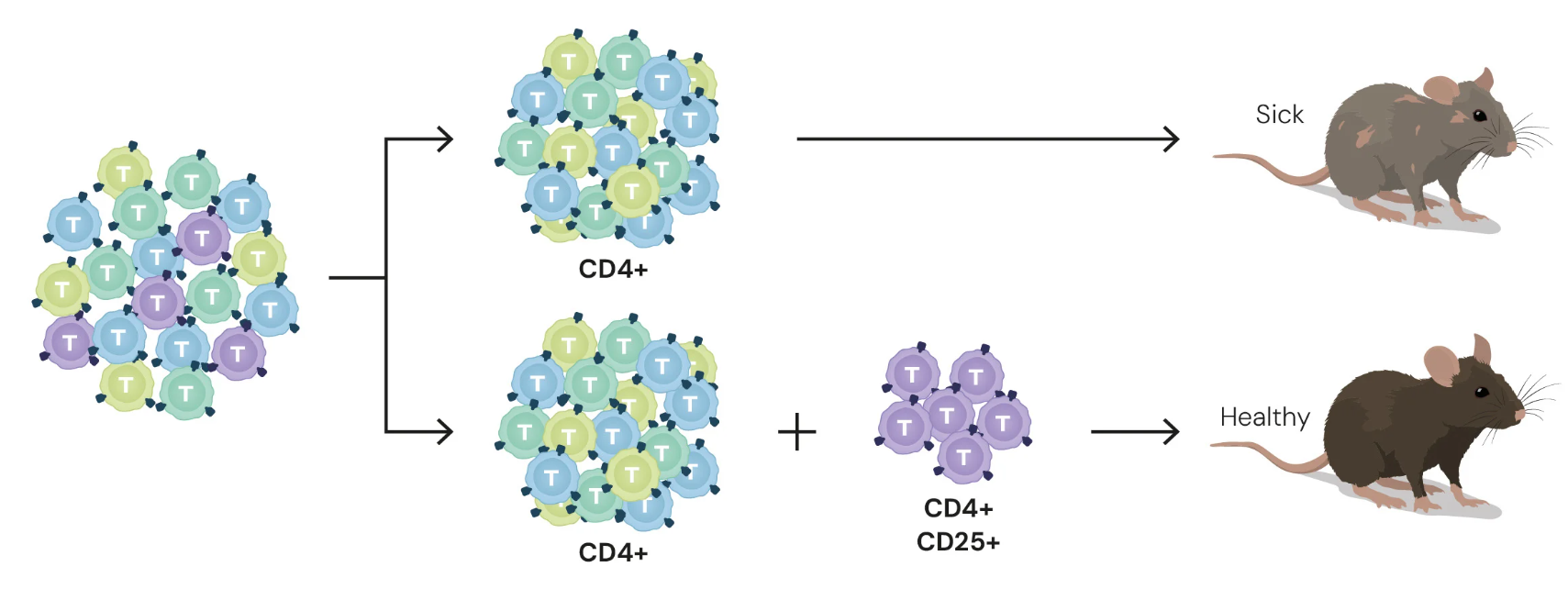 Prof Sakaguchi defines a new class of T cells. He showed that the T cells with CD25 on their surface protect against autoimmune diseases through an experiment in mice that lacked T cells. If he injected CD4-bearing T cells into the mice, but removed all the cells with CD25, the mice developed serious autoimmune diseases. If he added CD25-bearing cells, the mice remained healthy.
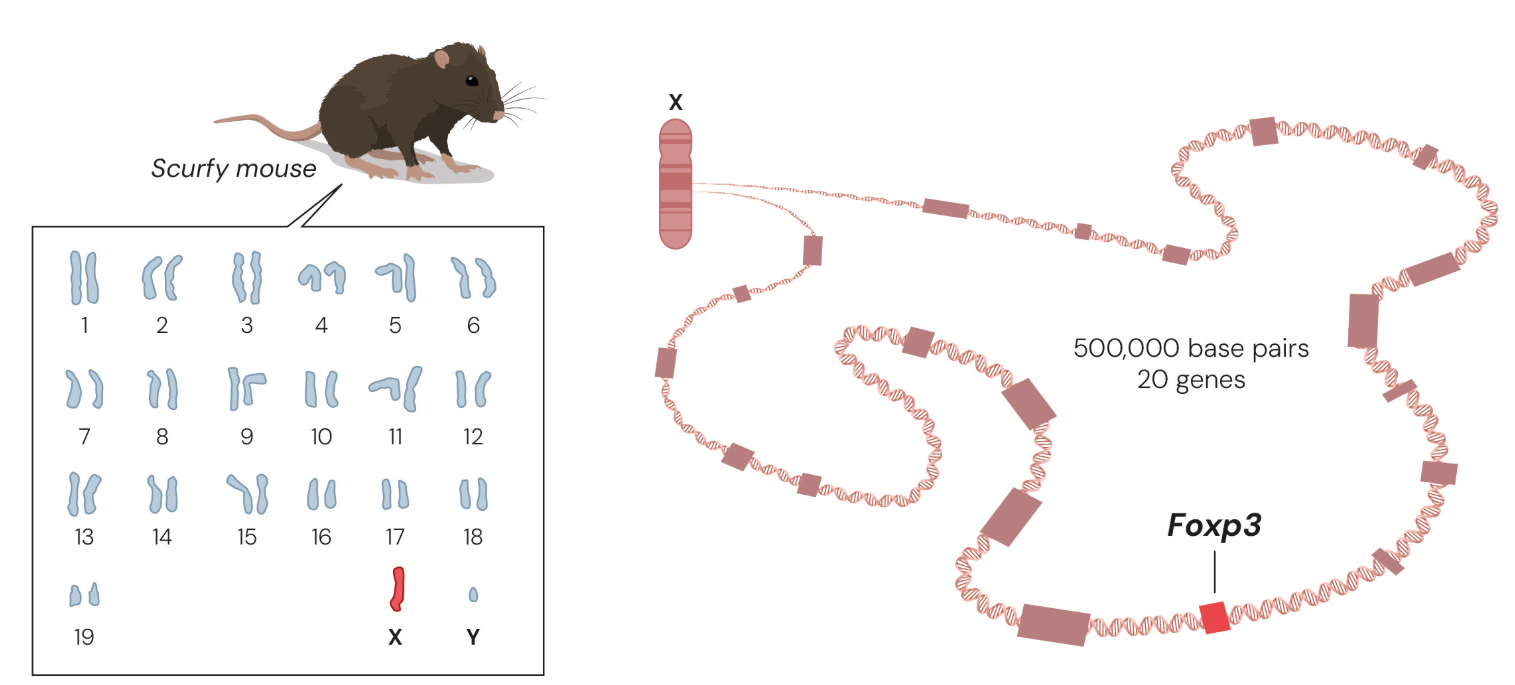 Dr Brunkow and Dr Ramsdell find the scurfy mutation, which causes a mutiny in the immune system. They succeeded in narrowing down the area of the mutation and locating it in the Foxp3 gene, which turned out to be decisive in the development of regulatory T cells.
Image credits: https://www.nobelprize.org/prizes/medicine/2025/press-release/
Why These Discoveries Matter
The impact of this research is already being felt across modern medicine. By understanding how the body maintains its internal balance, scientists are developing precision treatments for various diseases. For autoimmune diseases, researchers are finding ways to boost Treg cells to stop the immune system from attacking joints in arthritis or the brain in multiple sclerosis. In cancer therapy, new drugs are being developed with the goal of disabling Tregs so the immune system can effectively kill cancer cells. In the field of organ transplantation, the aim is to train the recipient's Treg cells to accept the new organ as "self," potentially ending the need for lifelong, strong anti-rejection drugs. For my own field of infectious diseases, the goal is to manipulate Tregs to prevent pathologies induced by chronic infection or to increase vaccine efficacy.
For more information, visit the Nobel Prize website and watch the 2025 Nobel Prize in Physiology or Medicine overview video here.