Should Children Learn to Read and Write - or Is Learning to Talk to AI Enough? by Prof Sarit Kraus
IAS@NTU STEM Graduate Colloquium Jointly Organised with the Graduate Students' Clubs
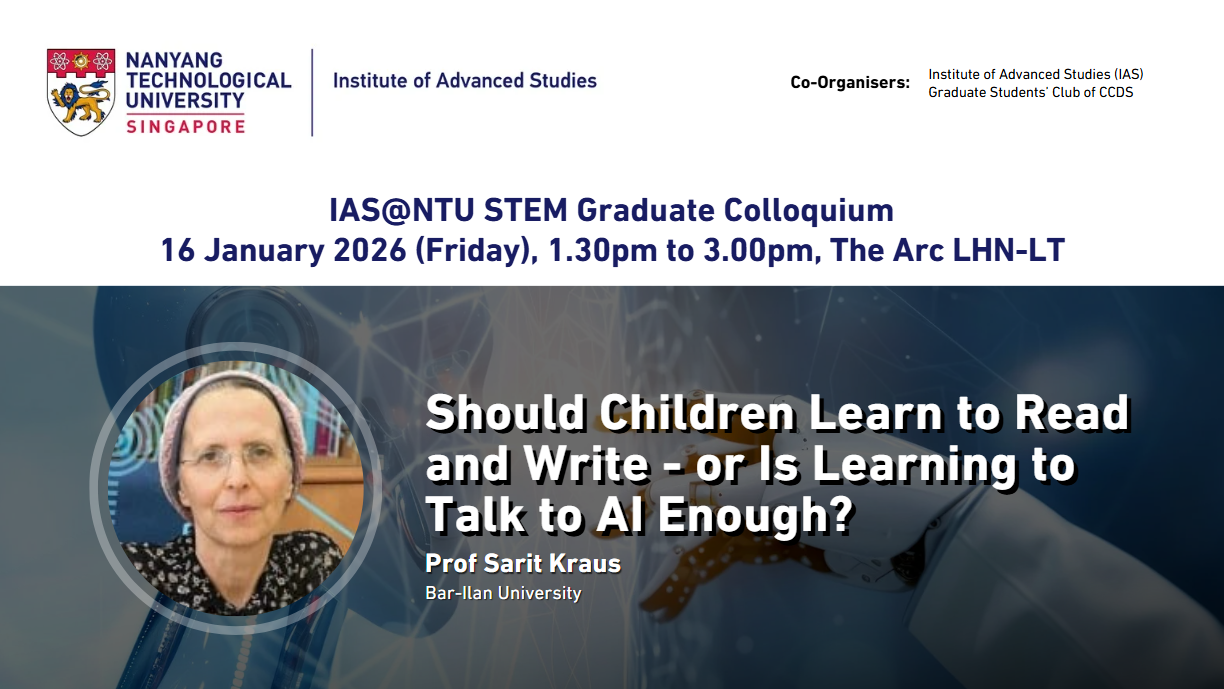
On 16 January 2026, the IAS@NTU STEM Graduate Colloquium opened its 2026 series with a compelling lecture by Prof Sarit Kraus (Bar-Ilan University). In her talk titled “Should Children Learn to Read and Write — or Is Learning to Talk to AI Enough?”, Prof Kraus examined how the rise of large language models (LLMs) challenges traditional definitions of literacy and human intelligence. As AI systems gain the ability to write, interpret, and make complex decisions, society faces an urgent question: what skills should humans continue to cultivate? Prof Kraus highlighted that although LLMs demonstrate impressive fluency and reasoning, they are prone to randomness, variance, and biases, and therefore cannot be entrusted with autonomous decision-making without human supervision. Her message was clear: the future is not one where AI replaces humans, but one where synergistic intelligence, which is the partnership of human intuition and machine computation, delivers better outcomes than either can alone.
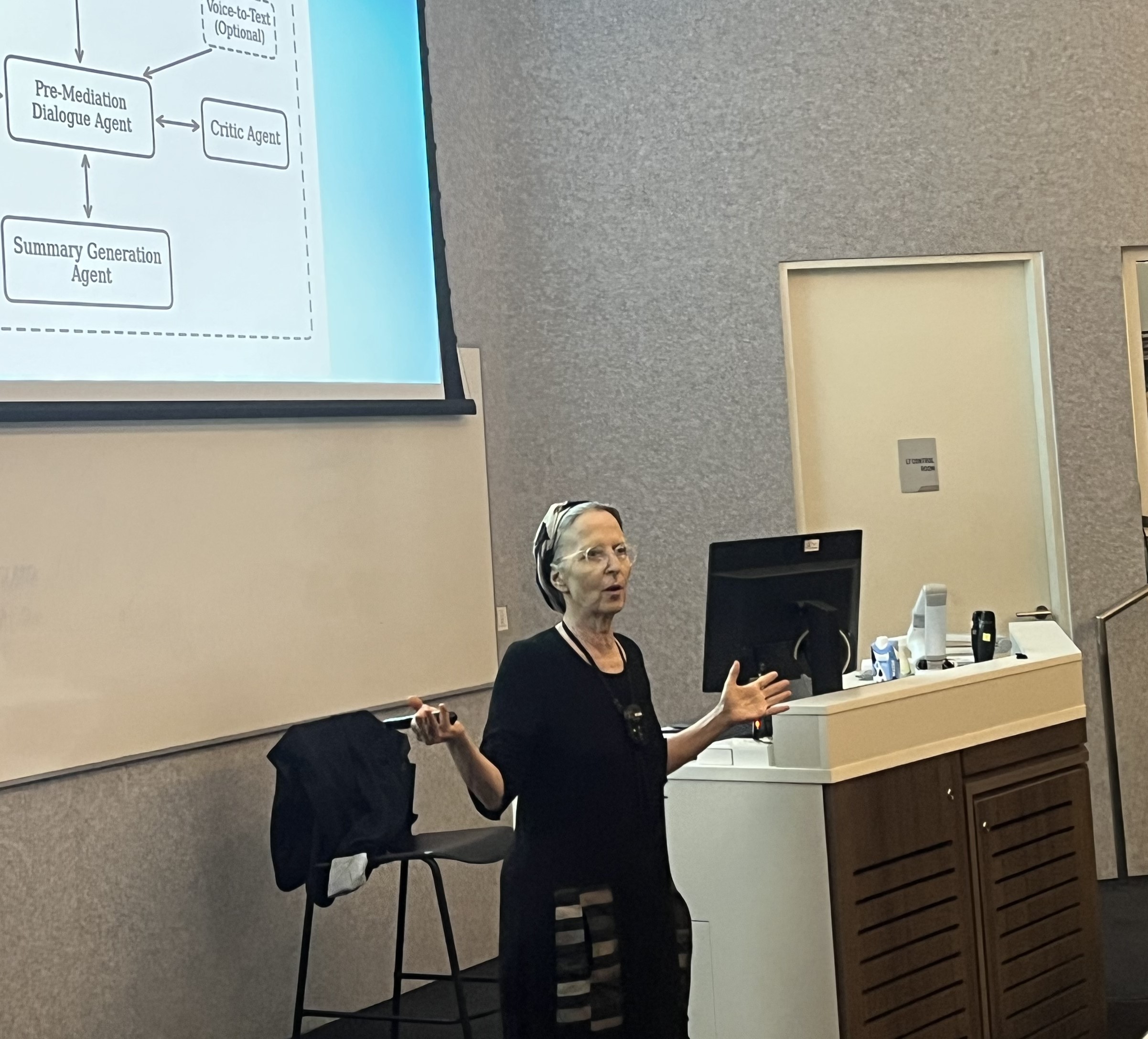 Prof Kraus urges synergistic intelligence, pairing human judgment with AI’s powerful but imperfect fluency.
Empirical Evidence of AI Bias
One of the striking examples Prof Kraus presented was pro-AI bias in salary estimation, a phenomenon illustrated by her comparative study across proprietary and open-weight LLMs. The analysis showed that nearly all models systematically overestimate salaries for AI-related roles compared to matched non-AI occupations, with proprietary models exhibiting the strongest bias. Open-weight models also displayed uplift effects, though generally to a lower degree. This finding underscores a broader theme in her lecture: AI systems often amplify hype around their own domain, reflecting the training data they ingest. Such biases, when left unchecked, can distort labour expectations, influence career choices, and reinforce skewed narratives about technological work. Prof Kraus used this example to demonstrate why human interpretation and statistical significance testing remain essential in AI evaluation, which means that not all outputs should be taken at face value, especially when they influence real-world decisions.
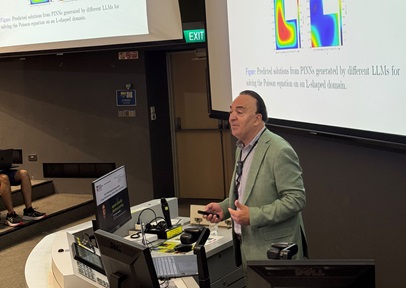
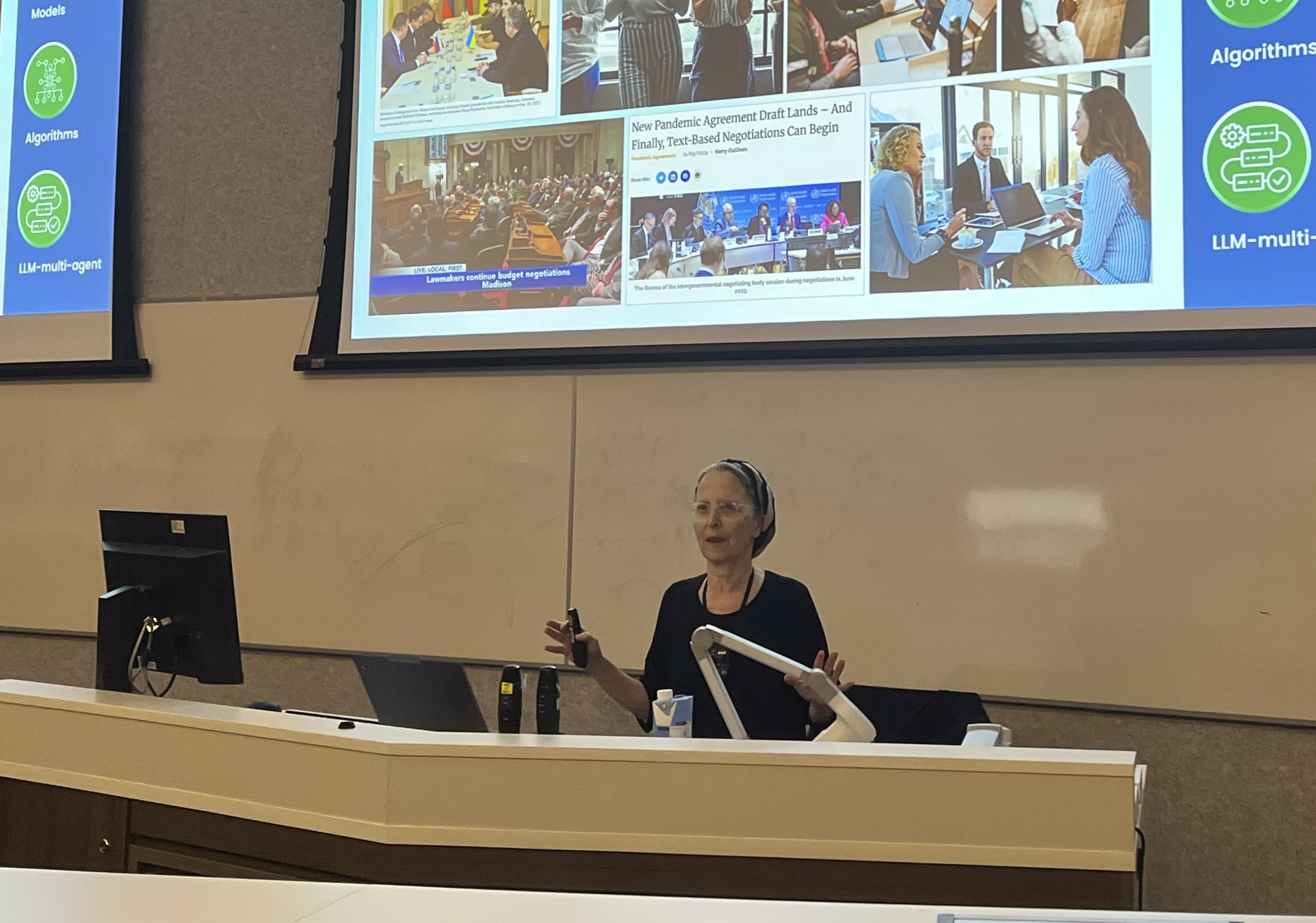 Prof Kraus highlights pro-AI bias in LLMs, underscoring need for human evaluation.
Policy-Level Contrastive Decisions by Multi-Agent
Prof Kraus then turned to one of her core research contributions: developing contrastive explanations for multi-agent reinforcement learning (MARL) systems. She showed how humans often struggle to understand why a team of robots or agents made a particular coordinated decision under a given policy. To address this, her team designed explanation frameworks that reveal whether an alternative plan proposed by a human is feasible. Using a grid-based rescue scenario involving multiple robots and tasks such as “Fire”, “Obstacle”, and “Victim”, Prof Kraus presented examples where a user suggests a different scheduling of the tasks. The system then determines whether this proposed reordering is achievable under the learned policy. If feasible, the system validates the user’s query. If infeasible, the system explains why not. This method supports policy abstraction through Markov Decision Processes, temporal logic query checking, guided rollouts, and logical reduction techniques. These techniques enable MARL systems to communicate constraints in human-friendly terms, fostering trust and interpretability in high-stakes environments.
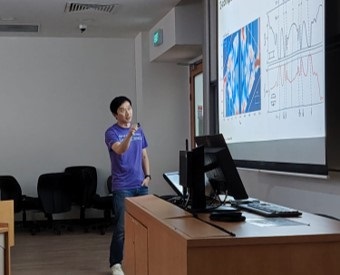
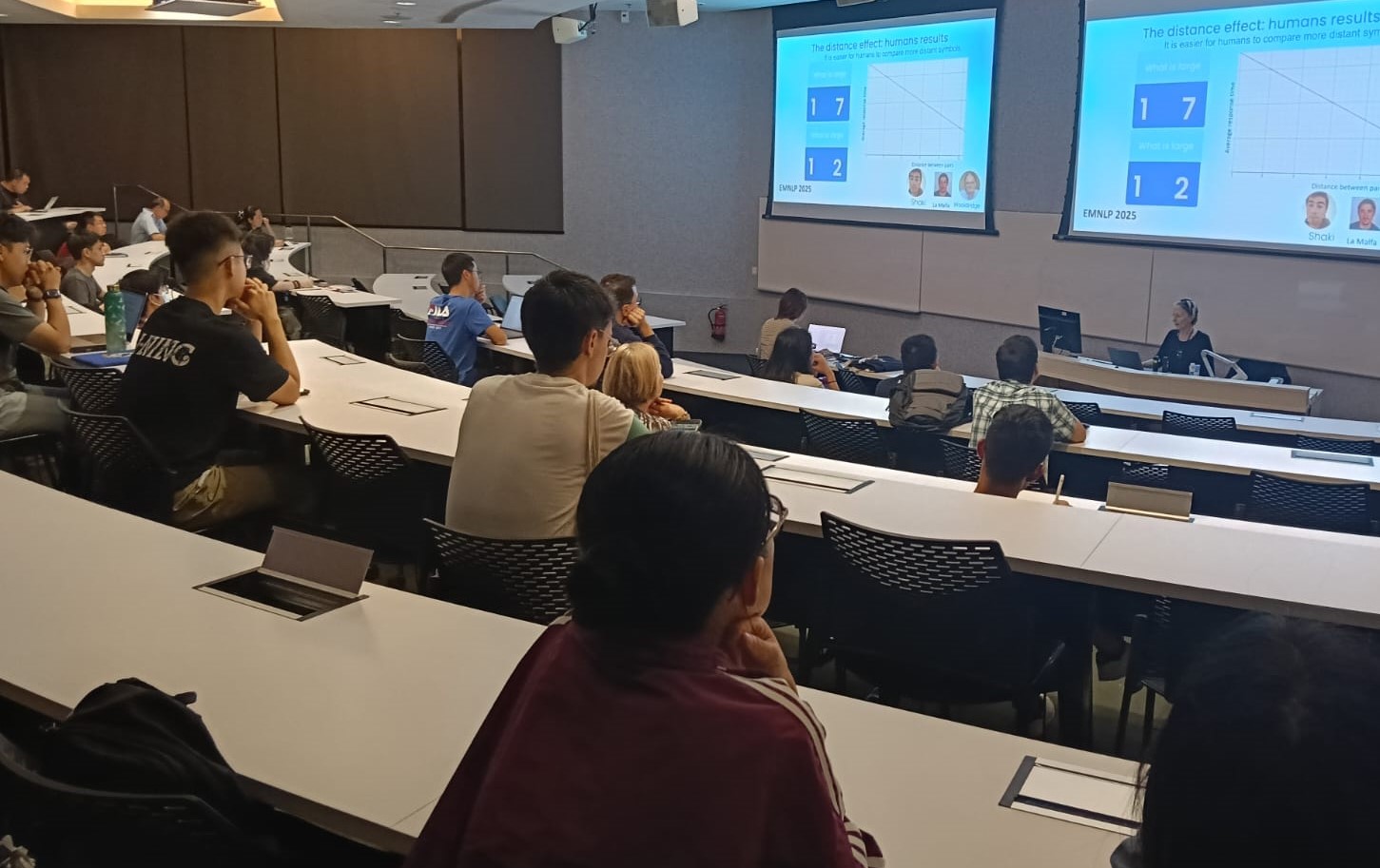 The audience listening intently to how multi-agent robots justify coordinated decisions through contrastive explanations, building trust and interpretability in complex environments.
Will LLMs Replace Humans? A Nuanced Reality
Throughout the lecture, Prof Kraus emphasised that humans retain essential strengths that AI systems cannot yet replicate. Tasks involving empathy, intuition, moral reasoning, and contextual judgment remain areas where humans outperform machines. Her research demonstrates that robust evaluation of AI decision-making must include statistical significance, human-in-the-loop experiments, and the analysis of performance variability, such as high standard deviations in outcomes. Addressing one of the most anticipated questions, Prof Kraus discussed whether LLMs might eventually replace humans in diverse roles. While she acknowledged that AI can and does replace humans in certain repetitive or well-defined tasks, she argued that widespread replacement is neither realistic nor desirable in the foreseeable future. AI systems still struggle with stability, reliability, and high-variance decisions, making them unsuitable for fully autonomous control in fields like rescue operations, complex negotiations, or high-risk decision environments. For example, even when an AI system produces a higher survival outcome in simulated scenarios, human reactions, trust dynamics, and ethical considerations have to be factored into the final decision. These insights reinforce her point that AI’s limitations cannot simply “disappear” with more data or larger models; human involvement remains indispensable. However, she proposed that AI will likely evolve into a powerful assistant capable of supporting, rather than overtaking, human operators.
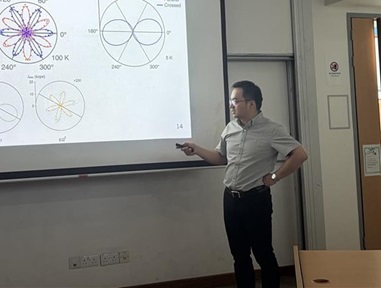
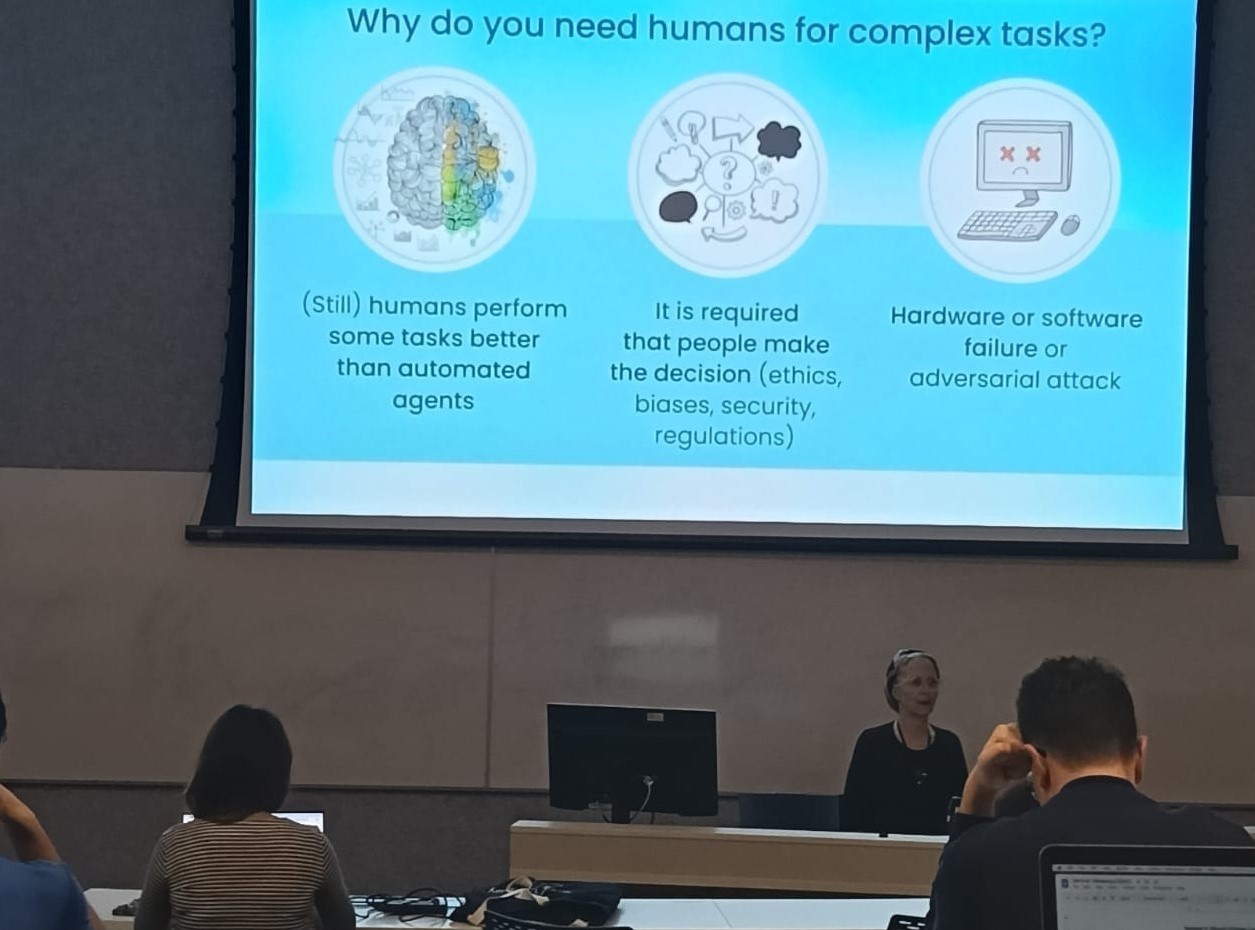 Prof Kraus highlights why empathy, judgment, and ethics still matter, arguing that AI will assist humans rather than replace them.
Trust, Transparency, and Limitations: When Should AI Take the Lead?
Prof Kraus also reflected on the difficulties of balancing accuracy, rationality, and humanity within AI-enabled systems. Some participants raised the question on how she ensured the users to trust her method as the best or optimal solution. She noted that designing the best standard that everyone “trust” is not her primary research objective; rather, her focus lies in designing systems that is able to help humans make better decisions. These systems aim not to replicate human behavior, but to enhance human decision-making through machine rationality and computational precision. Prof Kraus also addressed a method called selective automation, a principled mechanism for determining when humans should defer to AI versus when humans should retain control. If the confidence gap between the AI’s top two options is high, follow the AI’s recommendation. If the gap is low, present the human with the AI’s full confidence distribution and allow them to decide.
This approach prevents over-reliance on AI while still leveraging its strengths. It is particularly useful in decision environments where uncertainty is high and human–AI collaboration must remain balanced. In negotiation studies, for instance, participants frequently identified when the mediator was an AI, even when attempts were made to conceal it, highlighting the subtle but important distinctions in human–machine interaction. Such findings suggest that transparency and trust will remain central to effective human–AI teaming, and that replacing human experts entirely would compromise the relational and emotional intelligence required in many fields.
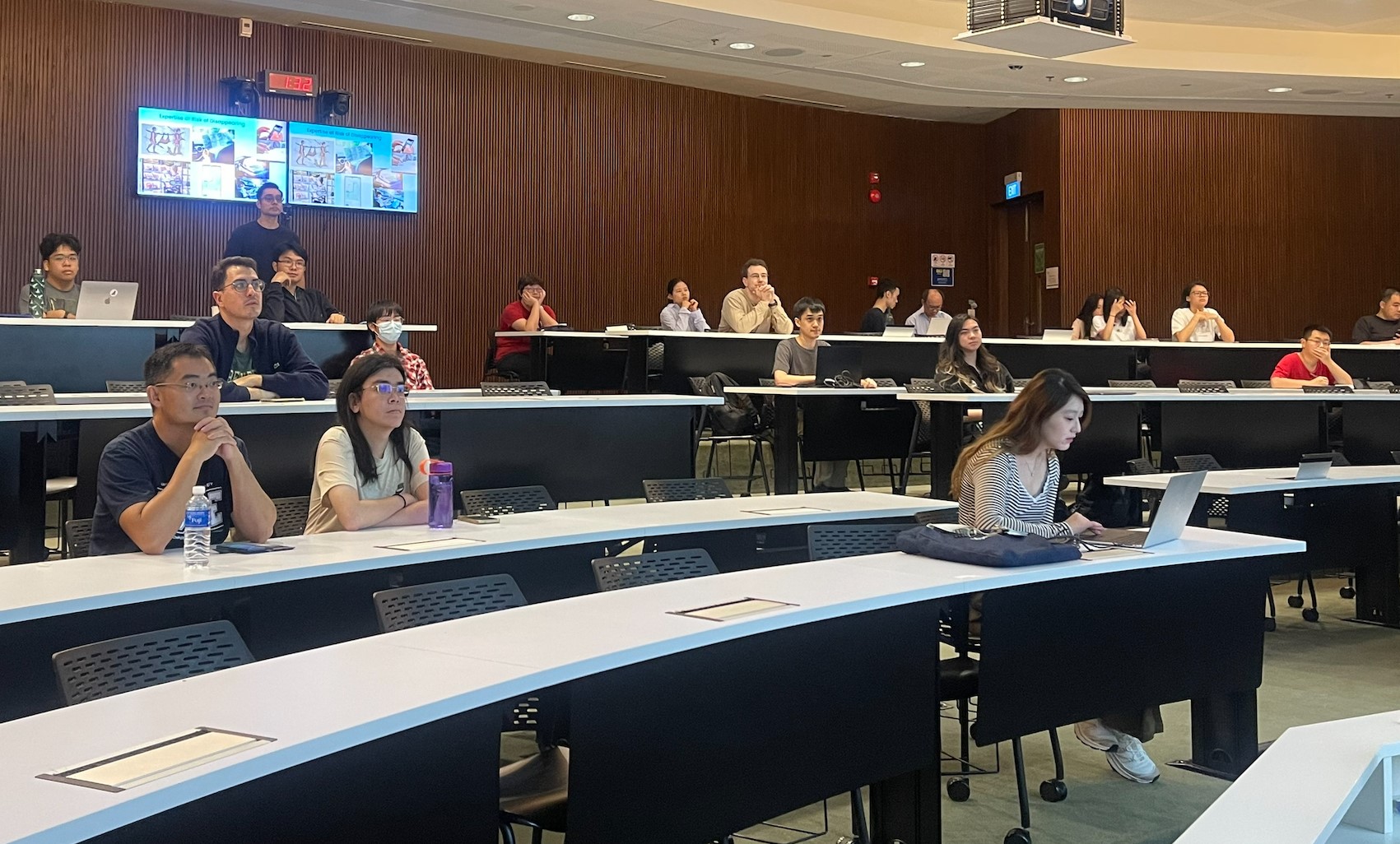 Exploring selective automation: how transparent AI supports better human decisions without replacing judgment, trust, or emotional intelligence.
Human–AI Partnership as the Future
In closing, Prof Kraus argued that even as AI becomes more capable, human critical thinking remains essential. Humans must learn not only how to use AI tools, but also how to question them, evaluate their behaviour, and guide their deployment responsibly. This requires a rethinking of education, where we should not eliminate traditional skills like reading and writing, but to integrate them with new competencies related to AI literacy. Her message resonated strongly with the audience: meaningful collaboration with intelligent systems depends on human judgment, not just machine performance.
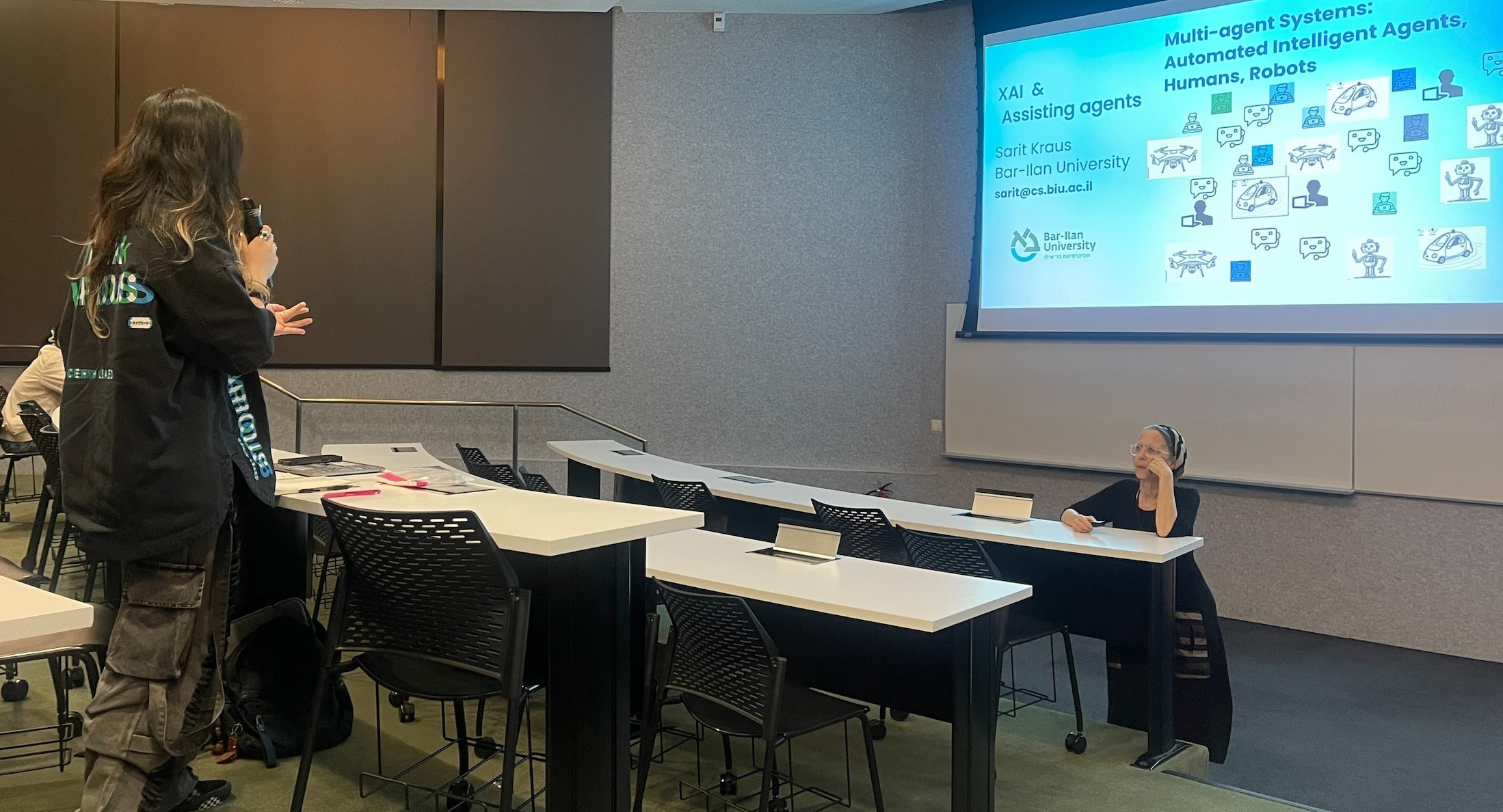 Exploring human-centric AI, the lecture concluded with thoughtful audience Q&A on critical thinking, education, and responsible AI futures.
Prof Kraus’ lecture sparked rich discussions across disciplines, offering students and researchers a clearer understanding of how AI will shape the future of work, education, and decision-making. The session blended technical depth with philosophical insight, marking an inspiring start to the 2026 IAS@NTU STEM Graduate Colloquium series.
This colloquium is held in conjunction with the IAS Frontiers Conference on Artificial Intelligence. Find out more about the conference here.
Written by: Goh Si Qi | NTU College of Computing and Data Science Graduate Students' Club
“The professor provided some base level explanations for those who were not in the same field of computer studies, which I found thoughtful.” – Chong Yu Min, Reuben (PhD student, MAE)
"The specifics of how explainable AI and Human-AI collaborators work, and addressing the issue of when to adopt AI recommendations." - Lee Sheng Yue (PhD student, SoH)
"I enjoyed the revelation that humans are already trusting of artificial intelligence and that human-AI synergy is now the new goal of xAI research." - CCDS PhD student
"The professor presented her works in the easy way to understand, especially Explainable AI." - EEE PhD student
Watch the recording here.