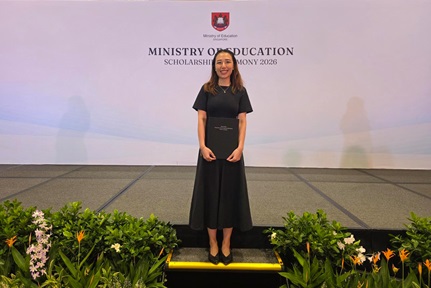
Faculty Expertise: Assistant Professor Pei Sze Chow on AI, filmmaking and what audiences value
As artificial intelligence becomes increasingly embedded in creative industries, questions are emerging about how it may change not only the way films are made, but also what audiences value in the content they watch.
WKWSCI Assistant Professor Pei Sze Chow recently shared her expertise with The Straits Times and CNA on the growing role of AI in filmmaking, audience responses to AI-generated content, and the continued place of human creativity.
Is “AI fatigue” changing what audiences want?
In a Straits Times article examining the unlikely success of Chinese animated film Niu Lai (The Bull Comes), Assistant Professor Pei Sze discussed what the film’s popularity could reveal about changing audience attitudes towards AI-generated media.
Created over five years by amateur director Xin Yumeng and his mother, Niu Lai attracted widespread criticism for its visuals and storytelling. Yet the attention fuelled a wave of “hate-watching”, helping the grow from just over 7,000 yuan in opening week earnings to more than 59 million yuan at the domestic box office.
While hate-watching may have contributed to its initial popularity, Assistant Professor Pei Sze suggested that its continued success could also point towards growing discontent with AI-generated media.
“In my view, Niu Lai’s popularity speaks to this AI fatigue,” she told The Straits Times.
As AI becomes increasingly capable of mimicking aspects of human creativity, she noted that audiences may become more intentional about seeking out human-made work, even when it does not meet conventional standards of quality. She also pointed to the role of social media algorithms in amplifying hate-watching, as negative reactions can still generate clicks, likes and views that help content spread.
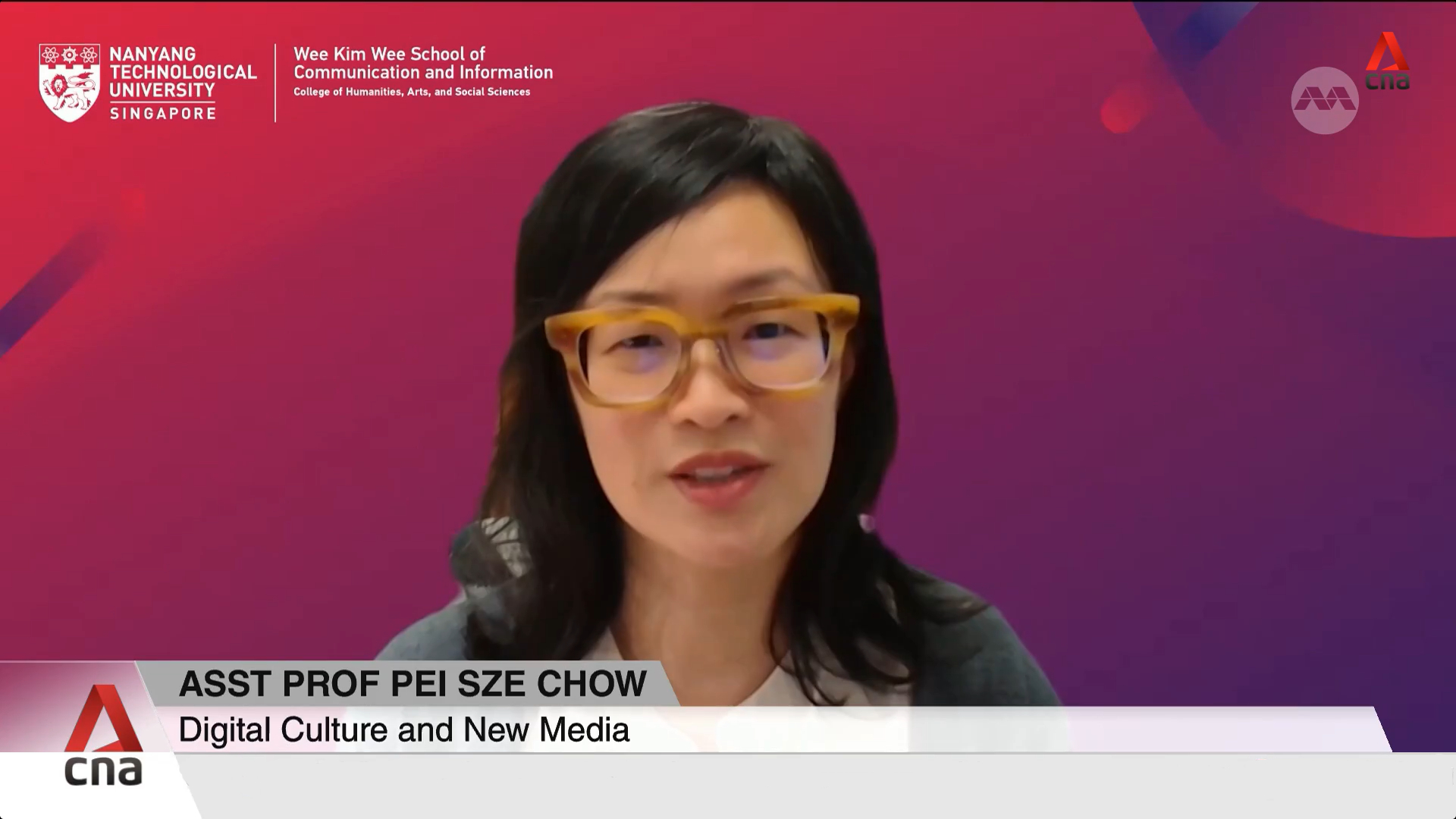
Assistant Professor Pei Sze also spoke to CNA Explains for a segment examining whether AI films are a novelty or here to stay.
The segment explored how generative AI is making filmmaking faster, cheaper and more accessible, while raising questions about creative work, jobs and the relationship between technology and human creativity. According to CNA, 95 per cent of the 128,000 short dramas released in China this year were AI-generated, illustrating the growing scale at which the technology is already being used.
Across both conversations, Assistant Professor Pei Sze offered insights into a media landscape where AI is opening up new possibilities for filmmaking, while prompting audiences and creators to reconsider what they value in creative work.
.tmb-listing.jpg?sfvrsn=6333378f_1)