A new target for dementia treatment
Inhibiting the formation of abnormal blood vessels in the brain may slow the progression of vascular dementia.
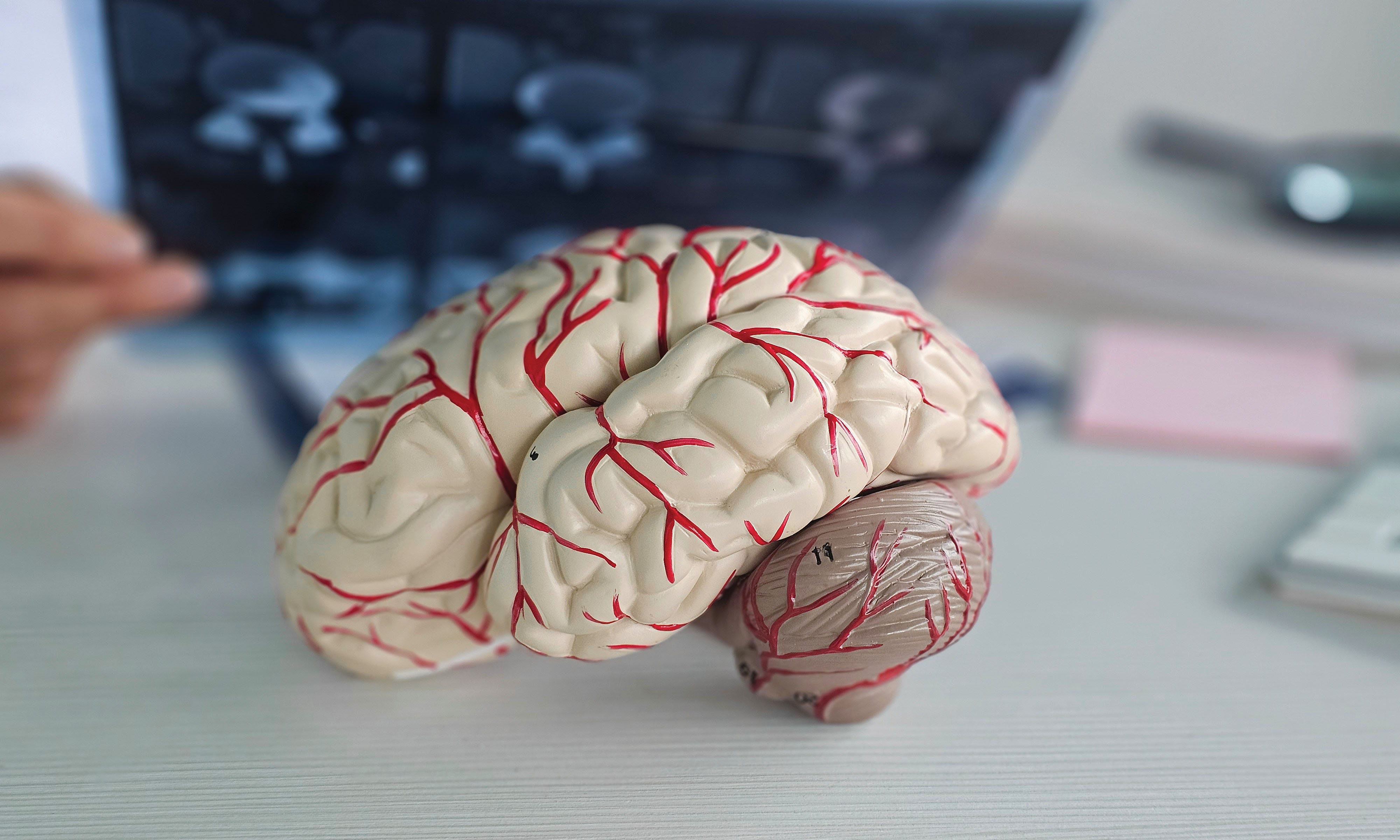
Vascular dementia is the second most common form of dementia. Frequently associated with ageing, this debilitating condition is caused by reduced blood supply to the brain.
Researchers led by Assoc Prof Christine Cheung of NTU’s Lee Kong Chian School of Medicine showed that impaired blood supply to the brain triggers abnormal blood vessel growth in mice with vascular dementia. This process is driven by a protein called endothelial PAS domain protein 1 (EPAS1). Inhibiting EPAS1 restores normal blood flow to the brain.
The researchers also observed that blood vessel damage is more severe in human patients with cerebrovascular disease – a condition that affects the blood vessels of the brain, leading to vascular dementia and cognitive decline.
Looking ahead, the team says that drugs targeting EPAS1 could be developed to slow the progression of vascular dementia and other disorders that disrupt blood flow to the brain.
The findings were reported in “Chronic cerebral hypoperfusion induces venous dysfunction via EPAS1 regulation in mice” in Nature Communications (2025), DOI: 10.1038/s41467-025-61614-3.
The article appeared first in NTU's research & innovation magazine Pushing Frontiers (issue #26, May 2026).


.tmb-listing.jpg?sfvrsn=8d60272d_1)