WKWSCI Leading Lights Series: Professor S. Shyam Sundar Explores Why We Trust AI
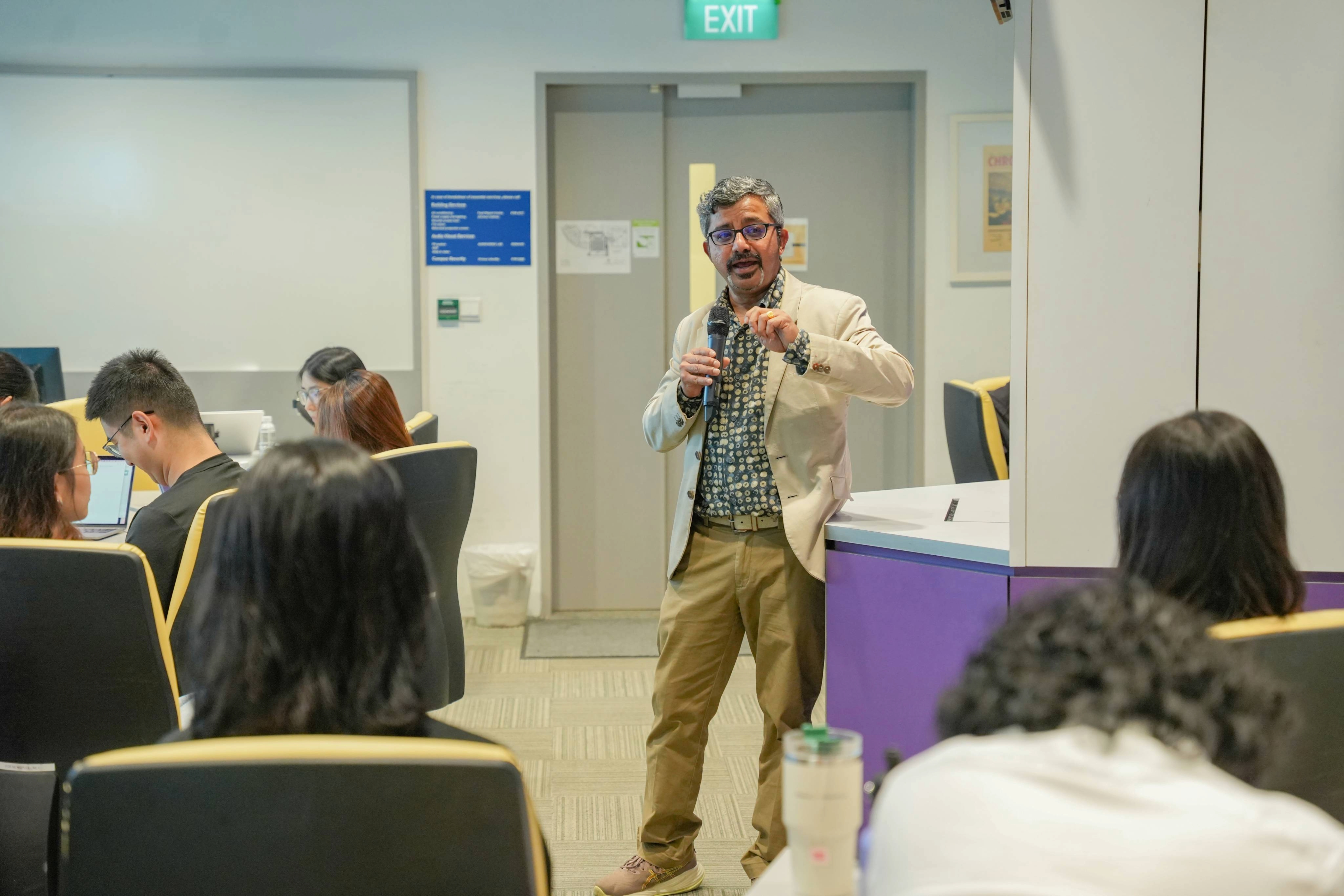
At the latest WKWSCI Leading Lights Series on 7 October 2026, Professor S. Shyam Sundar, Director of the Center for Socially Responsible Artificial Intelligence at Penn State University, explored why people trust artificial intelligence (AI), even when they know it can make mistakes, and the risks of relying too heavily on these technologies as they become part of our daily lives.
One reason behind this trust is the “machine heuristic”, which describes how people often assume machines are objective, accurate and reliable. However, these assumptions can lead to automation bias, where people place too much trust in AI-generated information without checking its accuracy or questioning its recommendations.
Such overreliance becomes particularly concerning when AI systems themselves are biased. As Professor Sundar explained, AI bias can result in unfair decisions, unequal treatment and the reinforcement of harmful stereotypes. Drawing on his research into human-AI interaction, he also explored how better interface design can help users make more informed decisions by encouraging them to question and verify AI-generated information.
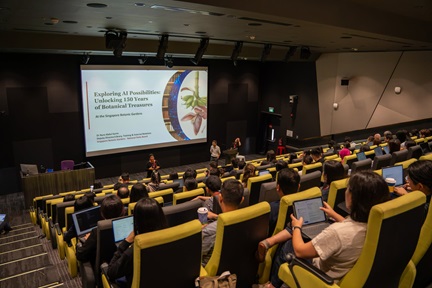
Professor Sundar also conducted a workshop on 9 October for WKWSCI's academic and research community, exploring how AI tools can support different stages of academic research, from developing ideas to writing papers. The session also addressed the ethical considerations and professional standards researchers should keep in mind when incorporating AI into their work.
As AI becomes more capable of making decisions and carrying out tasks independently, the challenge is not simply to encourage greater trust, but to help people recognise when to rely on AI and when to question it.
The WKWSCI Leading Lights Series invites leading scholars from around the world to share their research and engage the School's academic community on developments in communication, media and information studies.