Up Close & Personal with Assistant Professor Baptiste Janela
By Sanjay Devaraja
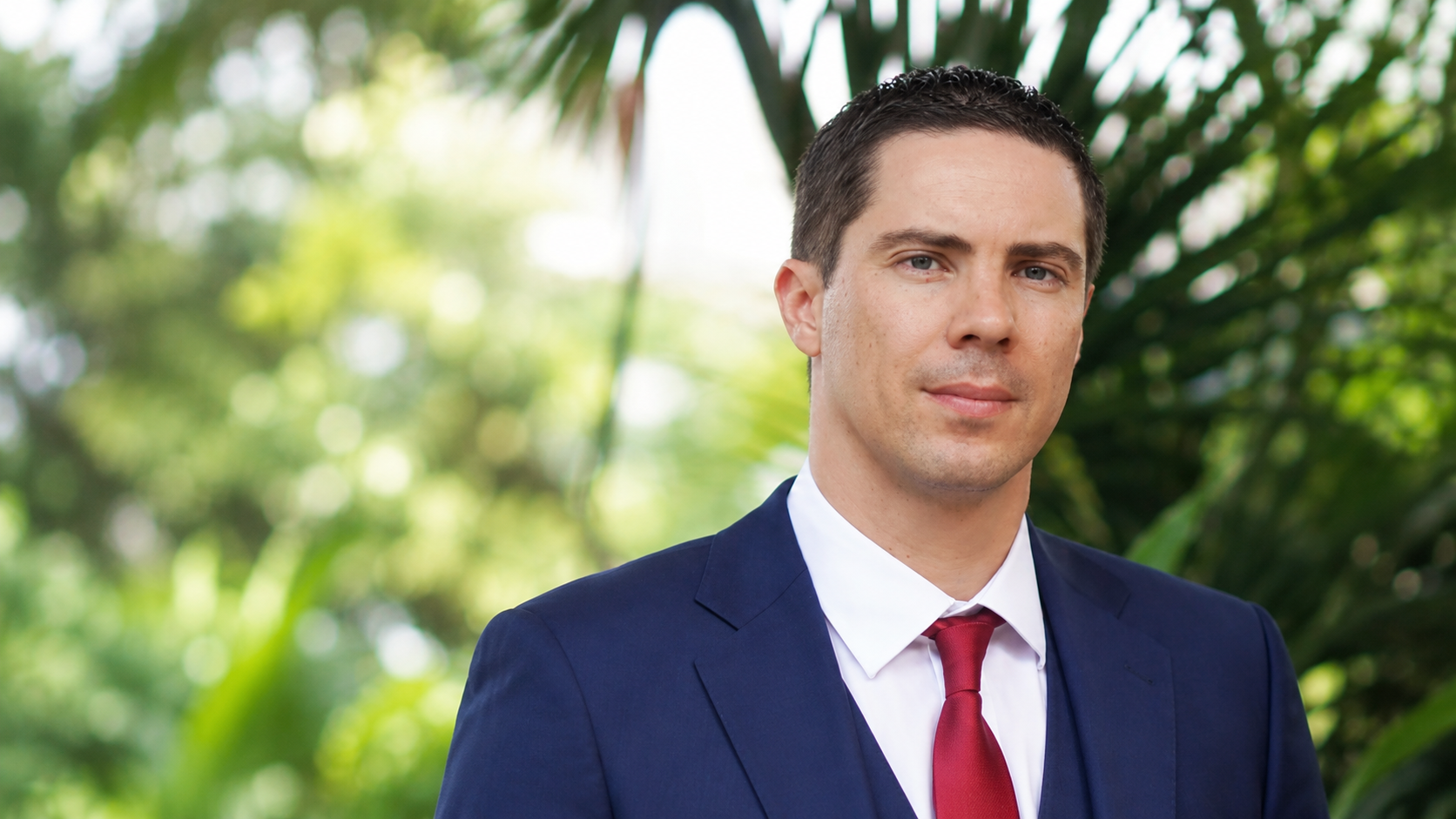
Our skin is our first line of defence, but there is still much to learn about what happens when it becomes diseased. At LKCMedicine, Assistant Professor Baptiste Janela is using human skin biology and innovative 3D models to better understand skin diseases and uncover new possibilities for treatment.
Since joining NTU Singapore in 2023, Assistant Professor Baptiste Janela has been turning insights into skin immunity into possibilities for better treatments. Building on his experience at the Singapore Immunology Network and Skin Research Institute of Singapore (SRIS), he studies how immune and skin cells interact in inflammation, healing and disease. Now, as LKCMedicine’s Assistant Dean for Innovation and Enterprise, he is also helping to move research discoveries closer to real-world impact.
What first drew you to immunology, and how did your research journey lead you to specialise in skin immunology?
It is actually a funny story, because after my undergraduate degree, I really did not want to study immunology! The way it was taught to us over three years had made it quite difficult for me to appreciate the subject. I remember spending many hours in the university library, teaching myself immunology using Janeway’s Immunobiology. But as I started to understand it better, I realised what makes immunology so fascinating: it is at the centre of almost every disease. Whether you are talking about infections, cancer, autoimmune diseases or chronic inflammation, the immune system is always part of the story. That was what really drew me in.
At around the same time, I met a fantastic researcher who was working on severe drug hypersensitivity reactions, which can be life-threatening. He convinced me to join this research field and I started my Master and PhD on this topic. It was a turning point in my career. I became fascinated by the question of how the immune system, which normally protects us, can sometimes trigger devastating reactions against our own tissues.
You have worked across the Singapore Immunology Network, the Skin Research Institute of Singapore, and now LKCMedicine. How have these experiences shaped your scientific interests and approach to research?
Throughout my journey in Singapore, I have met so many fantastic scientists who have become not only collaborators but also friends. Moving to LKCMedicine has given me the opportunity to develop my own research programme while maintaining these strong collaborations. Today, I continue to work closely with colleagues at SRIS, A*STAR, NUS and NTU Singapore. Although I am now based at NTU, I do not see research as something that belongs to one institution. We bring together our different expertise, technologies and clinical connections because we share a common objective: to better understand diseases and ultimately improve outcomes for patients.
I believe that the most meaningful discoveries rarely happen in isolation. They come from open discussions, complementary expertise and a willingness to work across institutional and disciplinary boundaries. Science is competitive, of course, but it is also fundamentally collaborative. Building lasting relationships and working together towards a shared goal is one of the most rewarding aspects of being a scientist.
What attracted you to join the University?
LKCMedicine is still a relatively young and dynamic institution, and I had heard very positive things from colleagues who knew the School and understood my work. Their advice and encouragement played an important role in my decision.
Around the same time, I was also considering moving into industry and had an opportunity to join a major pharmaceutical company. It was a difficult decision because I really value the connection between research and its practical applications. I decided that I still wanted to push my own research ideas further, develop new projects and build my own research programme.
That does not mean I wanted to move away from industry. On the contrary, I continue to work closely with industry partners. As the School's Assistant Dean for Innovation and Enterprise, I am also involved in encouraging stronger connections between academia and industry. I believe these sectors have complementary strengths, and working together can help translate scientific discoveries into tangible benefits for patients.
Another important attraction was the opportunity to teach MBBS students, our future doctors. I really enjoy the idea of showing them that science is not separate from clinical practice. Behind every disease we treat, there are biological mechanisms that we still need to understand; and behind every scientific discovery, there is an opportunity to improve patient care.
How might your research help explain why patients respond differently to the same treatment?
I think one important part of the answer lies in the complexity of our immune system. Even when two patients have the same disease, the immune mechanisms driving their condition may not be identical. Their immune cells may behave differently, the inflammatory pathways involved may vary, and factors such as age, genetics and the local skin environment can all influence how the disease develops and responds to treatment.
Take autoimmune skin diseases, for example. We are interested in understanding why some patients respond well to treatments that target B cells, while others continue to experience disease activity or relapse. By studying immune cells in patients and investigating how they interact with the skin, we hope to identify biological differences that could help explain these distinct responses and reveal new biomarkers of treatment outcome.
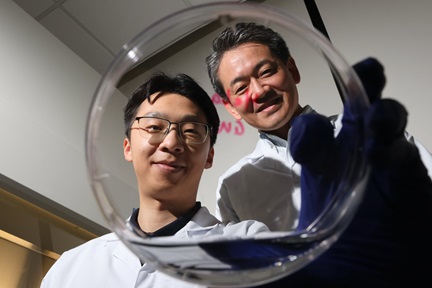
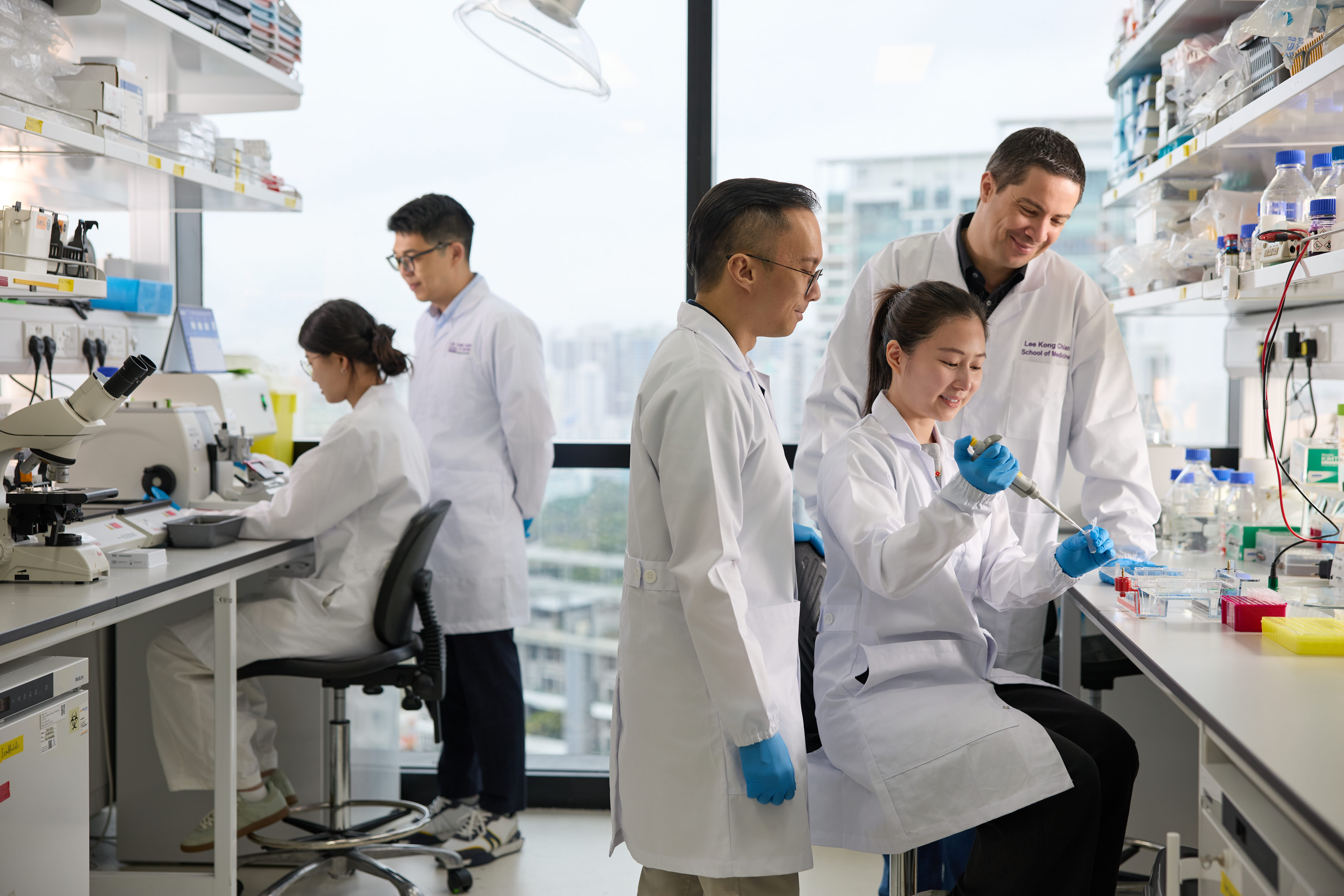 Asst Prof Janela (extreme right) and lab members unveiling the mysteries of skin ageing.
Another important part of our work is developing iSKID, our human skin-in-a-dish model. One of the exciting possibilities is to use these models to investigate how different skin environments respond to the same treatment. By combining human skin cells with immune cells derived from induced pluripotent stem cells, we can study these interactions in a controlled environment and explore how changes in the cellular composition or inflammatory state of the skin influence treatment responses.
Of course, we are still working towards the point where such models can reliably predict an individual patient's response. But the long-term vision is to move away from a one-size-fits-all approach. Rather than treating every patient with the same diagnosis as biologically identical, we want to understand what makes each patient's disease different and use that knowledge to guide treatment decisions.
Ultimately, this is what makes personalised medicine so promising. If we can identify the mechanisms that determine why a treatment works for one patient but not another, we may be able to select treatments more effectively, avoid unnecessary side effects and improve outcomes.
What opportunities do you see for connecting your laboratory’s work with medical education and the training of future doctors?
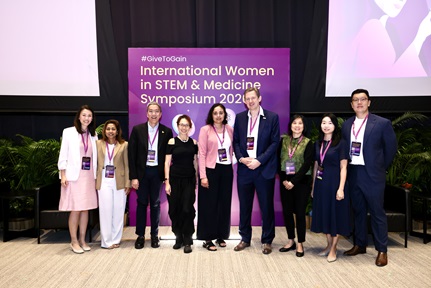
I think there is a tremendous opportunity to bring research and medical education closer together. Medical students should appreciate that clinicians and researchers need to work together, and that asking fundamental scientific questions is essential to advancing medicine.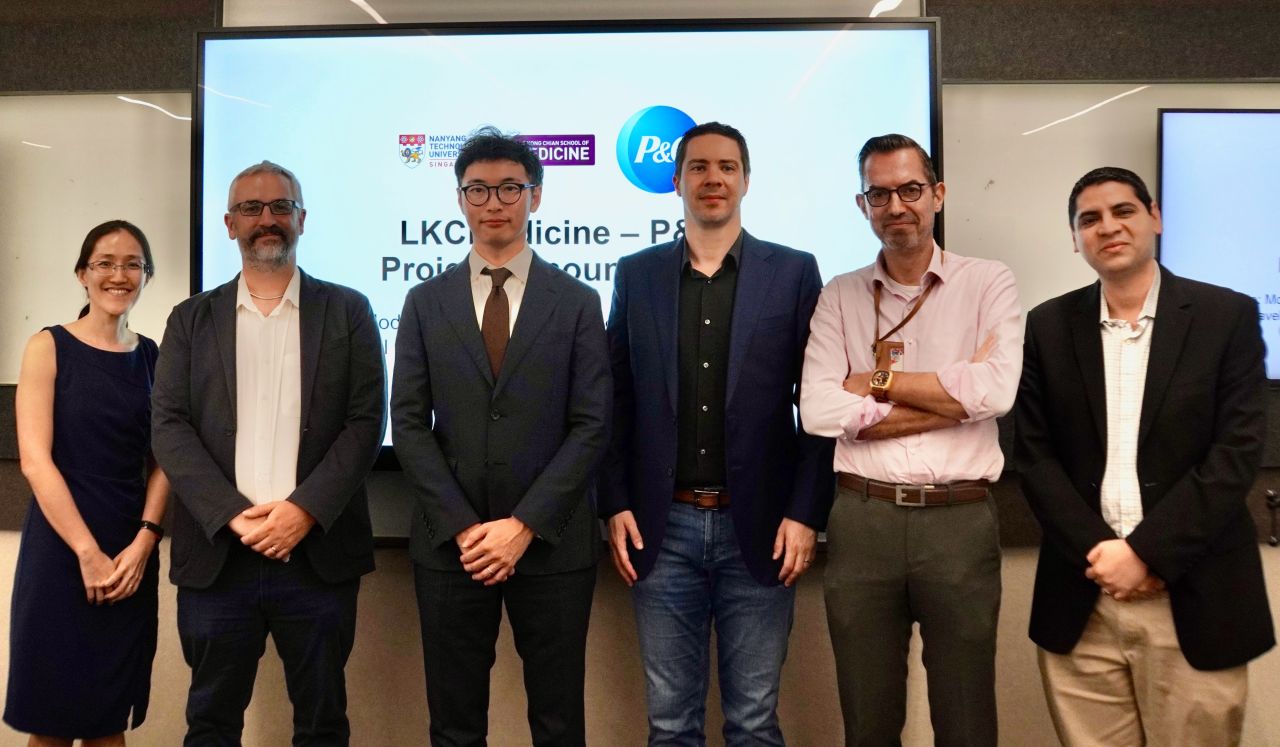 Asst Prof Janela (fourth from left) with colleagues from LKCMedicine’s Office of Innovation and Enterprise (OIE) hosted a Skin Symposium in 2025.
I really enjoy teaching MBBS students because they are our future doctors. One of the things I want them to understand is that medicine is not only about diagnosing diseases and prescribing treatments; it is also about understanding why diseases happen and how we can develop better ways to treat them.
For example, when we teach immunology, we can explain how the immune system protects us, but also how it can sometimes cause severe diseases, such as life-threatening drug reactions or autoimmune skin conditions. Connecting these concepts to real clinical cases helps students understand why the science matters. It can also encourage them to think critically about why some patients respond to treatment while others do not, and what research might be needed to address these unanswered questions.
Behind every clinical observation, there may be a fundamental biological question that researchers are trying to answer. Ultimately, I would like students to see clinicians and researchers not as people working in separate worlds, but as partners with complementary expertise. The best progress happens when these two communities work together. If we can inspire even a few students to become clinician-scientists, pursue research projects or simply bring a stronger scientific perspective to their clinical practice, I think we will have made a meaningful contribution to the future of medicine.
How do you unwind when you’re not working in the lab?
The first thing is spending quality time with my family. My boy is four, and I just love spending time with him and my wife. Lots of fun, laughter, and silly moments together are the memories I treasure most. When you have a busy research schedule, these moments become even more precious. They help me disconnect from work and remind me that there is a lot more to life than experiments, papers and grants!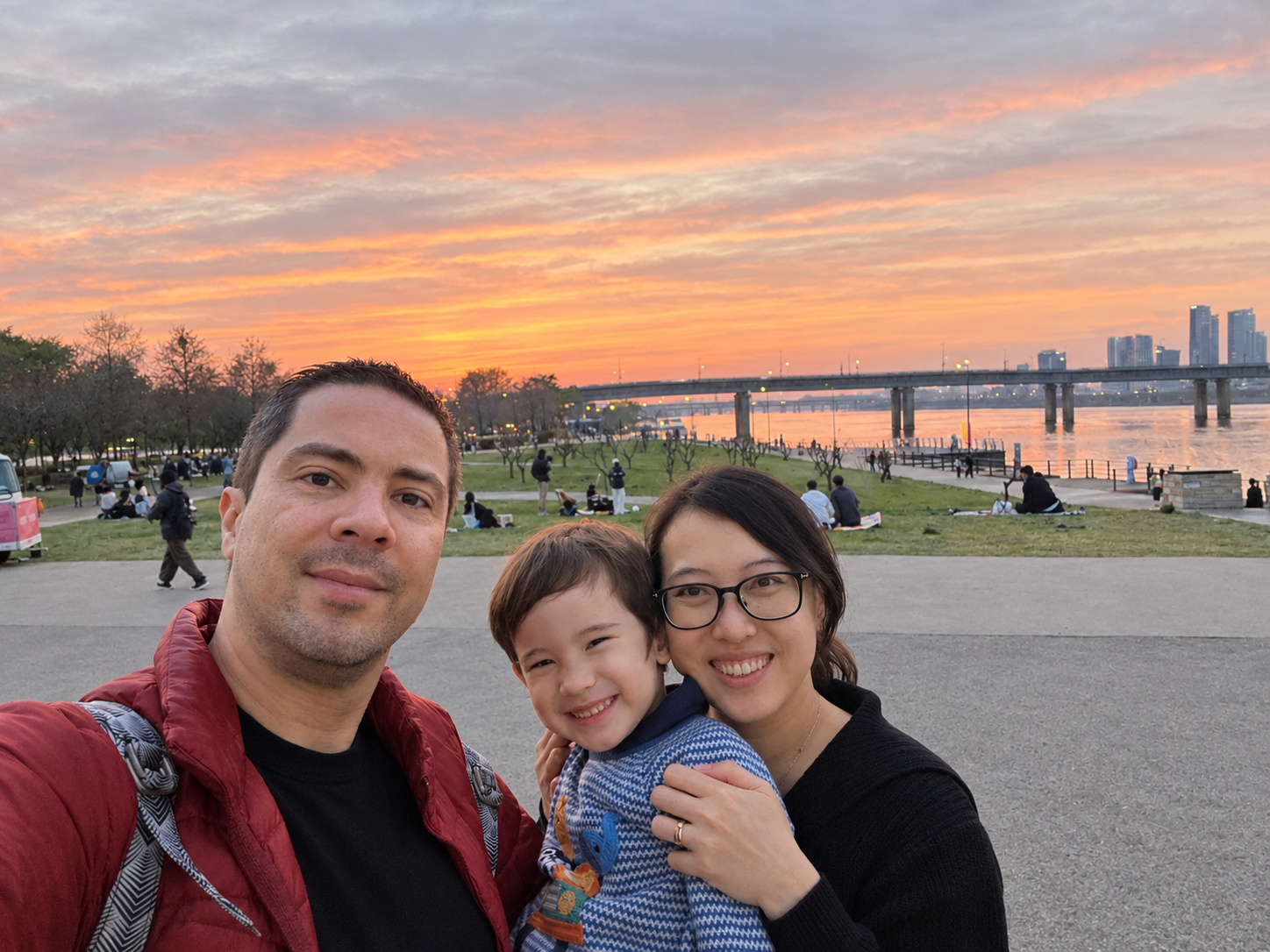 Asst Prof Janela with his family.
I also enjoy swimming, mountain biking and scuba diving. I haven't been diving for about four years now, but since moving to Singapore, I completed more than 250 dives. What I love most about diving is the feeling of calm and focus you experience underwater. You can completely disconnect from the outside world, forget about everyday stress and concentrate on the incredible marine life around you. There is something wonderful about slowing down and appreciating a world that most people rarely get to see.
Research can be very demanding, and it is easy to get completely absorbed in your work. Sometimes, the best way to get a fresh perspective on a scientific problem is simply to step away from it for a while!
.tmb-listing.jpg?sfvrsn=40968450_1)