Treating mental illness more precisely with AI
Text: Camellia Yong
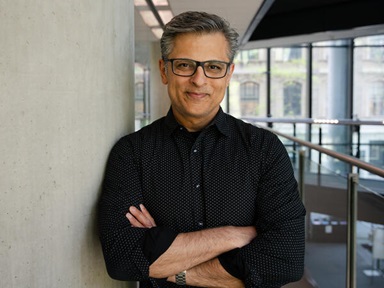
From detecting subtle changes in the brain to guiding personalised treatments, AI is opening new possibilities for understanding and treating psychiatric disorders. Ahead of his visit to Singapore for the International Conference on AI in Medicine (iAIM), Professor Albert Yang, Chair of the School of Medicine at National Yang Ming Chiao Tung University (NYCU) and Deputy Director of the Medical AI Development Center at Taipei Veterans General Hospital (TVGH), shares his innovation “BrainProbe” that assesses and diagnoses neuropsychiatric disorders.
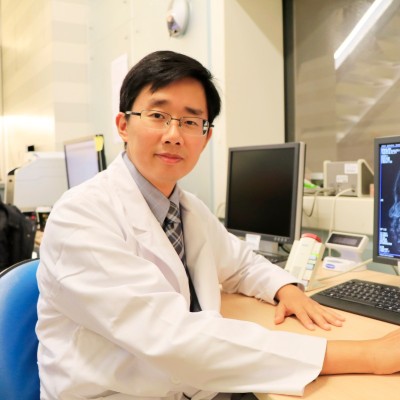
Professor Albert Yang shares how AI is helping clinicians move beyond symptom-based assessments towards more objective, brain-guided care. He talks about how AI is helping researchers detect brain abnormalities, identify early signs of mental illness and even personalise treatments for individual patients.
You developed BrainProbe, an AI-powered platform for assessing neuropsychiatric disorders. How is it changing the way clinicians diagnose and manage mental illness?
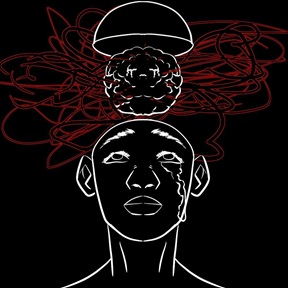
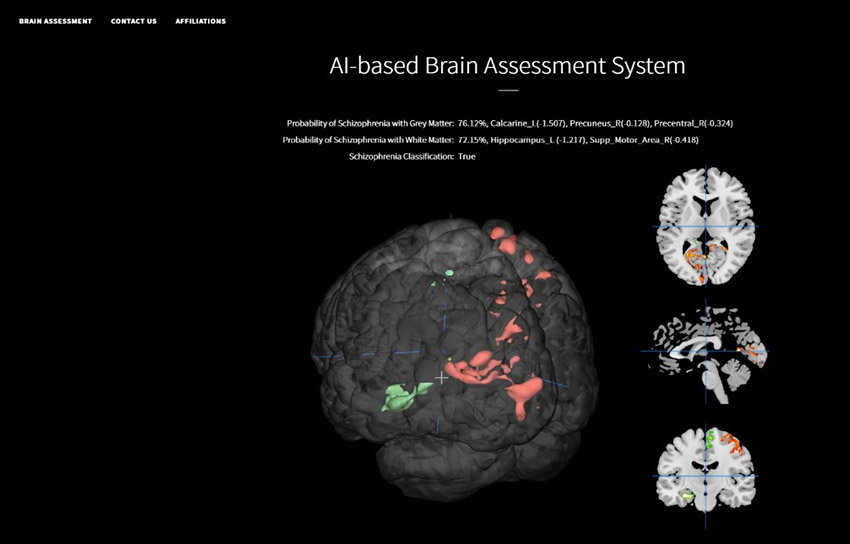
Psychiatry has traditionally relied on symptoms and clinical observation. BrainProbe adds an objective layer by analysing routine MRI scans using explainable AI and comparing them against healthy brain data. The platform provides clinicians with a visual report showing brain abnormalities and biological brain age, helping to support diagnosis and monitor changes over time. While it does not replace clinical judgement, it offers clinicians, patients and families a valuable reference point, particularly when diagnoses are uncertain.
Your work uses AI not only to detect brain abnormalities but also to guide treatment. How does AI help personalise interventions such as Temporal Interference Brain Stimulation (TIBS), and what could this mean for patients?
Many brain circuits involved in depression, psychosis and memory disorders lie deep within the brain and are difficult to target using existing non-invasive therapies. TIBS aims to stimulate these areas without surgery. First, AI helps identify the brain regions most affected based on the patient’s own MRI, then uses AI-driven electric field modelling to personalise stimulation settings. This could enable treatments tailored to an individual's brain rather than a one-size-fits-all approach. The team has completed a Phase I safety study and is moving into clinical trials for depression, schizophrenia, bipolar disorder and Alzheimer's disease.
Your research also suggests that AI can identify early signs of brain vulnerability before mental illness becomes fully established. How could this help clinicians intervene earlier and improve long-term outcomes for patients?
Changes in the brain can develop years before mental illness is diagnosed. Using brain-age prediction models, we found signs of accelerated brain ageing in people with schizophrenia, bipolar disorder and depression. Identifying these changes earlier could help clinicians monitor at-risk individuals more closely and introduce interventions before a major episode occurs. Ongoing studies will determine which markers are most predictive of future illness.
What are the biggest barriers to making AI-powered precision psychiatry part of routine clinical care, and what needs to happen next?
AI tools must first be validated across different populations, hospitals and imaging systems. Researchers also need to demonstrate that these technologies improve patient outcomes, not just diagnostic accuracy. Practical considerations such as MRI access, cost, reimbursement and clinician training remain important challenges. The next step is to conduct prospective studies that link AI-driven diagnosis with personalised treatment to show real-world clinical benefit.
For the upcoming International Conference on AI in Medicine at the Lee Kong Chian School of Medicine in Singapore, what are you most looking forward to?
I look forward to the conversations and opportunities for collaboration. Progress in AI-powered mental healthcare depends on clinicians, engineers, regulators and patients learning from one another. Hence, I am glad to be co-leading the workshop on AI-assisted mental health with Assistant Professor Wilson Goh from LKCMedicine, and to exchange ideas with colleagues at NTU Singapore and Singapore's Institute of Mental Health who are using AI to detect early signs of psychosis in young people.
Singapore's multi-ethnic population also offers a valuable setting for evaluating how well AI tools like BrainProbe can work across diverse Asian populations.
With NYCU being a partner of iAIM this year, I hope the conference fosters collaboration between Taiwan and Singapore that help move AI-enabled psychiatry closer to routine clinical practice.
Interested in AI in medicine? Don't miss the iAIM Conference from 3 to 5 December 2026, where Professor Yang and other prominent researchers will share their insights on the theme, “Rethinking AI for Medicine”. Register now: https://event.ntu.edu.sg/iAIM