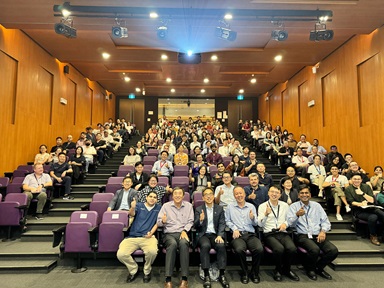
LKCMedicine Dean Named Fellow of the Singapore National Academy of Science
By Sanjay Devaraja
When Professor Joseph Sung began his career in medicine, the questions that mattered most were often found at the bedside.
Why did some patients develop peptic ulcers? How could ulcer bleeding be treated more effectively? How could research make a tangible difference to the lives of patients?
These questions would go on to shape a career spanning over 40 years in clinical medicine, biomedical research, medical education and academic leadership, eventually leading to his election as a Fellow of the Singapore National Academy of Science (SNAS), the Academy’s highest scientific honour.
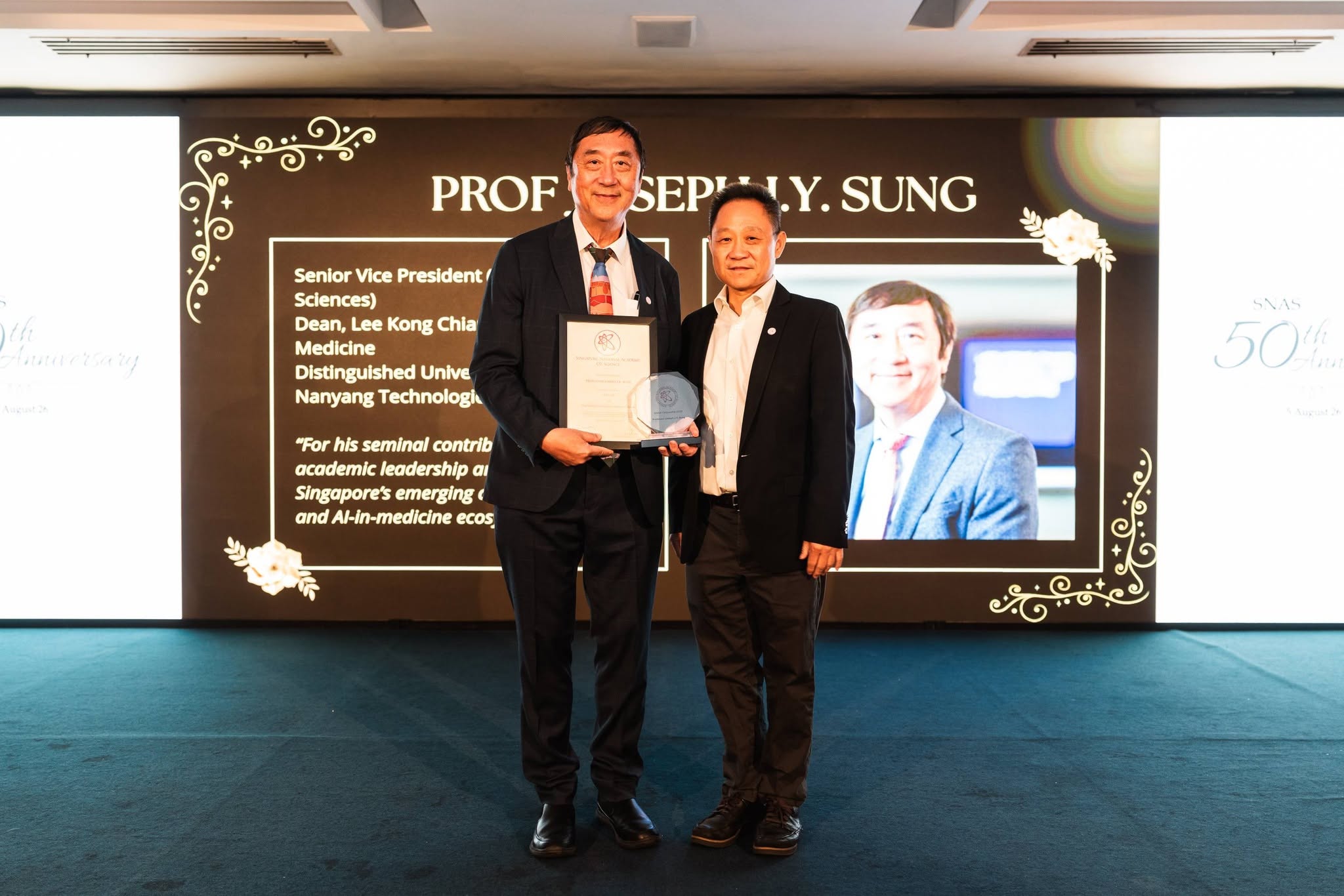
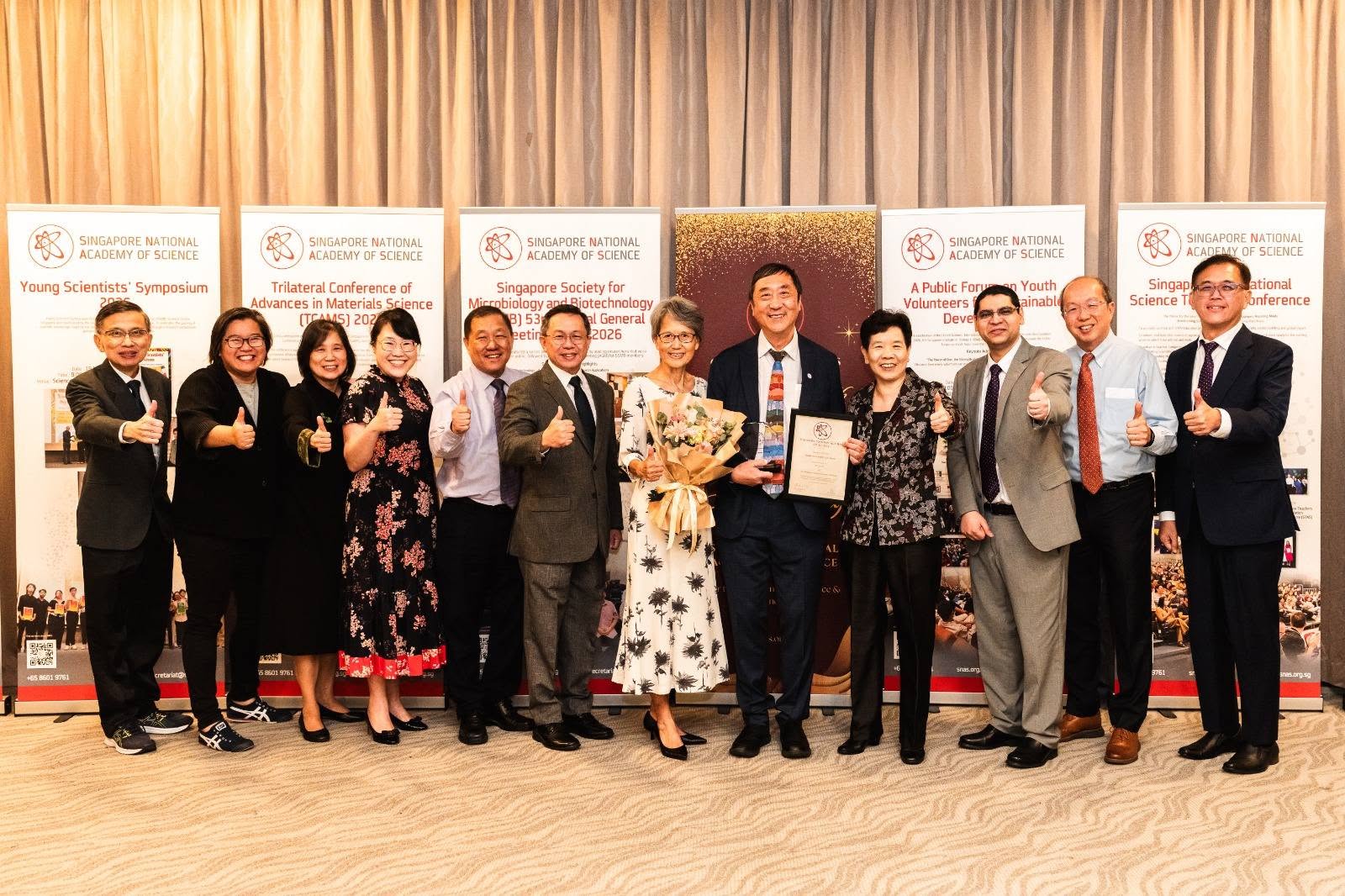
Prof Sung was conferred the Fellowship on 5 August 2026, as one of four scientists elected to the 2026 cohort. The recognition celebrates his contributions to health and life sciences, as well as his sustained efforts to advance medical research, education and academic leadership.
Reflecting on the role of science in society, Prof Sung said: “Science without humanity is blind; humanity without science is lame.”
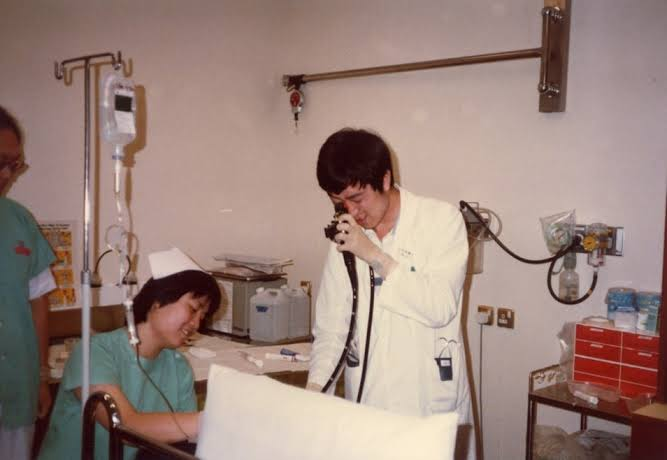
His early research focused on gastrointestinal diseases, particularly peptic ulcer disease and ulcer bleeding. Over time, Prof Sung’s research interests expanded to include the gut microbiome, digestive diseases, colorectal cancer and artificial intelligence in clinical medicine. While the subjects have evolved, his purpose has remained consistent: to find practical ways to prevent illness, improve diagnosis and enhance patient care.
The strategist for the future of medicine
As his research career developed, so did his responsibilities as an educator and institutional leader.
Today, Prof Sung serves as Dean of LKCMedicine, NTU Singapore’s Senior Vice President (Health & Life Sciences) and a Director of the Centre of AI in Medicine (C-AIM). His leadership has also extended into emerging areas that are reshaping healthcare. He sees collaboration among medicine, engineering, data science, social science and education as essential to preparing for the future.
His vision is reflected in the development of the Centre of AI in Medicine, a partnership between NTU Singapore and NHG Health that brings together expertise from medicine, engineering, data science, social science and education.
“Artificial intelligence can help us manage information, recognise patterns and support decision-making. It cannot replace the trust, judgement, empathy and responsibility at the heart of the doctor–patient relationship,” said Prof Sung, who also serves as the Director of C-AIM.
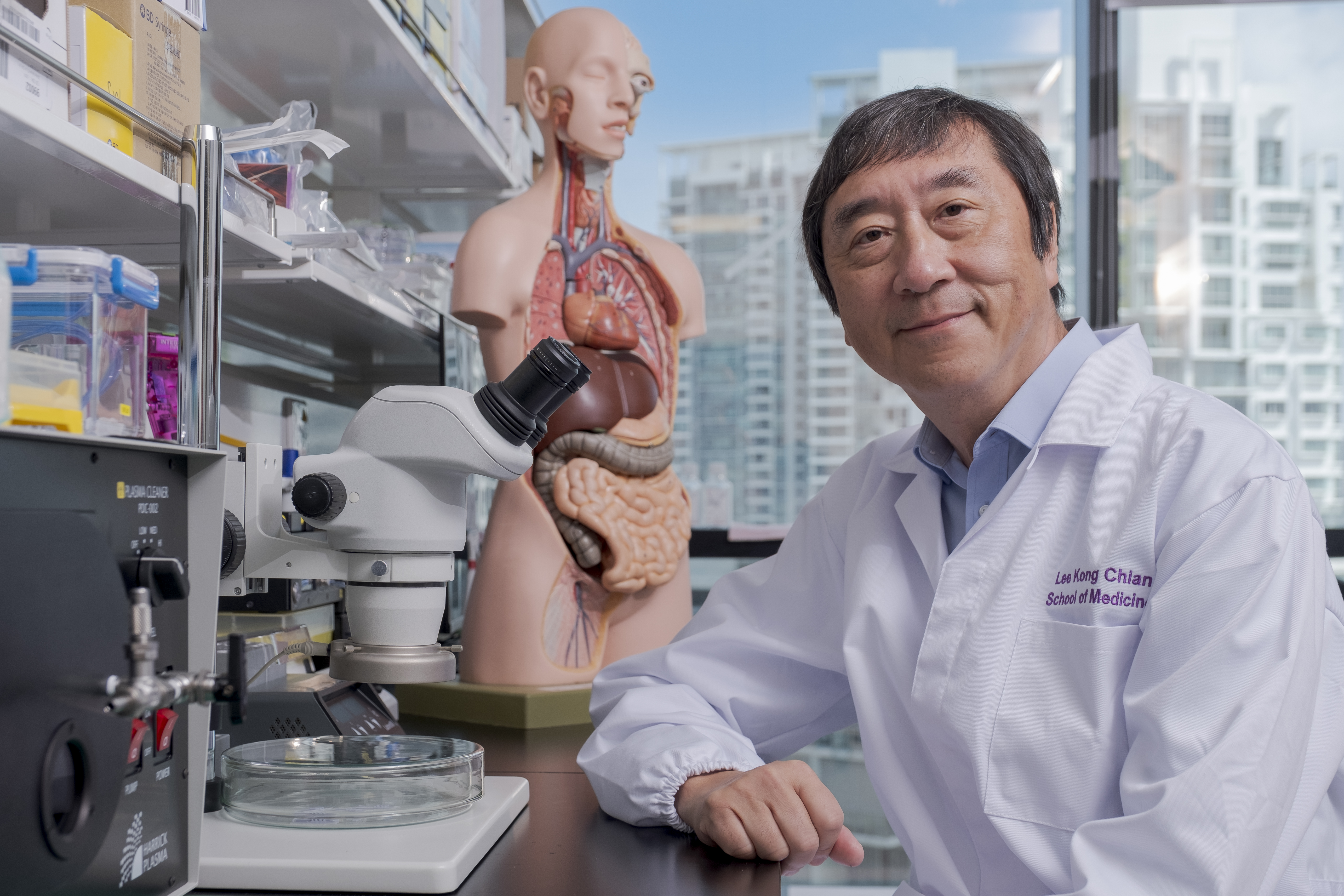
In December 2026, Centre of AI in Medicine and LKCMedicine are co-organising an International Conference on AI in Medicine, bringing the research community to NTU Singapore, where international, local and industry speakers are congregating to discuss how to rethink AI for medicine so it delivers real-world improvements in patient care while safeguarding the doctor–patient relationship, clinician skills and medical education.
The conference theme, “Rethinking AI for Medicine”, responds to the gap between AI’s excitement and its still-limited real-world clinical adoption. Together with a call for abstracts aimed at a global network of international, local and industry leaders, attendees can expect a mix of academic, clinical and industry perspectives on AI in medicine.
Nurturing the next generation of clinician–scientists
For Prof Sung, research achieves its greatest impact when it is connected across multiple disciplines.
“The most rewarding aspect of research is seeing a finding move beyond the laboratory and change the way patients are diagnosed, treated or cared for. Translational research is not a one-way journey from the laboratory to the clinic; it is a continuous conversation between science, medicine, patients and society,” he said.
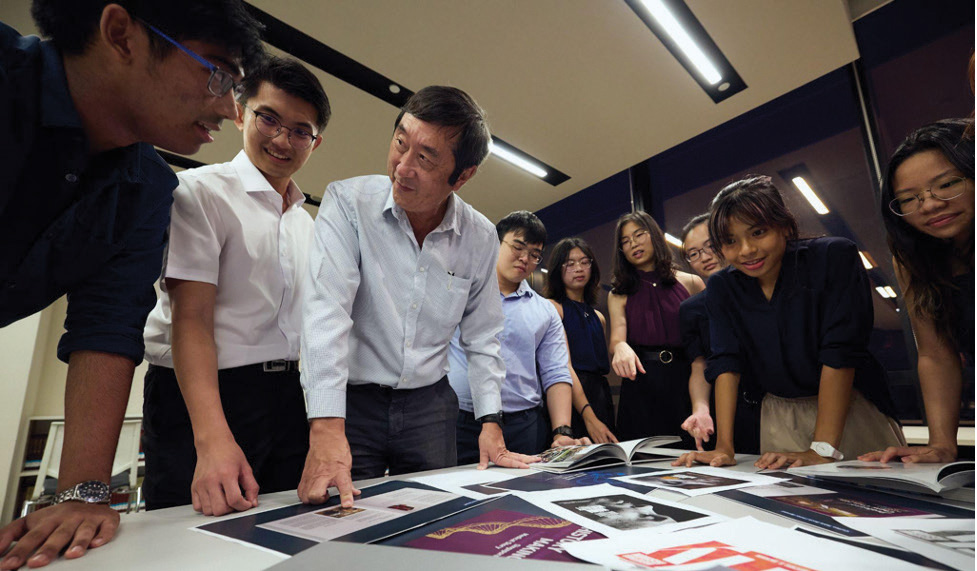
That conversation also informs his approach to developing the next generation of doctors and researchers. A key priority for LKCMedicine is to nurture clinician–scientists who can move seamlessly between the clinic and the laboratory, identify unmet needs and pursue research that remains relevant to patients.
Prof Sung believes that young doctors should not have to choose between clinical excellence and scientific discovery. His vision for the Academic Partnership Office extends beyond that of an administrative unit: it is a strategic engine that brings together NHG’s clinical network, LKCMedicine’s academic strengths and NTU’s interdisciplinary capabilities.
“If we want to develop more clinician–scientists, we must create an environment in which young doctors can pursue research without feeling that they have to choose between being an excellent clinician and an excellent scientist,” he emphasised.
Against this backdrop, Professor Sung’s election as an SNAS Fellow represents more than recognition for individual achievements. The Fellowship reflects LKCMedicine’s aspirations to bring together excellent medical education, impactful research and a deep commitment to the communities it serves.
“This Fellowship is an honour, but it is also a reminder that there is much more to do. I hope to continue contributing to medicine, science and education, and to support colleagues and young researchers in their own journeys. We must pursue innovation boldly, but always remember the patients and communities whom our work is intended to serve.”