
A city and its tongue: the forgotten world of Portuguese-Chinese translators in early modern Macau and beyond
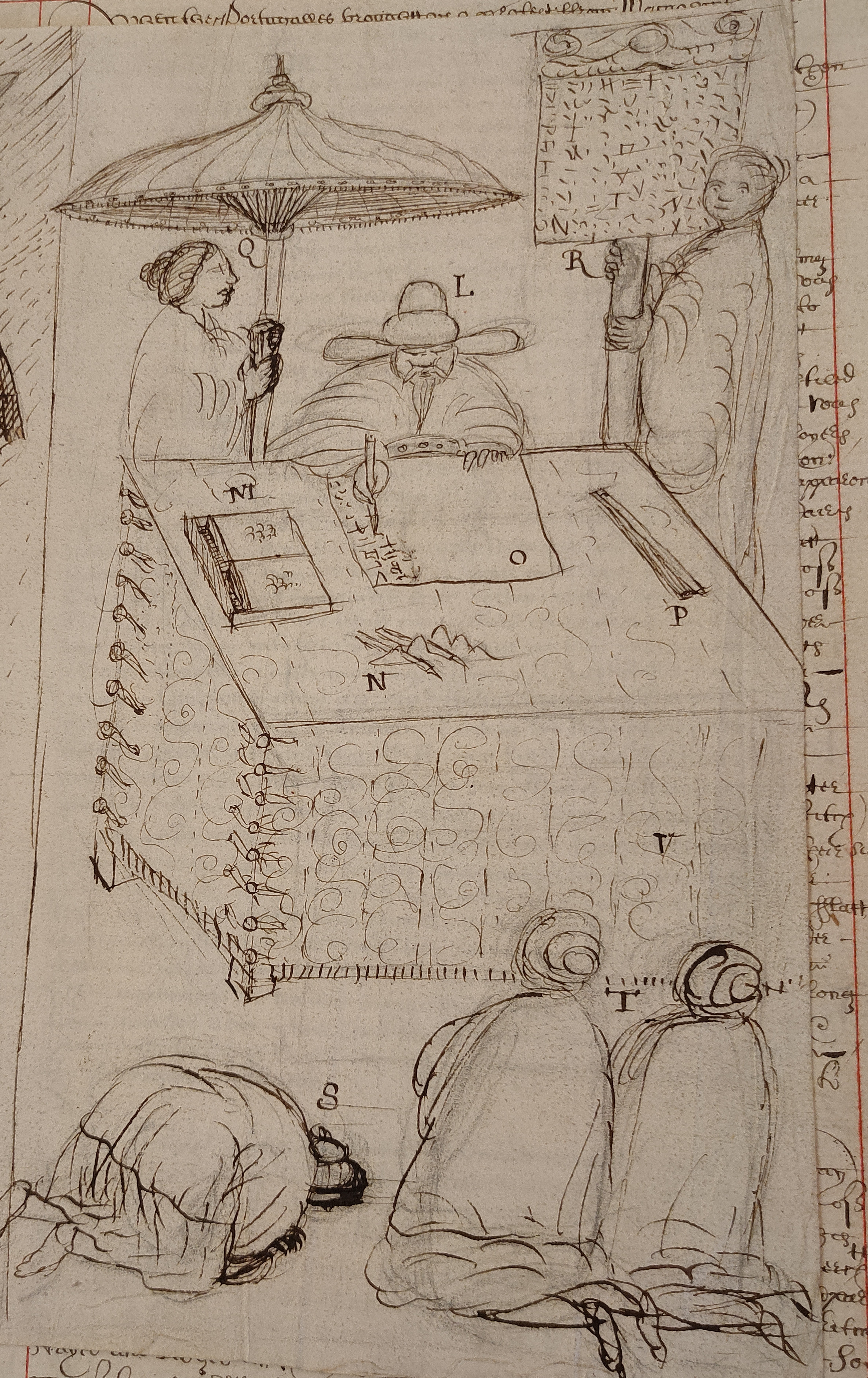
The ‘linguists’ (通事 or jurubaças), bilingual Portuguese-Chinese translators and interpreters, were once the most important mediators and brokers of Sino-Western encounter in sixteenth and seventeenth-century Macau and the Pearl River Delta. Crossing archives in multiple languages, I tell the story of their origins in an illicit private trade between Portuguese Melaka and the South China coast, their co-option into the Portuguese and Chinese states through the creation of an extensive infrastructure of translation in Macau and Guangzhou, and how their very effectiveness became their undoing as newly-arrived English merchants sought alternative bilingual contacts to bypass control by the official linguists. Arguing against readings of this history based on modern ideals of the faithful, invisible, neutral translator, I suggest the importance of understanding that translation is judged by standards that are socially-contingent and historically-specific. At the centre of contemporaries’ thinking was the entanglement of state and commerce, and the role of the profit motive. They discussed the fidelity of translations not as a value-neutral judgement but as inseparable from human agency and motives. In this way, they framed the linguists using a language alien to modern translation theory, such as honesty, courage, and profit, acknowledging the linguists’ self-interest and active involvement as negotiators and brokers in their own right. This, I suggest, still has a relevance to our thinking about informal translator-brokers on China’s borderlands today.
Jacob Fordham is a research officer in the Department of Government at the London School of Economics and Political Science, working on the British Academy Global Convening Programme ‘Chinese Global Orders’, having previously obtained a DPhil in Asian and Middle Eastern Studies from the University of Oxford and an MA in Translation Studies from the University of Sheffield. Formerly a legal translator, he is a historian of changing norms and practices linking translation, commerce, and governance on the early modern South China coast and maritime Asia, working with Chinese, Portuguese, and British archives.