
Research Overview
As a research-intensive university, NTU has a vibrant research culture and environment. It has established a global reputation in fields such as biomedical engineering, clean energy, advanced materials and environment, intelligent systems, and nanotechnology.
To consolidate and further advance our research standing and capabilities, NTU College of Science (CoS) has identified niche areas of research and innovation strength; and actively facilitating and encouraging interdisciplinary and multidisciplinary research, recruiting and retaining talents, and strengthening partnerships with world leading institutions and industry partners.
.png?sfvrsn=539b34ee_0)
.jpg?sfvrsn=43f8ded7_0)
Research News & Highlights
Asian School of the Environment


School of Biological Sciences
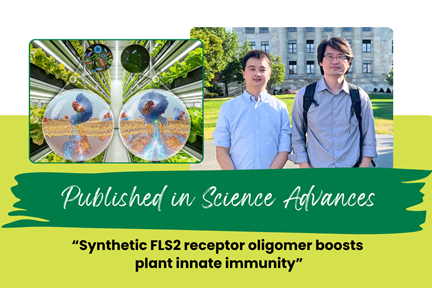


School of Chemistry, Chemical Engineering and Biotechnology




School of Physical and Mathematical Sciences
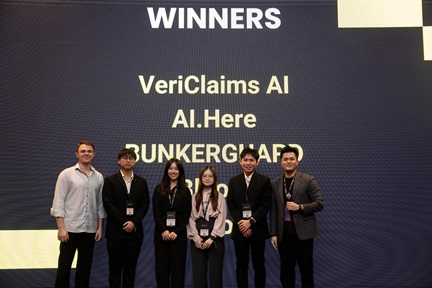
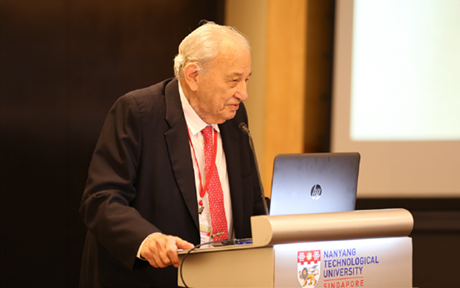
-with-the-super-resolution-microscope-developed-for-this-research-work-dr-giorgio-adamo-(top-right)-and-professor-nikolay-i-zheludev-(bottom-right)beeb24fa-d066-4cf7-ac50-8a7437ee4e77.tmb-listing.png?sfvrsn=f3d77414_1 "Dr Chang Taeyong (left) with the super-resolution microscope developed for this research work, Dr Giorgio Adamo (top right) and Professor Nikolay I. Zheludev (bottom right).")
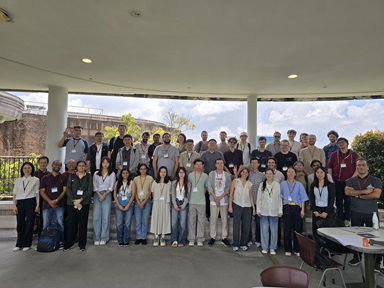
List of facilities in CoS
| School | Facilities open to the public | Facilities for internal use |
| ASE | - | Click here |
| CCEB | Click here | Click here |
| SBS | Click here | Click here |
| SPMS | Click here | Click here |
Click here to view the list of IT software.