Healthy Ageing, Backed By Science
Singapore is moving into a super-aged society, with 1 in 4 citizens aged 65 and above by 2030. This brings challenges in healthcare, employment, and social support — but also opportunities in the “silver economy” ranging from products, services, and technology for seniors. The shift has been accompanied with governmental initiatives targeted at preventive care, active ageing programmes and social support. Ageing research in Singapore is expanding with more studies and funding across a spectrum of usability engineering, advanced care planning and end of life care.
Read on to find out more about the key research areas of our faculty trainers in healthy ageing.

Technology is changing how older adults live, stay healthy, and remain independent. Two studies in Singapore — SingaporeWALK and research on smart home sensors — show how everyday tools can make a real difference in the lives of the aged.
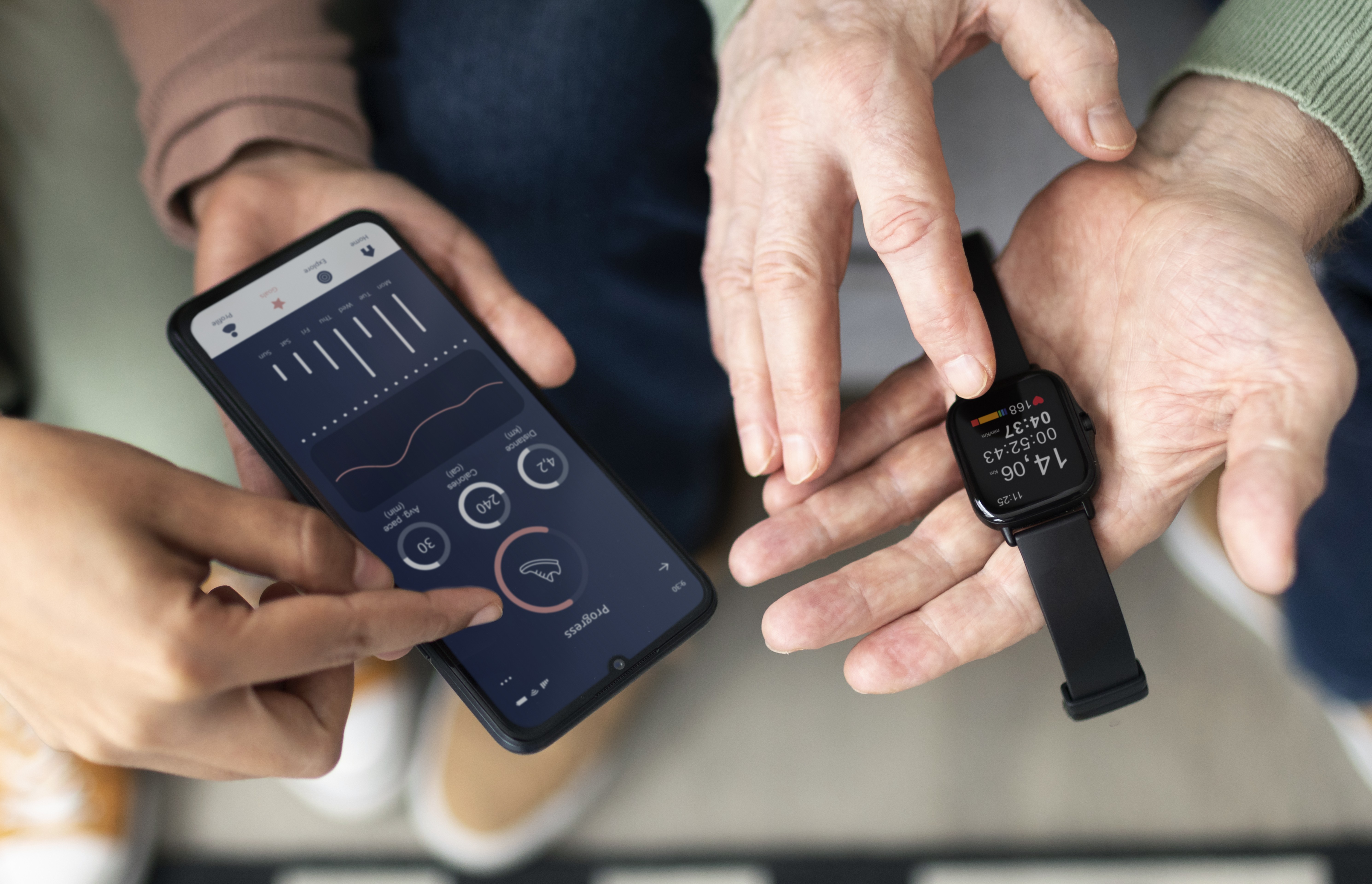
SingaporeWALK used apps and wearables to encourage seniors to stay active with various in-app features. One of the most effective features was “exergames”, fun exercise games that motivated regular physical activity. These tools also collected health data, allowing continuous monitoring and even predicting potential health issues. Interestingly, seniors experienced improved mental well-being as an unintended benefit, regardless of their background or comfort with technology. This finding underscores the wide and deep potential of the technology-enabled application.
The second study explored how smart home devices can help seniors live safely and independently. Motion sensors tracked movement - smart plugs monitored appliance use, door contacts detected openings and closings, key tags indicated whether someone was home, and bedroom assistants or sound sensors noticed irregular activities. All of these devices connect to a mobile app, sending notifications to caregivers or family in case of emergencies, giving both seniors and their loved ones a peace of mind.
Both studies highlight a key lesson: technology works best when it is simple, supportive and tailored to real user needs. Whether through interactive gaming, wearable health monitoring, or smart home safety tools, seniors can enjoy healthier, more independent lives while feeling safe and supported.


Well-being and emotional balance are important at every stage of life, but they become especially crucial when facing serious challenges, such as terminal illness or mental health struggles. Two recent research areas shed light on how people can cultivate presence, resilience, and peace in difficult circumstances.
One study focused on Asian terminally ill patients, exploring how mindful living can enhance the quality of life at the end of life. Mindful living here includes self-awareness, attention from family, and acceptance of mortality. Patients who are self-aware draw on resilience and sometimes spiritual beliefs to cope with illness. Support from family and recognition of one’s legacy strengthen connections, while preparations for death provide a sense of closure. Altogether, these practices help patients experience their final moments with dignity and emotional calm.
The second study examined mental health apps using conversational agents — interactive chatbots that provide support for stress, anxiety, and depression. These apps use techniques such as cognitive behavioral therapy, motivational content, and relaxation exercises like breathing or gratitude practices. By being accessible, private, and easy to use, they help users manage emotional distress, build resilience, and practise mindfulness in daily life.
The common theme between the two studies is clear: well-being improves when individuals are supported through relationships, self-reflection, or accessible tools, allowing them to face life’s challenges with clarity, presence, and peace. Whether through mindful living at life’s end or digital interventions for mental health, these approaches show that emotional support and intentional practices can make a meaningful difference in how we experience life.


Dignity at the end of life is often overlooked, especially in healthcare systems where the main focus is on treating physical symptoms rather than addressing emotional, relational, and spiritual needs. Yet research shows that how people feel in their final days — whether respected, heard, and connected — deeply shapes not just their own well-being but also the experiences of their families. Two studies in Asia evaluate why conversations about dignity and end-of-life care matter, and what we can learn from them as individuals and as a society.
A new approach called the Family Dignity Intervention (FDI) was developed to support patients nearing the end of life. Researchers found that when dignity is undermined, patients often face depression, anxiety, hopelessness, and even a loss of will to live. On the other hand, when dignity is elevated, patients feel a sense of pride, control, self-respect, and peace.
One of the strongest influences on dignity is a senior’s family. While much of medical care focuses on physical comfort, this study undercovers that emotional bonding and open conversations within families are just as critical as other work on symptom alleviation. In many Asian households, difficult topics about illness and death are often avoided. Creating space for honest dialogue can help patients feel valued, cared for, and loved until the very end.
The second study looked at Advance Care Planning (ACP) — the process of sharing preferences for future medical treatment. With Asia home to one-third of the world’s elderly population, the demand for palliative care is rising rapidly. ACP empowers individuals to decide the type of care they want, rather than leaving families and doctors to make those difficult decisions during times of crisis. ACP not only strengthens patient autonomy but also ensures that healthcare resources are used in ways that align with what people truly value. At a national level, this creates more sustainable healthcare systems. On a personal level, it reduces stress and conflict for families during already difficult times.
As Asia faces a rapidly ageing population, these insights could not be more urgent. Planning ahead, talking openly, and putting dignity at the heart of care are not just medical strategies — they are a force for redefining care. By normalising conversations about care, strengthening family connections, and embedding dignity into healthcare systems, we can build a culture of compassionate end-of-life care.
Be part of our journey towards making healthy ageing a way of life — explore our programme on Essential Health Coaching for Healthy Ageing here.