Bridging the Digital Divide: Connecting Skills, Strategy and Opportunity
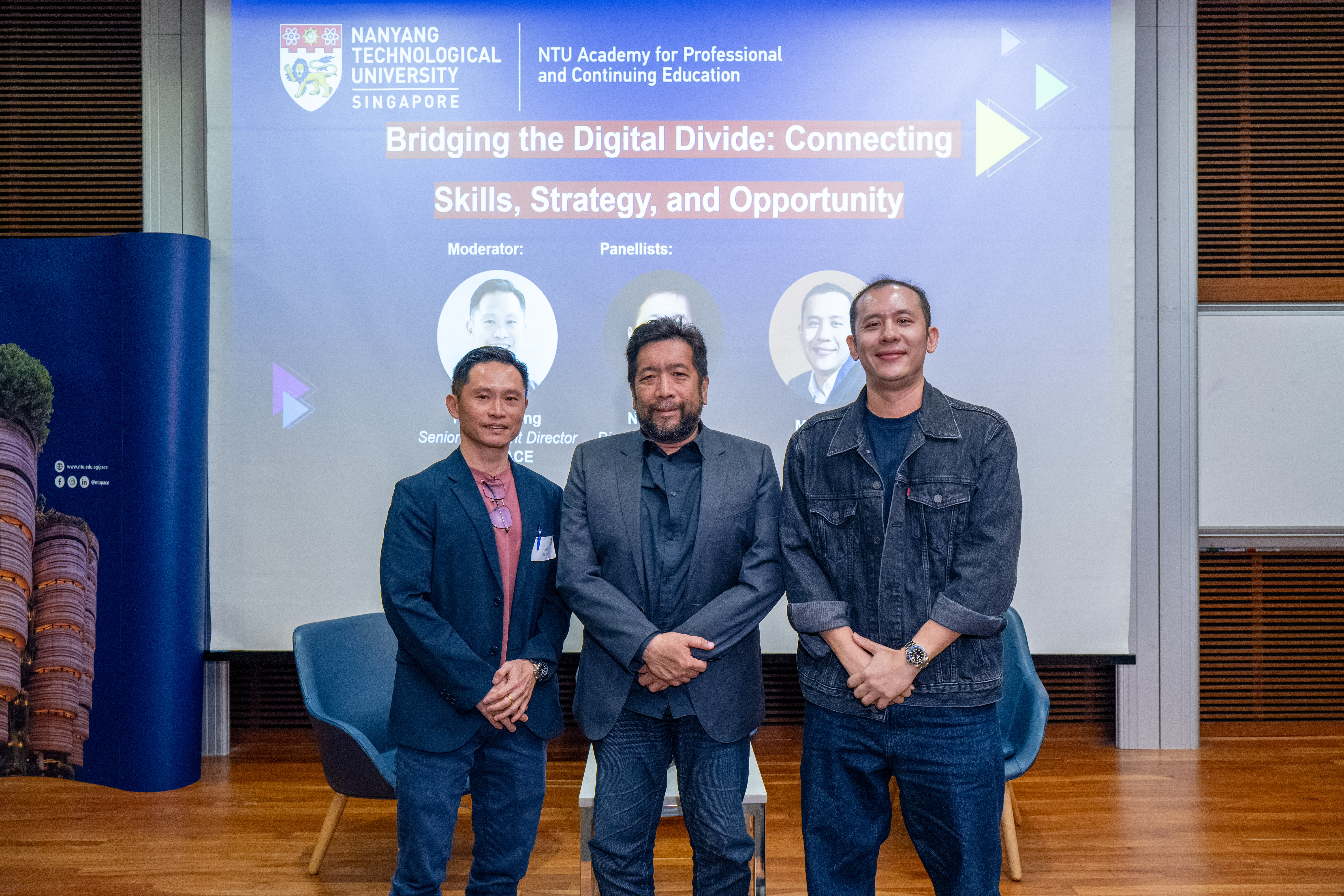
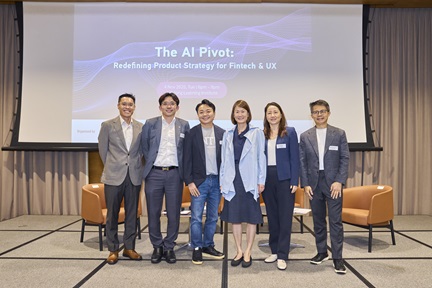
(From left) Panellists consist of Ivan Choong, Senior Assistant Director, NTU PACE, Nick Goh, Director (Training & Education) of Association of Advertising & Marketing Singapore, and Maxim Tint, President of Tech Talent Assembly.
Technology is transforming roles faster than ever before, redefining what it means to stay relevant at work. As automation and AI reshape industries, professionals who pair digital fluency with deep domain expertise stand out. Mid-career workers, in particular, hold a unique edge: their industry experience allows them to apply new technologies with context and insight. Success today lies in demonstrating capability through real-world impact — translating learning into value, building credible digital footprints, and embracing change as a constant. The future belongs to those who not only keep pace with transformation but turn it into opportunity.
What began as the internet revolution has moved through eras of interactive media, digital marketing and cloud computing, and has now entered the age of generative AI, quantum technology and edge computing. Each leap has reshaped not just how businesses operate, but what skills they value and require.
Today’s labour market is increasingly defined by technology’s disruptive power. Employers have become more selective, balancing optimism about innovation with caution over rapid automation. The introduction of AI has turned the job market into an employer’s market, one that rewards competency agility, technical and attitudinal adaptability and a hunger to learn. In this environment, technical skills are only the starting point. What distinguishes professionals is the ability to stay current, connected and curious. The courage to explore emerging technologies, even when they feel unfamiliar, is what future-proofs a career.
Adapting to Acceleration
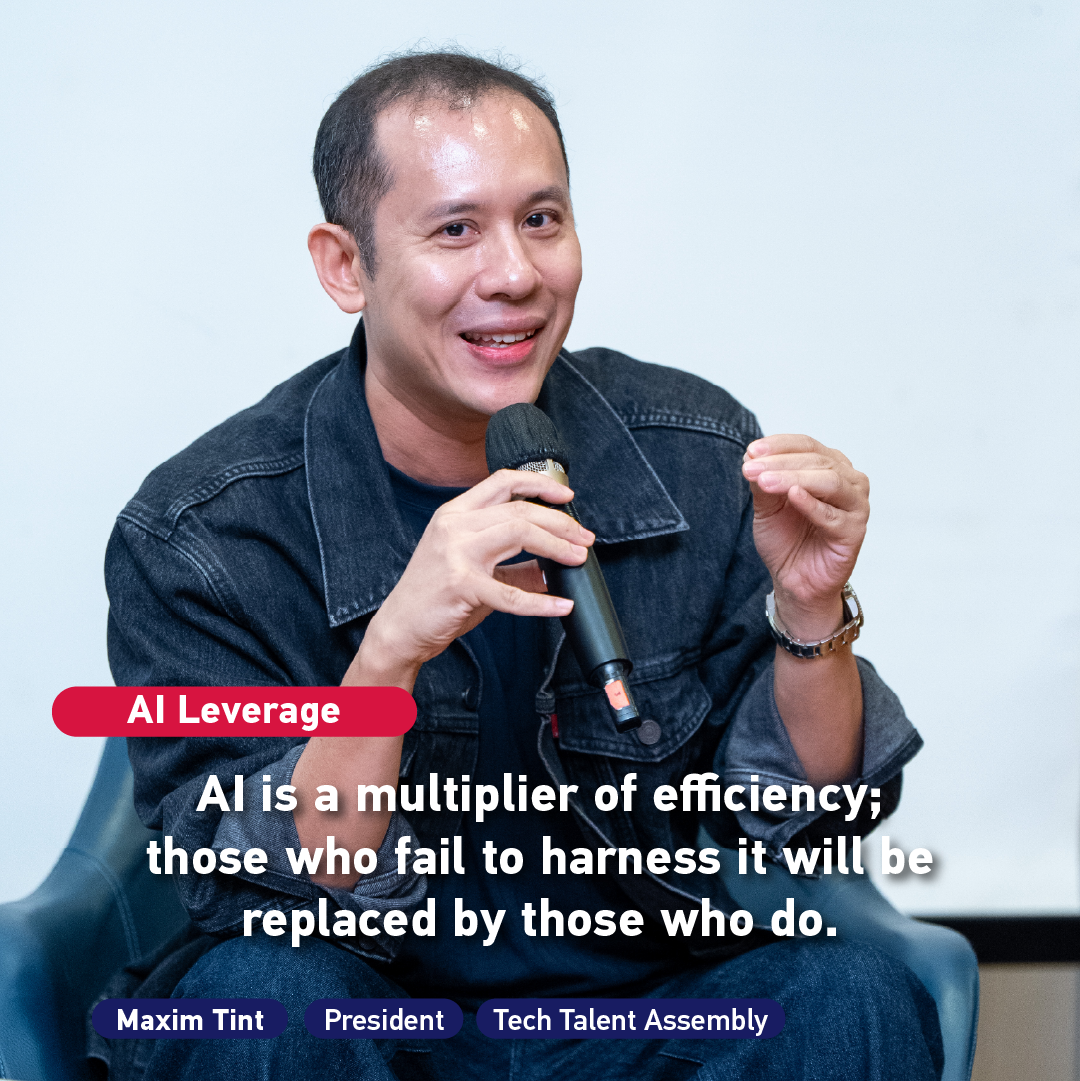
The pace of innovation today mirrors our journey from manual transmission to automatic and now to autonomous driving. In the past, professionals had to shift gears constantly, managing every process by hand. Automation brought the equivalent of automatic transmission, streamlining repetitive work. Now, AI takes us into the era of autonomous driving, where systems can anticipate needs, make decisions, and act independently. Yet, humans remain at the wheel, guiding direction, setting vision, and applying judgment. AI is not replacing human capability, it is amplifying it. Those who learn to harness it as a force multiplier will accelerate ahead while those who resist, risk being left behind.
Yet with the influx of new graduates entering the workforce, differentiation becomes a critical challenge. When technical skills are widely accessible, it is one’s prior experience that sets them apart. Mid-career professionals can gain a significant advantage by pairing their industry knowledge, whether in hospitality, manufacturing, healthcare, or engineering, with newly acquired digital skills. This combination allows them to solve problems with context, anticipate challenges, and drive impact in ways that fresh graduates, despite their technical training, may not yet be equipped to do. By strategically applying digital tools to their domain expertise, mid-career professionals can position themselves as highly relevant and versatile contributors.
Networking remains one of the most powerful currencies in today’s digital landscape. The best opportunities often aren’t listed on job portals but are discovered through active engagement in professional communities and online networks. Platforms like LinkedIn and GitHub allow professionals to showcase their skills and connect directly with peers and hiring managers. Staying connected through alumni networks like NTU Alumni Connect, and participating in industry associations such as SGTech, Singapore Computer Society (SCS), or Association of Advertising and Marketing Singapore (AAMS) can reveal opportunities, partnerships, and projects long before they are publicly advertised.
Mindsets That Drive Career Transitions
Career switchers bring tremendous value to the tech and digital space. An accountant moving into digital marketing or a hotel manager adopting automation tools carries not just transferable skills but also a rare perspective on customer needs and operational realities. For instance, a hospitality professional who once focused on guest experience can now apply that same service mindset to designing user journeys in digital platforms or implementing AI-driven service systems that anticipate customer preferences.
Success in switching careers comes down to mindset: a willingness to unlearn old habits, relearn new approaches and experiment with emerging tools. The most successful transitions balance respect for past best practices with openness to new ways of thinking. Those who can empathise with their previous roles while implementing new technologies can bridge gaps between legacy operations and future-ready solutions. The key is to embrace this volatility, normalise change and cultivate an agile mindset that can navigate continual disruption.
Translating Learning into Relevance
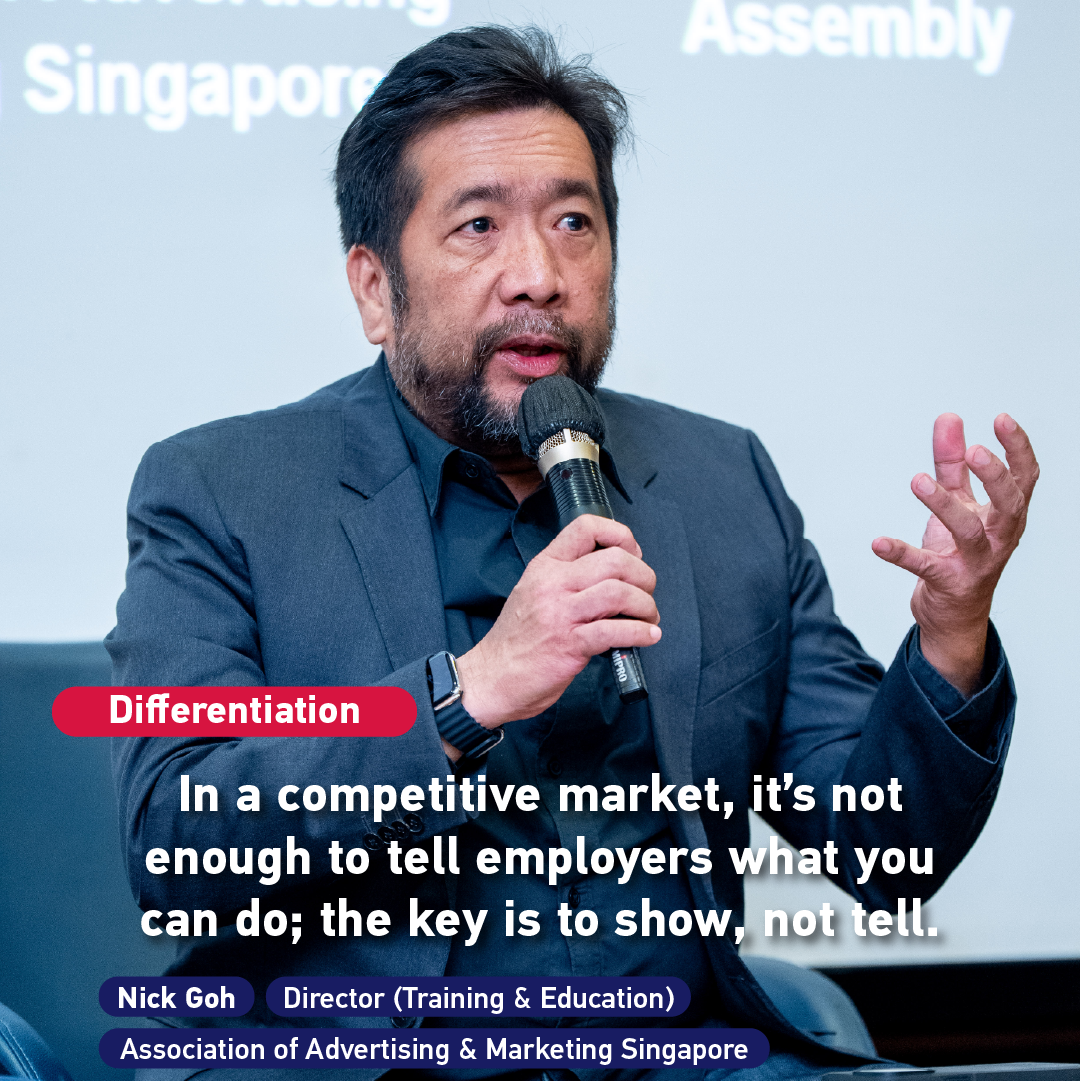
As digital transformation accelerates, the biggest challenge isn’t just learning new skills but translating them into visible, demonstrable value. Employers no longer hire based solely on qualifications; they look for evidence of capability. Hands-on experience, portfolios and real-world projects now weigh more heavily than certificates alone. For instance, contributing to an open-source project on GitHub can showcase both technical expertise and collaboration skills — tangible proof of what a candidate can build, solve, and deliver in a real-world context.
Those entering or re-entering the workforce should seek opportunities to apply their learning through freelance projects, collaborations or contributions to small businesses and start-ups. Even small-scale, self-initiated projects can demonstrate initiative and problem-solving ability. In a competitive market, it’s not enough to tell employers what you can do; you must show it.
Building a digital footprint that reflects credibility and confidence is equally important. Profiles on professional platforms should showcase outcomes, not just responsibilities. Endorsements, testimonials and project evidence all serve as trust signals in an era where even hiring processes are filtered through AI algorithms.
The Human Edge
Despite technological advancement, the human element remains irreplaceable. Employers look beyond technical proficiency to assess mindset adaptability, interpersonal communication and innate drive. Soft skills such as demonstrated empathy, teamwork and curiosity are what translate technical knowledge into strategic business value.
Building a personal brand grounded in authenticity and showcasing the impact of results garnered helps professionals to stand out. It’s about articulating not just what you’ve done, but why it matters. For example, instead of simply stating that you managed a marketing campaign, you could highlight that your strategy increased online engagement by 35 percent and led to a 20 percent increase in sales, demonstrating measurable impact. Crafting stories like this, which articulate clear outcomes and value, can elevate a profile from ordinary to memorable.
Networking, personal branding and self-awareness are not optional extras; they are integral to success in a world where AI can replicate skills but not human connection. The future belongs to those who combine digital fluency with emotional intelligence, who think strategically, act courageously and stay relentlessly curious about what comes next.
The digital divide is not just about access to technology; it’s about access to opportunity. Bridging that gap requires a mindset of continuous learning, a readiness to adapt and the confidence to create value where technology and humanity meet. The most successful professionals will not simply keep up with change — they will lead it.