Navigating Tomorrow’s Careers: Insights on Jobs, Data, AI, and Personal Growth
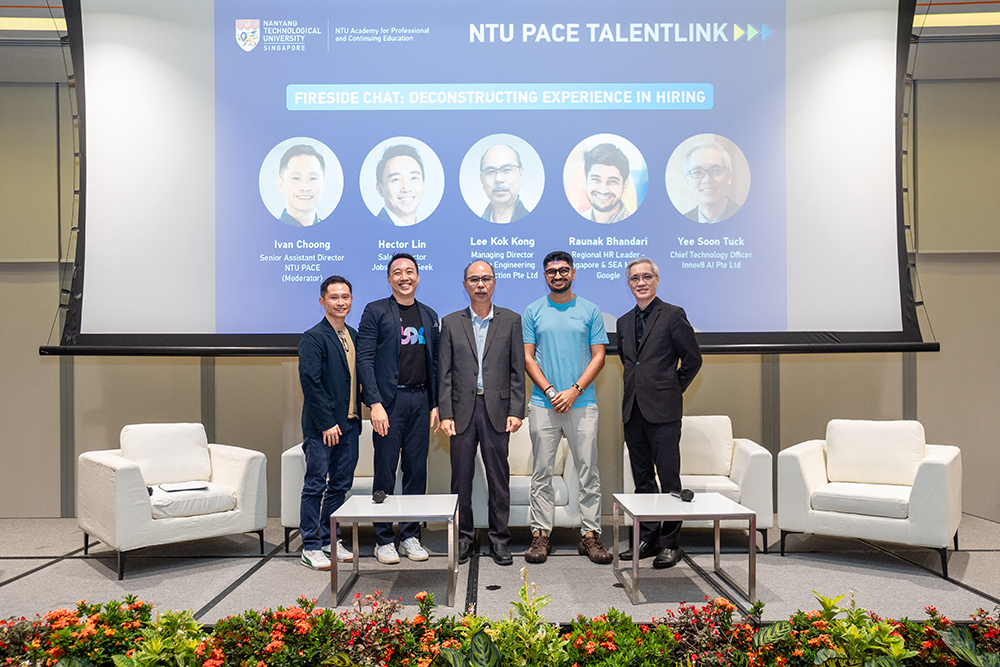
Rethinking “Experience”
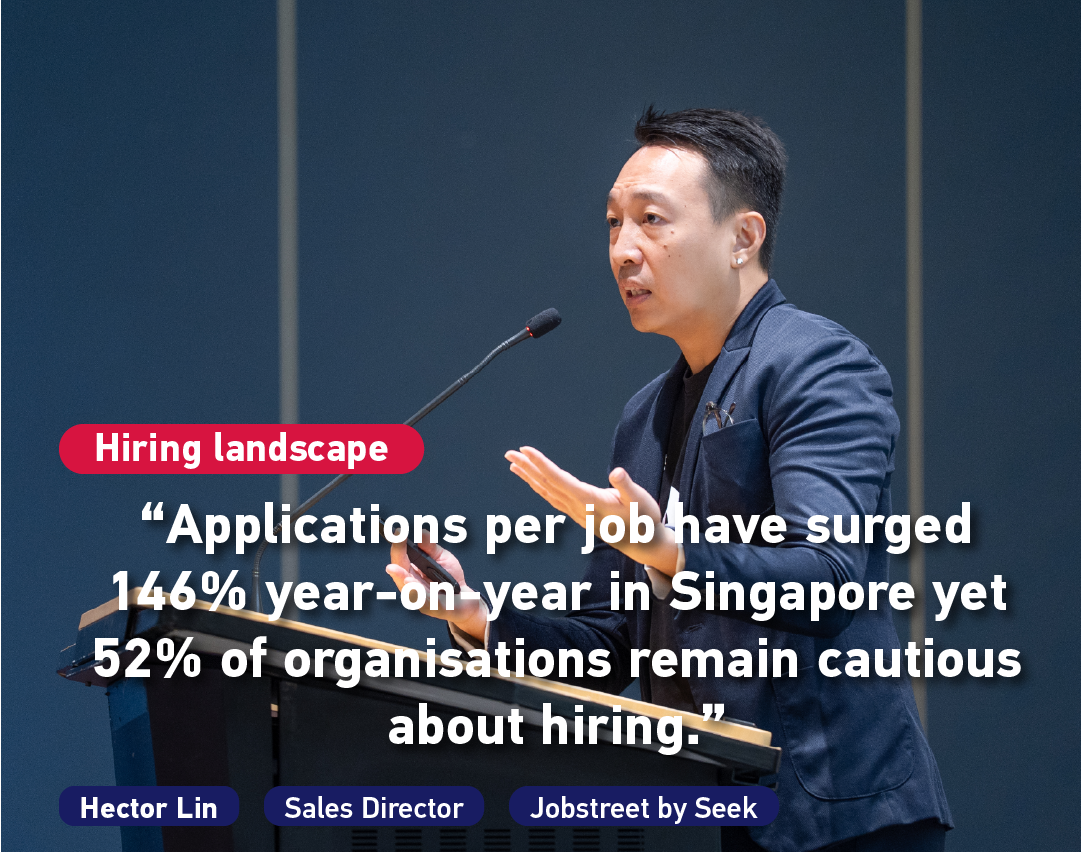
The job market is evolving faster than ever. Traditional career paths are giving way to fluid transitions, where professionals move across roles and industry sectors more frequently than before. In Singapore, jobseekers are submitting applications at an unprecedented speed, with a 146% surge in applications per job posting in 2024, yet 52% of employers remain cautious with hiring and increasing their employee headcount. This essentially means competition is rising even as opportunities appear stable.
While many candidates use AI tools to prepare resumes, there runs the risk that applications start to look homogeneous in a crowd. Employers, in turn, are looking for authenticity and clear proof of skills rather than polished but generic CVs with a bombardment of buzzwords. In this crowded job market, digital tools may get one through the applicant tracking system, but a sincerity in your personal character and your past track record are things that truly set you apart.
This is further complicated by the shifting definition of an “experienced hire”. Once measured by the number of years in the workforce, experience is now increasingly viewed through the lens of skills, adaptability, and attitude. Employers no longer see career transitions as unusual — a professional moving from policing to tech, or a parent rejoining the workforce after a career break and upskilling brings transferable skills that can be as valuable as continuous, direct industry experience.
Still, the challenges for “experienced hires” remain. Seasoned candidates entering new industries are sometimes treated like fresh graduates, despite their prior background. Employers are urged to recognise the value of applicable transferable skills and not undervalue what career switchers can bring to the table. At the same time, individuals must remain adaptable, unlearn old habits when necessary, and embrace lifelong learning as a continual process.
At the same time, technology is adding urgency to this conversation. Rapid advances in AI and automation mean that skills become redundant more quickly, making continuous reskilling highly essential. Employers, too, must support this by providing opportunities for upskilling and competency development, not only in technical roles but across functions and soft skills.
Ultimately, one’s attitude trumps tenure in the long run. While skills can be taught, and experience builds over time, the willingness to learn and adapt is what ensures sustained success at the workplace. As work continues to evolve, whether toward hybrid working models, new technologies, or cross-industry mobility, the future of hiring will be less about ticking boxes and more about recognising potential, adaptability, and the drive to grow.
Global Learning, Lifelong Hiring
We are living in an era where careers evolve faster than you can say Jack Robinson. New technologies, shifting economies, and dynamic business needs are rewriting job descriptions almost overnight — often with the help of AI. In this landscape, proactive and reactive career shifts are not the exception but the norm.
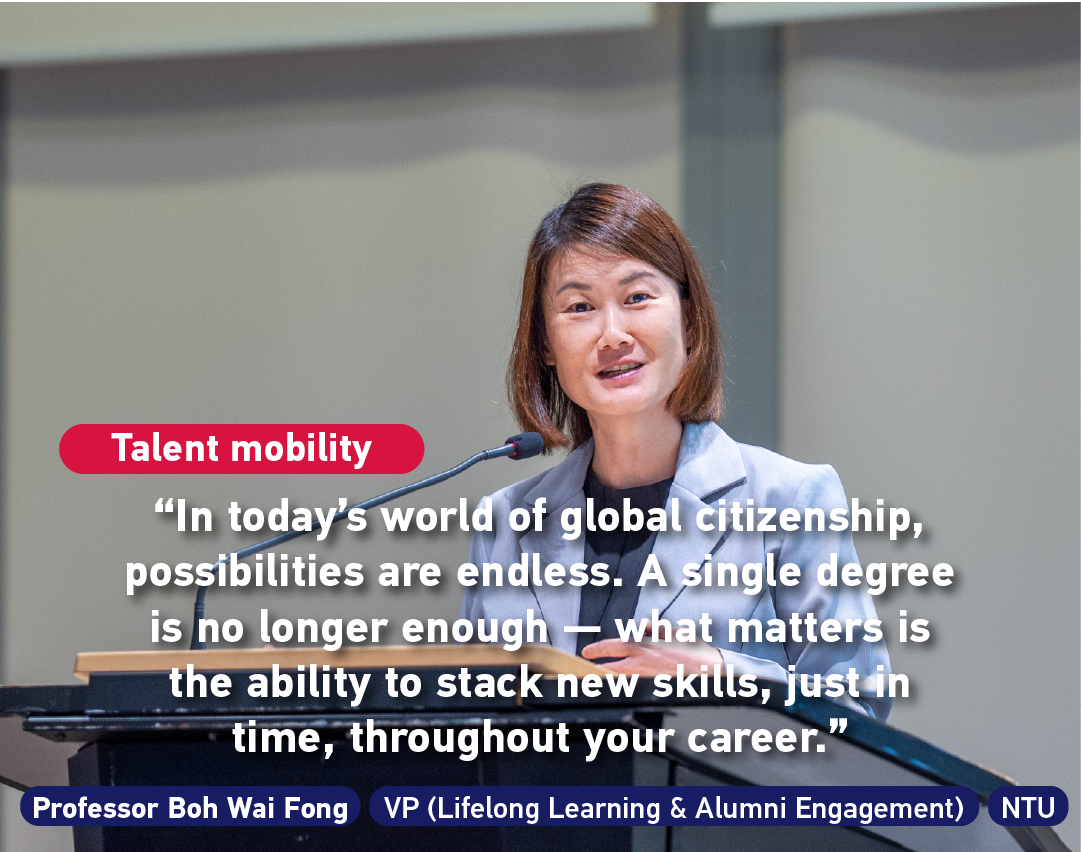
At the core of this transformation is talent mobility. The skills employees develop in one role can carry them across teams, industries, and even borders. Today, global citizenship means opportunity is no longer confined to physical geography. A single degree is just the starting point; what matters is the ability to continuously stack new skills, just in time and throughout one’s career, like regular nourishment to our skillset.
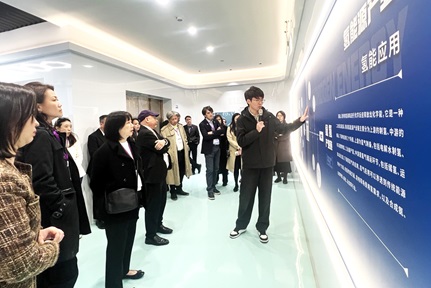
Knowledge and innovation now move across borders faster than goods or services. Professionals who thrive are those who embrace lifelong learning, adapt to diverse markets, and build connections across cultures. China exemplifies this momentum: as a hub of industrial innovation, the country leads in big data, cloud computing, and smart manufacturing, showcasing how rapidly transforming ecosystems demand the ability to learn quickly. Innovation ecosystems flourish when talent and ideas move seamlessly, reinforcing the link between human adaptability and long-term competitiveness.
The Data Edge: Unleashing your potential with analytics & AI
Notably, Singapore is emerging as a frontrunner in AI adoption, standing alongside major players such as China, India and the United Arab Emirates. One successful AI application is Singapore’s homegrown LLM Sea Lion, a $70-million initiative funded by the National Research Foundation and backed by the Infocomm Media Development Authority and the Agency for Science, Technology, and Research. Since its launch, it has received 235,000 downloads and has been adopted by major companies. Sea Lion has outperformed ChatGPT and DeepSeek on industry benchmarks tailored for Asia by excelling in natural language processing, instruction-following, conversational ability, linguistic and cultural nuance and toxicity detection in 13 regional languages. This pinpoints its strategic role in shaping AI innovation for the region.
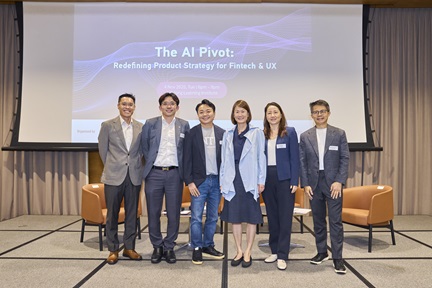
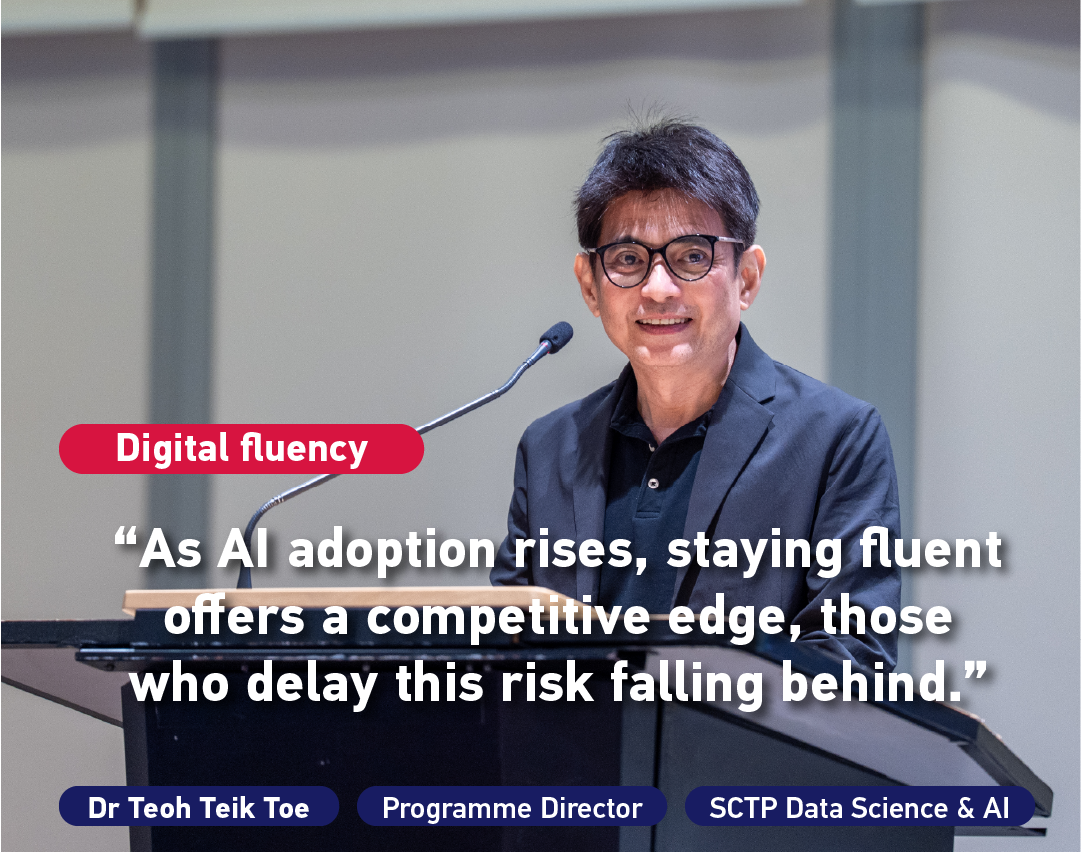
The possibilities with AI are indeed endless. Professionals can use AI to structure data, generate insights, and optimise decision-making. The ability to understand how AI outcomes are generated, and how to apply them effectively, is now more critical than ever. As AI adoption grows in the region and globally, staying fluent in these tools is essential, as those who embrace it now can gain a significant competitive advantage.
Smart & sustainable: How AI is reshaping environmental solutions
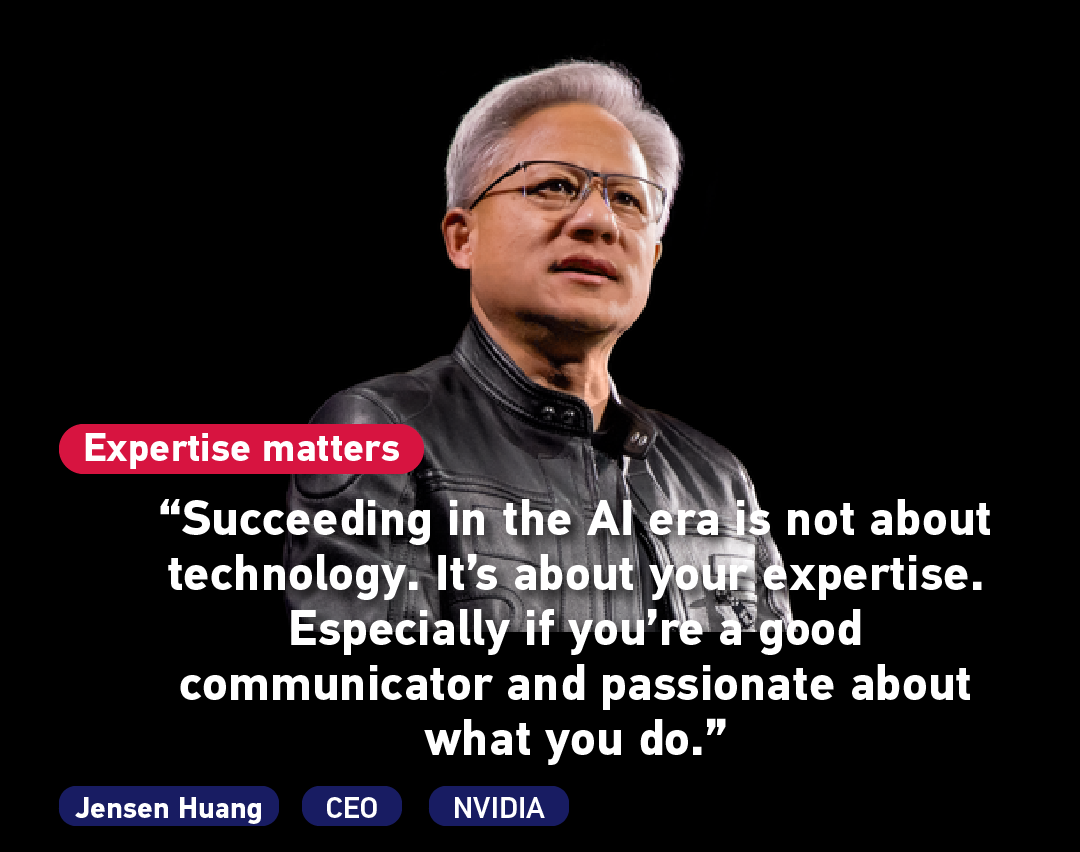
Where the focus once was on physical infrastructure alone, today’s sustainability vision embraces urban systems thinking, integrating people, technology, and resilience to create smart, scalable ecosystems. In Singapore, some of the environmental challenges faced include soaring temperatures, rising sea levels exacerbated by global warming, and competing land uses in which green spaces may be deprioritised. AI is helping to look into these complex, layered issues and addressing human living pain points with compassion and empathy.
Singapore’s smart city initiatives reflect this approach on a large scale as a prime test bed for weaving sustainability seamlessly into the urban environment. Some of these projects include Tuas Mega Port, “Long Island” off the island’s east coast and Tengah Forest Town. In addition, smart grids are making electricity distribution more efficient, while solar adoption and automated waste systems cut down on the nation’s resource waste. Together, these green technologies are shrinking carbon footprint and positioning Singapore as a leading global model for sustainable urban management.
According to the AI Powered Cities of the Future report by Deloitte, ServiceNow and Nvidia, by 2027, nearly half of all global cities will integrate AI systems across domains of urban planning, traffic, healthcare, and waste management. In Southeast Asia, adoption is accelerating, highlighting the strategic value of AI in improving efficiency and quality of life. In this fashion, AI is the most powerful when it partners with humans — amplifying skills, enabling smarter decisions, and fostering a sustainable society harmonious with nature.
Building a Career That Lasts: Competence Meets Passion
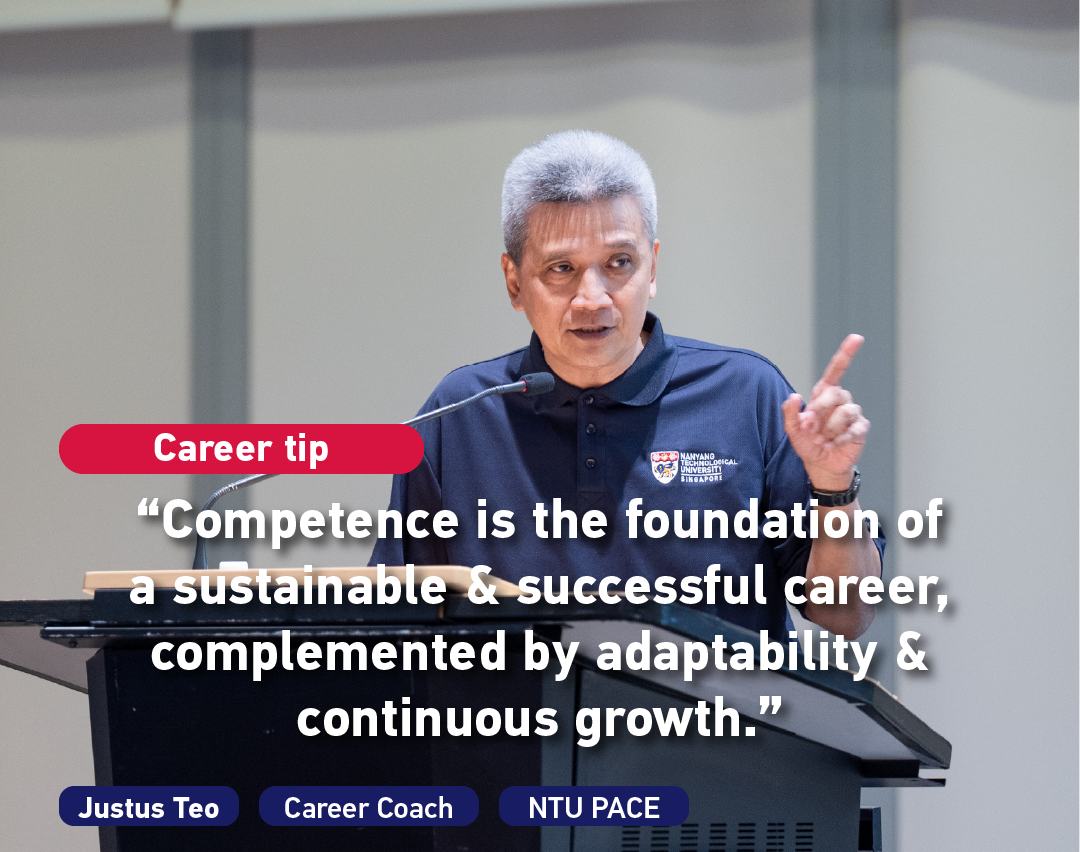
A fulfilling and sustainable career rests on two foundations: competence and genuine interest. Competence gives one the skills to perform well, while interest fuels the motivation and resilience needed to sustain long-term growth. Without both, individuals often face stress, dissatisfaction, or even burnout.
This message is particularly urgent in the era of the Fifth Industrial Revolution, where digitalisation, artificial intelligence, and pervasive data use have permeated our daily lives. Digital skills are now as fundamental as language skills, without them, thriving in the modern workplace is nearly impossible. The abundance of career options today offers exciting opportunities, but also makes decision-making more complex and overwhelming.
Careers are sometimes likened to icebergs: the visible portion represents competence, while the hidden portion — interests, values, fears, and aspirations — is harder to recognise but just as critical to our overall fulfillment and job satisfaction. Many people struggle because they overlook these underlying factors, leading to confusion or undesirable career choices. To combat this, tools such as career interest frameworks can help individuals uncover what truly drives them and align their strengths with meaningful work.
Crucially, a career is not just about financial remuneration. While financial stability matters, personal purpose, achievement, and creativity are often what keep people engaged and fulfilled; education and training build capability, but lasting career success comes from self-awareness, adaptability, and a clarity of one’s purpose. In a rapidly evolving digital age, careers should not be seen merely as a means to employment, but as a lifelong journey toward deep meaning and impact.
Discover a range of programmes designed to support your growth and interests below.