
_mobile.jpg?sfvrsn=63c7a739_4)
For more information about this programme, please contact:
NTU PACE
Email: ask.microcredentials@ntu.edu.sg
FlexiMasters in Chinese Medicine
The FlexiMasters in Chinese Medicine postgraduate programme equips learners with a sophisticated understanding of advanced theory, paired with the clinical and research skills demanded in modern healthcare. Learners will gain the expertise to deliver evidence-informed care and contribute to the field through contemporary research.
The curriculum is strategically designed to empower practitioners to tackle pressing health challenges, particularly those associated with an ageing population, and to excel in the rapidly growing field of integrative medicine. Completion of this programme serves as a direct stepping stone to the Master of Science in Chinese Medicine, enabling a seamless path for continuous career upskilling.
The FlexiMasters in Chinese Medicine is mapped to the Master of Science (MSc) in Chinese Medicine from NTU's School of Biological Sciences (SBS).
By the end of this programme, learners will be able to:
- Apply cutting edge knowledge to advance your expertise in Chinese medicine.
- Build strong research competencies that will allow you to innovate Chinese medicine through evidence-based practice.
- Develop the skills to deliver effective, evidence informed care in today’s integrated healthcare environment.
- Gain targeted training in geriatrics and oncology--critical fields driven by ageing populations and rising chronic health needs.
- Utilise bilingual learning (Chinese and English) to strengthen professional competence across local and regional healthcare environments.
- The programme consists of four courses worth a total of 15 Academic Units (AUs), with each carrying 3 or 6 AU.
- The first course is 78-hours while the rest comprises 39-hours (including face-to-face learning and assessment hours). Assessment(s) will be conducted during every course and learners will be graded based on their performance in the assessment(s).
- As the micro-credential courses are only offered in this FlexiMasters in Chinese Medicine programme, learners are required to enrol into this programme and complete all required courses within this programme.
- Mode of class delivery: Face-to-face learning and Asynchronous E-Learning
Upon successful completion and attaining a minimum Grade Point of 2.5 (which is equivalent to a letter grade of C+) in each considered course, the following qualifications will be awarded:
- A Graduate Certificate will be awarded to learners attaining 6 AUs.
- A FlexiMasters will be awarded to learners attaining 15 AUs.
Pathway to the Master's programme:
Credits earned are valid for 5 years for transfer of credits to the MSc in Chinese Medicine. The minimum Grade Point eligible for transfer of credits to the MSc in Chinese Medicine is 2.5 (which is equivalent to a letter grade of C+).
Transfer of credits is by application and the application will be assessed and approved by the University in accordance with University Credits Transfer and Course Exemption Policy.
To meet the requirement of Skills and Workforce Development Agency (SWDA), assessment(s) will be conducted during every course.
The assessment(s) include:
1. Research and Practice of Classical Chinese Medicine
- Class Participation
- Final Exam
2. Progress of Modern Research of Chinese Medicine
- Class Participation
- Final Exam
3. Research and Practice of Chinese Medicine Geriatrics
- Class Participation
- Final Exam
4. Research and Practice of Chinese Medicine on Oncology Diseases
- Class Participation
- Final Exam
This programme is designed for individuals with a relevant background in Traditional Chinese Medicine (TCM) who wish to deepen their knowledge of advanced TCM theory and develop the clinical and research skills required for evidence-informed care and integrative medicine.
Applicants should have a recognised qualification or relevant academic or professional background in TCM. The programme is particularly suited to individuals who are pursuing or advancing careers as Chinese Medicine practitioners, biomedical or TCM researchers, healthcare professionals with a TCM background, or professionals working in related TCM business and trade sectors.As the micro-credential courses are only offered in this FlexiMasters in Chinese Medicine programme, learners are required to enrol into this programme and complete ALL required courses within this programme.
*Note: Shortlisting will be carried out and applicants may be invited to undergo an interview (conducted in Mandarin).
| Course title | Objective |
|---|---|
*Conducted in Mandarin | This course offers an advanced study of the Four Major Traditional Chinese Medicine (TCM) Classics, 黄帝内经 Huangdì Nèijīng (The Yellow Emperor’s Inner Canon), 伤寒论 Shānghán Lùn (Treatise on Cold Damage), 金匮要略 Jīnkuì yàolüè (Essential Prescriptions of the Golden Cabinet) and 温病学 Wēnbìng Xué (Warm Disease Theory), combined with contemporary TCM thought and modern research methodologies. Learners will interpret original passages, trace theoretical development, and translate classical frameworks into evidence-informed clinical decision making and research design. The course cultivates skills in textual analysis, clinical reasoning, and academic integration, preparing practitioners for advanced clinical roles, integrative healthcare teams, academic teaching, and TCM research or policy positions, thereby supporting sustained professional development and encouraging effective cross-disciplinary collaboration. At the end of the course, learners will be able to:
|
*Conducted in Mandarin
| This course provides a comprehensive study of modern research methodologies within Chinese Medicine, critically examining the integration of traditional Chinese medicine (TCM) theory with biomedical science. Learners will acquire the skills to systematically evaluate evidence-based literature, apply rigorous scientific methods to TCM inquiry, and analyse innovations in herbal pharmacology and clinical practice. Aimed at cultivating the next generation of TCM researchers and clinicians, the curriculum prepares graduates to excel in integrative healthcare settings, clinical research, and academic roles, thereby advancing their professional trajectory in the field. At the end of the course, learners will be able to:
|
*Conducted in Mandarin
| This course offers an advanced exploration of Traditional Chinese Medicine (TCM) theories and their clinical application in geriatric healthcare. Learners will gain a sophisticated understanding of aging mechanisms, body constitution changes, age-related physiological changes, and geriatric disease patterns, from both classical TCM principles and contemporary research. The curriculum is designed to develop proficiency in formulating comprehensive, evidence-based prevention and treatment plans for common geriatric conditions, utilizing both TCM and integrative methodologies. This course prepares practitioners for advanced clinical, research, and leadership roles within the TCM and integrative healthcare fields. At the end of the course, learners will be able to:
|
 Research and Practice of Chinese Medicine on Oncology Diseases *Conducted in Mandarin | This course provides an advanced study of Traditional Chinese Medicine (TCM) Oncology, integrating classical TCM theory with contemporary oncology research and clinical practice. Learners will acquire a comprehensive understanding of cancer etiology, pathogenesis, and TCM-based syndrome differentiation, complemented by insights into Western oncology principles. The curriculum is designed to develop proficiency in formulating individualised treatment plans, managing the side effects of conventional cancer therapies, and critically evaluating TCM oncology research. Designed for TCM and integrative healthcare practitioners, this course enhances diagnostic, clinical, and research capabilities to prepare learners for advanced roles in oncology care, integrative clinical settings, and evidence-based research. At the end of the course, learners will be able to:
|
 Research and Practice of Classical Chinese Medicine
 Progress of Modern Research of Chinese Medicine
  Research and Practice of Chinese Medicine Geriatrics
 Venue: NTU Main Campus and NTU e-Learning platform
| COURSE TITLE | CLASS SCHEDULE AY2026/27 | REGISTRATION CLOSING DATE |
| Research and Practice of Classical Chinese Medicine | Semester 1 Register interest for next intake | - |
| Progress of Modern Research of Chinese Medicine | Semester 1 Register interest for next intake | |
| Research and Practice of Chinese Medicine Geriatrics | Semester 1 Register interest for next intake | |
| Research and Practice of Chinese Medicine on Oncology Diseases | Semester 1 Register interest for next intake |
Listed courses are:
- Conducted in Mandarin.
- Credit-bearing and stackable to Graduate Certificate in Chinese Medicine (6 AU), FlexiMasters in Chinese Medicine (15 AU) and MSc in Chinese Medicine (30 AU).
Note: NTU reserves the right to change the date, venue, and mode of delivery due to unforeseen circumstances.
 | These courses are part of:
Learners will receive their Statement of Accomplishment (for a grade of D and above) or Certificate of Participation for each course—dependent upon their assessment performance. |
| Courses | Course Fee payable before funding | Course Fee payable after SWDA funding, if eligible under various schemes | ||
| ¹ SCs and PRs | ² SCs aged 40 and above | ³ Enhanced Training Support for SMEs (ETSS) | ||
| Up to 70% funding | Up to 90% funding | |||
| Research and Practice of Classical Chinese Medicine (Chinese) | S$13,080.00 | S$5,450.00 | S$5,450.00 | S$5,450.00 |
| Progress of Modern Research of Chinese Medicine (Chinese) | S$6,540.00 | S$1,962.00 | S$762.00 | S$762.00 |
| Research and Practice of Chinese Medicine Geriatrics (Chinese) | S$6,540.00 | S$1,962.00 | S$762.00 | S$762.00 |
| Research and Practice of Chinese medicine on Oncology Diseases (Chinese) | S$6,540.00 | S$1,962.00 | S$762.00 | S$762.00 |
| Total Programme Fee | S$32,700.00 | S$11,336.00 | S$7,736.00 | S$7,736.00 |
- Fees listed above are inclusive of 9% GST.
Funding Requirements
1 Eligible Singapore Citizens (SCs) aged 39 years and below, and Permanent Residents (PRs), must record at least 75% training attendance and pass all associated assessments to be eligible for funding of up to 70% of the course fee. Learners will have to bear the full course fees upon failure to meet either one of the requirements.
2 Mid-career Enhanced Subsidy (MCES) - SCs aged 40 and above must record at least 75% training attendance and pass all associated assessments to be eligible for funding of up to 90% of the course fee. Learners will have to bear the full course fees upon failure to meet either one of the requirements.
3 Enhanced Training Support for SMEs (ETSS) - Small and Medium Enterprise (SME)-sponsored learners must be SCs or PRs and not a full-time national serviceman. SMEs must be: (1) Registered or incorporated in Singapore; with (2) Employment size of not more than 200 or with annual sales turnover of not more than $100 million. Courses will also have to be fully paid for by the employer.
Note: Learners must comply with all applicable and prevailing regulations, terms and conditions set by SWDA.
Other Funding Support
- NTU/NIE alumni may utilise their $1,600 Alumni Course Credits for each course. Click here for more information.
- Learners can utilise their SkillsFuture Credits for these courses.
- Singaporeans aged 40 years and above are able to use their SkillsFuture Credit (Mid-Career) top-up of $4,000 to offset out-of-pocket course fees for these courses.
Course Withdrawal and Refund Policy
Refunds requested prior to course commencement date may be subjected to an administrative fee and the deduction of any non-refundable pre-paid amounts. No refunds will be granted upon course commencement.
Learn more about funding
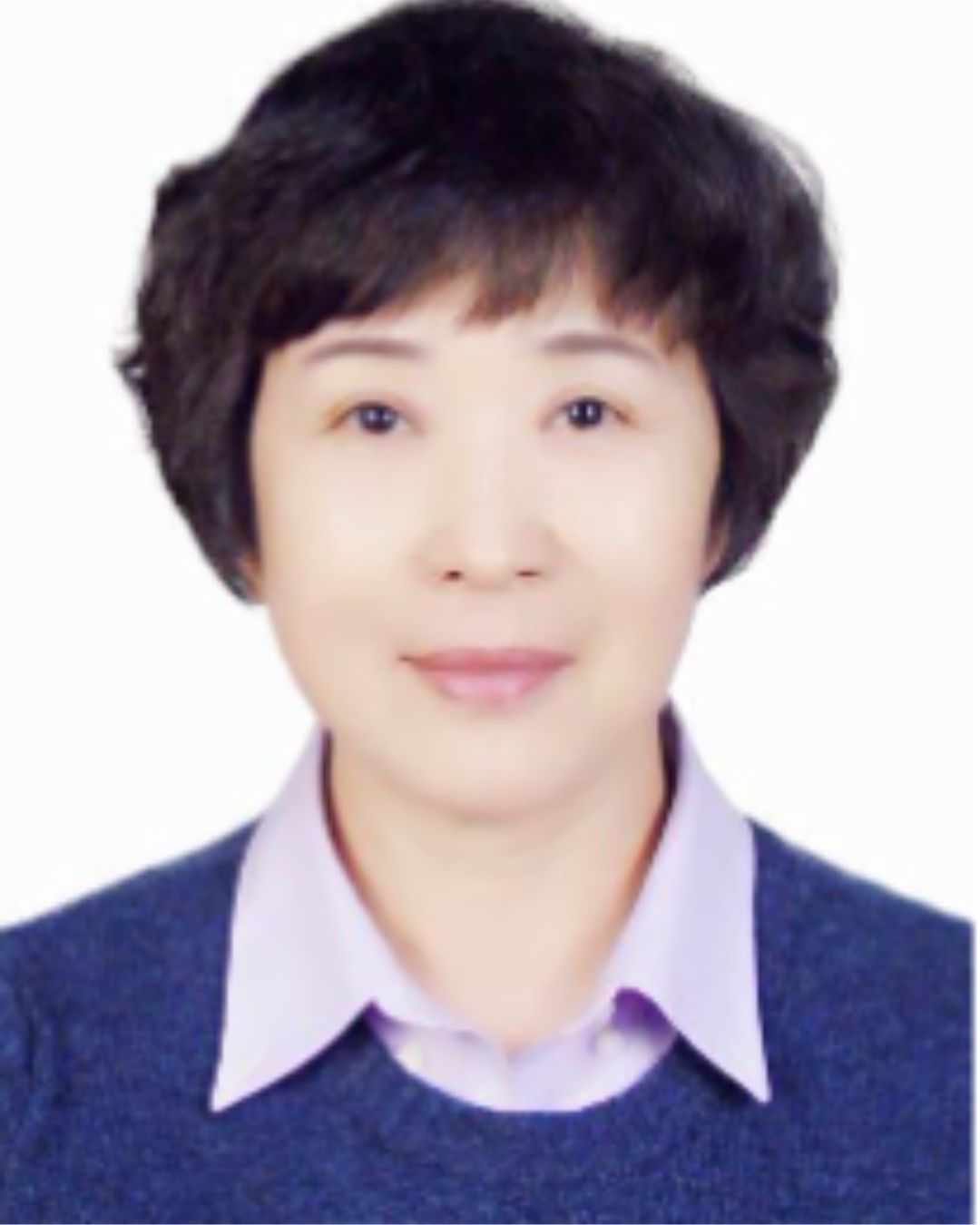 Prof Qian Huinan
| Prof Qian Huinan is an MD, Chief Physician, Doctoral Supervisor, and Postdoctoral Supervisor at Beijing University of Chinese Medicine. She studied under Professor Wang Hongtu and continued her academic career at Beijing University of Chinese Medicine after earning her doctorate and received full funding from the China Scholarship Council for advanced research in the US. She is an outstanding and renowned teacher who has also been leading the Qian Huinan Teaching Master Workshop. She has participated in over 20 national research projects and served as chief editor or co-editor of more than 30 books, such as Reading the Inner Canon for Clinical Practice, An Outline of Clinical Medicine, Illustrated Huangdi Neijing. 钱会南医学博士,北京中医药大学教授、主任医师、博士生导师、博士后合作导师。师从王洪图教授,博士研究生毕业后留北京中医药大学工作。曾获国家留学基金委全额资助作为高级研究学者赴美访学研修。历任中医体质与生殖医学中心副主任、中医基础系主任、内经教研室室主任。北京中医药大学优秀教师、教学名师、是钱会南教学名师工作坊负责人。主持和参加课题国家级课题20余项,主编参编著作30余部,其中主编《读内经做临床》《临床医学概要》《黄帝内经漫画图解》等。 |
 Prof Zhao Yan Prof Zhao Yan Instructor for Research and Practice of Classical Chinese Medicine | Prof Zhao Yan, is a researcher, Chief Physician, Doctoral Supervisor who lectures on the Synopsis of the Golden Chamber. Clinically, she specialises in treating complex diseases, including spleen and stomach disorders, gynecological diseases, skin and allergic conditions, and sleep disorders. Her research focuses on the modern application of classic prescriptions, integrating clinical practice with scholarly interpretation to innovate drugs and advance patient care. She utilises a nanotechnology-based platform for charred traditional Chinese medicines, identifying nano-sized components as key to their efficacy, and devloping innovative preparation and evaluation methods for more than 40 charred medicine She has published over 180 papers, including over 60 SCI articles with a total impact factor > 200, holds 7 authorised patents and was recognised in the "2024 Global Top 2% Scientists List". 赵琰教授、研究员、主任医师,博士生导师。主讲《金匮要略》,临床擅长治疗脾胃病、妇科病、皮肤病、过敏性疾病、睡眠障碍等常见病和疑难病。以临床和教学需求为导向,围绕经典方药治疗常见病疑难病的现代应用开展研究,将基础研究与临床应用密切结合,以诠释经典,揭示内涵,创新药物,回馈临床。利用基于纳米技术的中药焦制药物研究平台,发现纳米级成分是其药效的关键,并开发了40多种药物的制备与评价方法。发表论文180余篇,其中SCI 全文60余篇,总影响因子>200;授权专利7项,入选“2024年全球前2%顶尖科学家榜单”。 |
| Prof Xu Ying, is an Associate Professor and postgraduate supervisor at the Shanghai University of Traditional Chinese Medicine and a licensed physician. She is member of multiple TCM professional bodies, including Zhang Zhongjing Theory Branch of the China Association of Traditional Chinese Medicine. She has long been engaged in the teaching and clinical work of classical Chinese medicine, and specialises in treating various internal medicine ailments, including digestive system diseases, spleen and stomach disorders, fatty liver, gynecological diseases, endocrine disorders, and menopausal syndrome, using traditional Chinese medicine 徐莹,上海中医药大学副教授,研究生导师,执业医师,是多个重要中医药学会会员,其中包括中华中医药学会仲景学说分会委员。长期从事中医经典教学与临床工作,擅长中医药治疗消化系统疾病、脾胃病、脂肪肝、妇科疾病、内分泌失调、更年期综合症等多种内科杂病。 |
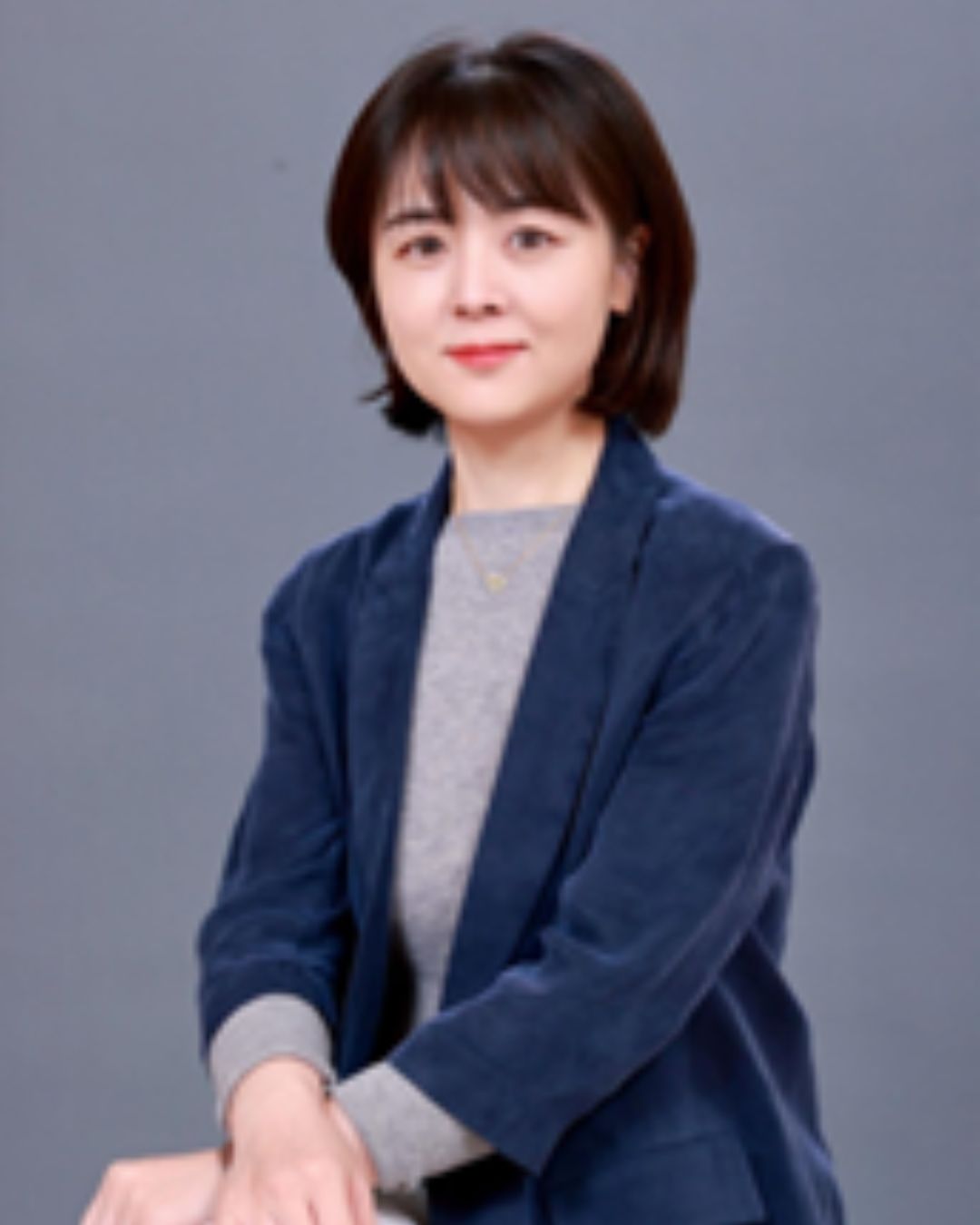 Prof Xu Ying
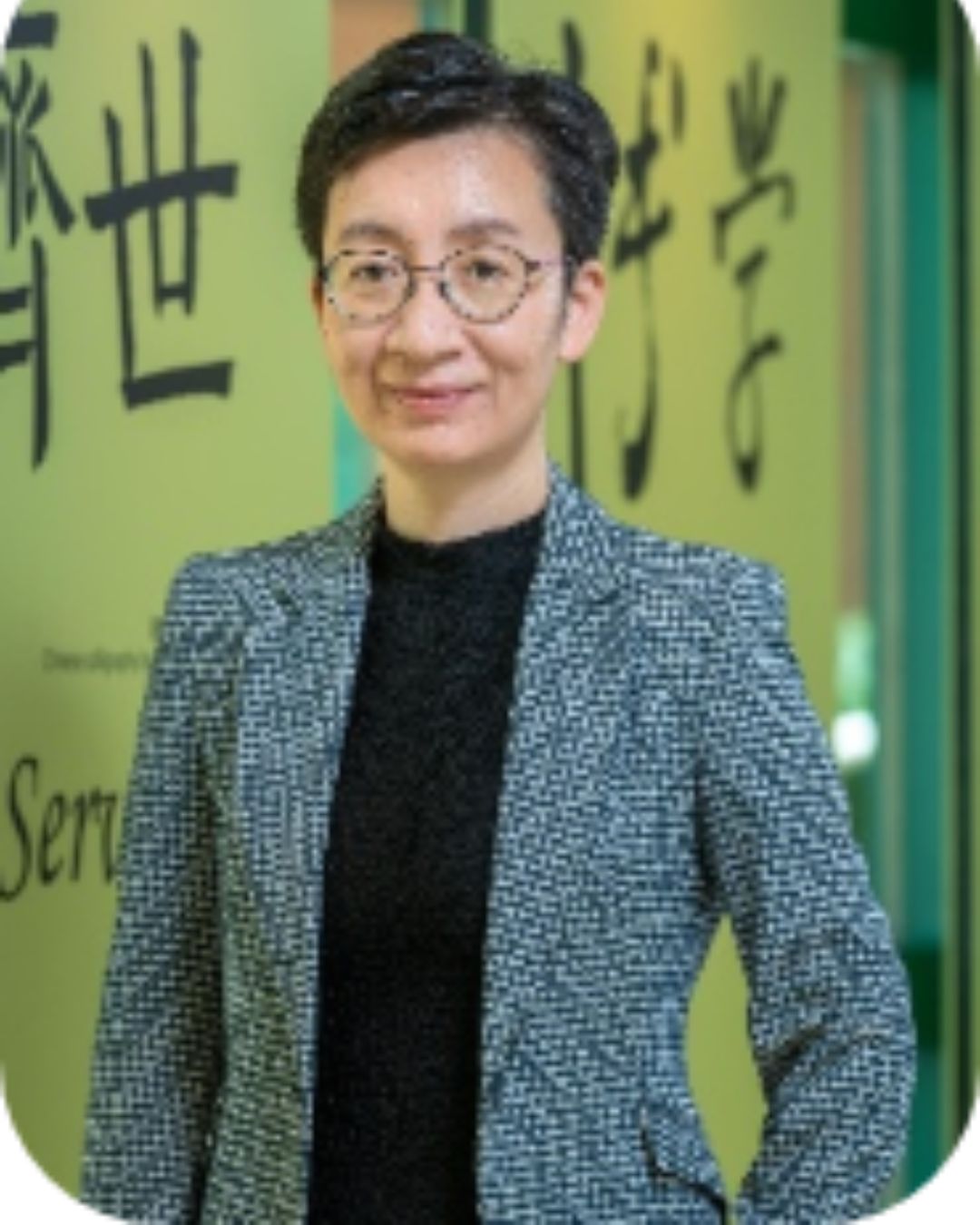 Dr (Prof) Linda LD Zhong Dr (Prof) Linda LD Zhong
Instructor for | Prof Linda LD Zhong, PhD, is an Associate Professor at the School of Biological Sciences, NTU. where she also serves as Director of Biomedical Sciences and Chinese Medicine and Director of the NTU Chinese Medicine Clinic. She holds an MD from Shanghai University of TCM (2007) and a PhD from the University of Hong Kong (2012). Her research integrates clinical trials, drug discovery, and AI-driven approaches in TCM and integrative medicine, with a focus on functional gastrointestinal disorders, chronic pain, obesity, and post-COVID rehabilitation. Having published more than 15 peer-reviewed papers, Prof Zhong is also serving as the Vice-President of the World Federation of Chinese Medicine Societies’ Committee for International Standards and Board Director of the Good Practice in TCM Research Association. 钟丽丹 副教授, 毕业于上海中医药大学及香港大学,获得医学博士及哲学博士,现任新加坡南洋理工大学生物医学与中医学主任。她从事中医教育、科研与临床服务二十多年,研究领域涵盖中医及中西医结合治疗消化、自身免疫及妇科疾病及疗效评价方法学。获得国际及本地研究基金19项,主持并参与50多项临床研究,发表SCI论文150余篇,主编中医及中西医结合专业书籍10本。 |
| Dr Mingxiao Yang, is a clinician-scientist and integrative medicine researcher bridging traditional healing and modern science. He is an Assistant Professor at the School of Biological Sciences, NTU, and leading the Integrative Health (iHEALTH) Lab—a multidisciplinary team advancing evidence-based approaches in integrative oncology, neuroscience, systems medicine, and digital health. Trained in both clinical medicine and translational biomedical research, he holds an MD (CMD) in Chinese Medicine and a PhD in Integrative Medicine, with postdoctoral and faculty experience at Harvard Medical School, Dana-Farber Cancer Institute, and Memorial Sloan Kettering Cancer Center (MSKCC) in the United States, as well as The University of Hong Kong. His research integrates acupuncture, Chinese herbal medicine, Tai Chi, and other mind-body therapies with cutting edge technologies such as multi-omics, neuroimaging, quantitative sensory testing, and artificial intelligence (AI) to investigate underlying mechanisms and improve patient-centered care. 杨明晓博士, 是一位临床科学家与整合医学研究者,致力于融合传统疗法与现代科学。他现任新加坡南洋理工大学生物科学学院助理教授,并领导整合健康研究(iHEALTH)实验室—致力于推动整合肿瘤学、神经科学、系统医学与数字健康等领域的循证研究的跨学科团队。 杨博士在临床医学与转化生物医学研究方面均受过训练,拥有中医学医学博士及整合医学博士学位,并在美国哈佛医学院、丹纳-法伯癌症研究所、纪念斯隆凯特琳癌症中心,以及香港大学先后任教职。其研究将针灸、中药、太极等传统疗法与多组学、神经影像、定量感觉测试和人工智能(AI)等前沿技术相结合,以探索机制并提升以患者为中心的照护质量。 |
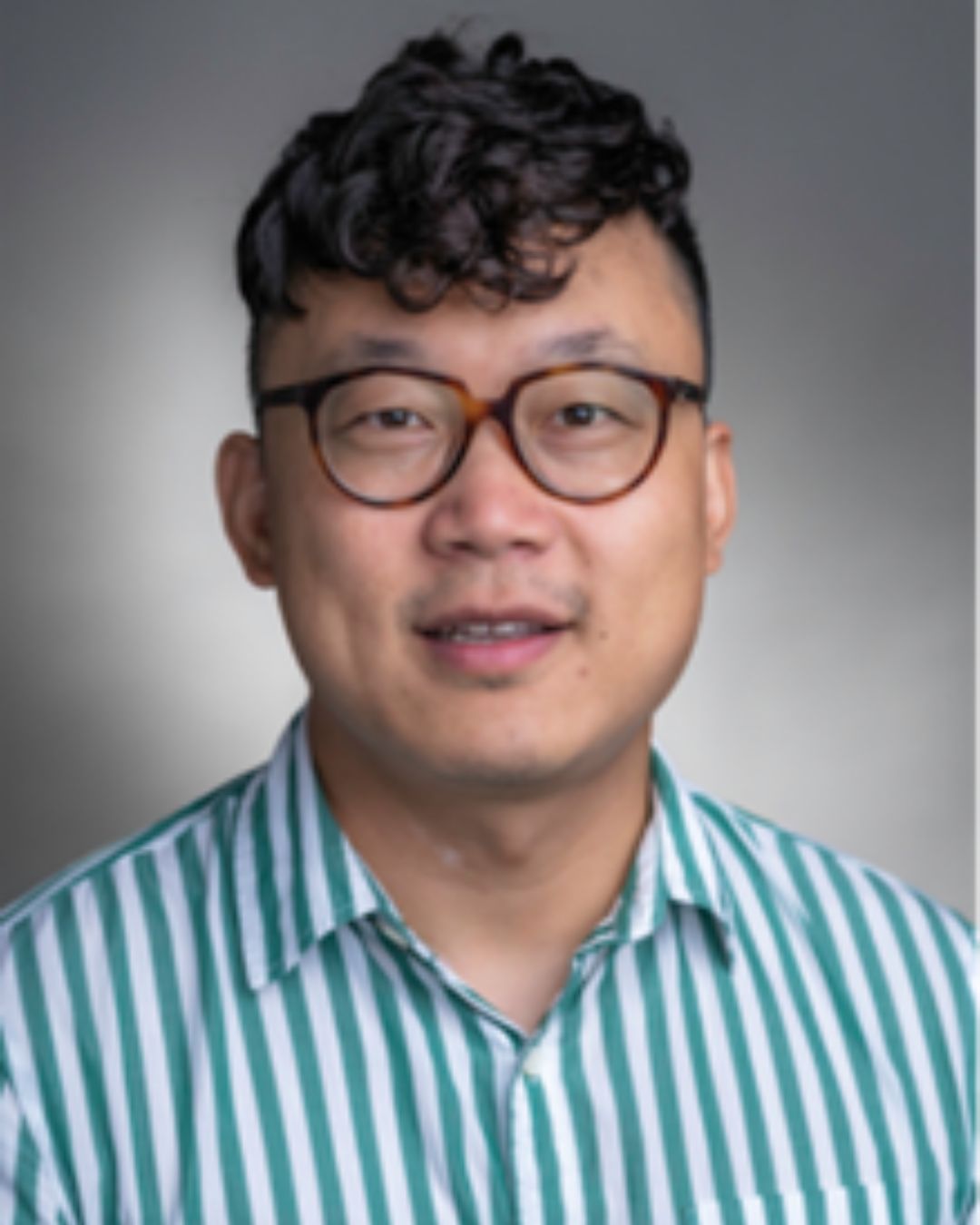 Dr Mingxiao Yang
-yong-choon-lian36c48ebd-0b55-41d8-a4aa-27e98f671f70.jpg?sfvrsn=cd39e3a6_1) Dr Yong Choon Lian
| Dr (TCM) Yong Choon Lian, is a Senior Consultant Physician, PhD (Practical Clinical Integrated Traditional Chinese and Western Medicine), Registered TCM physician. Graduated from NTU/NIE, Beijing Normal University and Fujian University of TCM, he also has a Masters in TCM immunology, and a PhD in Practical Clinical Integrated Traditional Chinese and Western Medicine, with a focus on geriatrics. His research experience includes working on tumours of the gastrointestinal tract in Fujian Department of Science & Technology. Dr Yong has over 45 years of clinical and teaching experience, with areas of expertise in geriatrics, oncology, internal medicine and pain management. He served as the 1st Vice-President of Academy of Chinese Medicine, senior clinical mentor of Graduate Diploma in Acupuncture (For Medical Doctors and Dentists) as well as examiner for the Singapore TCM Registration Exam, the Continuous Professional Education committee. 楊竣聯,高级顾问医师, 中西医结合临床医学博士学位, 新加坡注册中医师。毕业于新加坡南洋理工大学国立教育学院、北京师范大学、福建中医药大学。拥有中医药免疫学方向硕士,通过中国国内博士研究生全国入学统一考试,脱产修读,并获授予中西医结合临床医学博士学位,主修中西医结合临床老年病学。从事中医临床工作和教学超过45年,擅治老年疾病、肿瘤病、中医内科疾病和痛症等。曾担任新加坡中医研究院前第一副院长、英语针灸专业文凭课程高级临床导师(供西医、牙医修读)、新加坡卫生部属下中医管理委员会学术组、考试组和 继续教育组委员委员,以及《中医师注册资格考试》考官。 |
 Dr Loh Cheng Toa Steven Dr Loh Cheng Toa StevenInstructor for Research and Practice of Chinese Medicine Geriatrics | Dr Loh Cheng Toa Steven, obtained his Doctorate in Clinical Medicine from Nanjing University of Chinese Medicine. He is Senior Physician, a registered TCM physician and acupuncturist in Singapore, and a registered Doctor of Chinese Medicine in China. He also serves as an adjunct doctor at XianCi Chinese Medicine Nephrology Hospital, advancing integrative nephrology care. Having built a strong foundation in both clinical practice and academic research, Dr Loh has extensive experience in TCM lecturing, clinical mentoring, and contributed to scholarly work through published articles and co-authored health books. Dr. Loh’s clinical expertise covers coronary heart diseases, geriatrics, stroke recovery and aftercare, renal disorders, sports injuries, pain management, hyperhidrosis, and insomnia. He integrates evidence based TCM with modern medical perspectives to provide comprehensive and patient-centred care. 卢征涛,毕业于南京中医药大学临床医学博士学位,高级医师,是新加坡注册中医师,中国执业医生,兼担任咸慈中医肾病专科医院临床客座医生,致力于推动中西医结合的肾病治疗。他从事中医教课及临床带教,发表学术论文,参与中医科普书籍著作。临床治疗经验包括心血管疾病、常见老年疾病、中风康复调理、肾科疾病、运动损伤性疾病、各种痛症、汗症、失眠等。 |
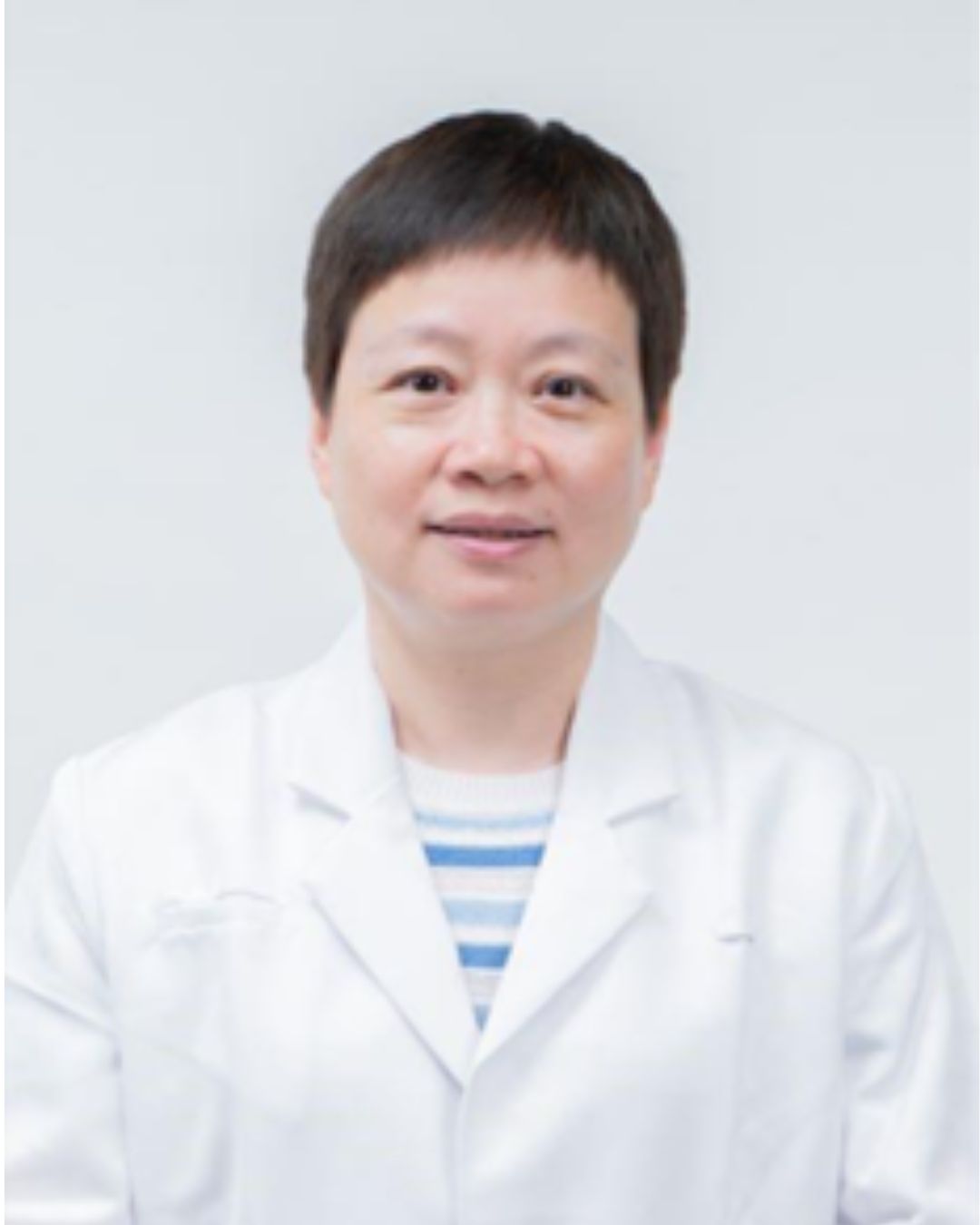 Sun Huili
| Sun Huili is a Consultant Physician and Registered TCM Physician. Graduated from the Shanghai University of Traditional Chinese Medicine in 1995. She began her career in the Pediatrics Department at Longhua Hospital and later trained under National Medical Master Professor Liu Jiaxiang in clinical and research work on the treatment of malignant tumors of various systems using traditional Chinese medicine and integrated Chinese and Western medicine. In 2010, she collaborated with the Hematology Department of SGH on using TCM for refractory ITP, anemia, and other blood disorders. She also studies the latest Western medicine advanced in tumors treatment at NCC. Since 2019, Huili has been giving lectures to registered TCM practitioners on managing common malignant tumors. Her specialties include the treatment of various cancers, miscellaneous internal diseases, pediatric, and gynecological diseases. 孙慧莉顾问医师,是新加坡注册中医师。1995年毕业于上海中医药大学中医系,先在上海中医药大学附属龙华医院儿科临床工作。并跟从国医大师刘嘉湘教授,从事中医及中西医结合治疗各系统恶性肿瘤的临床和科研。2010年与SGH血液科合作关于难治性ITP、贫血及其它血象低下血液病中药治疗的研究,取得良好疗效。也曾在NCC学习肿瘤的最新西医治疗进展。2019年开始給注册中医师们做新加坡各种常见恶性肿瘤的中医治疗专题讲座。擅长治疗各种癌症,内科杂病,小儿病,妇科病。 |