
-(1).jpg?sfvrsn=3e89161a_0)
For more information about this programme, please contact:
NTU PACE
Email: ask.microcredentials@ntu.edu.sg
FlexiMasters in Applied Gerontology
The FlexiMasters in Applied Gerontology programme offers a comprehensive and multifaceted understanding of ageing from biological, psychological, social, and policy perspectives. Learners will explore the science of ageing, apply both qualitative and quantitative research methodologies in their studies, and acquire knowledge on Chinese Medicine and its applications in health maintenance and treatment for older adults.
The programme equips learners with interdisciplinary tools and perspectives to better understand and address the complex challenges associated with ageing.
The FlexiMasters in Applied Gerontology is mapped to the Master of Science (MSc) in Applied Gerontology from NTU's School of Social Sciences (SSS).
By the end of this programme, learners will be able to:
- Broaden their understanding of ageing from biological, psychological, social, and cultural perspectives.
- Build a strong foundation in the key physiological and biological changes that occur in the aging process.
- Understand ageing in the Asian context through local ageing policies and practices.
- Explore and discover how Chinese Medicine supports health maintenance for healthy ageing.
- Develop essential qualitative and quantitative research capabilities in the field of gerontology.
- Our programme consists of five courses, worth a total of 15 Academic Units (AUs).
- Assessment(s) will be conducted during every course and learners will be graded based on their performance in the assessment(s).
- As the micro-credential courses are only offered in this FlexiMasters in Applied Gerontology programme, learners are required to enrol into this programme and complete all required courses within this programme.
- Mode of class delivery: Face-to-face learning
- Upon successful completion and attaining a minimum Grade Point of 2.5 (which is equivalent to a letter grade of C+) in each considered course, the following qualifications will be awarded:
- Graduate certificate will be awarded to learners attaining 9 AUs.
- FlexiMasters will be awarded to learners attaining 15 AUs.
Pathway to the Master's programme:
Credits earned are valid for 5 years for transfer of credits to the MSc in Applied Gerontology. The minimum Grade Point eligible for transfer of credits to the MSc in Applied Gerontology is 2.5 (which is equivalent to a letter grade of C+). Transfer of credits is by application and the application will be assessed and approved by the University in accordance with University Credits Transfer and Course Exemption Policy.
To meet the requirement of Skills and Workforce Development Agency (SWDA), assessment(s) will be conducted during every course.
The assessment(s) include:
1. Ageing Asia: Interdisciplinary Perspectives
- Reading responses
- Class debate and research report
- Written assessment
- Data Assessment
2. Ageing Policy and Practice in Asian Contexts
- In-class discussions
- Group presentation
- Mid-term quiz
- Reflection Paper
- Final Essay
3. Physiology and Biology of Ageing
- Online Discussion
- Final Assessment
- Short Response Papers
- Group Presentation and Project
4. Applied Research in Gerontology
- In-class quiz
- Analytical report
- Critique assignment
- Group Presentation and Research Proposal
5. Chinese Medicine and Ageing
- Class Participation
- Quizzes
- Group Presentation and Assignment
This programme is ideal for individuals interested in exploring the complex and multidimensional nature of ageing, the application of Chinese Medicine and deepen their understanding of the physiological and biological aspects of ageing.
Individuals who are pursuing careers or currently working in fields related to ageing, healthcare, social services, public health, or academic research.
As the micro-credential courses are only offered in this FlexiMasters in Applied Gerontology programme, learners are required to enrol into this programme and complete all required courses within this programme.
Note: Shortlisting will be conducted.
| Course title | Objective |
|---|---|
 Ageing Asia: Interdisciplinary Perspectives (3 AU)
| This course provides an overview of the field of ageing from an interdisciplinary approach, primarily focusing on perspectives from social sciences and humanities. It emphasises the complexity of ageing, recognising that it is a multidimensional process. Learners will learn to view the ageing experience from social, economic and humanities perspectives. They will develop effective personal skills such as empathy, emotional intelligence, interpersonal skills, collaboration, and communication, which they can apply in their workplace. At the end of the course, learners will be able to:
|
 Ageing Policy and Practice in Asian Contexts (3 AU)
| This course guides learners through a range of key issues that are faced by Asian societies with population ageing and encourages them to critically appraise specific policy responses and to identify practical lessons to be learned from the experiences of countries experiencing rapid and advanced ageing. This course draws on the experiences of mainly Asian countries to provide learners with a grounded understanding of ageing policies in multiple areas of ageing. Learners will delve into the evidence-based public policy-making process, distinguishing between types of policy instruments, the challenges of implementation and their impacts on the wellbeing of the elderly.
|
 Physiology and Biology of Ageing (3 AU) Physiology and Biology of Ageing (3 AU) | Ageing is an integral part of everyone’s life. However, the nature of the ageing process remains a mystifying progression to many of us. This course aims to unravel the complexities of the ageing process by providing a systematic study of the physiological and biological changes that occur with ageing. Learners will gain an understanding of the biological and physiological processes underlying ageing, including age related changes in organ systems and their impact on health, as well as common age associated diseases and conditions. They will also learn to apply physiological knowledge to develop practical strategies, formulate preventive care measures, and design intervention approaches that promote healthy ageing in their workplace. At the end of the course, learners will be able to:
|
 Applied Research in Gerontology (3 AU) Applied Research in Gerontology (3 AU)
| This course covers research methods in the field of gerontology. It emphasises the multiplicity of methods available for gerontological research. It will be conducted in two parts, with one part focusing on quantitative approaches in gerontological research, and the other part focusing on qualitative approaches. Learners will develop practical competencies in designing, analysing, and critically evaluating both quantitative and qualitative research in ageing, enabling them to make evidence-informed decisions. These skills can be directly applied in their workplaces to improve programme design, policy development, service delivery, and evaluation related to ageing populations. At the end of the course, learners will be able to:
|
 Chinese Medicine and Ageing (3 AU) | This course explores Chinese Medicine and how it can be applied to health maintenance and treatment for the aged. It starts with an introduction on the theories of Chinese Medicine and provides a better understanding of Chinese Medicine and its treatments available. The second section of this course provides an in-depth discussion of ageing in Chinese Medicine context, and the illnesses commonly seen. Learners will learn the Chinese Medicine concepts and their relevance to ageing, analyse age related health changes in Chinese Medicine context, as well as evaluate Chinese Medicine approaches for the prevention and management of age associated illnesses. At the end of the course, learners will be able to:
|
Venue: NTU@One-North
| COURSE TITLE | CLASS SCHEDULE AY2026/27 |
| Ageing Asia: Interdisciplinary Perspectives | Trimester 2 |
| Ageing Policy and Practice in Asian Contexts | Trimester 1 |
| Physiology and Biology of Ageing | Trimester 2 |
| Applied Research in Gerontology | Trimester 3 |
| Chinese Medicine and Ageing | Trimester 1 |
Listed courses are:
- Credit-bearing and stackable to Graduate Certificate in Applied Gerontology (9 AU), FlexiMasters in Applied Gerontology (15 AU) and MSc in Applied Gerontology (30 AU).
Note: NTU reserves the right to change the date, venue, and mode of delivery due to unforeseen circumstances.
 | These courses are part of:
Learners will receive their Statement of Accomplishment (for a grade of D and above) or Certificate of Participation for each course—dependent upon their assessment performance. |
| Courses | Course Fee payable before funding | Course Fee payable after SWDA funding, if eligible under various schemes | ||
| ¹ SCs and PRs | ² SCs aged 40 and above | ³ Enhanced Training Support for SMEs (ETSS) | ||
| Up to 70% funding | Up to 90% funding | |||
| Ageing Asia: Interdisciplinary Perspectives | S$4,545.30 | S$1,363.59 | S$529.59 | S$529.59 |
| Ageing Policy and Practice in Asian Contexts | S$4,545.30 | S$1,363.59 | S$529.59 | S$529.59 |
| Physiology and Biology of Ageing | S$4,545.30 | S$1,363.59 | S$529.59 | S$529.59 |
| Applied Research in Gerontology | S$4,545.30 | S$1,363.59 | S$529.59 | S$529.59 |
| Chinese Medicine and Ageing | S$4,545.30 | S$1,363.59 | S$529.59 | S$529.59 |
| Total Programme Fee | S$22,726.50 | S$6,817.95 | S$2,647.95 | S$2,647.95 |
- Fees listed above are inclusive of 9% GST.
Funding Requirements
1 Eligible Singapore Citizens (SCs) aged 39 years and below, and Permanent Residents (PRs), must record at least 75% training attendance and pass all associated assessments to be eligible for funding of up to 70% of the course fee. Learners will have to bear the full course fees upon failure to meet either one of the requirements.
2 Mid-career Enhanced Subsidy (MCES) - SCs aged 40 and above must record at least 75% training attendance and pass all associated assessments to be eligible for funding of up to 90% of the course fee. Learners will have to bear the full course fees upon failure to meet either one of the requirements.
3 Enhanced Training Support for SMEs (ETSS) - Small and Medium Enterprise (SME)-sponsored learners must be SCs or PRs and not a full-time national serviceman. SMEs must be: (1) Registered or incorporated in Singapore; with (2) Employment size of not more than 200 or with annual sales turnover of not more than $100 million. Courses will also have to be fully paid for by the employer.
Note: Learners must comply with all applicable and prevailing regulations, terms and conditions set by SWDA.
Other Funding Support
- NTU/NIE alumni may utilise their $1,600 Alumni Course Credits for each course. Click here for more information.
- Learners can utilise their SkillsFuture Credits for these courses.
- Singaporeans aged 40 years and above are able to use their SkillsFuture Credit (Mid-Career) top-up of $4,000 to offset out-of-pocket course fees for these courses.
Course Withdrawal and Refund Policy
Refunds requested prior to course commencement date may be subjected to an administrative fee and the deduction of any non-refundable pre-paid amounts. No refunds will be granted upon course commencement.
Learn more about funding
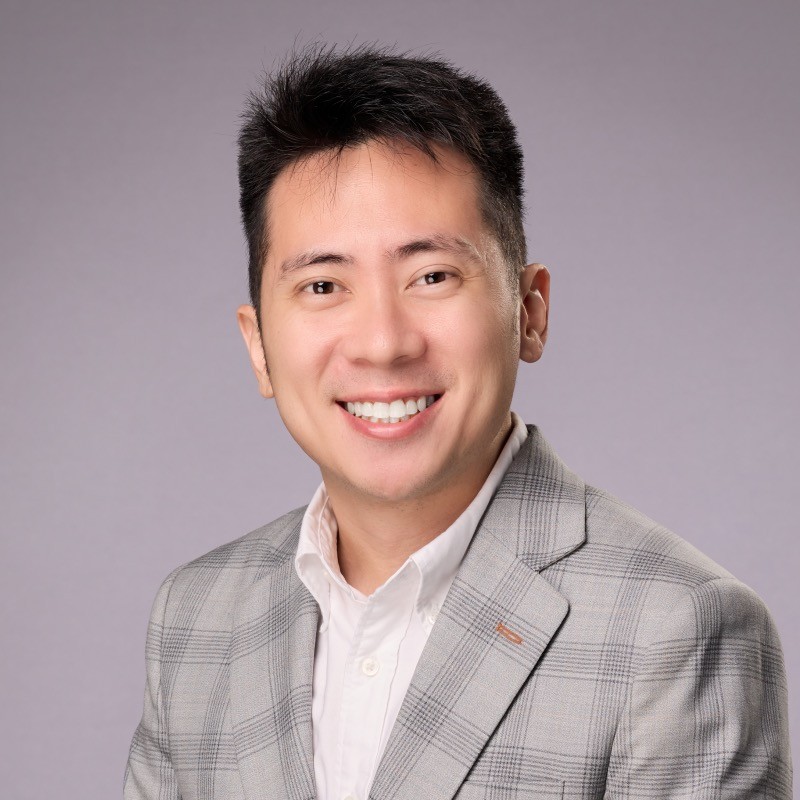 Prof Shannon Ang | Shannon Ang is an Assistant Professor of Sociology at Nanyang Technological University. He uses primarily quantitative methods to pursue his research interests in life course sociology, focusing on the health and social lives of older adults. So far, he has studied the social support and social participation (including online participation) of older adults, and their implications for mental and physical health outcomes. Findings from these studies have been published in academic journals such as Social Science and Medicine, Demography, American Journal of Epidemiology, and Journals of Gerontology Series B: Psychological and Social Sciences, amongst others. |
Dr Michelle Chiang | Dr. Michelle Chiang is an interdisciplinary scholar whose expertise lies at the intersection of literature, care narratives, and interdisciplinary approaches. Her work delves into twentieth and twenty-first century literature, explores end-of-life memoirs, and advocates for patient-centered care. Through her research, she bridges artistic expression with human experiences, making contributions to literary studies, the field of healthcare, and health education. |
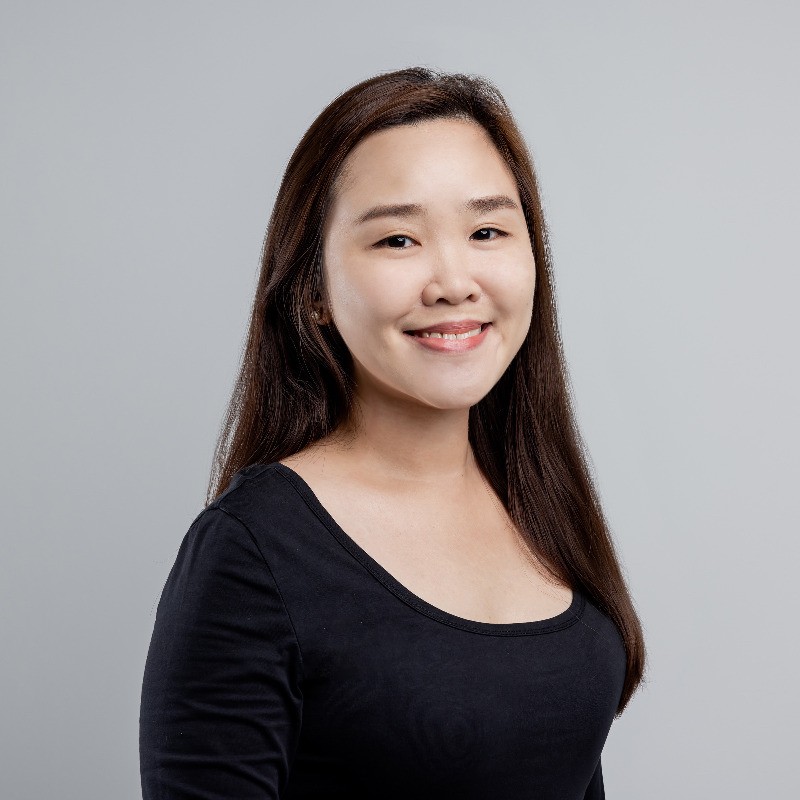
Dr Akshar Saxena | Dr. Akshar Saxena is an Assistant Professor of Economics at the Nanyang Technological University. His research interests are in health economics, public economics, and development economics. His research covers the economics of ageing, health sector reform, and policies pertaining to pensions, retirement, and sin tax on smoking, sugar-sweetened beverages and saturated fats. He has been a consultant to the World Bank and USAID and has previously worked for Ministry of Health in Singapore. |
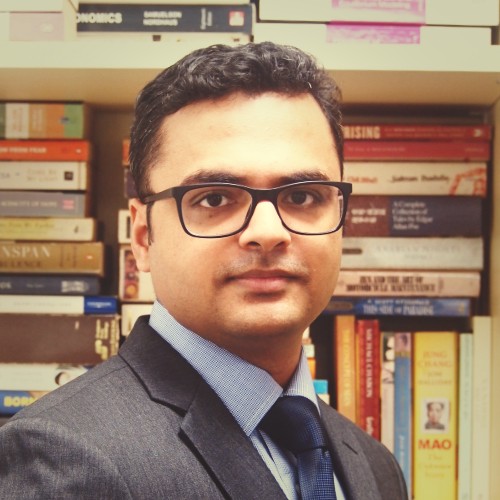
Chern Siang Jye | Chern Siang Jye is the Assistant Chief Executive Officer at the Agency for Integrated Care. He oversees AIC’s engagement efforts with partners in the Community Care sector. AIC supports our seniors and the Community Care sector for the growing and evolving needs, to enable Seniors to live well and age gracefully. At AIC, Siang Jye previously oversaw strategy and corporate functions, sector leadership development, grant making and research and data. He speaks regularly on healthcare and ageing policy, integrated care and community care sector development. Prior to AIC, Siang Jye led the Strategy and Infrastructure Planning functions at the Ministry of Health. He also led the Strategic Planning division, oversaw Singapore’s Intellectual Property policy development and drove projects to improve access to legal aid and insolvency schemes at the Singapore Ministry of Law. He started his career at the Singapore Economic Development Board where he worked on industry promotion and Government-Government projects. Siang Jye holds a Master of Economics from McGill University, Quebec, Canada and a Bachelor of Economics from the London School of Economics, UK. |
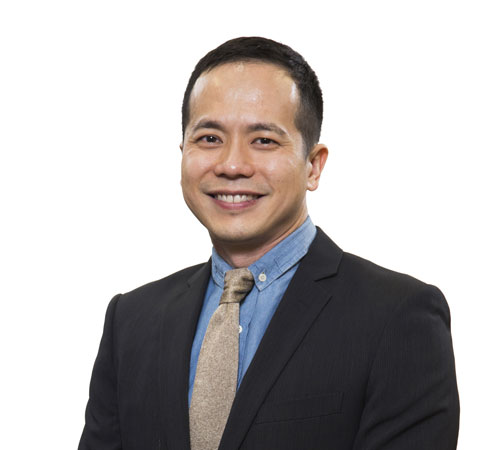
Dr Sabrina Luk | Dr. Sabrina Luk is a public policy expert specializing in digital government, AI governance, healthcare, and ageing. She received Nanyang Education Award (School) in 2024 and has authored monographs on health financing reforms, long-term care, and healthy ageing. Dr. Luk is a certified AI Ethicist, AI Governance Professional (AIGP), Privacy Information Professional/Asia (CIPP/A) and the Editor of Asia & the Pacific Policy Studies. She has delivered AI and digital governance training to hundreds of government officials and is a sought-after speaker on AI-powered governance, digital innovation, and AI in healthcare. Her policy insights have been featured in The New York Times, Business Insider, Barron’s, Channel NewsAsia (CNA), and Deutsche Welle. She holds a PhD in Political Science and International Studies from the University of Birmingham and previously served as an Assistant Professor at Nanyang Technological University, Singapore, where she designed and taught modules on e-government, crisis leadership, public health, healthcare, and ageing policy. |
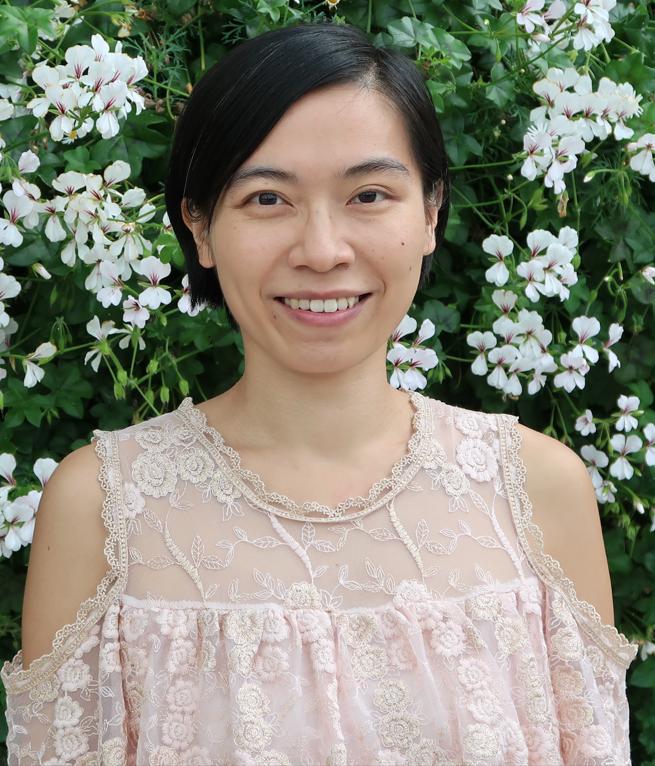
Dr Fabian Lim | Dr Fabian Lim graduated from the Universities of Oregon (BSC, MSc), Surrey (MBA) and Queensland (PhD) and is a recipient of the Defence Science Scholarship and the Nanyang Education Award. He is an Exercise Physiologist and a Fellow of the American College of Sports Medicine. Dr Lim is concurrently the Director (Academic) and Senior Lecturer of Centre for Professional and Continuing Education (PaCE). He is also the Senior Lecturer, Lee Kong Chian School of Medicine, Nanyang Technological University.
Prior to this appointment, Dr Lim set up the Singapore Sport Institute (SSI) as the first Executive Director, where he developed Sport Science and Medicine capabilities to support Singapore’s sport talent pool. Before SSI, he spent 20 years in Military Physiology Research, focusing on soldier health, safety and performance at DSO National Labs, where he held various senior research and management appointments. He was also an Adjunct Associate Professor at the Department of Physiology, Yong Loo Lin School of Medicine, NUS. |
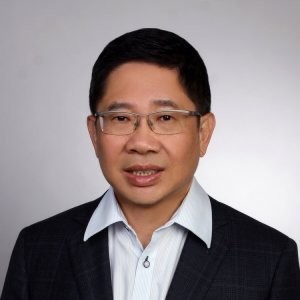
Prof Navin Kumar Verma | Associate Professor Navin Kumar Verma is an Associate Professor of Immunology and Cell Biology at the Lee Kong Chian School of Medicine, Nanyang Technological University Singapore. He completed a PhD in Clinical Medicine and subsequently postdoctoral training at Trinity College Dublin, Ireland’s most prestigious University. He has made significant contribution in advancing the knowledge about the role of the adhesion receptor “Lymphocyte Function-associated Antigen-1” (LFA-1) in T-cell immunology, published more than 80 peer-reviewed papers which are widely cited (h-Index 39) and 20 book chapters, and co-authors 5 patents. |
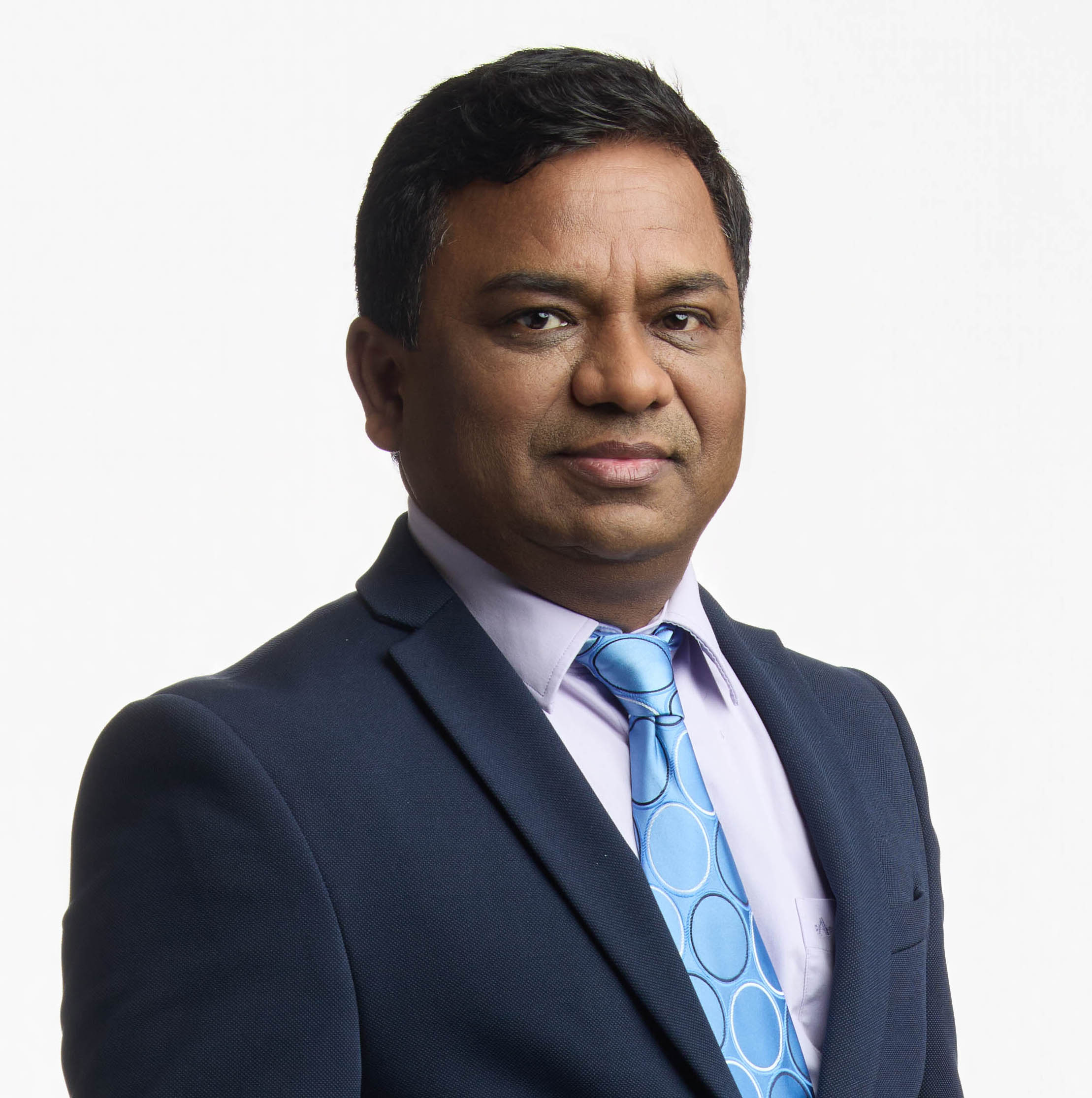
Dr Tew Chee Wee | Dr. Tew Chee Wee is a senior consultant in Geriatric Medicine at Khoo Teck Puat Hospital. She obtained her MBBS degree at the National University of Singapore in 2004and completed her specialist training in Geriatric Medicine in 2012. She was admitted as a Fellow of the Academy of Medicine, Singapore in 2015 and the Geriatrics Society in 2011. Dr Tew is specialising in clinical management of the elderly. Her areas of interest include community geriatrics, long term care, dementia and health professional education. Her current projects include evaluation of a hospital based community nursing curriculum and development of a curriculum for long term care facility nursing. |
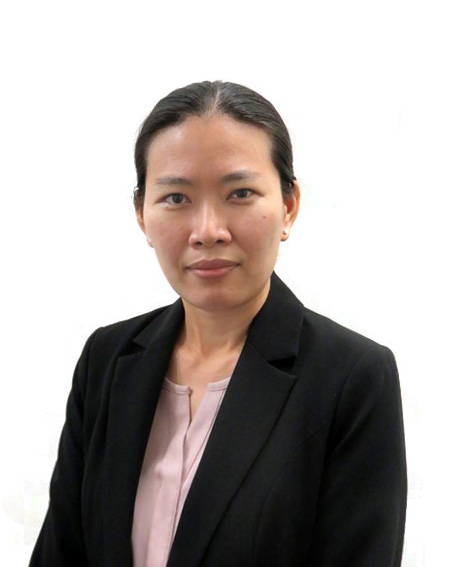
Dr Andy H. Y. Ho | Dr. Andy H. Y. Ho is a multi-awards winning psychologist, social scientist, and educator who specialises in thanatology, gerontology, psychotherapy, digital health, and community empowerment. He is the Past President of the Association for Death Education and Counseling (ADEC), Board Director of the prestigious International Work Group on Death, Dying, and Bereavement (IWGDDB), and Director of Research of the Palliative Care Centre for Excellence in Research and Education (PalC). Leading a large team of researchers, clinicians, and frontline healthcare professionals, Dr Ho has successfully completed numerous projects for supporting and inspiring individuals, families and communities with the knowledge and skills to better cope with life adversities such as illness, mortality, loss, grief and bereavement, caregiving stress, social isolation, and poor mental health. |
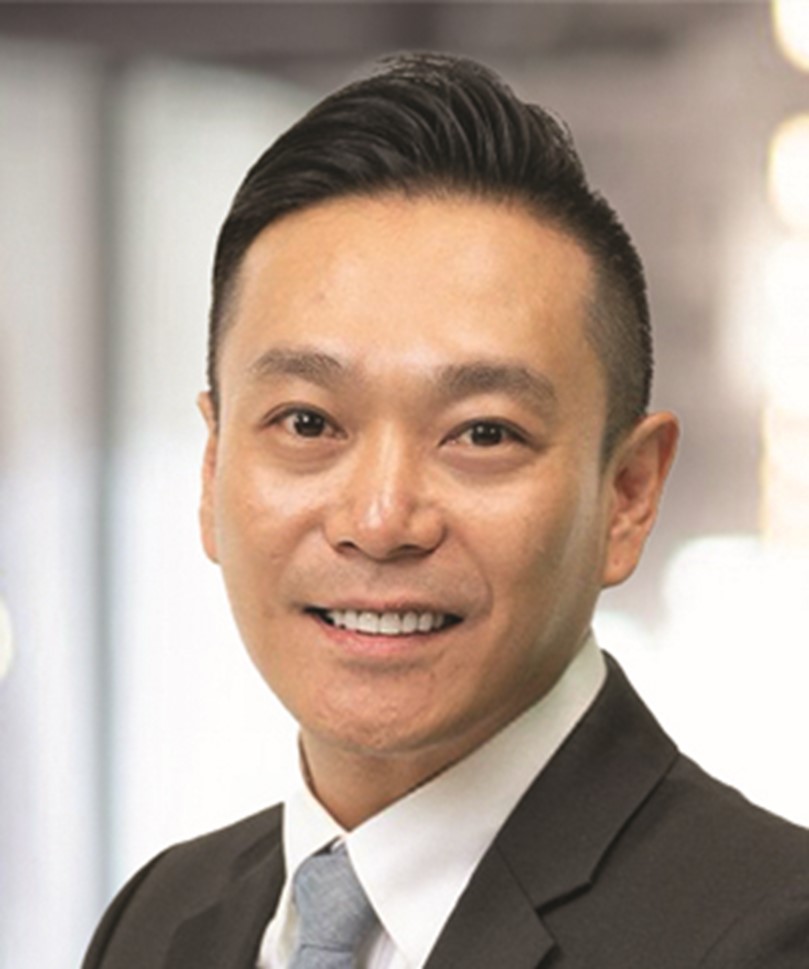
Dr Premchand Varma Dommaraju | Dr. Premchand Varma Dommaraju is an Associate Professor of Sociology and Director of the MSc in Applied Gerontology programme at Nanyang Technological University, Singapore. His research centres on the social and demographic dynamics of Asia, examining how populations respond to societal, political, and economic shifts. With a particular focus on South and Southeast Asia, his work explores marriage, divorce, families, households, and ageing. Dr Premchand’s courses cover population studies, social policy, quantitative research methods, and gerontology. |
| Dr. Tjioe Yan Yin is a registered TCM physician specialising in Chinese Medicine Gynecology, with extensive clinical experience and a strong academic foundation. She graduated from the double degree program in Biomedical Sciences at NTU and Traditional Chinese Medicine at Beijing University of Chinese Medicine, integrating biomedical insights with TCM principles in her clinical practice. She obtained her Doctorate of Medicine (PhD) in Gynecology of Chinese Medicine from Guangzhou University of Chinese Medicine, focusing on women’s health and the clinical efficacy of herbal therapy, acupuncture, moxibustion, and tuina. With many years of clinical experience, Dr Tjioe has managed conditions ranging from digestive disorders, gynecological diseases and pain related ailments. Effectively bilingual and active in education, Dr Tjioe has delivered numerous public TCM talks and lectures and has taught at NTU’s Confucius Institute. She also serves on professional committees under the TCM Practitioners Boardand the Academy of Chinese Medicine, Singapore. |
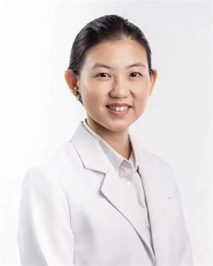
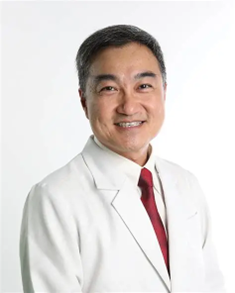 Dr. Loh Cheng Toa Steven | Dr. Loh Cheng Toa Steven is a registered TCM physician and acupuncturist in Singapore, and a registered Doctor of Chinese Medicine in China. He obtained his Doctorate in Clinical Medicine from Nanjing University of Chinese Medicine, building a strong foundation in both clinical practice and academic research. He has extensive experience in TCM lecturing, clinical mentoring, and has contributed to scholarly work through published articles and co-authored health books. Dr. Loh’s clinical expertise covers coronary heart diseases, geriatrics, stroke recovery and aftercare, renal disorders, sports injuries, pain management, hyperhidrosis, and insomnia. He integrates evidence based TCM with modern medical perspectives to provide comprehensive and patient centered care. He also serves as an adjunct doctor at XianCi Chinese Medicine Nephrology Hospital, advancing integrative nephrology care. |
| Ms. Lim Yin Jia is a registered TCM physician with a double degree in Biomedical Sciences at NTU and Chinese Medicine at Beijing University of Chinese Medicine. She is proficient in various TCM treatment modalities and manages a board spectrum of conditions including internal medicine, pediatric health to pain and chronic illness. With a belief that mental well being underpins overall health, she supports patients holistically throughout their treatment journey. Her passion for integrated care has led to collaborations on research topics, resulting in co-authored publications on acupuncture for depression and Taichi for the elderly. Beyond clinical practice, Yin Jia is active in education and professional development. She has delivered numerous TCM talks/lectures, mentors TCM undergraduates, and serves on the TCM Practitioners Board Examinations Committee, and represents NTU in professional work groups. |
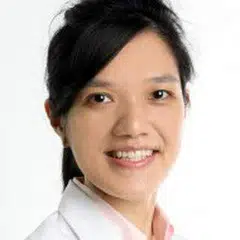
 Ms Neo Min Jun | Ms. Neo Min Jun is a registered TCM Physician who graduated in 2013 with a Double Degree in Biomedical Sciences from NTU and Chinese Medicine from Beijing University of Chinese Medicine. She later received a scholarship from the Academy of Chinese Medicine, Singapore, to pursue a Master of Science in Food Science and Human Nutrition at the NUS. Ms Neo strongly advocates the principle of “food as medicine,” She believes that many conditions can be prevented or managed through diet informed by both TCM wisdom and contemporary nutrition. Combining TCM and Western medical principles, she is highly skilled in allergic conditions, dermatological issues, paediatric ailments, and gynaecological disorders. |
Dr. Zhao Yan | Dr. Zhao Yan is a registered TCM physician and a Senior Lecturer and Consultant Physician at the School of Biological Sciences, NTU. She earned her PhD in Internal Medicine from the Beijing University of Chinese Medicine in 2000, after completing her Master’s and Bachelor’s degrees in Chinese Medicine at Heilongjiang University of Chinese Medicine. Her research integrates TCM with biomedical science, focusing on cancer biology, diabetes, and gynaecological disorders and includes award winning work on diabets. she has published in leading journals including PNAS and Oncogene. Dr. Zhao also contributes to Singapore’s TCM community, serving as Vice President of the Academy of Chinese Medicine, and as a member of both the Ministry of Health Taskforce on TCM Research and Development and the HSA Complementary Health Products Advisory Committee. |
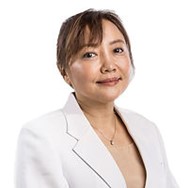
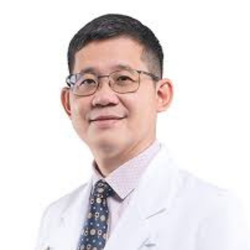 Dr Tan Koon Yaw | Dr. Tan Koon Yaw obtained his PhD (Chinese Medicine) from Nanjing University of Chinese Medicine, Bachelor of Chinese Medicine from Guangzhou University of Chinese Medicine and Singapore College of Traditional Chinese Medicine, Master of Science (Electrical Engineering) and Bachelor of Science (Honors in Mathematics) from National University of Singapore. He has many years of experience in teaching, clinical mentoring, clinical research and administrative management. He has experience in treating an extensive range of diseases including pelvic floor diseases, pain management and common geriatric diseases. He is currently appointed by Ministry of Health as member of TCM Research Advisory Committee and appointed by TCM Practitioners Board as member of Examination Committee and Accreditation of TCM Practitioners Committee. |