
Engage NTU MSE Student Talent
At NTU’s School of Materials Science and Engineering (MSE), we develop future-ready engineers with strong technical expertise, industry know-how, and essential soft skills such as communication, problem-solving, and teamwork. As one of the world’s leading materials science institutions, we invite industry partners to connect with our talent through internships, work-study collaborations, project partnerships, and recruitment opportunities.
About our Student Talent
NTU MSE is among the world's largest materials engineering institutions and is ranked #2 Globally in the QS World University Rankings and the U.S. News World University Rankings by Subject in 2025. It produces highly capable graduates with multidisciplinary training and applied research experience across materials innovation, sustainability, and advanced manufacturing.
The Institution of Engineers, Singapore, through its Engineering Accreditation Board, has granted Accreditation to the Degree Programme for Bachelor of Engineering (Materials Engineering) conducted by Nanyang Technological University for the graduating classes over the years. Whether you're hiring for technical, product, or R&D-related roles, our students bring strong analytical thinking and engineering fundamentals to the workplace.
Why Recruit from NTU MSE
- Top-tier students trained in real-world problem solving
- Exposure to industry via internships, final year capstone projects, and R&D
- Familiarity with lab testing, data analysis, and materials selection
- Strong communication and documentation skills
- Competency in software tools like MATLAB, SolidWorks, and analytical instruments (e.g., SEM, XRD, DSC)
Quick Links
Whether you're looking to explore new innovations, future-proof your workforce, or raise brand visibility, partnering with MSE provides a direct line to emerging talent via these options:
Materials Engineering Curriculum
The MSE curriculum is informed by industry and updated through the input of the Industry Advisory Committee, comprising stakeholders in industries relevant to Materials Engineering. Made up of courses in Fundamental Maths and Sciences, Core Courses, Broadening and Deepening Electives, and Prescribed Electives, the curriculum emphasises authentic and experiential learning to equip students with theoretical knowledge, technical competencies and soft skills, preparing students to value-add in various industry sectors as they take on diverse job roles.
Core Courses provide the foundation for knowledge, competencies, and transferable skills which allow MSE graduates to be a good fit for a range of industries. Students further gain an edge as they delve into advanced topics in materials applicable to key industry sectors within Specialisations offered.
.png?sfvrsn=97bedc25_1 "Education Experience Philosophy – V3 (Grey BG)")
Featured Courses

Students gain hands-on experience operating advanced scientific instruments to investigate how molecular weight influences polymer properties. The lab sharpens technical accuracy, safety awareness, and analytical thinking — key competencies in R&D, quality control, and materials testing roles.
Builds deep understanding of how phase transformations impact material behaviour, especially in steels. Students learn to apply Time-Temperature Transformation (TTT) diagrams and conduct heat treatment experiments, equipping them to optimise material performance in manufacturing and structural applications.
Equips students to develop and evaluate wearable technologies for health monitoring. Integrates knowledge from materials science and electrical engineering, with a focus on biocompatible materials, sensor design, and user-oriented healthcare applications.
Develops creative and human-centred problem-solving skills. Students learn to map design processes, ideate solutions, prototype rapidly, and give and receive constructive design critique — skills relevant to product innovation, UX, and cross-functional team collaboration.


Third-year students collaborate in teams to solve real-world industry challenges using Design Thinking. Over 13 weeks, they work from problem definition to prototype delivery, with guidance from faculty and industrial mentors. Projects are sourced from partner companies, offering exposure to client engagement, iterative design, and production constraints.

Trains students in digital design, including CAD modelling, finite element analysis, and prototype testing. Graduates of this module demonstrate the ability to translate virtual concepts into functional physical prototypes, making them strong candidates for roles in product design, mechanical engineering, and advanced manufacturing.
Specialisations
Clean Energy
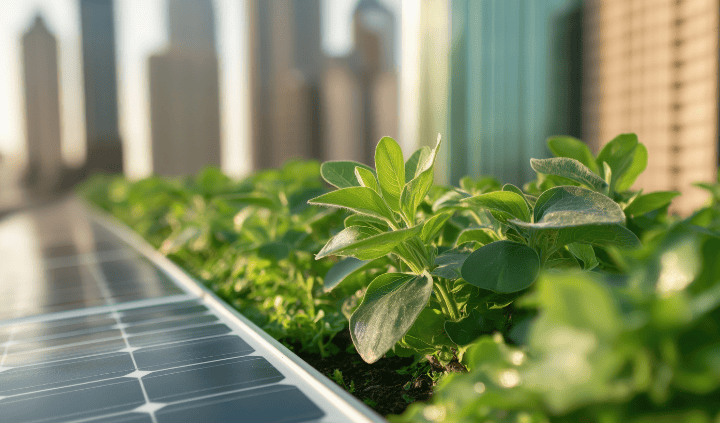
• Advanced materials for photovoltaic cells, battery technologies, hydrogen storage, and waste-to-energy
• Fundamentals of carbon markets
Industrial Materials Engineering
• Microelectronics process integration and packaging
• Materials and processes for electronic displays
• Photovoltaics and energy storage materials
• Semiconductor devices and operations
• Polymer engineering and processing techniques
• Corrosion science and solutions
• Composite materials and applications

Innovation and Intellectual Property
• Innovation and enterprise process
• Fundamentals of IP in R&D and engineering industry

Materials and Artificial Intelligence
• Data science and artificial intelligence
• Design and programming
• Data structures and algorithms
• Materials simulation

Medical Materials
• Healthcare wearable electronics and devices
• Advanced biomaterials
• Biomedical devices
• Drug delivery and tissue engineering

Materials and Sustainability
• Impact of materials on environmental sustainability
• Sustainble development in water, agriculture and aquaculture
• Environmental issues

Nanoscience and Nanotechnology
• Functional nanostructure materials
• Thin film deposition techniques
• Advanced nanomaterials characterisation
Specialisation Courses for Key Industry Sectors
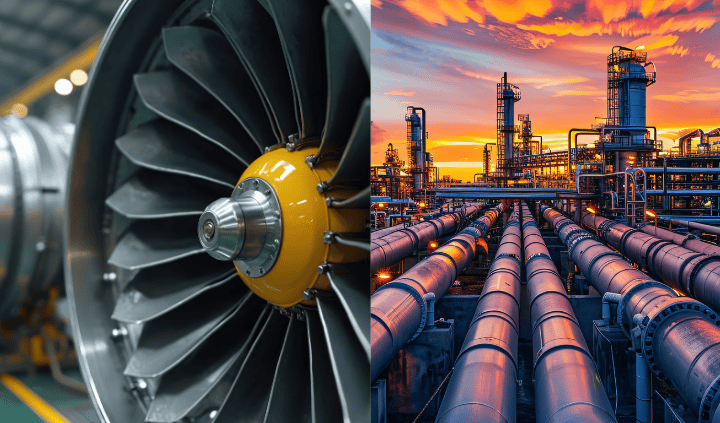
Aerospace / Automotive and Oil & Gas
• MS4622 Composite Materials
• MS4631 Corrosion Engineering
• MS4652 Failure Analysis
• MS4642 Additive Manufacturing of Materials

Computing and Digital Economy
• MS003 Data Science and Artificial Intelligence
• MS4671 Introduction to Materials Simulation
• MS4672: Machine Learning for Materials Design
Consumer Businesses
• MS4013 Biomaterials
• MS4640 Advanced Analysis of Materials
• MS4620 Polymer Technology

Electronics
• MS2018 Electronic and Magnetic Properties of Materials
• MS3012 Micro/Nanoelectronic Materials Processing
• MS4602 Fundamental of Semiconductor Devices
• MS4603 Microelectronic Process Integration

Energy and Chemicals
• MS2013 Introduction to Polymer Science
• MS4630 Photovoltaics Devices and Energy Storage
• MS4682 Materials for Hydrogen Fuel

Medical Technology, Pharmaceuticals and Biotechnology
• MS4613 Wearable Sensors for Healthcare
• MS4611 Biomedical Devices
• MS4612 Drug Delivery and Tissue Engineering

Research and Development
• MS5001, MS5002, and MS5003: Innovating with Materials: Thinking DEEP
• MS4089 Final Year Project

Urban Solutions, renewables and Sustainability
• MS4664 Environmental Sustainability and Materials
• MS4665: Sustainable Development in Water, Agriculture and Aquaculture
• MS4666 Environmental Degradation of Plastics
• MS4667 Introduction to Sustainable Materials
Contact Us

Dr. Lee Mun Wai
Strategic Lead, Innovation Ecosystem Development (Research & Enterprise)
Email: mse-enquiry@ntu.edu.sg