
Specialisations

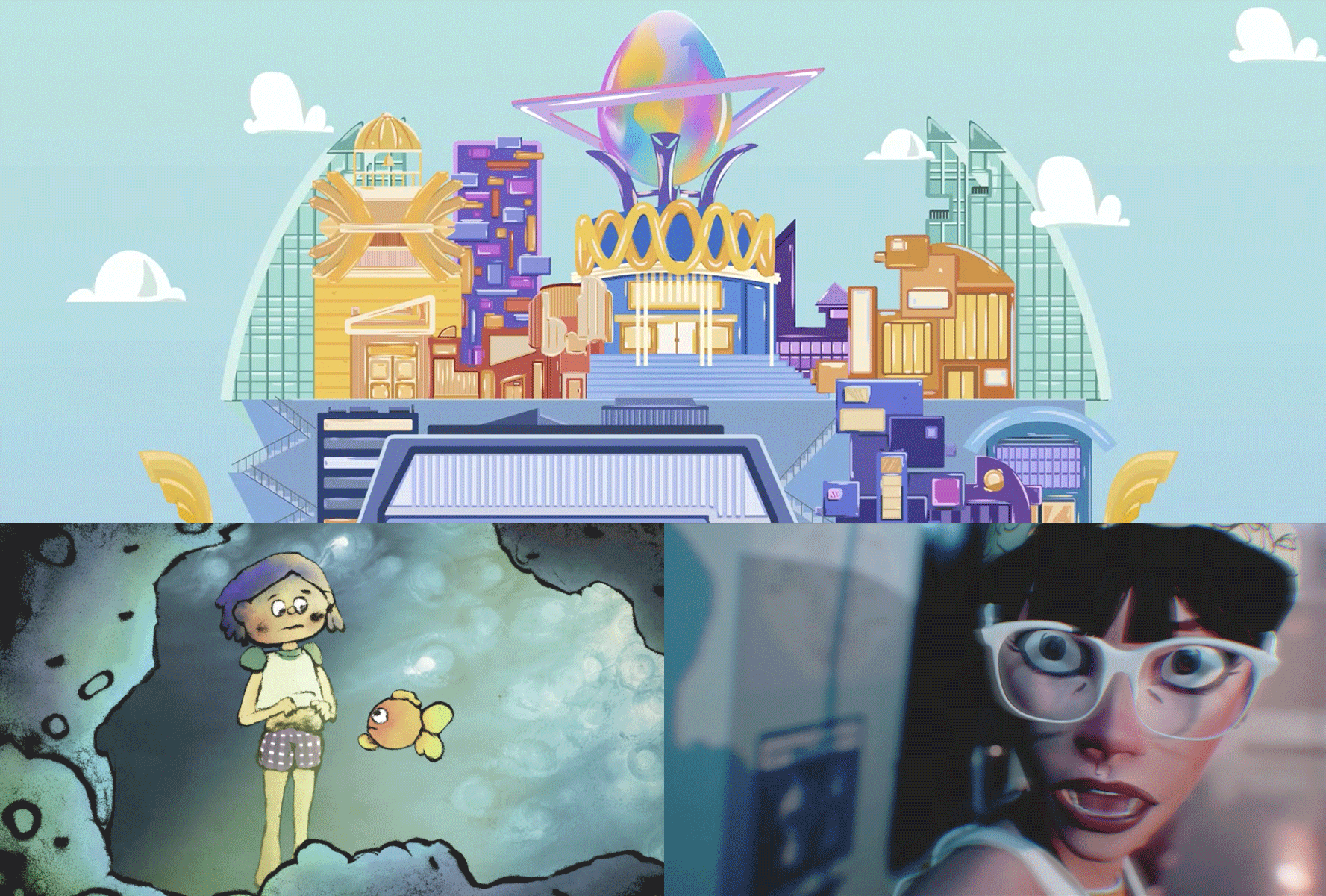
Animation and Game Art explore the power of visual storytelling and immersive experiences to engage with contemporary themes and reimagine narratives.

Whether it is through animated worlds or interactive gameplay, students learn to evoke emotion, spark imagination and offer fresh perspectives on real-world challenges. Students can explore multi-faceted creative practices crafting fantastic worlds, memorable characters and inventive stories through 3D animation, stop-motion, character design, visual storytelling and live-action game design. This specialisation emphasises the craft of immersive elements such as character, motion, timing, aesthetics and emotional impact, essential tools for connecting with today’s global audiences.

By employing technical mastery, creative dexterity and research-informed innovation, students have the potential to become innovative storytellers, influential creatives and visionary leaders in animation and game, and the wider creative industries.
U3


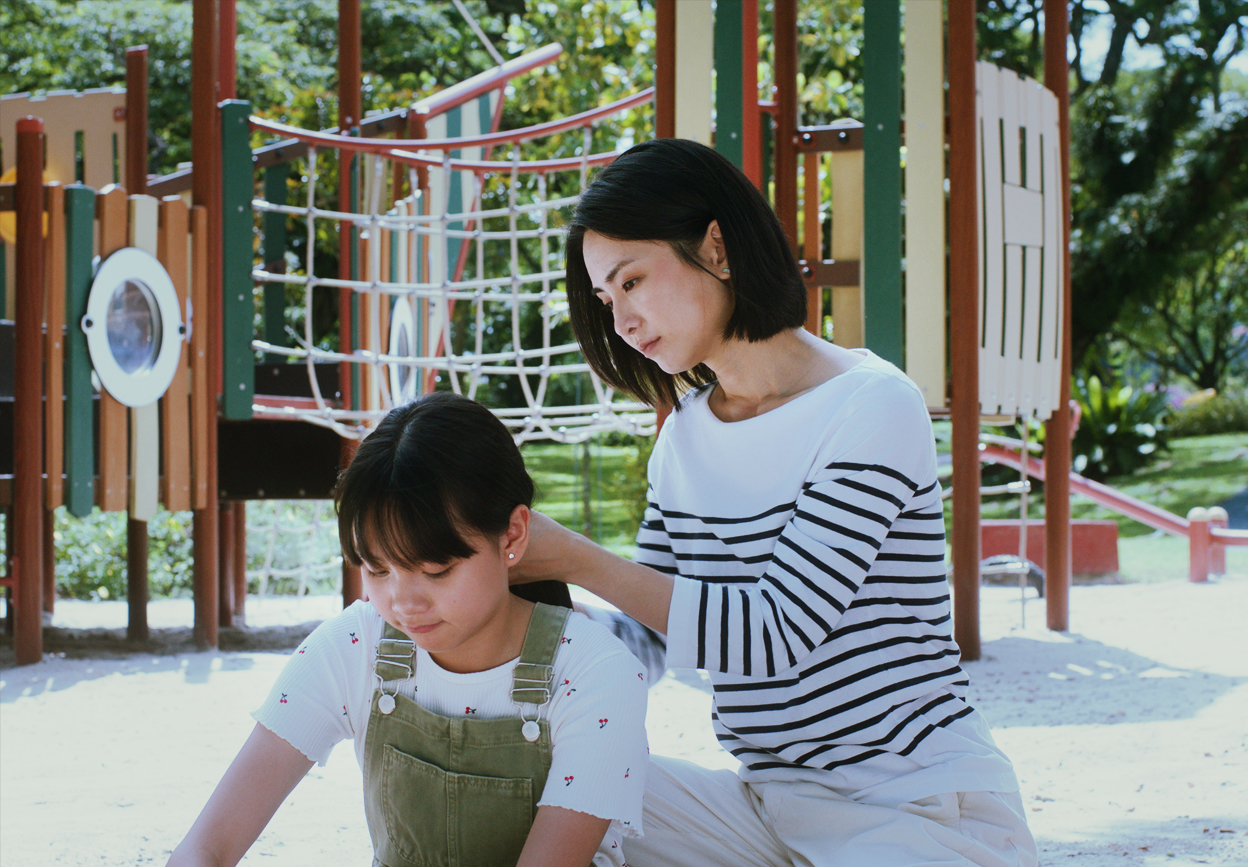
Cinematic Arts explores how film and digital media convey ideas, evoke emotions and offer insight into the human experience, while prompting reflection on significant themes within society. Through a blend of theory and hands-on practice, students will develop strong foundations in audio-visual storytelling, while embracing emerging technologies and sustainable production methods. Students will gain practical experience in various aspects of filmmaking, particularly screenwriting, producing, directing, cinematography, editing and sound design.

The programme fosters a dynamic, inclusive space where diverse voices and perspectives come together to inspire, challenge and transform.

With a focus on theoretical understanding and applied practical experiences, Cinematic Arts aims to nurture a new generation of storytellers, creators, and creative leaders equipped to innovate, question, push the boundaries of storytelling and shape the future of screen-based narratives in an evolving world of cinematic arts, media and entertainment.


Transversal Design

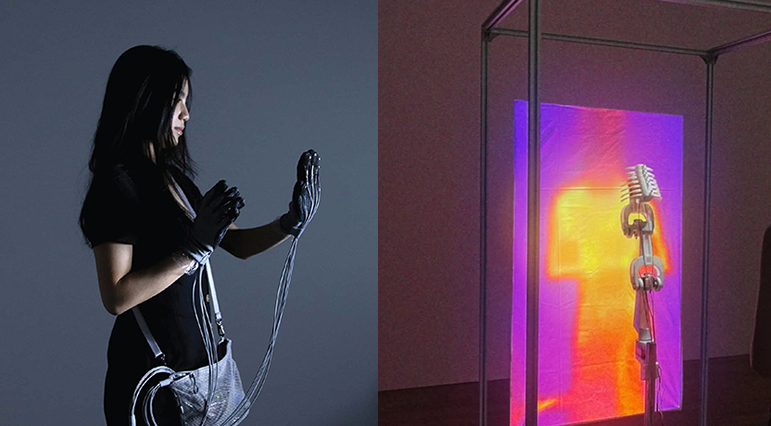
Transversal Design: Object and Interaction invites students to explore how design connects objects, systems, and interactions in response to contemporary and future environmental, social, and technological challenges. Rooted in product and interaction design principles, this approach extends beyond traditional disciplines, fostering future-oriented ways of thinking and making that integrate material, digital, and experiential aspects of design.

It fosters adaptable and critical approaches that enable students to address pressing issues such as climate change, inclusion, and sustainable living through design that is collaborative, experimental, and responsive. Students experiment across craft, technology, and innovation, treating making as a form of inquiry and engaging with both physical and virtual forms through hands-on, practice-led design. They learn to prototype objects, interactive installations, conduct material experiments, design responsive environments, and explore creative technologies to shape meaningful experiences. The emphasis is on designing with awareness of broader ecological, social, and technological systems. Students integrate this understanding into their creative processes, examining how design decisions influence relationships between people, materials, and environments across scales — from tangible artefacts to infrastructures and communities.

Graduates of Transversal Design: Object and Interaction will be equipped to work across creative technologies, systems-oriented design, and participatory practices in innovative contexts. They will be ready to contribute to a future where design engages not only with human needs but with the wider relationships between people, materials, and environments. Drawing on transversal and future-focused thinking, they will navigate and shape the evolving intersections of design, technology, and society to advance sustainable practices, create meaningful interactions, and lead collaborative projects across diverse contexts.
U4
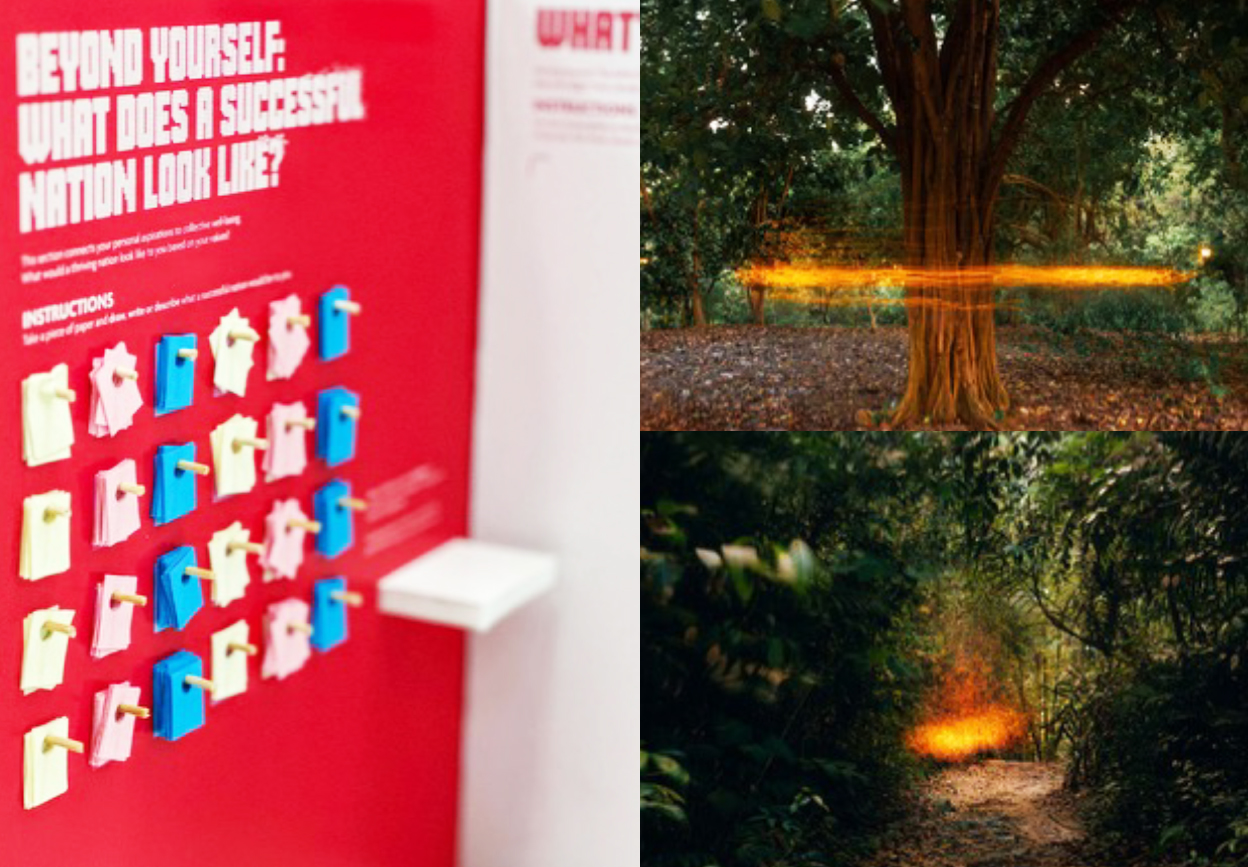
Communication Design and Photographic Practice takes a life-centred, inquiry-led approach to tackling today’s complex social and environmental challenges through design and working with images. Students will engage with themes such as systems thinking, design ethics, sustainability, inclusivity, and accessibility, using both visual communication skillsets and photographic media to explore new ideas. You will develop key skills in graphic design, typography, photography, visual systems and design practice strategies, equipping you to communicate impactful messages across diverse platforms and audiences.

The programme encourages experimentation across emerging technologies, interactive experiences and creative design strategies. Grounded in strong design fundamentals and theoretical understanding, our courses equip students with the visual fluency and conceptual tools to challenge norms and reimagine new modes of thinking.

Graduates will be equipped to navigate an ever-evolving design landscape as visual communicators, strategic storytellers, design-driven changemakers and contribute meaningfully across various industries, communities and media.